Severe weather conditions can cause significant damage to your home’s roof, sometimes necessitating immediate repair to prevent further damage. From sudden leaks during a heavy rainstorm to a tree branch puncturing the roofing material, understanding how to address these unplanned incidents swiftly can save homeowners time and money.
Dealing with a damaged roof can be stressful, but knowing the appropriate steps to take can alleviate some of that stress. Below, we’ll delve into how to recognize the need for emergency repairs, initial actions to mitigate damage, selecting the right professionals for repairs, and adopting preventative measures to reduce future risks.
Recognizing the Signs of a Roofing Emergency
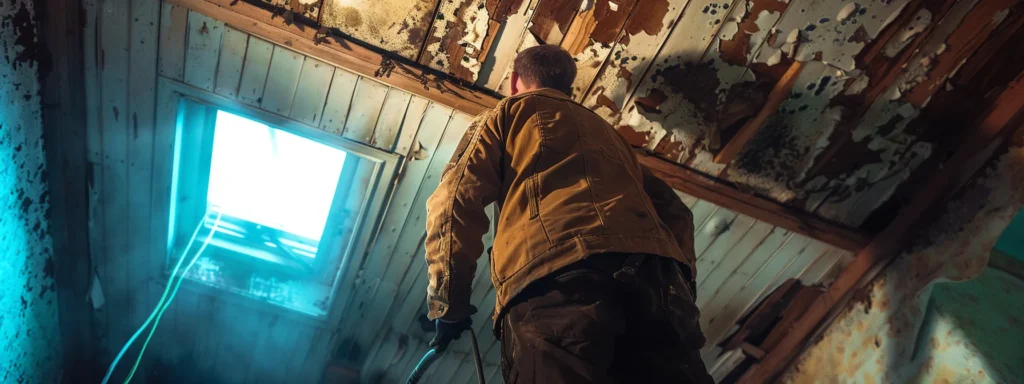
Sagging rafters or a ceiling, water stains, and missing or damaged shingles are clear indicators that your roof may require urgent attention. A roof compromised by severe weather, fallen debris, or wear and tear can pose immediate risks to both the structure and the interior of your home.
Additional signs include sudden spikes in energy bills, which could suggest heat or air conditioning is escaping through gaps, or daylight visible through the roof, indicating serious breaches in the roofing material. These symptoms of distress should not be ignored, as they could lead to catastrophic failures if left unchecked.
If you suspect an emergency, it’s vital to immediately contact a roofing specialist or a general contractor who can assess the situation. Temporary measures, such as covering the affected area with a tarp, may be suggested to prevent further damage until repairs can be made.
Immediate Steps to Take When Your Roof is Compromised
In the event of a roofing emergency, the first priority is to ensure the safety of all occupants. Assess the situation from a distance if there are risks of falling debris or a compromised structure. Vacating the premises may be necessary if the integrity of the home is in question.
Next, mitigate further damage by placing a bucket or container under leaks to catch water and moving furniture or other belongings away from the affected area. These actions will help minimize water damage and protect your possessions. Avoid climbing onto the roof yourself, as this can be dangerous and may exacerbate the problem.
Contacting your insurance company can help you determine if the repairs are covered under your homeowner’s policy. Document the damage thoroughly with photographs and detailed notes; this will assist you in filing a claim and can be crucial for reimbursement of repair costs.
Selecting the Right Professional for Emergency Roof Repairs
Choosing a qualified roofing professional is essential for effective and lasting repairs. Look for contractors with specific experience in emergency repair work, as they will be best equipped to handle urgent and complex situations. Ensure they are licensed, insured, and carry a positive reputation in the community.
Research local roofers and check online reviews or seek recommendations from friends and family. Reliable contractors should be transparent about their pricing, timeline for completion, and the materials they plan to use. Better Business Bureau ratings and certifications from roofing material manufacturers can serve as additional assurance of their expertise and trustworthiness.
When you’ve identified a potential service provider, be sure to ask about their emergency response times and if they offer a warranty on their work. Clear communication about the scope of repairs and an itemized contract will help avoid any misunderstandings down the line.
Preventative Measures to Avoid Future Roofing Emergencies

Preventative maintenance is the best defense against future roofing emergencies. Regular inspections, ideally twice a year, can reveal signs of wear and address them before they turn into larger issues. It’s also beneficial to clean gutters and downspouts regularly to prevent water buildup that can weaken roofing materials.
Invest in quality roofing materials that are appropriate for your local climate; materials that are resistant to UV rays, wind, and hail can greatly reduce the likelihood of damage. Proper attic ventilation and insulation also play a role in extending the life of your roof by preventing ice dams and reducing stress on roofing materials.
Additionally, after any significant weather event, take the time to visually inspect your roof for damage or consult a professional to conduct a more thorough assessment. This proactive approach can help identify minor issues before they necessitate emergency repairs.
Ultimately, understanding the signs of a roofing emergency, taking immediate measures to minimize damage, selecting the right professionals for repairs, and implementing preventative steps are vital elements in managing and maintaining your home’s roofing system. Maintenance and timely intervention can significantly impact the longevity and performance of your roof, safeguarding your home from unforeseen incidents and expenses.