Crafting an Irresistible Profile Headline and Summary: Your Digital Elevator Pitch
Your LinkedIn headline and summary are arguably the two most critical pieces of text on your entire profile. They function as your immediate digital elevator pitch, designed to grab attention and communicate your value proposition within seconds. A compelling headline should not merely state your current job title but should encapsulate your core skills, expertise, and career aspirations. Think keywords that recruiters might use to find someone like you. For instance, instead of “Marketing Manager at ABC Corp,” consider something more impactful like, “Results-Driven Marketing Manager | Digital Strategy & Brand Growth | SEO & Content Expert | Driving ROI for SaaS Businesses.” This immediately tells a recruiter what you do, how you do it, and the value you bring. Ensure your headline is forward-looking and aligns with the types of roles you aspire to land in 2026, not just your past.
Following your headline, your summary is your opportunity to tell your professional story in your own words. This isn’t just a chronological list of duties; it’s a narrative that highlights your passion, accomplishments, and career trajectory. Use the first few lines to hook the reader, perhaps with a strong value statement or a compelling statistic. Then, elaborate on your key strengths, significant achievements, and professional goals. Incorporate relevant keywords naturally throughout the text to boost your search visibility. This section is an excellent place to subtly address topics like how your drive for professional growth contributes to your ability to how to create financial plan, demonstrating a holistic approach to your life and career.
Remember to write in the first person, making it personal and authentic. Showcase your personality while maintaining a professional tone. Quantify your achievements whenever possible: “Increased sales by 20%” is far more impactful than “Responsible for sales growth.” This section is also a powerful tool to build confidence and self esteem, as it requires you to reflect deeply on your successes and articulate your unique contributions. By clearly defining your strengths and aspirations, you not only attract the right opportunities but also reinforce your belief in your own capabilities. Spend time refining this section; it’s your chance to make a lasting impression and entice recruiters to delve deeper into your profile.
Beyond the Resume: Optimizing Your Experience and Education Sections

While your experience section might seem straightforward, simply listing your past jobs and dates misses a significant opportunity. On LinkedIn, each entry in your experience section should be treated as a mini case study of your professional impact. Go beyond basic job descriptions and focus on your achievements and the results you delivered. Use strong action verbs at the beginning of each bullet point (e.g., “Led,” “Developed,” “Managed,” “Implemented,” “Achieved,” “Streamlined”). Quantify your successes with numbers, percentages, and specific examples wherever possible. For instance, instead of “Managed a team of five,” try “Managed, mentored, and developed a high-performing team of five, resulting in a 15% increase in project completion efficiency.“
Tailor the content of each role to align with the types of positions you’re targeting. If you’re looking for a management role, emphasize leadership, team development, and strategic planning in your previous positions. If you’re aiming for a technical role, highlight your specific technical skills and the projects where you applied them. Think about the keywords recruiters use for your desired roles and integrate them naturally into your descriptions. Don’t be afraid to include relevant volunteer work or significant side projects that showcase transferable skills. In today’s competitive market, a clear demonstration of practical application is paramount.
Your education section, while seemingly simple, also holds strategic importance. List your degrees, institutions, and dates of attendance. But don’t stop there. Include any honors, awards, relevant coursework, certifications, or professional development programs that enhance your qualifications. If you have limited professional experience, elaborating on academic projects, internships, or relevant extracurricular activities can provide valuable insights into your capabilities and work ethic. This is particularly relevant for recent graduates looking to make their mark in 2026. Emphasize how your academic journey has prepared you to excel in the professional world, showcasing a foundation that supports your ambition to, for example, effectively how to budget money low income as you begin your career and build financial independence.
Continuously update this section as you gain new certifications or complete significant projects. A current and detailed experience section not only provides recruiters with a clear picture of your career trajectory but also signals your commitment to continuous learning and professional development, qualities highly valued by employers.
Showcasing Skills, Endorsements, and Recommendations: Your Social Proof
Endorsements act as a form of peer validation for your listed skills. While not as weighty as a full recommendation, a high number of endorsements for key skills signals to recruiters that others recognize your expertise. Proactively seek endorsements from colleagues, managers, and clients you’ve worked with. A simple message like, “Hi [Name], I really enjoyed collaborating on [Project Name]. If you feel I demonstrated strong skills in [Specific Skill], I would appreciate an endorsement on LinkedIn,” can go a long way. In turn, be generous with your endorsements for others; networking is a two-way street.
Recommendations, however, are the gold standard of social proof on LinkedIn. These are personal testimonials from colleagues, supervisors, or clients that speak to your work ethic, character, and professional capabilities. A well-written recommendation can significantly boost your credibility and provide specific examples of your impact. Aim for at least 3-5 high-quality recommendations, especially from direct supervisors or senior colleagues. When requesting a recommendation, make it easy for the recommender: suggest specific projects or skills you’d like them to highlight, and remind them of the context of your work together. For example, “Would you mind writing a brief recommendation focusing on my project management skills during the [Project X] initiative?“
Receiving positive recommendations not only validates your professional abilities but also actively contributes to your ability to build confidence and self esteem. Seeing your hard work and positive contributions acknowledged by others can be incredibly empowering. These testimonials offer concrete evidence of your value, which is invaluable when articulating your strengths in interviews or when contemplating career advancements. Remember, the combination of a robust skills section, numerous endorsements, and glowing recommendations paints a comprehensive and highly credible picture of your professional prowess, making you a much more attractive candidate in the competitive job market.
Cultivating Your Network: Strategic Connections and Engagement
Your LinkedIn network is not just a list of names; it’s a living ecosystem of professional opportunities, insights, and support. Building a strategic network means focusing on quality over sheer quantity. Connect with people in your industry, professionals in roles you aspire to, recruiters, alumni from your educational institutions, and thought leaders whose work you admire. When sending a connection request to someone you don’t know personally, always include a personalized message. Explain why you want to connect: perhaps you admire their work, share a common interest, or are seeking insights into a particular industry.
Beyond simply connecting, engagement is key. LinkedIn rewards active users by increasing their visibility in search results and within their network feeds. Regularly engage with content posted by your connections and industry leaders. Like, comment thoughtfully, and share articles or posts that resonate with you. Your comments should add value to the conversation, demonstrating your expertise and critical thinking. This consistent interaction keeps you top-of-mind with your network and helps establish you as a knowledgeable professional.
Participate in relevant LinkedIn Groups. These communities are excellent for networking with like-minded professionals, asking questions, sharing insights, and staying abreast of industry trends. Your active participation in groups can open doors to new connections and even job opportunities that might not be publicly advertised. Consider joining groups focused on career development, specific technologies, or even those related to financial literacy if you’re passionate about topics like how to budget money low income, as this can attract recruiters looking for well-rounded individuals.
Remember, networking on LinkedIn is a long-term strategy. It’s about building genuine relationships, offering value to others, and being a visible, engaged member of your professional community. A robust and engaged network can provide referrals, mentorship, and invaluable insights that can significantly accelerate your career progression and open doors you never knew existed, ultimately contributing to your overall financial well-being and stability in the long run.
The Multimedia Edge: Enriching Your Profile with Visuals and Projects
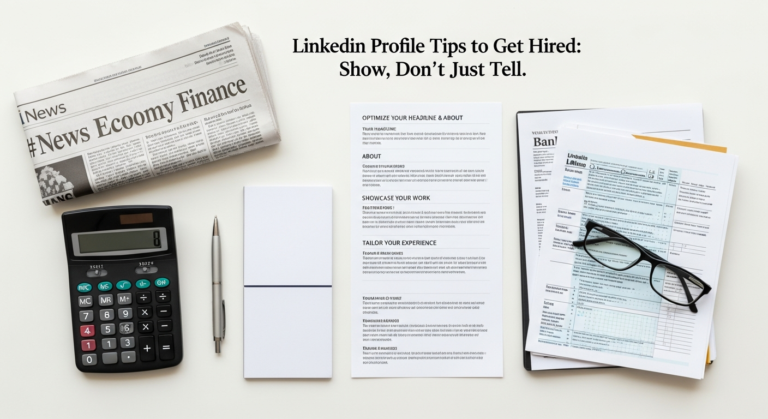
In a world saturated with text, visual elements can significantly enhance your LinkedIn profile’s appeal and effectiveness. LinkedIn allows you to upload various forms of multimedia to your experience, summary, and project sections. This is your chance to show, not just tell, what you’ve accomplished. Consider adding:
- Presentations: If you’ve created impactful presentations, upload them via SlideShare or as PDFs.
- Portfolio Pieces: For creative professionals (designers, writers, marketers), link directly to your online portfolio or upload samples of your work.
- Videos: Short video clips demonstrating your skills, a product you worked on, or even a brief introduction of yourself can be highly engaging.
- Published Articles/Blog Posts: If you’ve written articles, either for your company, industry publications, or your personal blog, link to them. This demonstrates your expertise and thought leadership.
- Project Documents: Relevant reports, whitepapers, or project plans (ensuring confidentiality is maintained) can provide tangible evidence of your work.
Adding multimedia content makes your profile more dynamic and memorable. It allows recruiters to quickly grasp your capabilities and visualize your contributions. For instance, a software developer could link to their GitHub repository or a live demo of an application they built. A marketing professional could showcase a successful campaign with metrics and visual assets. An educator might share lesson plans or student success stories.
The “Projects” section is an often underutilized gem. Here, you can detail significant projects you’ve worked on, either professionally, academically, or even personal endeavors that demonstrate relevant skills. For each project, include:
- Project Name: A clear, concise title.
- Dates: When you worked on it.
- Description: Explain the project’s objective, your role, the challenges faced, the actions you took, and the quantifiable results.
- Links: Add links to the live project, relevant documentation, or multimedia.
- Team Members: You can even tag other LinkedIn members who worked on the project with you, further expanding your network.
Utilizing multimedia effectively transforms your LinkedIn profile into an interactive portfolio, providing concrete evidence of your skills and achievements. It gives recruiters a deeper, richer understanding of your capabilities than text alone ever could, significantly increasing your chances of getting noticed and securing those coveted interview opportunities in 2026. This tangible evidence also serves to build confidence and self esteem, as you visually compile and present the fruits of your labor.
Personal Branding and Thought Leadership: Becoming an Industry Voice
In 2026, merely having a complete LinkedIn profile is not enough; you need to actively cultivate a personal brand that positions you as an expert and thought leader in your field. This involves consistently sharing valuable insights, engaging in meaningful discussions, and potentially creating your own content. Think of yourself as a credible source of information and opinion within your industry. This approach not only increases your visibility but also attracts opportunities by demonstrating your passion and depth of knowledge.
One of the most effective ways to establish thought leadership is through LinkedIn’s publishing platform. Write articles that delve into industry trends, offer solutions to common challenges, or share your unique perspectives on emerging topics. These articles don’t need to be lengthy academic papers; concise, insightful pieces (500-1000 words) can be highly effective. When you publish an article, it lives on your profile indefinitely and is shared with your network, making you discoverable to a broader audience. This can be an excellent way to discuss how your financial acumen intersects with your professional field, perhaps by writing about how effective project management can impact a company’s bottom line, drawing parallels to how to create financial plan for businesses or individuals.
Beyond publishing, actively engage with news and discussions relevant to your sector. Share industry news with your own commentary, highlighting its implications or offering your expert opinion. Participate in polls, join debates in relevant groups, and contribute to conversations initiated by others. This consistent engagement demonstrates that you are not just a passive observer but an active participant and contributor to your professional community. It shows recruiters that you are proactive, informed, and passionate about your field.
Developing a strong personal brand takes time and consistent effort, but the rewards are substantial. It positions you as an authority, makes you more memorable, and can lead to unexpected opportunities, such as speaking engagements, consulting gigs, or direct recruitment approaches for senior roles. By actively shaping how you are perceived online, you take control of your career narrative and significantly enhance your marketability, laying a stronger foundation for your long-term financial stability and career growth.
Continuous Optimization: Staying Relevant in a Dynamic Job Market
Your LinkedIn profile is not a static document you create once and forget; it’s a living, breathing entity that requires continuous attention and optimization. The job market, industry trends, and the skills employers seek are constantly evolving, particularly in the fast-paced environment of 2026. Regularly reviewing and updating your profile ensures that you remain relevant, visible, and competitive.
Schedule quarterly or bi-annual check-ins to review every section of your profile. Ask yourself:
- Is my headline still accurate and impactful? Does it reflect my current aspirations and the keywords for roles I’m targeting?
- Does my summary clearly articulate my value? Are there new achievements or skills I can add?
- Are my experience entries up-to-date with my latest accomplishments? Have I quantified new successes?
- Are my skills current? Have new technologies or methodologies emerged that I should add or remove? Am I prioritizing the most relevant skills for 2026?
- Do I need new recommendations? Have I worked with new colleagues or managers who could provide valuable testimonials?
- Is my profile picture professional and up-to-date? Does my background photo reflect my brand?
LinkedIn also provides analytics that can give you insights into who is viewing your profile, how often, and from what sources. Pay attention to these metrics. If certain sections are getting more attention, consider expanding on them. If your profile views are low, it might be time to increase your activity, publish new content, or update your keywords. This data-driven approach allows you to refine your strategy and maximize your profile’s effectiveness.
Staying relevant also means staying informed about industry changes and acquiring new skills. The Diaal News philosophy emphasizes lifelong learning and adaptability, which directly translates to your LinkedIn strategy. If you’ve recently completed a new certification, learned a new software, or volunteered for a significant project, update your profile immediately. These continuous efforts demonstrate your commitment to growth and your ability to adapt to new challenges, qualities highly valued by employers.
Ultimately, a continuously optimized LinkedIn profile is a key component of a proactive career strategy, much like how one would meticulously how to create financial plan to secure their future. By maintaining a dynamic and engaging presence, you not only increase your chances of getting hired for your dream job but also establish a stronger foundation for long-term career success and financial stability. This proactive approach to your professional online presence significantly contributes to your ability to manage your personal finances effectively, even for those who might initially be looking for guidance on how to budget money low income, as a better job often leads to better financial opportunities and greater peace of mind.
Frequently Asked Questions About LinkedIn Profiles
How often should I update my LinkedIn profile?
You should aim to review and update your LinkedIn profile at least quarterly, or whenever you achieve a significant milestone, complete a major project, acquire a new skill, or receive a new certification. A thorough annual review is also highly recommended to ensure all sections reflect your current aspirations and the evolving job market in 2026.
Is it okay to connect with recruiters I don’t know?
Yes, it is generally acceptable and often beneficial to connect with recruiters, especially those specializing in your industry or desired roles. Always include a personalized message with your connection request, briefly explaining why you want to connect (e.g., “I’m interested in opportunities in [industry] and would appreciate connecting with a specialist like yourself”). This shows respect and purpose, making them more likely to accept.
How can I make my LinkedIn profile stand out without much work experience?
If you have limited work experience, focus on highlighting academic projects, internships, volunteer work, relevant coursework, certifications, and extracurricular activities. Emphasize transferable skills (e.g., teamwork, problem-solving, communication), use strong action verbs, and quantify achievements where possible. Leverage the “Projects” section and ask professors or mentors for recommendations. A compelling summary that showcases your passion and potential is also crucial.
Should I include my salary expectations on LinkedIn?
Generally, it’s not recommended to include specific salary expectations directly on your public LinkedIn profile. Salary is often a nuanced discussion that depends on various factors (company size, benefits, location, specific role responsibilities). It’s best to discuss salary expectations during an interview process, or indicate a broad salary range if prompted by a recruiter in a private message, allowing for negotiation.
What’s the best way to ask for a recommendation?
The best way to ask for a recommendation is to send a personalized request directly through LinkedIn. Make it easy for the recommender by suggesting specific projects, skills, or situations you’d like them to highlight. Remind them of the context of your work together and express your gratitude. A polite and specific request is much more likely to yield a strong recommendation.
Can LinkedIn really help with career transitions?
Absolutely. LinkedIn is an incredibly powerful tool for career transitions. You can research new industries, connect with professionals in your target field, join relevant groups to learn more, and take courses to acquire new skills. Your profile can be tailored to highlight transferable skills and express your interest in a career change within your summary. Networking and engaging with thought leaders in your desired new field can open doors to mentorship and opportunities.
Recommended Resources
For more on LinkedIn profile tips, see Cnc Machining Explained on Mitsubishi Manufacturing.
Learn more about this topic in Postpartum Care Resources Guide at Protect Families Protect Choices.