Understanding Male Enhancement: A Broad Overview
The pursuit of male enhancement is not new; historical records suggest that men have long sought ways to improve their sexual prowess and physical attributes. In contemporary society, the conversation often revolves around penile size, perceived performance, and overall sexual confidence. The term “male enhancement” itself is broad, encompassing everything from dietary supplements and topical creams to surgical procedures and, of course, physical exercises.
Societal pressures play a significant role in fueling this interest. Media portrayals, peer discussions, and even cultural myths can contribute to unrealistic expectations regarding penile size and function. Many men feel a profound sense of inadequacy if they perceive their size to be less than ideal, leading them down a path of seeking solutions. It’s essential to recognize that average penile sizes are often exaggerated in popular culture, and what constitutes “normal” is a wide spectrum. The average erect length generally falls between 5.1 to 5.5 inches (13 to 14 cm), with variations being perfectly common and healthy.
When men consider male enhancement, they are often looking for quick fixes or non-invasive methods. This is where the allure of enlargement exercises comes in. These methods are typically promoted as natural, cost-effective, and discreet ways to achieve desired results. However, the lack of rigorous scientific validation for most of these techniques creates a significant knowledge gap, leaving many individuals vulnerable to misinformation and potentially harmful practices. Understanding the landscape of male enhancement requires a critical eye, distinguishing between evidence-based approaches and those rooted in marketing hype.
Furthermore, the broader context of health and well-being should always be considered. Just as understanding “how do you know which insurance plan is right for you” requires a thorough evaluation of your needs, benefits, and risks, so too does exploring male enhancement methods. It’s not merely about size, but about overall sexual health, mental well-being, and realistic expectations. The impact of such decisions can reverberate through one’s personal life, self-esteem, and even relationships, making informed choices absolutely critical.
The Science (or Lack Thereof) Behind Enlargement Exercises
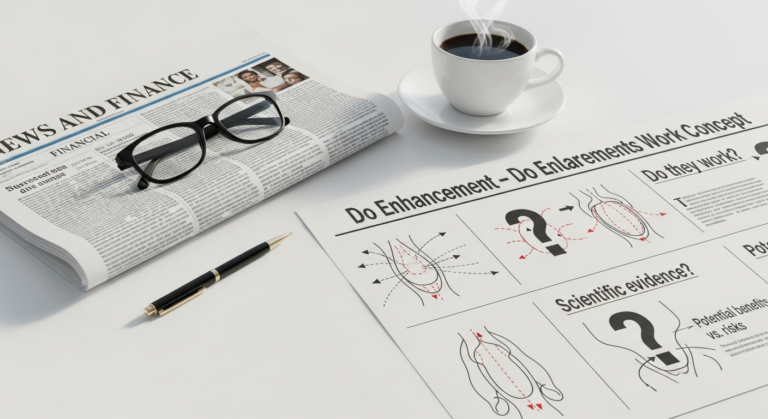
When discussing male enhancement, particularly exercises, two primary categories often arise: manual exercises and mechanical devices. Manual exercises, such as Jelqing, involve a specific technique of milking the penis from base to tip to push blood forward and stretch the tissues. Proponents claim this can increase both length and girth over time by micro-tearing and subsequently rebuilding penile tissue, similar to how muscles respond to weight training.
Mechanical devices include vacuum pumps and penile extenders (traction devices). Vacuum pumps work by creating a vacuum around the penis, drawing blood into the shaft and causing an erection. They are sometimes used to treat erectile dysfunction but are also marketed for enlargement. The idea is that repeated expansion will lead to larger tissue volume. Penile extenders are devices that apply gentle, continuous traction to the penis, with the goal of stretching the tissues and encouraging cell multiplication, theoretically leading to increased length. Users typically wear these devices for several hours a day over an extended period.
Despite the prevalence of these techniques online and in niche communities, the scientific and medical communities largely remain unconvinced of their efficacy for permanent, significant enlargement. Most studies on these methods are small, poorly designed, or suffer from a lack of control groups, making their findings unreliable. For instance, while some studies on penile extenders have shown modest gains in length (often less than an inch) in specific populations (e.g., men with Peyronie’s disease), these results are not consistently replicated in healthy men seeking cosmetic enlargement. The mechanisms claimed by proponents, such as micro-tearing and cell regeneration, lack robust histological evidence in the context of penile tissue enlargement through these methods.
The human penis is primarily composed of erectile tissue (corpora cavernosa) and spongy tissue (corpus spongiosum) encased in a fibrous sheath called the tunica albuginea. This structure is not designed to be significantly stretched or expanded through manual manipulation or traction in the same way muscle tissue might respond to exercise. While temporary swelling or increased blood flow might occur, leading to a transient perception of increased size, permanent growth beyond natural anatomical limits is not supported by mainstream medical science for these exercises.
It’s crucial to approach these claims with a high degree of skepticism, understanding that a lack of scientific validation often means a higher risk of disappointment, injury, or wasted financial resources. Just as one might critically evaluate the fine print on a complex financial product, or seek out comprehensive information on “how the new administration will impact health coverage for Americans” before making health-related decisions, so too should individuals apply a rigorous standard to claims of penile enlargement through exercise. The allure of a simple, non-invasive solution is powerful, but it must be weighed against credible scientific evidence.
Potential Risks and Side Effects of Enlargement Exercises
Physical Injuries:
- Bruising and Discoloration: Aggressive manual techniques like Jelqing can cause bruising due to ruptured capillaries and blood vessels, leading to visible discoloration of the penile shaft.
- Numbness: Excessive stretching or pressure can damage nerves, resulting in temporary or even permanent numbness in the penis, which can severely impact sensation during sexual activity.
- Pain and Soreness: Over-exertion or improper technique can cause significant pain, soreness, and inflammation, making erections uncomfortable or impossible.
- Erectile Dysfunction (ED): Ironically, attempts to enhance the penis can lead to ED. Damage to the delicate erectile tissues, blood vessels, or nerves can compromise the penis’s ability to achieve and maintain an erection.
- Peyronie’s Disease: This condition involves the development of fibrous scar tissue inside the penis, causing curved, painful erections. While Peyronie’s can have various causes, forceful manipulation or trauma from enlargement exercises is a recognized risk factor.
- Ligament Damage: The suspensory ligament, which attaches the penis to the pubic bone, can be stretched or damaged by traction devices, potentially leading to instability or a floppy penis.
- Skin Irritation and Blistering: Vacuum pumps, if used improperly or for too long, can cause skin irritation, blistering, and even ruptured blood vessels on the surface of the penis.
Psychological and Emotional Impact:
Beyond the physical dangers, the pursuit of male enhancement through unproven exercises can take a heavy toll on mental health. Many men who embark on this journey are already struggling with body image issues or performance anxiety. When exercises fail to deliver promised results, or worse, cause injury, these underlying insecurities can be exacerbated. This can lead to:
- Increased Anxiety and Depression: Persistent disappointment and the feeling of failure can contribute to heightened anxiety and symptoms of depression.
- Body Dysmorphia: An obsession with perceived flaws in one’s body, which can be intensified by the focus on penile size, leading to an unhealthy self-image.
- Relationship Strain: The secrecy, frustration, or physical discomfort associated with these practices can create tension in intimate relationships.
It’s vital to weigh these considerable risks against the unproven and often exaggerated benefits. Just as young people in Australia seeking car insurance are advised to research thoroughly, compare policies, and understand the fine print before committing – perhaps even utilizing 3 car insurance tips for young people in Australia 2, which emphasize comparison and careful consideration – so too should individuals approach male enhancement claims. Hasty decisions in either realm can lead to significant regrets, financial or otherwise. Consulting with a qualified healthcare professional, such as a urologist, before attempting any male enhancement technique is not just advisable; it’s a critical step to safeguard your health and well-being, especially as we look towards 2026 and how changes in health coverage might impact access to expert medical advice.
Medically Proven Alternatives for Penile Enhancement (and When They Are Appropriate)
While enlargement exercises lack robust scientific backing, there are medically recognized approaches for penile enhancement, though these are typically reserved for specific conditions and are not generally recommended for cosmetic reasons in men with normal penile anatomy. It’s crucial to understand the distinction and the circumstances under which these interventions are considered appropriate.
Surgical Options:
The most definitive method for increasing penile size is surgery, but these procedures are complex, carry significant risks, and are typically only performed in cases of micro-penis (a medically defined condition where the stretched penile length is significantly below average) or as part of reconstructive surgery after trauma or disease.
- Ligamentolysis (Suspensory Ligament Release): This procedure involves cutting the suspensory ligament that attaches the penis to the pubic bone. Releasing this ligament allows a portion of the penis that is normally inside the body to extend outwards, potentially increasing visible flaccid length by 1-2 cm. However, it can affect the angle of erection and may require ongoing traction or weights to maintain gains. It does not increase erectile length or girth.
- Girth Enhancement Procedures: These typically involve injecting fat cells (autologous fat transfer) or dermal fillers into the penile shaft. While these can temporarily increase girth, the results are often unpredictable, with issues like lumpiness, asymmetry, infection, and significant reabsorption of the injected material over time. Permanent fillers carry even greater risks, including granuloma formation and scarring.
- Penile Implants (Prostheses): Primarily used for severe erectile dysfunction, these devices do not enlarge the penis but can make it appear longer or firmer during an erection. They are a last resort for ED when other treatments have failed.
These surgical procedures are invasive, expensive, and carry risks such as infection, scarring, nerve damage, altered sensation, and dissatisfaction with aesthetic outcomes. For men with average-sized penises seeking purely cosmetic enlargement, the risks generally far outweigh the potential benefits, and most reputable surgeons will advise against them.
Non-Surgical Medical Devices (for specific conditions):
- Penile Extenders/Traction Devices: As mentioned earlier, while largely ineffective for cosmetic enlargement in healthy men, these devices are medically used in the treatment of Peyronie’s disease to help straighten the penis and recover some lost length. Under strict medical supervision, they can be part of a comprehensive treatment plan for this specific condition.
- Vacuum Erection Devices (VEDs): Primarily used for treating erectile dysfunction, VEDs can also be employed in the rehabilitation phase after prostatectomy to maintain penile length and prevent shortening. Their use for enlargement in healthy men is not supported by evidence.
It is paramount that any consideration of these alternatives be made in consultation with a qualified urologist. These specialists can provide accurate information, assess individual circumstances, and discuss the evidence-based risks and benefits. They can also help distinguish between what is medically necessary or beneficial for a specific condition versus what is marketed as a cosmetic enhancement. As we head into 2026, understanding how the new administration will impact health coverage for Americans, particularly for elective or specialized procedures, is vital. Many of these procedures are not covered by standard insurance unless deemed medically necessary, making the financial implications substantial.
Psychological Impact and Body Image: Beyond Physical Size
The conversation around male enhancement often heavily emphasizes physical attributes, but it’s crucial to acknowledge the profound psychological and emotional dimensions at play. For many men, concerns about penile size are not merely superficial; they are deeply intertwined with self-esteem, masculinity, sexual confidence, and overall body image. This can lead to significant distress, anxiety, and even depression, regardless of actual penile size.
A phenomenon known as “penile dysmorphic disorder” (PDD) exists, where men have a persistent preoccupation with the belief that their penis is too small, despite it being within the normal range. This condition is a form of body dysmorphic disorder and can severely impact a man’s quality of life, leading to social avoidance, sexual dysfunction, and a relentless pursuit of enlargement methods, often with little satisfaction.
The relentless barrage of idealized images in pornography and media, coupled with anecdotal locker room talk, can create an unrealistic benchmark for what constitutes an “adequate” or “desirable” penis size. This pressure can lead men to feel inadequate, even when their size is perfectly normal by medical standards. The pursuit of enlargement exercises, often undertaken in secrecy, can become an isolating and obsessive endeavor that further exacerbates these psychological issues, especially when expected results fail to materialize or injuries occur.
Addressing these underlying psychological factors is often far more effective and healthier than pursuing physical enlargement methods. Therapies such as cognitive-behavioral therapy (CBT) can help men challenge negative thoughts about their body image, develop a more realistic perception of their anatomy, and build self-confidence that is not solely dependent on physical attributes. Focusing on overall sexual health, communication with partners, and developing a positive body image can lead to greater satisfaction and well-being than any physical alteration.
It’s important to remember that a man’s worth, masculinity, or sexual prowess is not defined by the size of his penis. Confidence, respect, effective communication, and genuine intimacy are far more significant contributors to a fulfilling sexual life and strong relationships. Seeking support from mental health professionals or sex therapists can provide invaluable tools for navigating these complex emotions and fostering a healthier self-perception. In the evolving landscape of healthcare, understanding “how do you know which insurance plan is right for you” is important, as many plans now offer coverage for mental health services, recognizing their critical role in holistic well-being.
Navigating Information and Making Informed Decisions
In the vast ocean of online information, distinguishing credible advice from misleading claims about male enhancement can be challenging. The internet is replete with forums, websites, and social media accounts promoting unproven enlargement exercises, often with compelling testimonials that lack scientific rigor. For individuals seeking answers, the sheer volume of conflicting information can be overwhelming and lead to poor decisions.
Tips for Navigating Information:
- Consult Medical Professionals First: Your primary care physician or a urologist is the most reliable source of information. They can assess your concerns, rule out any underlying medical conditions, and provide evidence-based advice. They are trained to understand the anatomy and physiology of the penis and can offer realistic expectations.
- Be Skeptical of “Miracle Cures”: Any product or exercise promising dramatic results quickly and easily, especially without scientific evidence or potential side effects, should be viewed with extreme caution. If it sounds too good to be true, it almost certainly is.
- Look for Peer-Reviewed Studies: Reputable medical claims are backed by research published in peer-reviewed scientific journals. Be wary of claims based solely on anecdotal evidence, personal blogs, or marketing materials.
- Understand the Source: Consider who is providing the information. Is it a qualified medical professional, a research institution, or a company selling a product? The latter often have a financial incentive to exaggerate benefits and downplay risks.
- Educate Yourself on Anatomy: A basic understanding of penile anatomy can help you critically evaluate claims. For example, knowing that the penis is not a muscle in the same way a biceps is can help you question claims about muscle-building exercises.
Making informed decisions about your health, particularly on sensitive topics like male enhancement, mirrors the diligence required for other significant life choices. Just as you would research “how the new administration will impact health coverage for Americans” to understand your future healthcare options, or compare “3 car insurance tips for young people in Australia 2” before purchasing a policy, a similar level of scrutiny is essential for personal health decisions. This involves understanding the long-term implications, the potential costs (both financial and health-related), and the reliability of the information you are consuming.
Empowering yourself with accurate knowledge and seeking professional guidance are the most effective ways to avoid falling prey to ineffective or dangerous practices. Ultimately, the goal is to achieve well-being and satisfaction, which often comes from a place of self-acceptance and realistic expectations, rather than a relentless pursuit of an idealized physical form through unproven methods.
The Lifestyle Connection: Holistic Well-being and Sexual Health
While the direct link between “enlargement exercises” and penile size is dubious, there’s an undeniable connection between overall lifestyle and sexual health. Focusing on holistic well-being can significantly enhance sexual function, confidence, and satisfaction, often rendering the pursuit of size-centric solutions less pressing. A healthy body is more likely to support healthy sexual function, irrespective of specific dimensions.
Key Lifestyle Factors for Optimal Sexual Health:
- Balanced Diet: A diet rich in fruits, vegetables, whole grains, and lean proteins supports cardiovascular health, which is crucial for erectile function. Foods high in antioxidants can also contribute to overall vascular health. Conversely, diets high in processed foods, saturated fats, and sugars can contribute to obesity, diabetes, and heart disease, all of which are risk factors for erectile dysfunction.
- Regular Exercise: Physical activity improves blood circulation, boosts testosterone levels, reduces stress, and helps maintain a healthy weight. Cardiovascular exercises (like running, swimming, cycling) are particularly beneficial for penile blood flow. Strength training can also contribute to overall vitality and body confidence.
- Stress Management: Chronic stress is a significant deterrent to sexual health. It can suppress libido, interfere with arousal, and contribute to performance anxiety. Practicing mindfulness, meditation, yoga, or engaging in hobbies can help manage stress levels.
- Adequate Sleep: Sleep deprivation can disrupt hormone levels, including testosterone, which is vital for libido and sexual function. Prioritizing 7-9 hours of quality sleep per night is essential for overall health, including sexual health.
- Avoid Smoking and Excessive Alcohol: Smoking damages blood vessels throughout the body, including those supplying the penis, significantly increasing the risk of erectile dysfunction. Excessive alcohol consumption can temporarily impair erectile function and, over time, lead to chronic sexual problems.
- Maintain a Healthy Weight: Obesity is strongly linked to various health issues, including diabetes and heart disease, both of which are major causes of erectile dysfunction. Losing excess weight can improve blood flow, hormone balance, and overall sexual function.
By adopting a healthy lifestyle, men can often experience improvements in their sexual health, energy levels, and self-confidence. These benefits are far more tangible and evidence-based than any claims made by enlargement exercises. A robust and healthy body, along with a positive mental state, contributes more to satisfying sexual experiences and relationships than an incremental change in physical size. This holistic approach empowers individuals to take control of their well-being in a way that is sustainable and genuinely beneficial.
Moreover, the journey towards better health is often a marathon, not a sprint. Just as understanding “how do you know which insurance plan is right for you” involves assessing your long-term health needs and financial planning, so too does embracing a lifestyle that supports sexual health. It’s about making conscious, consistent choices that build resilience and vitality over time. For many, finding satisfaction and confidence comes not from altering their anatomy, but from nurturing their overall health and embracing a positive self-image.
Frequently Asked Questions
Do male enhancement exercises actually work for permanent size increase?▾
Are male enhancement exercises safe?▾
What are the common types of male enhancement exercises?▾
What are medically proven alternatives for penile enlargement?▾
Should I consult a doctor before trying male enhancement exercises or products?▾
What role does body image play in male enhancement concerns?▾
Recommended Resources
Related reading: Voter Registration Guide For Advocacy (Protect Families Protect Choices).
Learn more about this topic in Six Sigma Methodology Guide at Mitsubishi Manufacturing.