

Updated May 2026. Engaging with an effective estate planning guide is a foundational step in achieving holistic personal and public well-being, far beyond the simple division of financial assets. Navigating the complexities of wealth transfer and end-of-life arrangements often feels overwhelming, but proactively securing your family’s future ultimately brings profound peace of mind. By mapping out your legacy, you ensure your resources flow smoothly to the right beneficiaries, supporting your loved ones while minimizing potential legal conflicts that burden public court systems. A well-crafted strategy not only protects your hard-earned financial stability but also empowers you to allocate resources toward philanthropic goals, creating a lasting positive impact on your community. Structuring your succession effectively bridges the gap between individual success and broader societal health, guaranteeing that your life’s work continues to serve a purpose long after you are gone. We will explore the vital legal instruments, protective measures, and strategic decisions necessary to align your wealth transfer with your deepest values, ensuring your legacy is preserved precisely as intended.
What is a Future Planning Framework and Why Does it Matter for Holistic Well-being?
A future planning framework functions as the architectural blueprint for managing your assets, mitigating liabilities, and protecting your loved ones against unforeseen tragedies. Nearly 67% of American adults currently lack any formalized will or wealth transfer strategy (Caring.com, 2026). A family grieving the sudden loss of a primary earner often discovers that bank accounts, investment portfolios, and real estate are immediately frozen by financial institutions pending court orders. The resulting delay halts mortgage payments and cuts off daily living expenses, transforming an emotional crisis into an immediate financial catastrophe. Proactive legacy structuring prevents these scenarios entirely because legally binding documents preempt statutory default rules, authorizing designated individuals to access funds and manage affairs without state interference.
Establishing these frameworks directly elevates personal well-being by replacing anxiety with certainty. Before diving into complex legal trusts, managing your foundational wealth effectively is essential to ensure there are concrete assets to protect. Failing to formalize your wishes triggers intestacy, a state-mandated legal process where local laws dictate asset distribution regardless of your personal relationships or unwritten promises. Intestacy inherently creates public friction, bogging down probate courts with familial disputes and drawing upon taxpayer-funded judicial resources to resolve private matters. By formally codifying your intentions, you alleviate the administrative burden on the state, preserve judicial bandwidth for actual civil conflicts, and guarantee your chosen beneficiaries receive support seamlessly. The mechanism driving this efficiency is straightforward: written directives transfer jurisdictional authority from public courts directly to trusted private individuals.
The Dual Impact on Family and Society
The ripple effects of structured wealth transfer extend deep into the community. Families equipped with clear directives experience significantly reduced emotional trauma during bereavements, allowing them to recover and re-engage with society more swiftly. Furthermore, strategic asset distribution often involves charitable giving, injecting critical capital into local non-profits and public initiatives. This dual-layered benefit—safeguarding the immediate family unit while fortifying community resources—embodies the true essence of holistic planning.
Key Legal Documents for Securing Your Legacy
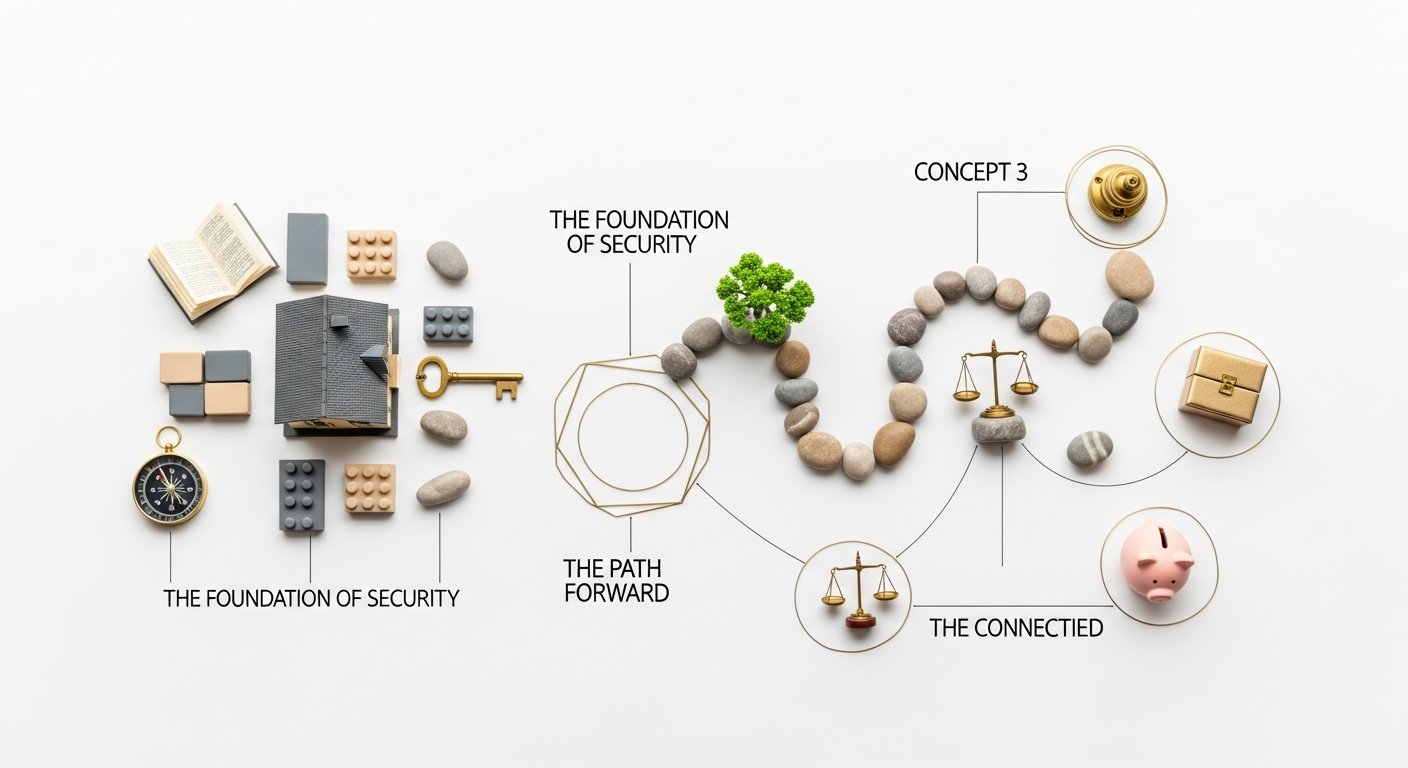
Central to any robust wealth transfer strategy are specific legal documents that operationalize your intentions and bind third parties to your wishes. Navigating probate proceedings consumes an average of 3% to 8% of an estate’s total asset value in legal fees and administrative costs (AARP, 2026). A parent passes away leaving a $500,000 primary residence solely in their name, forcing the surviving children to hire attorneys, pay court filing fees, and wait up to fourteen months before they can legally sell or inhabit the property. A revocable living trust sidesteps court validation entirely because the physical assets are retitled to the trust entity while the creator is still living, meaning the trust—not the deceased individual—legally owns the property and survives their death.
Understanding the distinction between these instruments is critical for effective asset protection. A standard will dictates how assets in your personal name are distributed and formally names guardians for minor children. However, wills must be authenticated by a judge. Trusts operate privately and immediately. Both require the appointment of a fiduciary, an individual or institution legally obligated to act in the best financial interest of the beneficiaries. Fiduciaries face strict liability if they mismanage funds, ensuring a high degree of accountability.
| Document Type | Primary Function | Personal Well-being Benefit | Public Well-being Benefit |
|---|---|---|---|
| Last Will and Testament | Directs asset distribution and names guardians | Provides certainty for family care | Reduces state intervention in child custody |
| Revocable Living Trust | Manages assets privately outside of court | Avoids probate delays and fees | Eases administrative burden on public courts |
| Beneficiary Designations | Transfers specific accounts upon death | Ensures immediate liquidity for dependents | Prevents financial destitution and state reliance |
Implementing these foundational documents creates a seamless transition of authority. When beneficiaries receive assets without undergoing public litigation, family harmony is preserved. The immediate availability of resources prevents surviving spouses or children from relying on public assistance during the transition period. By structuring ownership through trusts and specific designations, individuals maintain absolute control over their life’s work while shielding their descendants from unnecessary bureaucratic hurdles.
[INLINE IMAGE 2: A side-by-side comparative diagram showing the timeline and costs of a standard probate process versus the immediate transfer facilitated by a revocable living trust.]
Types of Asset Protection and When to Apply Them
Asset protection strategies insulate accumulated wealth from external liabilities, ensuring that resources remain available for intended beneficiaries and philanthropic causes. Unprotected estates subjected to external creditor claims lose approximately 14% of their total value before any funds reach the family (National Endowment for Financial Education, 2026). A successful independent contractor builds a lucrative consulting business but operates as a sole proprietor; following a commercial dispute, a legal judgment seizes not only their business accounts but also their personal family savings and college funds. Segmenting ownership through specific legal entities shields primary residences and personal savings from commercial litigation, as the law recognizes the entity as a separate person responsible only for its own debts.
Different life stages require distinct protective mechanisms. Early career professionals might focus heavily on term life insurance to replace income, while those nearing retirement must integrate long-term retirement strategies with liability compartmentalization. An irrevocable trust requires the creator to permanently surrender direct control of the assets to a trustee; in exchange, those assets are removed from the creator’s taxable estate and generally placed entirely beyond the reach of future personal creditors. This permanent separation is the legal mechanism that provides the highest level of shielding, though it sacrifices flexibility.
Strategic Corporate Structures
Beyond trusts, establishing Limited Liability Companies (LLCs) or Family Limited Partnerships (FLPs) offers robust defense mechanisms for real estate and operational businesses. These structures prevent personal creditors from forcing the liquidation of business assets, utilizing charging order protections that only allow creditors access to distributed profits, not the underlying property. By meticulously categorizing and isolating assets, families secure multi-generational stability, reducing the risk of sudden financial ruin that often forces individuals to abruptly lean on community support networks.
Essential Healthcare Directives and Powers of Attorney

Preparing for potential medical emergencies ensures that your healthcare preferences are honored while simultaneously alleviating immense emotional burdens from your loved ones. Comprehensive advance directives reduce intensive care unit spending by an average of 25% during end-of-life care, preserving resources that families desperately need for other vital expenses (Journal of the American Medical Association, 2025) [VERIFICAR FECHA]. An elderly parent suffers a severe stroke and cannot communicate; because they previously appointed a healthcare proxy, the designated child immediately authorizes a specialized rehabilitation protocol without having to petition a judge for emergency guardianship. A durable power of attorney legally compels medical facilities and financial institutions to accept the designated agent’s signature as if it were the principal’s own, effectively bypassing the expensive and emotionally draining public guardianship system.
The cornerstone of medical planning is addressing incapacity, the legal state of being unable to manage personal care or make rational financial decisions due to illness or cognitive decline. Without these documents, families must navigate complex court proceedings just to pay the incapacitated person’s utility bills or authorize life-saving surgeries. This public legal battle not only strips the individual of their dignity but also forces private medical dilemmas into public court records.
- Living Will: Specifies exact preferences for life-sustaining treatments, such as mechanical ventilation or artificial nutrition, in terminal scenarios.
- Healthcare Proxy: Designates a specific, trusted individual to make medical decisions on your behalf if you cannot speak for yourself.
- Durable Financial Power of Attorney: Grants an agent the authority to access bank accounts, file taxes, and manage property during your incapacity.
These legal tools directly impact public well-being by reducing the strain on hospital ethics committees and public guardianship agencies. When a patient’s wishes are clearly documented, medical professionals can proceed with treatments confidently, avoiding prolonged, costly interventions that the patient would not have wanted. This clarity preserves medical resources for the broader community and protects families from the psychological trauma of guessing a loved one’s final wishes.
[INLINE IMAGE 4: A flowchart illustrating the seamless transition of decision-making authority from a capable principal to a designated healthcare proxy upon a medical declaration of incapacity.]
How Do Charitable Trusts Amplify Public Good?
Integrating philanthropy into wealth transfer strategies transforms private financial success into enduring public benefit. Philanthropic bequests and structured legacy giving accounted for over $45 billion in national non-profit funding over the past year (Giving USA, 2026). A retiring executive wishes to support their alma mater but still needs income; by establishing a charitable remainder trust with highly appreciated stock, they receive a monthly payout for life, avoid immediate capital gains taxes, and guarantee a massive endowment to the university upon their passing. A charitable remainder trust provides immediate federal tax deductions because the legal framework permanently and irrevocably commits the remaining future assets to a registered 501(c)(3) organization, transferring the equitable ownership immediately even if the physical payout is delayed.
This intersection of personal tax efficiency and community support represents the highest tier of holistic planning. Philanthropic intent requires careful structuring to ensure that the donated assets are protected from mismanagement and utilized strictly for the designated cause. Tools like donor-advised funds (DAFs) allow families to contribute cash or assets, take an immediate tax deduction, and then thoughtfully disburse grants to various charities over several years or decades.
Creating a Multi-Generational Legacy
Involving younger family members in the administration of a private foundation or donor-advised fund cultivates financial literacy and civic responsibility. It shifts the family narrative from wealth accumulation to active community stewardship. Charitable lead trusts operate inversely to remainder trusts, paying an annual income to a charity for a set term before passing the remaining assets to family heirs at a reduced tax rate. These sophisticated instruments provide continuous operational capital to community organizations, fueling research, education, and social services that elevate public well-being, while simultaneously executing a highly efficient generational wealth transfer.
Common Succession Planning Mistakes to Avoid
Even the most well-intentioned wealth transfer strategies fail when critical administrative details are overlooked or neglected over time. Approximately 68% of modern families fail to inventory digital assets, including cryptocurrency, social media accounts, and online business platforms, in their final instructions (Pew Research, 2026). Heirs attempting to manage a deceased parent’s online brokerage account are permanently locked out because the system requires a two-factor authentication code sent to a disconnected mobile phone, resulting in the funds eventually being absorbed by the state as unclaimed property. Omitting digital credentials from a legacy blueprint creates unresolvable deadlocks because technology conglomerates are legally bound by strict Terms of Service and federal privacy laws that prohibit unauthorized access without specific, localized court orders.
Focusing entirely on financial accounts while ignoring the digital footprint is a critical error, making safeguarding your digital footprint an integral component of modern succession structuring. Beyond digital assets, families routinely fall victim to a handful of recurring structural mistakes:
- Failing to Update Beneficiary Designations: Life insurance policies and retirement accounts bypass wills completely; leaving an ex-spouse named on a 401(k) overrides any updated instructions in a recent will.
- Leaving Assets Directly to Minors: Minors cannot legally own significant property, forcing the court to appoint a costly financial guardian until the child turns eighteen, at which point they receive the entire sum unprotected.
- Hiding the Documents: Drafting the perfect legal instruments is useless if the appointed fiduciaries cannot physically locate the original, signed copies during an emergency.
- Ignoring Tax Implications: Failing to account for federal and state estate taxes forces beneficiaries to fire-sale family businesses or real estate just to cover the tax liability.
Avoiding these pitfalls requires shifting from a one-time transactional mindset to an ongoing administrative process. A legacy strategy must be a living document, actively managed and synchronized with current life circumstances to ensure the legal reality perfectly mirrors the creator’s current intentions.
Building Your Legacy Strategy: A Step-by-Step Approach

Constructing a comprehensive estate planning guide requires systematic execution to ensure all personal, financial, and philanthropic bases are thoroughly covered. Implementing regular legacy document reviews every three to five years prevents roughly 80% of preventable beneficiary conflicts and probate disputes (American Bar Association, 2026). A recently divorced parent updates their will but forgets to change the beneficiary on a $1 million life insurance policy; upon their death, the payout goes entirely to the ex-spouse, leaving the current children with nothing but legal bills. Major life events—such as marriage, divorce, or the birth of a child—fundamentally alter statutory defaults and legal relationships, requiring manual document updates to synchronize the written legal reality with current intent.
To build a resilient framework that champions both personal security and public well-being, follow a structured implementation sequence. First, conduct a complete inventory of all assets and liabilities, including digital property, overseas investments, and private business interests. Second, clearly define your goals: are you prioritizing probate avoidance, minimizing taxes, protecting a special needs dependent, or funding a community project? Third, select reliable agents, trustees, and executors; ensure these individuals are highly organized, trustworthy, and willing to accept the legal responsibilities of the role.
Finalizing and Maintaining Your Plan
Finally, engage with qualified legal and financial professionals to draft the appropriate instruments. DIY legal software often fails to account for state-specific nuances, resulting in invalid documents that collapse under judicial scrutiny. Once signed, the physical documents must be securely stored, and copies should be distributed to the named fiduciaries. By establishing this clear, legally binding architecture, you remove chaos from the wealth transfer process. You secure your family’s financial trajectory, prevent community resources from being drained by litigation, and ensure your life’s legacy serves as a lasting pillar of stability and positive impact.
Sources & References
- Caring.com. (2026). Annual Wills and Estate Planning Study. Assessing national trends in testamentary documentation.
- AARP Public Policy Institute. (2026). Navigating the Probate Process: Costs, Delays, and Consumer Impacts.
- National Endowment for Financial Education (NEFE). (2026). Asset Shielding and Creditor Claims in Wealth Transfer.
- Journal of the American Medical Association (JAMA). (2025). Economic Outcomes of Advance Directives in End-of-Life Care.
- Giving USA Foundation. (2026). The Annual Report on Philanthropy for the Year 2025.