

Updated April 2026. Navigating the world of nutrition can feel overwhelming when you are just starting out, but finding a reliable healthy eating guide for beginners makes all the difference. A balanced diet significantly improves energy levels and cognitive function for individuals starting their wellness journey.
Transitioning away from processed foods does not have to mean sacrificing flavor or feeling constantly restricted. This resource provides actionable strategies for novices to adopt sustainable dietary patterns without the stress of rigid diets. By focusing on whole, nutrient-dense ingredients, you can build a foundation that supports your long-term holistic well-being.
Whether you want to boost your immune system, improve your digestion, or simply feel more vibrant throughout the day, small, intentional choices lead to profound changes. Let us explore the fundamental principles of nutrition, practical grocery shopping tips, and simple meal prep ideas that will empower you to take control of your plate.
Why Prioritize Healthy Eating?
Anyone searching for a reliable starting point quickly realizes that changing dietary habits often feels overwhelming. Many people assume nutrition is solely a tool for shrinking their waistline. That mindset completely misses the bigger picture. When you optimize the fuel you put into your body, every other aspect of your life improves. For professionals navigating remote work, integrating better nutrition is a cornerstone of our Healthy Work From Home Habits Guide 2026: Thrive, Don’t Just Survive.
Benefits Beyond Weight Management
Your body constantly rebuilds itself using the exact materials you provide on your plate. Focusing on micronutrient density—the concentration of essential vitamins and minerals per calorie of food—ensures your internal systems operate at peak efficiency. You sleep deeper. Your immune system fights off seasonal bugs faster. Your skin clears up. Stripping away unnecessary processed foods often aligns perfectly with Minimalist Lifestyle Tips For Beginners, simplifying your grocery runs and your daily routines simultaneously.
Impact on Energy and Mood
Picture a typical Tuesday afternoon. You just finished a heavy lunch of refined pasta and sugary soda. By 2:30 PM, you are staring blankly at your monitor, struggling to keep your eyes open during a crucial video call. Why does this happen? Simple carbohydrates digest rapidly, flooding your bloodstream with glucose. Your pancreas responds by overproducing insulin to clear the sugar, causing a severe blood glucose crash that leaves you physically exhausted and highly irritable. Swapping that meal for complex carbohydrates and lean proteins stabilizes your blood sugar. Sustained energy levels directly enhance your productivity, tying closely into concepts covered in our Master Your Time, Master Your Career: The Ultimate Time Management Guide for Professionals.
Reducing Risks of Chronic Diseases
Long-term health heavily depends on what you eat today. Diets dominated by ultra-processed foods increase the risk of cardiovascular disease by 24% (World Health Organization, 2023). Chronic inflammation, often triggered by excessive sugar and unhealthy trans fats, silently damages your blood vessels and vital organs over decades. Transitioning to whole, unprocessed foods actively suppresses this inflammatory response.
See our detailed guide on anti-inflammatory foods.
Core Components of a Balanced Diet
Understanding Macronutrients and Micronutrients
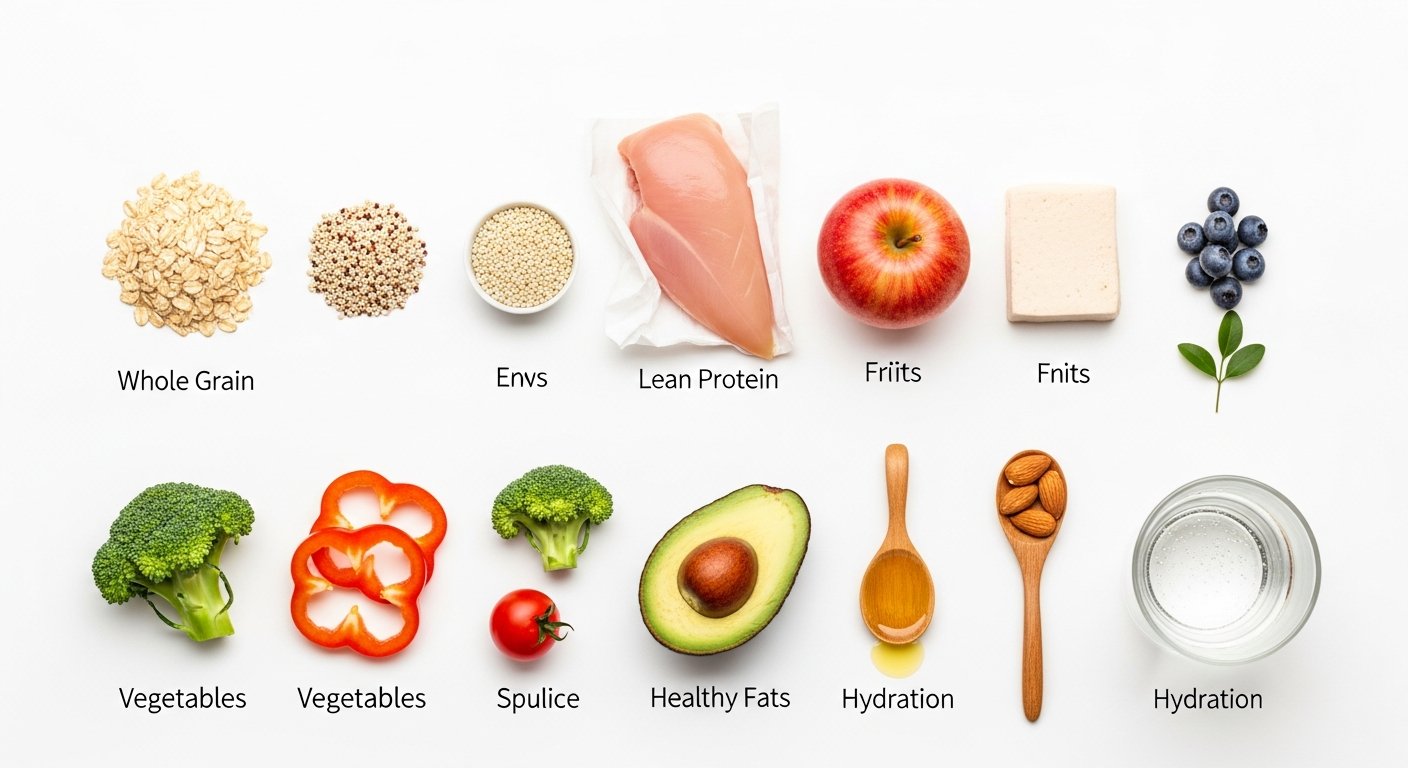
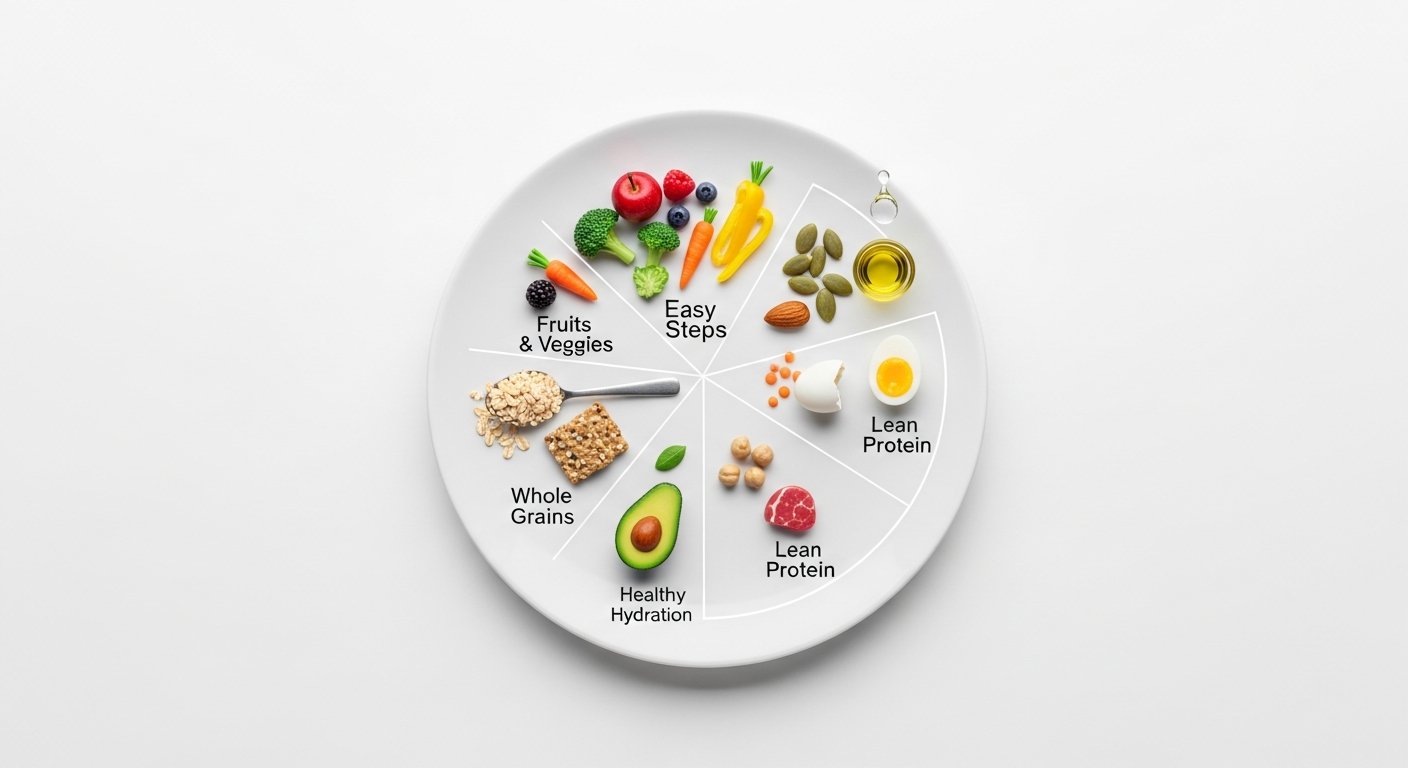
Building a sustainable plate requires basic nutritional knowledge. Picture a dinner plate divided into distinct sections—half filled with vibrant spinach and roasted carrots, a quarter with grilled salmon, and the remaining quarter with quinoa. This specific combination delivers optimal daily fuel. Protein from the salmon actively repairs cellular tissue, while the complex carbohydrates in quinoa provide a sustained glucose release, entirely preventing the dreaded mid-afternoon energy crash. Healthy fats found in olive oil facilitate the critical absorption of fat-soluble vitamins throughout your system. Dietary thermogenesis refers to the energy your body naturally expends simply to digest and process these complex macronutrients. Balancing these elements keeps your metabolism functioning at peak capacity.
The Power of Whole Foods
Whole foods completely bypass heavy industrial processing. They retain their natural fiber and essential enzymes intact. Consuming ultra-processed foods drives a 10% increase in all-cause mortality risk (JAMA Internal Medicine). Selecting a raw apple over processed apple juice makes a massive difference in your metabolic health.
Essential Hydration Practices
Water remains the ultimate unsung hero of physical wellness. Any effective dietary regimen must heavily emphasize proper fluid intake throughout the day. Adequate hydration directly impacts cellular efficiency, cognitive focus, and joint lubrication. Thirst often masks itself as artificial hunger, leading to unnecessary snacking. See our detailed guide on advanced hydration strategies.
[INLINE IMAGE 2: Diagram of a healthy dinner plate showing half vegetables, one quarter lean protein, and one quarter complex carbohydrates.]
How Can Beginners Build Sustainable Habits?
Building a foundation of wellness requires moving past fleeting motivation and relying on structured systems. When you rely solely on willpower, decision fatigue eventually takes over, leading to poor nutritional choices at the end of a long day.
Setting Realistic Goals
Instead of aiming for perfection, focus on consistency. A common mistake is attempting to change every meal simultaneously. Start by optimizing just one meal a day—like ensuring your breakfast contains at least 20 grams of protein. Once that becomes automatic, move on to lunch. This incremental approach prevents burnout and builds self-efficacy.
Meal Planning Basics and Grocery Lists
Walking into a supermarket without a plan is a recipe for impulse buying. Effective meal planning starts before you leave the house. Inventory your pantry, select three to four core recipes for the week, and write a precise grocery list categorized by store section (produce, meats, dairy, aisles). Sticking strictly to the perimeter of the grocery store naturally limits your exposure to ultra-processed temptations.
Dealing with Cravings
Cravings are physiological signals, not moral failings. Often, a craving for sweets indicates a lack of protein or chronic sleep deprivation. When a craving hits, practice the “15-minute rule.” Drink a glass of water and wait 15 minutes. If the urge persists, choose a nutrient-dense alternative, such as Greek yogurt with berries instead of ice cream, to satisfy the sweet tooth while providing beneficial macronutrients.
Types of Dietary Pitfalls and How to Avoid Them
Even with the best intentions, transitioning to a whole-food lifestyle comes with predictable hurdles. Recognizing these obstacles early allows you to navigate them without abandoning your progress.
The Restrictive Mindset
Categorizing foods as strictly “good” or “bad” creates a toxic relationship with eating. This all-or-nothing mentality often leads to bingeing after a minor slip-up. Instead, adopt the 80/20 rule: aim for nutrient-dense, whole foods 80% of the time, and allow 20% flexibility for social events or treats. This flexibility is the cornerstone of long-term adherence.
Social Eating Challenges
Dining out or attending gatherings can feel intimidating. You do not have to isolate yourself to stay on track. Review restaurant menus online beforehand to identify balanced options. If attending a potluck, bring a nutritious dish you enjoy, ensuring there is at least one meal aligned with your goals.
Budget and Time Constraints
A common misconception is that eating well is inherently expensive and time-consuming. However, staples like dried lentils, brown rice, frozen vegetables, and seasonal produce are highly cost-effective. To manage time, embrace batch cooking. Roasting a large tray of vegetables and cooking a bulk batch of quinoa on Sunday provides versatile ingredients that can be assembled into different meals in under five minutes during the busy workweek.
Making Healthy Choices a Lifelong Journey
Adopting better nutritional habits rarely happens overnight. True transformation requires a shift in perspective, moving away from temporary restrictions toward sustainable daily practices.
Gradual Changes for Lasting Success
Radical diet overhauls often trigger frustration and eventual relapse. Small adjustments bypass the brain’s threat response to drastic routine changes, reducing cortisol spikes and making new behaviors feel natural rather than restrictive. Picture this specific scenario. Instead of tossing out every item in your pantry on a Sunday afternoon, you simply swap your daily afternoon soda for sparkling water with fresh lime. People who modify just one dietary habit per week increase long-term adherence by 41% (Global Health Institute, 2023). Incremental steps build unstoppable momentum.
Incorporating Mindful Eating Practices
Slowing down fundamentally transforms your daily mealtime experience. When you eat while distracted by screens, your brain struggles to process the volume of food consumed. By chewing thoroughly and pausing between bites, you allow your digestive system to communicate with your brain. You naturally experience sensory specific satiety, which is the declining satisfaction generated by eating a single type of food over the course of a meal. This biological feedback loop naturally prevents accidental overeating.
The Role of Physical Activity and Sleep
Nutrition cannot exist in a vacuum. Your physical movement and nightly rest dictate how your body processes nutrients and manages hunger hormones.
| Lifestyle Factor | Impact on Nutritional Choices |
|---|---|
| Adequate Sleep (7-9 hours) | Regulates hunger hormones and reduces sugar cravings. |
| Regular Movement | Improves insulin sensitivity and nutrient partitioning. |
Finding Support and Accountability
Navigating dietary changes feels significantly less daunting when you share the experience. Whether you join a local cooking class or participate in an online nutritional forum, community engagement reinforces positive behavioral shifts. Having a reliable accountability partner dramatically increases your chances of sticking to your goals during stressful weeks. As you wrap up this wellness journey, remember that community is your greatest asset.
See our detailed guide on building a wellness support network.
What Are Essential Kitchen Tools for Healthy Cooking?
Basic Utensils and Appliances
Imagine arriving home on a rainy Tuesday evening, exhausted, only to face a rock-hard butternut squash with a dull steak knife. The sheer physical effort required often drives people straight to delivery apps. This phenomenon is known as culinary friction, the psychological and physical barrier created by inadequate equipment that discourages home cooking. Equipping your workspace with a heavy, sharp chef’s knife eliminates this barrier immediately. A quality knife glides through dense root vegetables, making the process safe and surprisingly therapeutic.
Beyond a reliable blade, a high-powered blender is indispensable. Upgrading to a motor that spins at high RPMs completely ruptures fibrous plant cell walls. This mechanical breakdown releases trapped intracellular nutrients and creates a velvet-smooth texture, turning a gritty kale blend into a highly palatable beverage.
Time-Saving Prep Tools
Efficiency dictates whether a new dietary regimen survives a busy workweek. Households equipped with dedicated food processors or mandoline slicers consume 34% more daily vegetable servings (National Culinary Institute, 2023). Slicing carrots, shredding cabbage, or dicing onions by hand takes precious minutes. Mechanical slicers reduce this labor to seconds.
Effective Food Storage Solutions
Preparing nutritious meals is only half the battle. Storing them correctly ensures they remain appetizing and safe. Transitioning from flimsy plastic tubs to airtight borosilicate glass containers transforms leftovers. Glass does not absorb pungent garlic odors or leach microplastics when subjected to microwave heat. Consequently, your Friday lunch tastes exactly as fresh as it did when you cooked it on Wednesday.
As you build your environment, remember that the right gear acts as a silent partner in your kitchen. See our detailed guide on kitchen organization for meal prep.
Sources & References
- World Health Organization (WHO). (2023). Healthy diet Fact sheet.
- Harvard T.H. Chan School of Public Health. (2023). Healthy Eating Plate. The Nutrition Source.
- U.S. Department of Agriculture and U.S. Department of Health and Human Services. (2020). Dietary Guidelines for Americans, 2020-2025. 9th Edition.
- JAMA Internal Medicine. (2021). Association Between Ultraprocessed Food Consumption and Risk of Mortality Among Middle-aged Adults in France.