How to Check and Improve Your Credit Report: A Step-by-Step Guide
Why Your Credit Report Matters More Than You Think
A pristine credit report isn’t merely a badge of honor; it’s a tangible asset that can save you thousands of dollars and unlock opportunities. Lenders, landlords, insurers, and even some employers use your credit report to assess your trustworthiness and financial responsibility. Understanding its profound impact is the first step towards taking it seriously.
- Loan Approvals and Interest Rates: Whether it’s a mortgage, a car loan, a personal loan, or even a credit card, your credit report dictates whether you’re approved and, crucially, what interest rate you’ll pay. A strong report signals low risk to lenders, often resulting in lower interest rates, saving you significant money over the life of the loan. For example, a difference of just one percentage point on a $300,000 30-year mortgage could translate to tens of thousands of dollars saved in interest payments over the loan term. Learn more about different types of loans and how they impact your finances.
- Housing Applications: Landlords frequently pull credit reports to gauge a prospective tenant’s ability to pay rent on time. A history of missed payments or high debt can lead to application rejections or demands for higher security deposits.
- Insurance Premiums: In many states, insurance companies use credit-based insurance scores to help determine your premiums for auto and home insurance. Studies have shown a correlation between credit history and the likelihood of filing a claim, meaning a better credit report can often lead to lower premiums.
- Utility Services: Setting up new utility accounts (electricity, gas, water, internet) often involves a credit check. A poor credit history might require you to pay a security deposit, sometimes hundreds of dollars, to get services connected.
- Employment Opportunities: While less common, some employers, particularly in financial or security-sensitive roles, may review your credit report as part of their background check. They’re looking for signs of financial responsibility and integrity.
It’s vital to differentiate between a credit report and a credit score. Your credit report is the detailed history of your credit accounts, payment behavior, and public records. Your credit score (like FICO or VantageScore) is a three-digit number derived from the information in your credit report, offering a snapshot of your creditworthiness at a specific moment. While scores are important, the underlying report is the foundation. Without understanding and verifying the report, improving the credit score becomes a guessing game.
Your Right to Access: How to Obtain Your Credit Reports
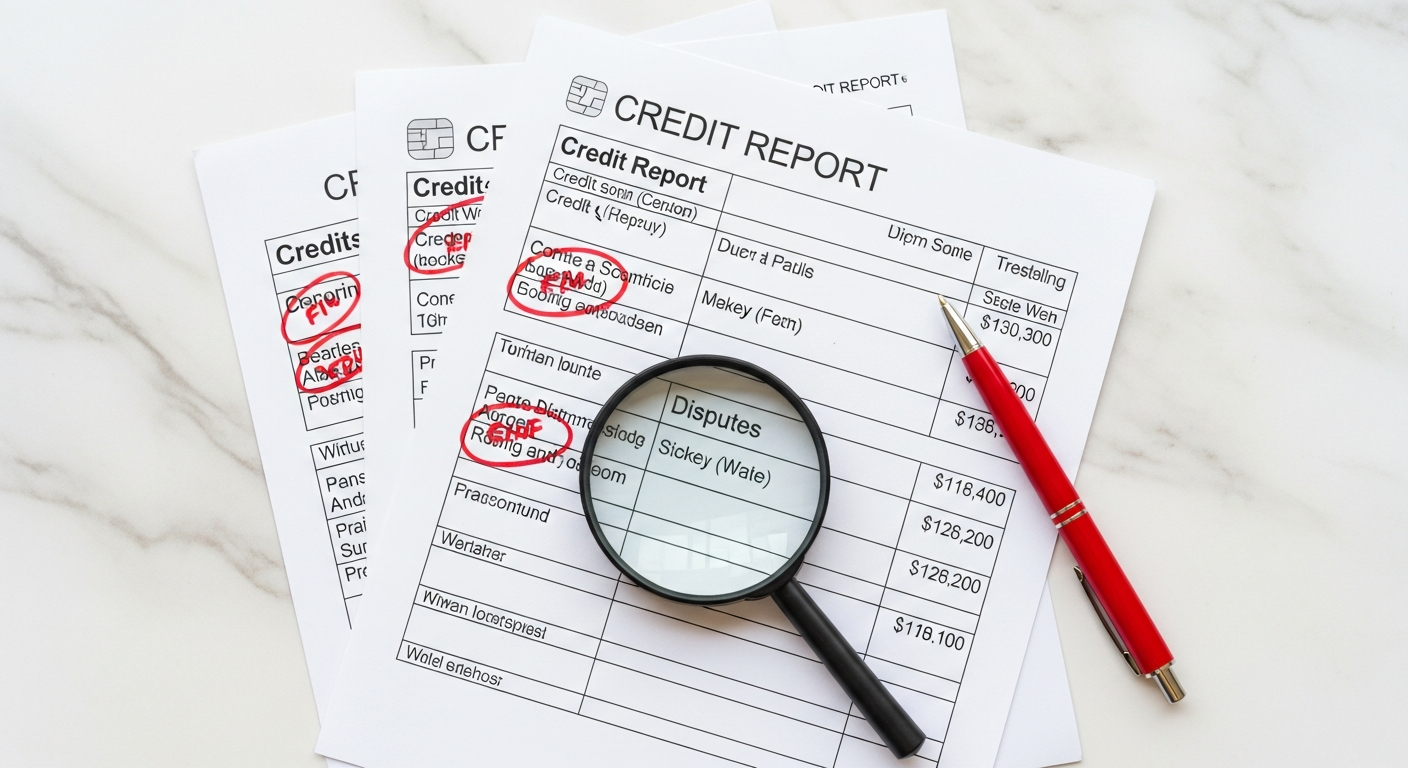
The law grants you the right to access your credit reports, free of charge, from each of the three major credit bureaus. This right is a cornerstone of consumer financial protection, designed to help you ensure accuracy and protect against fraud. Exercising this right is the absolute first step in your journey to check and improve your credit report.
The Official Source: AnnualCreditReport.com
The only truly free, federally mandated source for your credit reports is AnnualCreditReport.com. This website is jointly run by the three major credit reporting agencies: Equifax, Experian, and TransUnion. Do not be fooled by other websites that claim to offer “free” reports but may enroll you in paid services or expose you to identity theft risks.
- Visit the Website: Go directly to AnnualCreditReport.com.
- Request Your Free Reports: Click the button to request your free annual credit reports.
- Select the Bureaus: You can choose to request one, two, or all three reports (Equifax, Experian, and TransUnion) at once. You are entitled to one free report from each bureau every 12 months.
- Verify Your Identity: The website will ask you a series of personal questions to verify your identity. These questions are often based on information only you would know, such as past addresses, specific loan amounts, or former creditors. Be prepared to answer accurately.
- Review and Download: Once verified, you can view and download your reports immediately. It’s highly recommended to save a copy of each report for your records.
Strategy for Accessing Your Reports
While you can pull all three reports at once, a savvy strategy is to space them out. For example, you could request your Experian report in January, your Equifax report in May, and your TransUnion report in September. This allows you to monitor your credit activity more frequently throughout the year, identifying potential issues sooner. However, if you suspect identity theft or are about to make a large purchase (like a home), it’s best to pull all three simultaneously for a comprehensive view.
Other Sources of Credit Information
Many credit card companies, banks, and personal finance apps (e.g., Credit Karma, Credit Sesame) offer free credit scores and summary reports. While these can be helpful for general monitoring, they typically do not provide the full, detailed credit report that AnnualCreditReport.com offers. Always refer to the official reports when you need to check and improve your credit report with precision.
What if You Can’t Access Your Report Online?
If you encounter issues verifying your identity online, you have other options:
- By Phone: Call 1-877-322-8228.
- By Mail: Print out the Annual Credit Report Request Form from the website and mail it to:
Annual Credit Report Request Service
P.O. Box 105281
Atlanta, GA 30348-5281
Be prepared for a longer wait time if requesting by mail.
Deciphering Your Credit Report: What to Look For
Once you have your credit reports in hand, the real work of scrutiny begins. Your credit report can be a lengthy document, but understanding its key sections will help you quickly identify potential errors or areas for improvement. Take your time, go through each section meticulously, and cross-reference information across all three reports, as they may contain slightly different data.
Key Sections to Examine
-
Personal Information:
- What to Check: Your full name, current and previous addresses, Social Security Number, date of birth, and employment information.
- Why it Matters: Incorrect personal data, especially addresses or SSNs, could indicate mixed files (information from another person incorrectly appearing on your report) or identity theft. Ensure all information is accurate and up-to-date.
-
Credit Accounts (Tradelines):
This is the heart of your credit report, detailing every credit account you’ve ever had.
- What to Check:
- Account Names and Numbers: Are these accounts truly yours? Do you recognize all creditors?
- Account Type: Revolving (credit cards), Installment (mortgages, auto loans, student loans), or Open (charge cards).
- Date Opened/Closed: Ensure these dates are correct. Older accounts with good history are beneficial.
- Credit Limit/Original Loan Amount: Verify these figures are accurate.
- Current Balance: This should reflect your most recent statements.
- Payment Status/Payment History: This is CRITICAL. Look for any late payments, missed payments, or charge-offs that you believe are incorrect. Each account should show a detailed history of on-time payments. A single 30-day late payment can significantly impact your score.
- Account Status: Open, Closed (paid as agreed), Closed (charged off), Paid (collection).
- Why it Matters: Errors here are common and can severely damage your credit. An incorrectly reported late payment, an account you never opened, or an inaccurate balance can drag down your score and raise red flags for lenders.
- What to Check:
-
Public Records:
- What to Check: Bankruptcies, foreclosures, tax liens, and civil judgments. (Note: Due to recent changes, many civil judgments and tax liens no longer appear on credit reports unless related to specific federal debt.)
- Why it Matters: These are serious negative marks that remain on your report for several years (e.g., bankruptcies for 7-10 years). Verify their accuracy and ensure old records have been removed if their reporting period has expired.
-
Collection Accounts:
- What to Check: Any debts that have been sent to a third-party collection agency.
- Why it Matters: Collection accounts are highly detrimental to your credit. Ensure any listed collections are legitimate, the amounts are correct, and the date of the “original delinquency” is accurate, as this dictates how long it can remain on your report (typically 7 years).
-
Inquiries:
- What to Check: A list of everyone who has accessed your credit report. There are two types:
- Hard Inquiries: Result from applying for new credit (e.g., mortgage, car loan, new credit card). Each hard inquiry can slightly lower your score for a short period (usually 1-2 years).
- Soft Inquiries: Occur when you check your own credit, or when a lender pre-screens you for an offer. Soft inquiries do not affect your credit score.
- Why it Matters: You should recognize all hard inquiries. An inquiry you don’t recognize could be a sign of identity theft, where someone applied for credit in your name.
- What to Check: A list of everyone who has accessed your credit report. There are two types:
Actionable Tip: Create a Checklist. As you review each report, use a checklist to systematically go through every item. Highlight or circle anything that looks incorrect, unfamiliar, or suspicious. Compare the information across all three reports to see if an error appears on one, two, or all three.
Correcting Errors: The Dispute Process
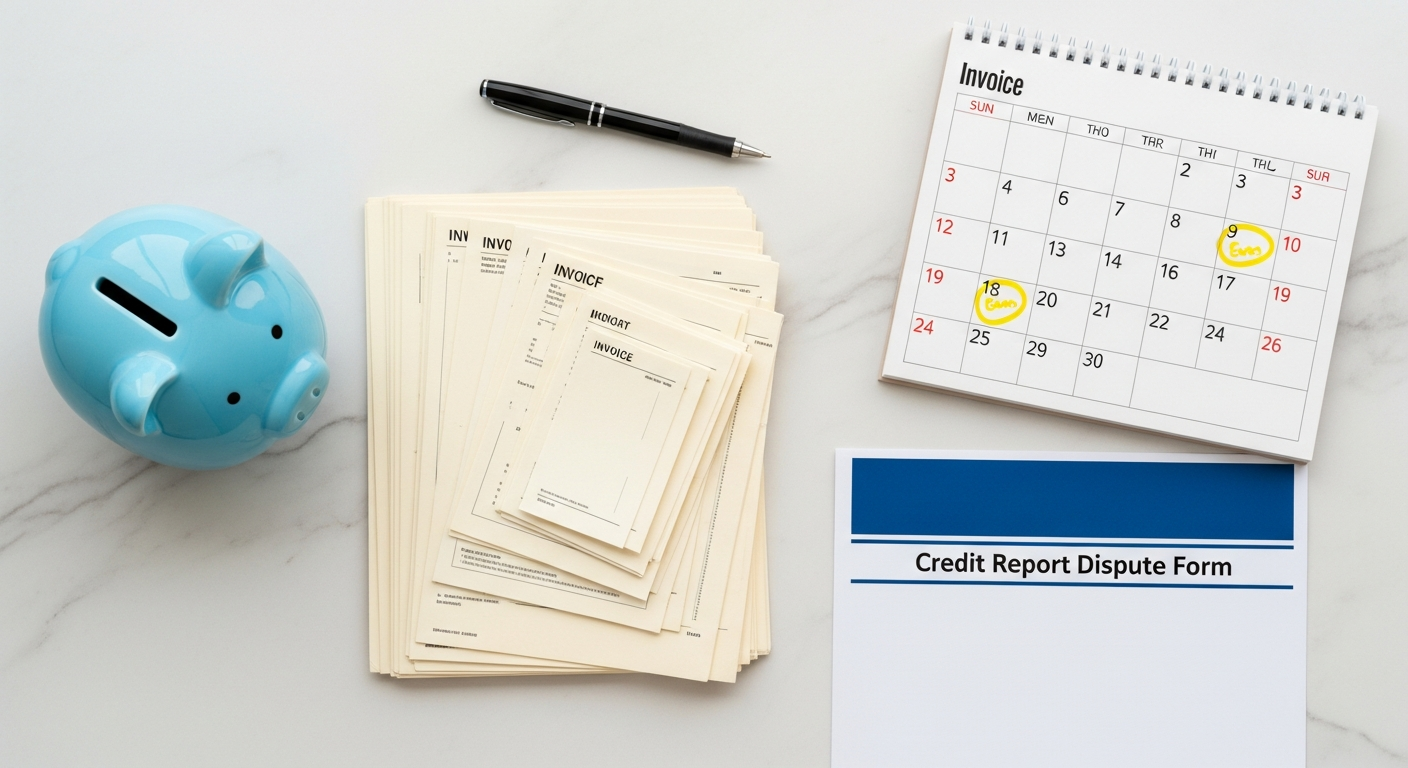
Finding an error on your credit report can be frustrating, but it’s a fixable problem. The Fair Credit Reporting Act (FCRA) gives you the right to dispute inaccurate information with both the credit bureaus and the creditor that reported the information. This is a critical step to check and improve your credit report effectively.
Step-by-Step Dispute Process
- Gather Your Evidence:
Before initiating a dispute, collect all supporting documentation. This might include:
- Bank statements showing on-time payments.
- Canceled checks.
- Letters from creditors acknowledging payment or debt resolution.
- Court documents (if disputing public records).
- Identification documents to prove your identity.
- Copies of the credit report highlighting the specific error.
- Contact the Credit Bureau:
You can dispute errors with the credit bureaus online, by mail, or by phone. Online is often the quickest method.
- Online Dispute Portals:
- Experian: experian.com/disputes
- Equifax: equifax.com/personal/credit-report-services/credit-dispute/
- TransUnion: transunion.com/credit-disputes/dispute-your-credit
- By Mail: Send a letter clearly explaining the error, along with copies (not originals) of your supporting documents, to the bureau’s dispute department. Use certified mail with a return receipt requested to prove they received your dispute.
- Equifax: Equifax Information Services LLC, P.O. Box 740256, Atlanta, GA 30374-0256
- Experian: Experian, P.O. Box 4500, Allen, TX 75013
- TransUnion: TransUnion LLC, Consumer Dispute Center, P.O. Box 2000, Chester, PA 19016
- By Phone: While possible, it’s often better to have a written record, which online or mail disputes provide.
Clearly state the specific item you are disputing, why it is incorrect, and what you want done (e.g., remove, correct). Include your name, address, and any account numbers relevant to the dispute.
- Online Dispute Portals:
- Contact the Creditor (Optional but Recommended):
Simultaneously, it’s a good idea to contact the creditor (also known as the “furnisher” of the information) directly. They are often quicker to correct errors, and if they agree the information is wrong, they will notify all three credit bureaus.
Real-world Example: Imagine you paid a medical bill that was incorrectly sent to collections. You’d dispute it with the credit bureaus, but also send a letter to the collection agency (or the original medical provider) with proof of payment, requesting they retract the collection entry from your credit reports.
- Wait for the Investigation:
By law, credit bureaus generally have 30 days (or 45 days if you provided additional information during the 30-day period) to investigate your dispute. They must forward your information to the furnisher, who then investigates and reports back to the bureau.
- Review the Results:
After the investigation, the bureau will send you the results in writing. If the information is found to be inaccurate, incomplete, or unverifiable, it must be corrected or removed from your report. Request a free updated copy of your report to ensure the changes have been made.
What if Your Dispute is Denied?
If the credit bureau verifies the information and denies your dispute, you still have options:
- Add a Statement: You have the right to add a brief statement (100 words or less) to your credit report, explaining your side of the story regarding the disputed item.
- Contact the CFPB: You can file a complaint with the Consumer Financial Protection Bureau (CFPB). They can mediate disputes between consumers and financial companies, including credit bureaus.
- Legal Counsel: For persistent or complex disputes, you might consider consulting a consumer law attorney.
Actionable Tip: Keep Meticulous Records. Create a folder for all your dispute-related documents: copies of letters sent, return receipts, notes from phone calls (date, time, person spoken to), and copies of documents submitted as evidence. This paper trail is invaluable if the dispute becomes protracted or requires further action.
Strategic Ways to Improve Your Credit Report and Score
Once you’ve ensured your credit report is accurate, the next phase is actively working to improve it. Building strong credit is a marathon, not a sprint, but consistent effort yields significant rewards. The FICO credit scoring model, widely used by lenders, weighs different factors, offering a roadmap for your improvement strategy.
1. Payment History (Approximately 35% of Your FICO Score)
This is the single most important factor. Lenders want to see that you pay your bills on time, every time.
- Pay Bills On Time: Make all payments by their due date. Even a single 30-day late payment can severely damage your score.
- Set Up Reminders or Auto-Pay: Utilize calendar alerts, banking app notifications, or automatic payments to ensure you never miss a due date. For more comprehensive financial management, explore our budgeting tips.
- Address Past Due Accounts: If you have an account that is 30, 60, or 90+ days past due, pay it as soon as possible. While the late mark will remain, bringing the account current stops further damage and prevents it from going to collections.
- Consider a “Pay for Delete” (for collections): If you have an account in collections, you might be able to negotiate with the collection agency to remove the negative entry from your credit report in exchange for payment. Get any such agreement in writing before paying. This isn’t guaranteed and not all agencies agree.
2. Credit Utilization (Approximately 30% of Your FICO Score)
This refers to how much of your available credit you’re using. A high utilization ratio suggests you might be over-reliant on credit and are a higher risk.
- Keep Balances Low: Aim to keep your credit card balances below 30% of your credit limit. For example, if you have a card with a $5,000 limit, try to keep your balance below $1,500. Lower is always better; ideally, aim for under 10% for the best scores.
- Pay Down Revolving Debt: Focus on paying down credit card balances. These are typically the most impactful on your utilization.
- Don’t Close Old, Paid-Off Cards: Even if you don’t use them, keeping old credit cards open, especially those with no annual fees, increases your overall available credit and thus lowers your utilization ratio.
- Make Multiple Payments: If you use your credit card heavily, consider making payments throughout the month instead of just once at the end of the billing cycle. This keeps your reported balance (which is usually what gets reported to the bureaus) lower.
3. Length of Credit History (Approximately 15% of Your FICO Score)
Lenders prefer to see a long history of responsible credit use. The longer your accounts have been open and in good standing, the better.
- Keep Old Accounts Open: Resist the temptation to close your oldest credit cards, even if you rarely use them. These accounts contribute to your average age of credit.
- Start Early: The sooner you begin building credit responsibly, the longer your history will become.
4. Credit Mix (Approximately 10% of Your FICO Score)
Having a healthy mix of different types of credit (e.g., revolving credit like credit cards and installment loans like mortgages, auto loans, or student loans) can positively influence your score.
- Diversify (Naturally): Don’t open accounts you don’t need just to diversify. As your financial needs evolve (e.g., buying a car, taking out a student loan), your credit mix will naturally broaden.
5. New Credit (Approximately 10% of Your FICO Score)
Opening too many new credit accounts in a short period can signal higher risk.
- Space Out Applications: Each application for new credit results in a “hard inquiry,” which can temporarily ding your score. Apply for new credit only when necessary and space out your applications.
- Avoid Unnecessary Applications: Resist store credit card offers or other quick credit opportunities if you don’t genuinely need them.
Additional Strategies to Bolster Your Credit
- Become an Authorized User: If a trusted family member (e.g., a parent) with excellent credit adds you as an authorized user to one of their credit card accounts, their positive payment history and low utilization can appear on your credit report, potentially boosting your score. Ensure their account is truly in good standing, as their missteps could also affect you.
- Secured Credit Cards: For those with little to no credit or a poor credit history, a secured credit card is an excellent tool. You provide a deposit (which becomes your credit limit), and the card functions like a regular credit card. Making on-time payments builds a positive history.
- Credit Builder Loans: These specialized loans are designed to help you build credit. The loan amount is typically held in a savings account while you make regular payments. Once paid off, you receive the funds, and the payments are reported to the credit bureaus.
- Rent Reporting Services: Services like Rent Reporters or LevelCredit can report your on-time rent payments to the credit bureaus, helping you build credit history with an expense you already pay.
Actionable Tip: Prioritize the Big Two. If you’re overwhelmed, focus primarily on consistently paying all your bills on time and keeping your credit card balances as low as possible. These two factors alone account for 65% of your FICO score and offer the most significant leverage to improve your credit report and score.
Monitoring Your Credit: Staying Proactive
Checking and improving your credit report is not a one-time event; it’s an ongoing process. Regular credit monitoring is crucial for maintaining a healthy credit profile, detecting identity theft, and ensuring that your efforts to build positive credit are reflected accurately.
Why Continuous Monitoring is Essential
- Early Fraud Detection: Catching unauthorized accounts or inquiries quickly can save you from significant financial headaches and identity theft.
- Error Identification: Even after disputing errors, new inaccuracies can appear. Regular checks help you spot them promptly.
- Tracking Progress: Monitoring allows you to see the impact of your positive credit behaviors and adjust your strategies as needed.
- Peace of Mind: Knowing the status of your credit gives you confidence in your financial standing.
Tools and Strategies for Monitoring
- Leverage AnnualCreditReport.com Strategically: As mentioned, you’re entitled to a free report from each bureau every 12 months. Consider pulling one report every four months from a different bureau (e.g., Experian in January, Equifax in May, TransUnion in September). This way, you get a free look at your credit activity three times a year.
- Free Credit Monitoring Services: Many reputable companies offer free credit monitoring, which often includes alerts for significant changes on your report and access to your credit score.
- Credit Karma: Provides free TransUnion and Equifax credit scores and reports, plus alerts.
- Credit Sesame: Offers a free TransUnion credit score and monitoring.
- Credit Card Companies: Many major credit card issuers (e.g., Chase, Capital One, Discover, Citi) now provide free access to your FICO Score or VantageScore, along with some credit monitoring tools, directly through your online account.
- Banks and Financial Institutions: Similar to credit card companies, some banks offer free credit score access and monitoring.
While these services are valuable for daily oversight and alerts, remember they may not provide the full, official credit reports you get from AnnualCreditReport.com. They are excellent complements to your annual full report review.
- Paid Credit Monitoring Services: For a fee, services like Experian IdentityWorks, Equifax Complete, or LifeLock offer more robust monitoring across all three bureaus, identity theft protection, and insurance. These can be valuable for individuals highly concerned about identity theft or those who prefer a hands-off approach to comprehensive monitoring.
- Set Up Alerts Directly: Some credit bureaus allow you to set up free fraud alerts or even credit freezes if you’ve been a victim of identity theft or want to prevent new accounts from being opened in your name.
Actionable Tip: Make It a Habit. Just as you balance your checkbook or review your bank statements, dedicate time monthly or quarterly to check your free credit scores and review any alerts. Then, make a conscious effort to pull your full credit reports from AnnualCreditReport.com at least once a year, rotating bureaus or pulling all three as needed. Proactive monitoring transforms credit management from a reactive chore into a regular, empowering financial habit.
Conclusion
Your credit report is a cornerstone of your financial life, influencing everything from the interest rates you pay to the housing opportunities available to you. Understanding how to check and improve your credit report is not just a recommendation; it’s a fundamental skill for financial empowerment and security. By proactively monitoring your reports, diligently disputing errors, and consistently practicing sound financial habits – like paying bills on time and keeping credit utilization low – you lay the groundwork for a robust credit profile.
The journey to excellent credit is an ongoing one, demanding patience, vigilance, and commitment. But the rewards, measured in lower interest rates, easier approvals, and enhanced financial freedom, are undeniably worth the effort. Don’t let your credit report be a mystery; take the reins today. Your next clear step is to visit AnnualCreditReport.com, pull your free credit reports, and begin the process of reviewing and understanding your financial footprint. Start building your stronger financial future now.
Frequently Asked Questions