
Master Your Money: The Practical Guide to Creating a Spending Plan That Really Works
Let’s be honest: the word “budget” often conjures images of deprivation, strict rules, and endless spreadsheets. It feels like a financial straitjacket, telling you what you can’t do. But what if we told you there’s a better way? A way to gain control, reduce stress, and actually achieve your financial dreams without feeling like you’re constantly saying “no” to yourself? Welcome to the world of the spending plan. This isn’t about restriction; it’s about clarity, freedom, and empowering you to make intentional choices with your hard-earned money. If you’re ready to transform your financial life and build a roadmap to your goals, you’re in the right place. Let’s ditch the guilt and embrace a practical, encouraging approach to managing your money.
Why You Need a Spending Plan (It’s More Than Just Budgeting)
Think of a spending plan not as a leash, but as a GPS for your money. You tell it where you want to go (your financial goals), and it helps you navigate the best route, avoiding unnecessary detours and roadblocks. Without one, your money often just… disappears. You might wonder where your paycheck went halfway through the month, or why you’re not making progress on that dream vacation or debt payoff.
Here’s what a well-crafted spending plan truly offers:
- Clarity: You’ll finally understand where every dollar goes. No more guessing games or financial mysteries.
- Control: Instead of money controlling you, you control your money. You decide its purpose, rather than letting impulse or habit dictate your spending.
- Reduced Stress: Financial uncertainty is a huge source of stress. Knowing you have a plan, and that you’re working towards your goals, brings immense peace of mind.
- Goal Achievement: Whether it’s saving for a down payment, paying off student loans, building an emergency fund, or investing for retirement, a spending plan is the engine that drives your progress.
- Identification of Financial Leaks: You might be surprised by how much you spend on things you don’t truly value. A spending plan shines a light on these areas, allowing you to reallocate those funds to what matters most.
- Empowerment, Not Deprivation: It’s not about cutting out all fun. It’s about making conscious choices, enjoying guilt-free spending in areas you prioritize, and aligning your money with your values.
Step 1: Know Your Numbers – Where Does Your Money Go?
Before you can plan where your money should go, you need to understand where it currently goes. This is often the most revealing and sometimes startling step, but it’s absolutely foundational.
A. Pinpoint Your Income
Start with the basics: how much money is actually coming in? Don’t just think about your gross salary; focus on your net income – the amount that hits your bank account after taxes, health insurance, and retirement contributions have been deducted. If you have multiple income sources (side hustle, rental income, benefits), add those up too. Be realistic and consistent.
- Example: Sarah earns $4,000 net from her primary job each month. She also occasionally dog-sits, bringing in an average of $200. Her total reliable monthly income is $4,200.
B. Track Your Expenses – The Eye-Opening Exercise
This is where the rubber meets the road. For at least 30 days (and ideally 60-90 days for a clearer picture), track every single dollar you spend. Yes, every coffee, every subscription, every grocery run. This isn’t about judgment; it’s about data collection.
- How to Track:
- Bank and Credit Card Statements: Most banks offer categorization tools, or you can export your transactions to a spreadsheet.
- Budgeting Apps: Many apps link directly to your accounts and automatically categorize spending (e.g., Mint, YNAB, Personal Capital, Simplifi – look for highly-rated options in your app store).
- Spreadsheet: A simple Google Sheet or Excel file where you manually enter transactions.
- Pen and Paper: If you prefer a hands-on approach, keep a small notebook and jot down every expense.
Once you have your data, start categorizing. This will help you see patterns and identify areas for adjustment.
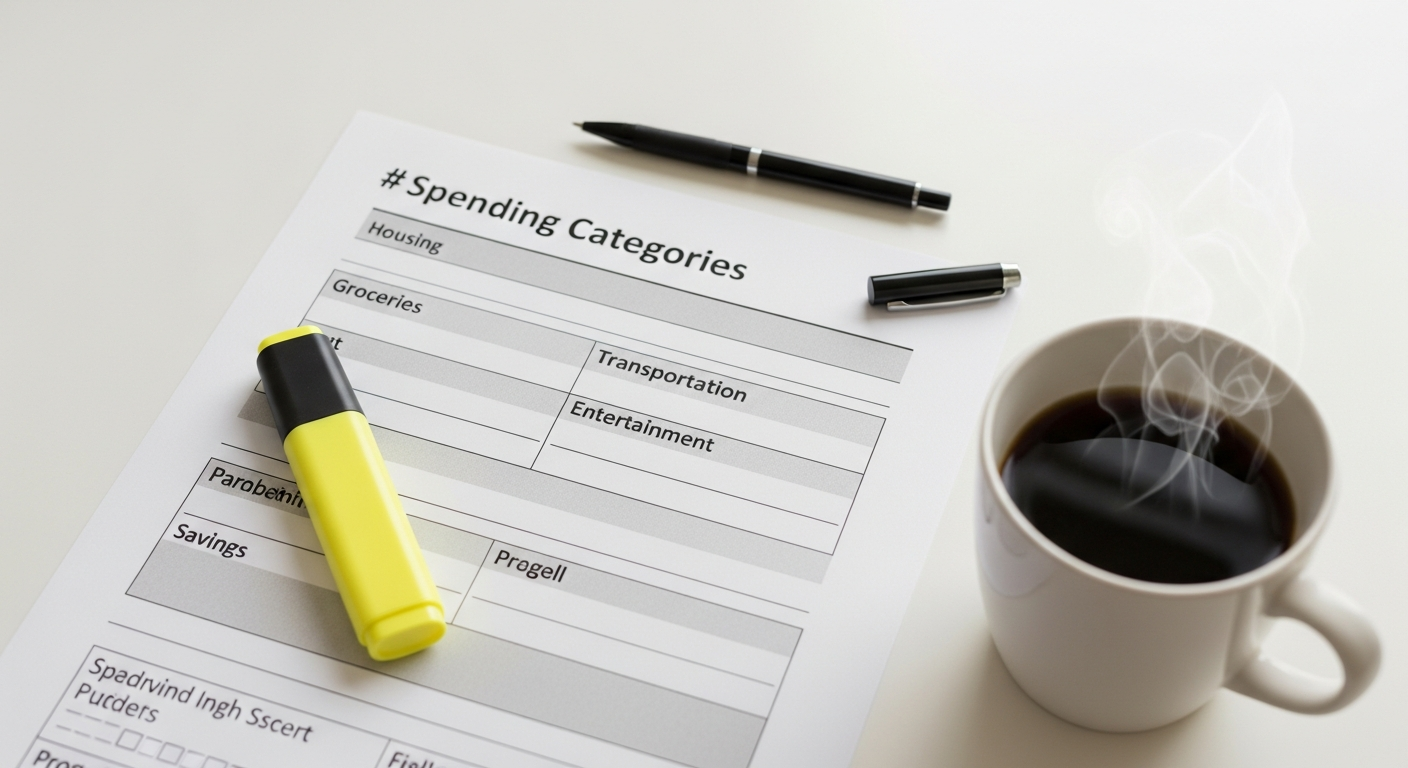
- Common Categories:
- Housing: Rent/mortgage, property taxes, home insurance, utilities (electricity, gas, water, internet), repairs.
- Transportation: Car payment, fuel, insurance, public transport, ride-shares, maintenance.
- Food: Groceries, dining out, coffee/snacks.
- Personal Care: Haircuts, toiletries, gym memberships, clothing.
- Healthcare: Insurance premiums, co-pays, prescriptions.
- Debt Payments: Credit card minimums, student loan payments, personal loans.
- Savings: Emergency fund, retirement, specific goals (down payment, vacation).
- Entertainment/Discretionary: Hobbies, streaming services, movies, concerts, going out.
- Miscellaneous: Pet supplies, gifts, irregular expenses.
Distinguish Needs vs. Wants:
This is a critical mental exercise.
- Needs: Essentials for living (housing, utilities, basic food, transportation to work, essential healthcare).
- Wants: Everything else (dining out, streaming services, new clothes you don’t need, expensive hobbies, vacations).
This isn’t about eliminating wants, but understanding where they fit in your financial picture.
Real Example: Sarah’s Expense Tracking (Monthly Average)
After tracking for a month, Sarah compiled her average expenses:
- Income: $4,200
- Fixed Expenses (Needs):
- Rent: $1,500
- Car Payment: $350
- Car Insurance: $120
- Internet: $70
- Phone Bill: $60
- Student Loan Payment: $200
- Gym Membership: $40
- Total Fixed: $2,340
- Variable Expenses (Mix of Needs & Wants):
- Groceries: $450
- Dining Out/Coffee: $300
- Fuel: $100
- Utilities (Electricity/Water): $150
- Personal Care/Toiletries: $80
- Entertainment/Hobbies: $250
- Shopping (Clothes/Misc.): $180
- Subscriptions (Streaming): $40
- Total Variable: $1,550
- Total Expenses: $2,340 + $1,550 = $3,890
- Money Left Over: $4,200 – $3,890 = $310
Sarah now sees she has $310 leftover, but she wasn’t actively saving. This insight is powerful.
Step 2: Build Your Blueprint – Choosing a Method and Allocating Funds
Now that you know your financial landscape, it’s time to create your roadmap. There isn’t a one-size-fits-all approach, so choose a spending plan method that resonates with your personality and lifestyle.
A. Popular Spending Plan Methods
Here are a few widely used methods:
1. The 50/30/20 Rule
This is a simple, popular framework, great for beginners. It suggests dividing your net income into three main categories:
- 50% for Needs: Housing, utilities, groceries, transportation, insurance, minimum debt payments.
- 30% for Wants: Dining out, entertainment, hobbies, shopping, vacations, streaming services.
- 20% for Savings & Debt Repayment: Emergency fund, retirement contributions, investments, extra debt payments beyond the minimum.
Example: Applying 50/30/20 to Sarah’s Income ($4,200)
- Needs (50%): $2,100. (Sarah’s current fixed needs are $2,340. This immediately tells her she’s over budget in her needs category. She needs to find ways to reduce these or adjust her target percentages.)
- Wants (30%): $1,260. (Sarah’s current variable wants are $1,550. Again, she’s over.)
- Savings & Debt (20%): $840. (She’s currently saving $0, so this is a clear target.)
This rule quickly highlighted for Sarah that her current spending isn’t aligning with this common guideline. She’ll need to make adjustments.
2. Zero-Based Budgeting
With this method, you assign every single dollar of your income a job. Income minus expenses (including savings and debt payments) should equal zero. It forces you to be very intentional with your money.
- How it Works: At the beginning of the month, you allocate every dollar of your expected income to a specific category. For instance, if your income is $4,200, your categories might be: Rent $1,500, Groceries $450, Car Payment $350, Savings $500, Entertainment $200, etc., until all $4,200 is accounted for.
- Best For: Those who want complete control and clarity over their money. It’s excellent for debt payoff or aggressive savings goals.
Example: Sarah’s Zero-Based Plan
Sarah decides to get serious. She wants to hit that 20% savings target and reduce her dining out. She allocates:
- Rent: $1,500
- Car Payment: $350
- Car Insurance: $120
- Internet: $70
- Phone Bill: $60
- Student Loan Payment: $200
- Gym Membership: $40
- Groceries: $400 (down from $450)
- Dining Out/Coffee: $150 (down from $300 – a big cut!)
- Fuel: $100
- Utilities: $150
- Personal Care/Toiletries: $80
- Entertainment/Hobbies: $150 (down from $250)
- Shopping (Clothes/Misc.): $50 (down from $180)
- Subscriptions: $40
- Emergency Fund Savings: $500
- Total Allocated: $4,020
Sarah still has $4,200 (income) – $4,020 (allocated) = $180 left to allocate. She decides to put this extra $180 towards an aggressive debt payoff goal for her student loan. Now, every dollar has a job, and she’s saving significantly!
3. The Envelope System
This is a cash-based system, ideal for managing variable spending categories where you tend to overspend. You physically withdraw cash for certain categories (e.g., groceries, dining out, entertainment) and put it into labeled envelopes. Once an envelope is empty, you stop spending in that category until the next funding period.
- Best For: People who struggle with overspending on credit cards, those who prefer tangible money, or for specific “problem” categories.
B. Prioritize and Allocate
Regardless of the method you choose, the core principle is to prioritize your spending:
- Needs First: Ensure all your essential living expenses are covered.
- Savings & Debt Next: This is often called “paying yourself first.” Before you spend on wants, funnel money into your emergency fund, retirement, and extra debt payments. Treat these as non-negotiable bills.
- Wants Last: Allocate what’s left to discretionary spending. This is where you make choices based on your priorities and goals. If you want to save more, you’ll likely need to reduce some wants.
Be realistic with your allocations. If you budget $50 for groceries but consistently spend $100, your plan won’t work. Adjust your budget to reflect reality, then look for ways to reduce that category, rather than setting yourself up for failure.
Step 3: Put Your Plan into Action – Tools and Tips for Success
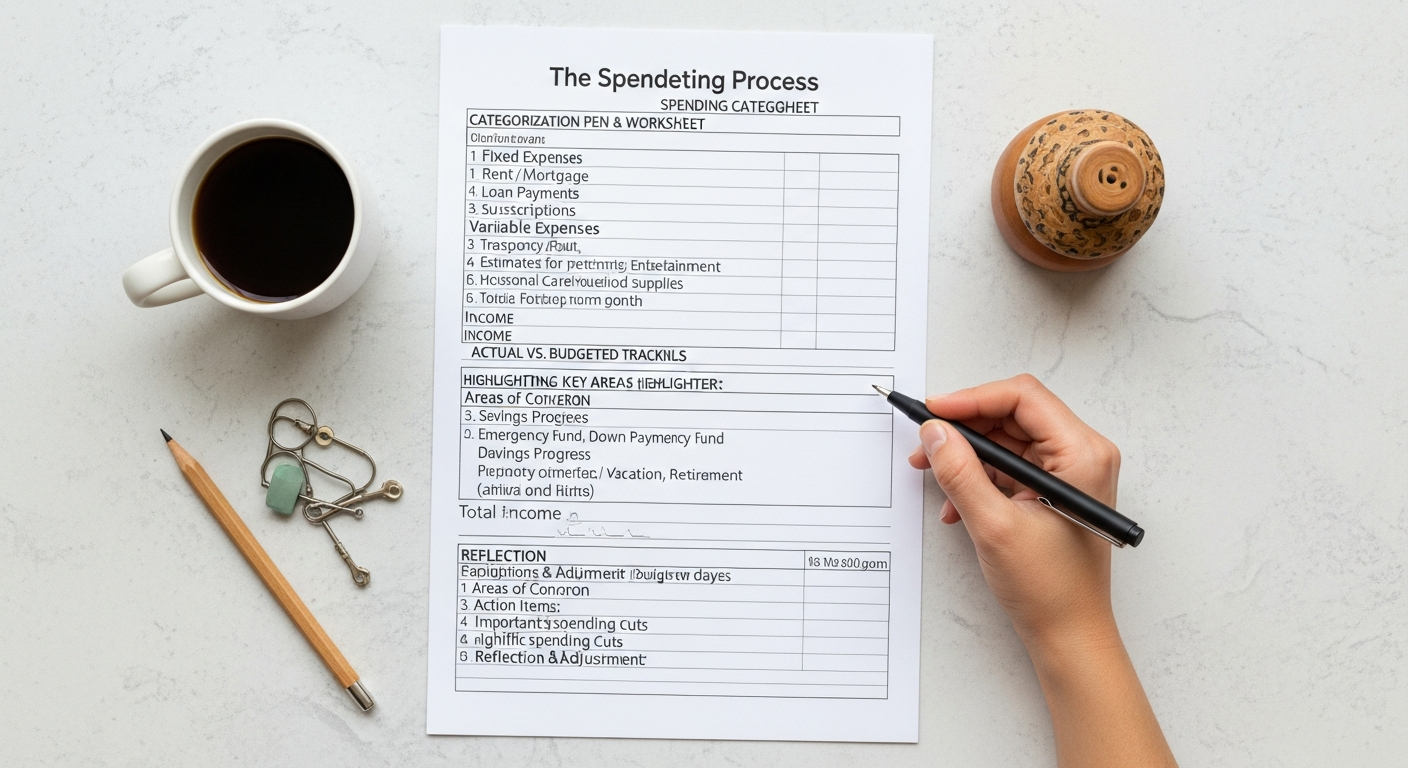
A plan is just a piece of paper (or a screen) until you start using it consistently. Here’s how to bring your spending plan to life:
A. Choose Your Tools
- Spreadsheets (Google Sheets/Excel): Free, highly customizable, and great for those who love data and control. You can find many free templates online to get started.
- Budgeting Apps:
- Automated Trackers: Many apps link to your bank accounts and credit cards, automatically categorizing transactions (e.g., Mint, Personal Capital). They offer a quick overview and alerts.
- Manual Entry/Zero-Based Focused: Apps like YNAB (You Need A Budget) encourage active allocation of every dollar and manual transaction entry for more granular control.
- Simple Trackers: Basic apps that let you input income and expenses manually without linking accounts.
Explore different options to find one that fits your comfort level and how hands-on you want to be. Many offer free trials.
- Pen and Paper: Simple, no tech required. Great for visual learners or those who find digital tools overwhelming.
B. Automate Your Savings and Debt Payments
This is arguably the most powerful tip. Set up automatic transfers from your checking account to your savings accounts, investment accounts, and extra debt payments immediately after you get paid. If you don’t see the money, you’re less likely to spend it. Treat these transfers like any other bill.
- Example: Sarah sets up an automatic transfer of $500 to her emergency fund savings account and an extra $180 to her student loan principal every payday.
C. Use Cash for “Fun” Money Categories
If you find yourself consistently overspending on categories like dining out, entertainment, or shopping, try the envelope system for those specific areas. Once the cash is gone, it’s gone. This creates a powerful psychological barrier to overspending.
D. Schedule Regular Reviews
Your spending plan isn’t a “set it and forget it” tool. Life happens, and your plan needs to adapt.
- Weekly Check-ins (15-30 minutes): Review your spending for the past week, categorize any uncategorized transactions, and see how you’re doing against your plan. Make small adjustments if needed.
- Monthly Deep Dive (1-2 hours): At the end of each month, compare your actual spending to your budgeted amounts. Identify areas where you overspent or underspent. Update your plan for the upcoming month based on any changes in income, upcoming irregular expenses, or new goals.
This regular engagement keeps you accountable and makes minor course corrections much easier than major overhauls.
E. Build an Emergency Fund
Before aggressively tackling other savings or debt, aim for a starter emergency fund of $1,000-$2,000. This acts as a financial safety net for unexpected expenses (car repair, medical bill, job loss) and prevents you from going into debt when life throws a curveball. Once you have a starter fund, work towards 3-6 months of essential living expenses.
F. Link Your Plan to Your Goals
A spending plan is much easier to stick to when you have a clear “why.” Visualize your goals: that debt-free feeling, the down payment for your first home, the security of a robust retirement fund, or that dream vacation to the Caribbean in 2026. Every dollar you intentionally allocate brings you closer to these aspirations.
Step 4: Adapt, Adjust, and Overcome Challenges
No spending plan is perfect from day one, and life is rarely predictable. The key to success is flexibility and persistence.
A. Your Plan Isn’t Static, It’s Dynamic
Expect to adjust your spending plan. Your income might change, you might have a new major expense (e.g., a baby, a new home, a car repair), or your financial goals might evolve. This is normal! See these as opportunities to refine your plan, not as failures.
B. Common Pitfalls and How to Avoid Them
- Being Too Restrictive: If your plan feels like a prison, you’ll rebel. Build in some “fun money” or discretionary spending. It’s okay to spend on things you enjoy, as long as it’s intentional and within your means.
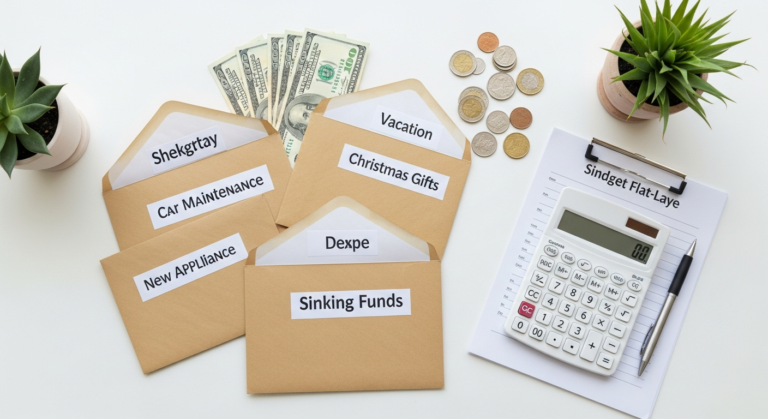
- Forgetting Irregular Expenses: Annual subscriptions (Amazon Prime, software), car maintenance, holiday gifts, or medical co-pays can derail a monthly plan. Create a “sinking fund” for these. Divide the annual cost by 12 and set aside that amount monthly.
- Example: Car registration is $360 annually. Save $30 each month ($360 / 12).
- Giving Up After One “Failure”: You went over budget on groceries? It happens! Don’t throw the whole plan out. Analyze what went wrong, adjust for the next month, and get back on track. Progress, not perfection, is the goal.
- Ignoring Your Plan: The best spending plan in the world is useless if you don’t engage with it. Make those weekly and monthly reviews non-negotiable appointments with yourself.
- Trying to Keep Up with the Joneses: Your spending plan is personal. It reflects YOUR income, YOUR goals, and YOUR values. Don’t compare your financial journey to others.
C. Tips for Sticking With It
- Find an Accountability Partner: Share your goals and plan with a trusted friend, family member, or partner. Check in with each other regularly.
- Celebrate Small Wins: Paid off a credit card? Hit your emergency fund goal? Treat yourself (modestly and within your plan!) or acknowledge your progress. Positive reinforcement helps.
- Focus on the “Why”: Regularly remind yourself of the big financial goals you’re working towards. This motivation is powerful on days you feel like giving up.
- Automate Everything Possible: Reduce willpower fatigue by setting up automatic transfers for savings and debt.
- Be Kind to Yourself: Learning to manage money effectively is a journey, not a sprint. There will be bumps. Forgive yourself for mistakes, learn from them, and keep moving forward.
Frequently Asked Questions About Spending Plans
Q1: What’s the difference between a budget and a spending plan?
A1: Fundamentally, they are the same thing – a plan for how you will use your money. However, “spending plan” often carries a more positive connotation. “Budget” can feel restrictive and associated with cutting back. “Spending plan” emphasizes intentional allocation, control, and alignment with your goals, rather than just deprivation. It’s a shift in mindset towards empowerment.
Q2: How often should I review my spending plan?
A2: You should engage with your spending plan regularly. A quick check-in (15-30 minutes) weekly is highly recommended to track recent spending and stay on course. A more thorough review (1-2 hours) at the end of each month is crucial to compare actual spending to your plan, make adjustments for the upcoming month, and reflect on your progress. Life changes, so your plan needs to be dynamic.
Q3: What if my income is irregular?
A3: Irregular income requires a slightly different approach. Focus on budgeting based on your lowest reliable income. Any extra income can then be prioritized for savings (emergency fund first!), debt repayment, or specific goals. You might use a “buffer” system where you aim to have one month’s expenses saved ahead of time, so you’re always budgeting with last month’s income. The zero-based method can be particularly effective here, as you assign jobs to the money as it arrives.
Q4: How do I handle unexpected expenses?
A4: This is precisely why an emergency fund is your first priority. If you have an emergency fund, you draw from it for unexpected costs like car repairs or medical bills. For predictable but irregular expenses (like annual car registration or holiday gifts), create “sinking funds” by saving a small amount each month into a separate savings account so the money is there when you need it. If an unexpected expense arises and you don’t have a fund, adjust your current spending plan to cover it, cutting back on discretionary categories until you’ve recovered.
Q5: Is it okay to spend on wants?
A5: Absolutely! A sustainable spending plan includes money for things you enjoy. The goal isn’t to eliminate all wants, but to spend on them intentionally and guilt-free. By prioritizing your needs and savings first, you create space for your wants within your plan. If you find you’re overspending on wants, it’s an opportunity to re-evaluate your priorities and adjust your allocations to align with your bigger financial goals.
Your Financial Freedom Starts Today
Creating a spending plan isn’t about being perfect; it’s about being intentional. It’s about taking the reins of your financial life and steering it towards the future you envision. It might feel a little awkward or challenging at first, but every step you take brings you closer to clarity, control, and ultimately, financial freedom.
Don’t wait for the “perfect” time or the “perfect” method. Start small, be consistent, and be kind to yourself. Begin by tracking your spending today. Then, choose a method that feels right for you and allocate your funds. Review, adjust, and celebrate your progress. Your money has the power to build the life you want, and your spending plan is the blueprint to make it happen. You’ve got this!