
The Myth vs. Reality of “No Deposit” Home Loans
Before we delve into the specifics, it’s crucial to clarify what “no deposit” truly means in the context of home loans. When lenders or real estate professionals refer to “no deposit” or “0% down payment” loans, they are primarily talking about the initial equity contribution you, the borrower, make directly from your personal savings towards the purchase price of the home. Traditionally, lenders preferred a 20% down payment, as it signifies a lower risk for them and allows borrowers to avoid private mortgage insurance (PMI). However, saving tens of thousands of dollars for a down payment is a significant challenge for many, especially younger generations, those with student loan debt, or individuals navigating the complexities of a fluctuating job market. The reality is that while 0% down payment options exist, they often come with specific eligibility criteria and may still require funds for closing costs. Understanding this distinction is the first step towards effectively navigating the landscape of home financing.
The landscape of home financing has evolved significantly, recognizing the diverse financial situations of prospective homeowners. While the traditional 20% down payment model persists for conventional loans, a variety of programs have emerged to lower the entry barrier. These programs are not “free money” but rather structured financial products designed to enable homeownership for qualified individuals who might otherwise be excluded due to a lack of immediate cash reserves. These alternatives often involve government backing, which reduces the risk for lenders and allows them to offer more favorable terms, including the coveted 0% down payment. It’s about finding the right program that aligns with your unique circumstances and leveraging it to achieve your homeownership goals without crippling your savings.
Government-Backed Programs: Your Best Bet for Low-to-No Down Payments
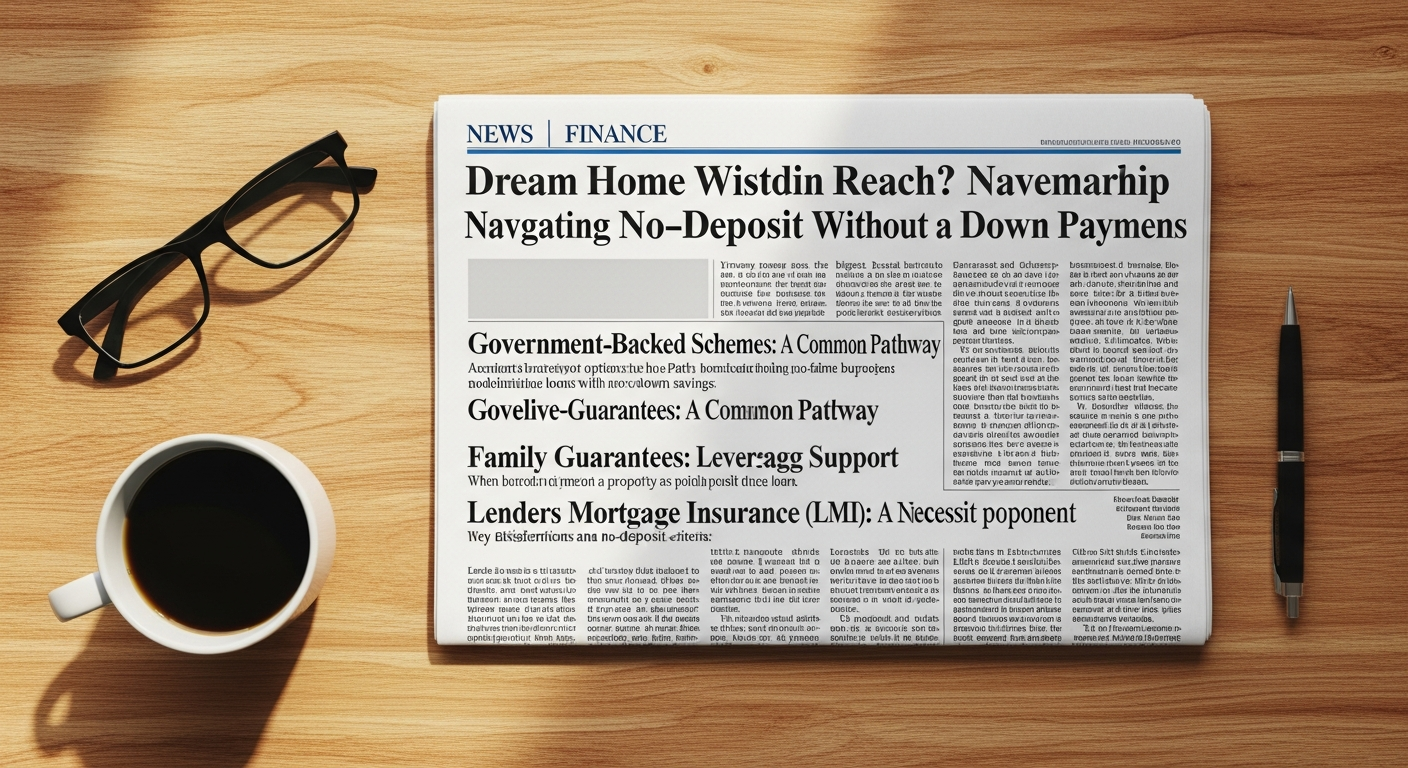
The most reliable and widely utilized pathways to a home loan with little to no down payment come from programs backed by the U.S. government. These initiatives are designed to make homeownership accessible to a broader range of Americans, fulfilling specific social and economic objectives.
VA Loans: Serving Those Who Served
- Eligibility: VA loans are an incredible benefit available to eligible veterans, active-duty service members, and certain surviving spouses. This is perhaps the most well-known and powerful 0% down payment option available.
- Key Features:
- 0% Down Payment: For eligible borrowers, no money down is required, making it an extremely attractive option.
- No Private Mortgage Insurance (PMI): Unlike many low-down-payment conventional loans or FHA loans, VA loans do not require monthly PMI, which can save borrowers hundreds of dollars per month.
- Competitive Interest Rates: VA loans often feature lower interest rates compared to conventional loans, as the government guarantee reduces risk for lenders.
- Limited Closing Costs: The VA limits the closing costs lenders can charge, and in some cases, sellers can pay for certain costs.
- Funding Fee: While there’s no down payment or PMI, most VA borrowers pay a one-time VA funding fee. This fee helps offset the cost of the program to taxpayers and can typically be financed into the loan, meaning you don’t have to pay it out of pocket upfront. Certain veterans with service-connected disabilities may be exempt from this fee.
- Credit Requirements: While the VA doesn’t set a minimum credit score, individual lenders will have their own requirements, usually in the mid-600s.
USDA Loans (Rural Development Loans): For Suburban and Rural Dreamers
- Eligibility: USDA loans are designed to promote homeownership in designated rural and some suburban areas. Eligibility is tied to both the property’s location and the borrower’s income, which must fall within specific limits for the area. You don’t need to be a farmer; these loans are for anyone looking to buy a home in an eligible area.
- Key Features:
- 0% Down Payment: Similar to VA loans, USDA loans offer 100% financing, eliminating the need for a down payment.
- Low Monthly Mortgage Insurance: While USDA loans do have an upfront guarantee fee (which can be financed) and an annual fee (similar to mortgage insurance), these fees are typically lower than FHA mortgage insurance premiums.
- Competitive Interest Rates: USDA loans are also known for competitive interest rates.
- Property and Income Limits: The key is to verify if the property you’re interested in is in an eligible rural area and if your household income meets the program’s limits for that specific region. This information is readily available on the USDA Rural Development website.
FHA Loans: A Stepping Stone to Homeownership
- Eligibility: While not a 0% down payment option, FHA loans are a highly popular choice for first-time homebuyers and those with less-than-perfect credit. They require a minimum down payment of just 3.5%.
- Key Features:
- Low Down Payment: A mere 3.5% down payment makes FHA loans significantly more accessible than conventional loans requiring 5-20%.
- Lenient Credit Requirements: FHA loans generally have more flexible credit score requirements compared to conventional loans, often accepting scores as low as 580 with the 3.5% down payment.
- Accepts Gift Funds: The down payment can come from acceptable gift funds, further easing the burden on personal savings.
- Mortgage Insurance Premium (MIP): The trade-off for lower credit and down payment is FHA’s mandatory mortgage insurance premium. This includes an upfront MIP (which can be financed) and an annual MIP, paid monthly, that typically lasts for the life of the loan unless you put down 10% or more (in which case it lasts 11 years) or refinance into a conventional loan.
State and Local First-Time Homebuyer Programs
Beyond federal programs, many states, counties, and even cities offer their own assistance programs, often working in conjunction with FHA, VA, or USDA loans. These programs typically provide:
- Down Payment Assistance (DPA): This can come in the form of grants (which don’t need to be repaid), second mortgages (often with very low interest rates or deferred payments until you sell or refinance), or silent seconds (no payments until you sell or refinance).
- Closing Cost Assistance: Some programs specifically help cover closing costs, which can be a significant expense.
- Tax Credits: Mortgage Credit Certificates (MCCs) can provide eligible homeowners with a federal tax credit for a portion of the mortgage interest paid each year.
These programs often have specific income limits, purchase price limits, and homebuyer education requirements. To find out what’s available in your area, start by contacting your state’s housing finance agency (HFA) or researching local government websites. These resources are invaluable and often overlooked.
Beyond Government: Other Avenues for Minimizing Your Down Payment
Gift Funds: A Helping Hand from Loved Ones
Many loan programs, including FHA and conventional loans, allow for the down payment and/or closing costs to be covered by gift funds from eligible sources. Typically, these sources must be family members (parents, grandparents, siblings), but sometimes employers or charitable organizations are also permitted. The key requirements for gift funds are:
- Gift Letter: The donor must provide a signed gift letter stating that the money is a true gift, with no expectation of repayment.
- Source Verification: Lenders will need to verify the source of the funds to ensure they are not a loan in disguise or from an illicit source. This often involves providing bank statements from the donor.
This can be an excellent way for family members to contribute to a loved one’s homeownership dream without directly co-signing a loan or incurring the liabilities of joint ownership.
Employer-Assisted Housing Programs
Some forward-thinking employers offer housing assistance programs as a perk for their employees. These programs can vary widely but may include:
- Down Payment Grants or Loans: Direct financial assistance to help with the down payment.
- Closing Cost Assistance: Funds specifically allocated to cover closing costs.
- Counseling Services: Educational resources to guide employees through the home buying process.
These programs are often designed to attract and retain talent, especially in areas with high housing costs. If you’re employed, it’s worth checking with your HR department to see if such a benefit is available to you. This can be particularly relevant for those looking to build a stable career path, much like someone focusing on how to run a successful HVAC business might invest in their employees’ well-being.
Community Development Financial Institutions (CDFIs) & Non-Profits
Across the country, various CDFIs and non-profit organizations are dedicated to fostering affordable housing and community development. These entities often provide:
- Low-Interest Loans: Sometimes for down payments or closing costs, tailored to specific community needs.
- Grants: Direct financial aid that does not need to be repaid.
- Homebuyer Education: Mandatory courses that equip prospective homeowners with essential knowledge, which can sometimes be a prerequisite for their financial assistance.
These programs typically target low-to-moderate income individuals or specific geographic areas. A quick search for “affordable housing programs” or “homebuyer assistance” in your local area can uncover these valuable resources.
Piggyback Loans (80/10/10 or 80/15/5)
While less common with the rise of low-down payment government programs, “piggyback” loans were once a popular strategy to avoid PMI. Here’s how they work:
- First Mortgage (80%): You take out a primary mortgage for 80% of the home’s purchase price.
- Second Mortgage/HELOC (10% or 15%): Simultaneously, you secure a second mortgage or Home Equity Line of Credit (HELOC) for a portion of the remaining amount, say 10% or 15%.
- Your Down Payment (10% or 5%): You then cover the final 10% or 5% as your actual down payment.
The primary advantage was avoiding PMI on the first mortgage. However, you’re taking on two separate loans, and the interest rate on the second mortgage can often be higher. It’s a complex strategy that requires careful financial planning and comparison against other low-down payment options, especially considering interest rate fluctuations in 2026 and beyond.
Preparing for a No-Deposit Loan: What Lenders Really Look For

Even with programs offering 0% down payments, lenders aren’t simply handing out money. They need assurance that you can reliably make your mortgage payments. This means demonstrating strong financial health through several key indicators.
Credit Score: Your Financial Report Card
Your credit score is a numerical representation of your creditworthiness. It tells lenders how likely you are to repay your debts. While VA and FHA loans are more lenient than conventional loans, a higher credit score will always open more doors and potentially secure you better interest rates. Lenders typically look for:
- Payment History: Consistently paying bills on time is paramount. Late payments significantly damage your score.
- Credit Utilization: Keeping your credit card balances low relative to your credit limits demonstrates responsible credit management.
- Length of Credit History: A longer history of responsible credit use is generally viewed favorably.
Before applying, obtain your credit report from all three major bureaus (Equifax, Experian, TransUnion) and dispute any errors. Pay down high-interest debt and avoid opening new lines of credit, as these actions can temporarily lower your score.
Debt-to-Income (DTI) Ratio: Can You Afford It?
Your DTI ratio is a critical metric that compares your total monthly debt payments to your gross monthly income. Lenders use it to assess your ability to manage monthly payments and repay a new loan. There are two main components:
- Front-End Ratio (Housing Ratio): This compares your proposed monthly housing payment (PITI – principal, interest, taxes, insurance) to your gross monthly income.
- Back-End Ratio (Total Debt Ratio): This compares all your monthly debt payments (housing, car loans, student loans, credit cards, etc.) to your gross monthly income.
Most lenders prefer a back-end DTI ratio of 43% or lower, though some programs may allow for higher ratios under specific circumstances. To improve your DTI, focus on paying down existing debts or increasing your income. This holistic view of financial health is vital, just as understanding how the new administration will impact health coverage for Americans requires looking at individual finances in relation to broader economic policies.
Stable Employment and Income: Proof of Earning Power
Lenders want to see a consistent and reliable source of income. This typically means:
- Two Years of Employment History: Generally, lenders prefer to see at least two years of stable employment in the same field or with upward mobility.
- Consistent Income: If you’re self-employed, commission-based, or have variable income, lenders will often average your income over two years and may require more documentation. For entrepreneurs, understanding the intricacies of qualifying for a home loan is as important as mastering how to run a successful HVAC business; both require meticulous financial planning and documentation.
Be prepared to provide pay stubs, W-2s, and tax returns to verify your income and employment stability.
Savings (Even if not for Down Payment): The Importance of Reserves
Even if you’re getting a 0% down payment loan, you will still need funds for closing costs. These can typically range from 2-5% of the loan amount and include appraisal fees, title insurance, legal fees, and more. Beyond closing costs, lenders like to see that you have some financial reserves – money saved in a bank account that isn’t earmarked for the down payment or closing costs. These reserves demonstrate your ability to handle unexpected expenses that come with homeownership, like emergency repairs or temporary job loss. Having several months’ worth of mortgage payments in reserve can significantly strengthen your application.
Pre-Approval Process: Your First Major Step
Before you even start house hunting, getting pre-approved for a mortgage is crucial. This involves a lender reviewing your financial information (credit, income, assets) and providing a conditional commitment for a loan up to a certain amount. A pre-approval letter:
- Shows Sellers You’re Serious: In a competitive market, a pre-approval makes your offer much stronger.
- Defines Your Budget: It helps you understand what you can realistically afford, preventing you from looking at homes outside your price range.
- Identifies Potential Issues: The pre-approval process can uncover any financial red flags that you can address before making an offer.
Be prepared to provide extensive documentation, including pay stubs, bank statements, tax returns, and information on your debts.
Navigating the Market and Making Your Offer Competitive in 2026
Securing a home loan with no deposit is one part of the equation; successfully purchasing a home in a dynamic market is another. As we look towards 2026, market conditions, interest rate trends, and housing supply will continue to evolve, requiring strategic thinking and a competitive approach.
Market Conditions in 2026
While predicting the exact state of the housing market in 2026 is challenging, it’s reasonable to anticipate continued fluctuations. Interest rates may see gradual shifts, influenced by global economic factors and domestic monetary policy. Housing inventory could remain tight in desirable areas, maintaining a competitive environment for buyers. Being informed about local market trends—average sale prices, days on market, and inventory levels—will be critical. Diaal News will continue to provide updates on these trends, helping you stay ahead.
Working with a Knowledgeable Real Estate Agent
When pursuing a no-deposit loan, selecting the right real estate agent is paramount. You need an agent who:
- Understands Low/No-Down Payment Loans: They should be familiar with VA, USDA, FHA, and local DPA programs, knowing what properties qualify and how to structure offers accordingly.
- Has Local Market Expertise: An agent with deep knowledge of your target neighborhoods can identify opportunities, including properties in USDA-eligible areas or those that might appeal to sellers willing to work with specific loan types.
- Is an Advocate: Your agent should be a strong negotiator, especially when you’re using a specific loan program that sellers might not fully understand. They can educate the seller’s agent on the benefits and reliability of your chosen financing.
Making a Strong Offer
Even with a no-deposit loan, your offer can be competitive. While a large down payment signals financial strength, other factors can make your offer appealing to sellers:
- Pre-Approval Confidence: A solid pre-approval from a reputable lender demonstrates your financial readiness.
- Flexibility on Closing Dates: If you can accommodate the seller’s preferred closing timeline, it can be a significant advantage.
- Minimizing Contingencies (Carefully): While you should never waive critical contingencies like inspection unless you are absolutely certain, minimizing unnecessary ones can make your offer cleaner and more attractive.
- Escalation Clauses: In a hot market, an escalation clause (offering to pay a certain amount above other offers up to a cap) can be effective.
- Seller Concessions for Closing Costs: Some loan programs allow sellers to contribute towards closing costs. While this is less common in a seller’s market, it can be a negotiation point. Your agent can help you navigate this delicate balance to make your offer stand out.
The Power of Patience and Persistence
The home buying journey, especially with specific loan programs, can take time. It might involve searching for properties in particular areas (like USDA-eligible zones) or waiting for the right state-level assistance program to open up. Persistence in your search, coupled with patience in the process, will ultimately lead you to your desired home. Don’t get discouraged by initial setbacks; view them as learning opportunities.
The Broader Financial Picture: Why a Home Loan Impacts Everything Else
Securing a home loan, particularly one with no down payment, is a monumental step. However, it’s crucial to view this achievement not in isolation but within the broader context of your entire financial, career, and lifestyle well-being. Homeownership is a significant financial commitment that reverberates across all aspects of your life, influencing everything from daily budgeting to long-term health planning and even entrepreneurial aspirations.
Budgeting for Homeownership: Beyond the Mortgage Payment
While securing a loan with no deposit addresses the initial hurdle, true financial stability in homeownership requires diligent budgeting for ongoing expenses. Your monthly mortgage payment, though substantial, is only one piece of the puzzle. You must also account for:
- Property Taxes: These are often collected by your lender and held in an escrow account, but they can increase over time.
- Homeowner’s Insurance: Essential for protecting your investment against damage and liability.
- Utilities: Heating, cooling, electricity, water, internet—these costs can be higher in a larger home.
- Maintenance and Repairs: A crucial, often underestimated, category. Experts recommend setting aside 1-3% of your home’s value annually for maintenance. From a leaky faucet to a new roof, these costs are now your responsibility. This understanding is key for any homeowner, and particularly for someone operating a business like HVAC, who might advise clients on these very costs.
- Homeowner’s Association (HOA) Fees: If applicable, these cover shared amenities and community upkeep.
Failing to budget for these additional costs can quickly lead to financial strain, negating the benefit of a low-down-payment loan. A comprehensive budget ensures your home is a source of security, not stress.
Impact on Other Financial Goals
Your mortgage payment will become your largest monthly expense for most people. This naturally impacts your ability to save for other crucial financial goals:
- Retirement Savings: While home equity builds wealth, you still need liquid investments for retirement. Balancing mortgage payments with 401(k) or IRA contributions is essential.
- Education Savings: If you have children, planning for their future education funds will need to coexist with your mortgage payments.
- Investment Opportunities: Homeownership ties up capital, but smart financial planning allows you to continue exploring other investment avenues, diversifying your wealth-building strategies.
The key is integration. Your home loan should be a component of a larger, well-thought-out financial plan, not an isolated decision.
Connecting to Related Topics: A Holistic View of Well-being
At Diaal News, we believe in the interconnectedness of personal finance, career, and lifestyle. Securing a home loan, even with no deposit, creates a ripple effect that touches upon seemingly disparate areas of your life:
- How the New Administration Will Impact Health Coverage for Americans: A stable home provides a foundational layer of security, which can significantly influence how you approach health coverage decisions. With a steady mortgage payment, you might have a clearer picture of disposable income, enabling you to better analyze and adapt to potential changes in health coverage policies under a new administration in 2026. For example, if new policies lead to higher out-of-pocket healthcare costs, homeowners with well-managed finances might be better positioned to afford premium plans or contribute more to Health Savings Accounts (HSAs), whereas those without financial stability could face greater stress in navigating these shifts. Homeownership can provide the stability needed to make informed, proactive decisions about your family’s health and financial well-being, rather than reacting to policy changes from a vulnerable position.
- How to Run a Successful HVAC Business: The principles of securing a home loan with no deposit—meticulous preparation, understanding market dynamics, and leveraging available resources—mirror the strategic thinking required to run a successful business. For a business owner, achieving personal homeownership demonstrates financial acumen and stability, which can indirectly bolster their business’s image and even open doors to better business financing down the line. Conversely, a successful HVAC business owner might find it easier to qualify for a substantial home loan due to consistent, verifiable income, provided they structure their business finances correctly. The discipline required for personal finance translates directly into entrepreneurial success, emphasizing that a strong personal financial foundation can be a springboard for career growth and independent ventures.
- The Connection Between Sexual and Mental Health: Financial stability, often anchored by homeownership, profoundly impacts mental health. The stress of housing insecurity or the constant struggle to make ends meet can be a significant drain on mental well-being, leading to anxiety, depression, and relationship strain. Achieving the security of homeownership, even through a no-deposit loan, can alleviate a major source of stress, fostering a sense of accomplishment and peace of mind. Improved mental health, in turn, is intrinsically linked to overall well-being, including sexual health. When individuals are less stressed about their living situation, they often experience better sleep, improved relationships, and a healthier mindset, all of which contribute positively to their sexual health and overall quality of life. This highlights how a strategic financial decision, like securing a home loan, can have far-reaching positive effects on one’s holistic well-being.
Ultimately, pursuing a home loan with no deposit is more than just a financial transaction; it’s a strategic move that can lay the groundwork for a more stable, secure, and fulfilling life, enabling you to better navigate the complexities of healthcare, career ambitions, and personal well-being.
Frequently Asked Questions
Recommended Resources
Explore Stamping And Forming In Auto Manufacturing for additional insights.
Check out How To Contact Representatives About Healthcare on Protect Families Protect Choices for a deeper dive.