Beyond the Business Card: Your Essential Guide to Professional Networking in 2026
Why Networking Isn’t Just About Finding a Job (And Why It Matters More Than Ever)
Let’s debunk a common myth right away: networking isn’t just for when you’re actively searching for a job. While it’s certainly crucial during a job hunt, limiting your networking efforts to crisis mode is like trying to build a house during a storm. A strong network is a continuous investment that pays dividends throughout your entire career, offering benefits far beyond a new job title.
Think of your network as your personal advisory board, your early warning system for industry shifts, and your source of unexpected opportunities. In 2026, industries are converging, technologies are advancing rapidly, and the global economy is more interconnected than ever. Staying informed, adaptable, and relevant requires access to diverse perspectives and up-to-the-minute insights.
Here’s why a proactive networking strategy is indispensable today:
* Continuous Learning and Skill Development: Your network exposes you to new ideas, best practices, and emerging trends. A connection might share a valuable online course, recommend a must-read book, or simply offer a fresh perspective on a challenge you’re facing. For example, Sarah, a marketing professional, learned about the intricacies of AI-driven content generation from a contact she met at a virtual industry summit. This insight helped her pitch a new strategy to her company, leading to a significant promotion.
* Mentorship and Guidance: Finding mentors and sponsors within your network can accelerate your career growth exponentially. These experienced professionals can offer invaluable advice, help you navigate complex career decisions, and even advocate for you when opportunities arise. Mark, a junior software engineer, connected with a senior developer through his alumni network who guided him through mastering a new programming language, significantly boosting his confidence and skill set.
* Collaboration and Innovation: Networking opens doors to collaborative projects, partnerships, and entrepreneurial ventures. You might meet someone with complementary skills or a shared vision, leading to innovative solutions or new business ideas. Imagine partnering with a contact on a freelance project that expands your portfolio and earns you additional income.
* Market Insights and Competitive Advantage: Your network provides an early warning system for market changes, competitor moves, and hiring trends. This insider knowledge can give you a significant competitive advantage, allowing you to pivot strategies or upskill proactively. Emily, a financial analyst, regularly connects with peers in different firms, helping her understand broader market sentiments and investment shifts before they become mainstream news.
* Personal Growth and Confidence: Stepping out of your comfort zone to connect with new people builds confidence, improves your communication skills, and broadens your horizons. Each successful interaction strengthens your ability to articulate your value and forge meaningful bonds.
* Long-Term Career Resilience: In an unpredictable job market, a robust network acts as a safety net. If a layoff occurs or you decide to make a change, you already have established relationships to tap into, making transitions smoother and faster.
Networking in 2026 is about cultivating a community of mutual support and shared knowledge. It’s an investment in your future, ensuring you remain agile, informed, and connected in an ever-changing world. Don’t wait until you need something; start building those bridges today. Reflect on your current career goals – whether it’s learning a new skill, finding a new challenge, or simply staying inspired – and identify how connecting with others can help you achieve them.
The Modern Networker’s Toolkit: Platforms & Preparation for 2026
Effective networking in 2026 demands a strategic approach, blending digital tools with timeless personal skills. Before you even think about reaching out, you need to understand the landscape and equip yourself properly.
Key Platforms for Connection
The digital world offers unprecedented opportunities to connect. Here are the essential platforms:
* LinkedIn (Your Digital Professional Hub): This is non-negotiable. Your LinkedIn profile is your professional resume, portfolio, and networking tool combined.
* Action: Ensure your profile is 100% complete and up-to-date. Use a professional headshot. Craft a compelling headline that goes beyond your job title (e.g., “HR Leader Helping Tech Startups Scale Culture” instead of “HR Manager”). Write a summary that tells your story and highlights your skills and aspirations. Get recommendations from colleagues and managers. Regularly post thoughtful comments on industry news and share relevant articles.
* Tools: LinkedIn Premium can offer insights into who’s viewing your profile, direct messaging capabilities to non-connections, and advanced search filters, which can be valuable for targeted outreach.
* Industry-Specific Forums & Online Communities: Beyond LinkedIn, many industries have dedicated online forums, Slack channels, Discord servers, or Facebook groups. These are often less formal and more niche, allowing for deeper engagement.
* Action: Search for communities relevant to your field (e.g., “AI Developers Forum,” “Digital Marketing Professionals Slack Group”). Join, observe the dynamics, and then contribute thoughtfully.
* Professional Associations (Local & National): Organizations like the American Marketing Association, Project Management Institute, or local Chambers of Commerce offer structured networking events, conferences, and often exclusive online member directories.
* Action: Research associations in your field. Many offer student or introductory memberships. Attend their virtual or in-person events.
* Alumni Networks: Your university or college alumni network is a goldmine. People are often eager to help fellow alums.
* Action: Join your alumni association. Leverage their online directory and attend alumni events.
* Virtual Events & Webinars: The pandemic accelerated the shift to virtual events, which remain a powerful way to connect globally without travel.
* Action: Sign up for webinars, online conferences, and virtual meetups relevant to your interests. Actively participate in Q&A sessions and chatrooms.
Preparation is Key
Showing up prepared dramatically increases your chances of making meaningful connections.
1. Define Your “Why”: Before you reach out, clarify your goals. Are you seeking mentorship, exploring a new career path, looking for collaborators, or simply wanting to learn more about a specific industry? Having a clear purpose guides your interactions.
* Action: Write down 2-3 specific networking goals for the next three months. E.g., “Connect with two senior product managers to understand their career paths,” or “Find one person in my industry to exchange insights with weekly.”
2. Research, Research, Research: Whether it’s an event or an individual, do your homework.
* For Events: Look at the attendee list (if available), speakers, and topics. Identify 2-3 people you’d specifically like to meet or speakers whose work resonates with you.
* For Individuals: Before sending a connection request or email, review their LinkedIn profile, recent posts, company website, or any articles they’ve written. Find common ground or something specific to comment on.
* Action: Before any outreach, spend 5-10 minutes reviewing the target’s public profile.
3. Craft Your Professional Brand Message: This isn’t just an elevator pitch; it’s a concise way to articulate who you are, what you do, and what value you offer. It should be authentic and memorable.
* Action: Practice a 30-second introduction. Instead of “I’m a software engineer,” try “I’m a software engineer specializing in developing intuitive mobile applications that help small businesses streamline their customer service.” Add a hook: “I’m always looking for innovative ways to bridge technology and user experience.”
4. Prepare Conversation Starters: Especially if you’re an introvert or new to networking, having a few open-ended questions ready can ease the initial awkwardness.
* Action: Jot down questions like: “What’s the most exciting trend you’re seeing in our industry right now?” or “What motivated you to get into [their field]?” or “I saw your recent post on X, what are your thoughts on [related topic]?”
5. Digital Business Card: While physical cards still exist, ensure you have a digital equivalent ready. This could be a QR code linked to your LinkedIn profile, a personal website URL, or even just your contact information quickly accessible on your phone.
By investing time in preparation and leveraging the right digital tools, you transform networking from a daunting task into an efficient, enjoyable, and highly productive activity.
Mastering the Art of Connection: From First Touch to Meaningful Interaction
Once you’ve prepared your toolkit, the next step is initiating connections. This phase requires authenticity, respect, and a genuine interest in others. Remember, you’re not just collecting contacts; you’re building relationships.
Initial Outreach: Making a Strong First Impression
Whether online or in-person, your first interaction sets the tone.
Online Outreach (LinkedIn, Email, Forums):
* Personalized LinkedIn Connection Requests: Never send a generic “I’d like to add you to my professional network.” It’s ineffective and often ignored.
* Action: When connecting, always include a brief, personalized message.
If you met them:* “Hi [Name], it was great meeting you at the [Event Name] last week. I particularly enjoyed our conversation about [specific topic]. Let’s connect here!”
If you share a mutual connection:* “Hi [Name], [Mutual Connection] suggested I reach out to you. I’m very interested in your work at [Company] and would love to connect.”
If you admire their work/content:* “Hi [Name], I’ve been following your posts on [Topic] for a while now, and your insights on [Specific Post] really resonated with me. I’d be honored to connect.”
* Target: Aim for 5-10 personalized connection requests per week, focusing on quality over quantity.
* Thoughtful Emails: If you have someone’s email address (e.g., from a mutual connection or public source), keep your initial email brief, clear, and value-oriented.
* Action: Use a clear subject line (e.g., “Connecting regarding [Topic]” or “Referral from [Mutual Contact]”). State your purpose concisely, mention how you got their contact, and make a specific, low-friction request (e.g., “Would you be open to a 15-minute virtual coffee chat next week?”).
* Engaging in Online Communities: Don’t just lurk.
* Action: Respond to others’ posts with thoughtful comments, ask relevant questions, and share valuable resources. Establish yourself as a helpful, knowledgeable member before trying to connect one-on-one.
In-Person Events (Conferences, Meetups, Workshops):
* Approaching with Confidence: Body language is key. Stand tall, make eye contact, and offer a genuine smile.
* Action: Look for open groups (2-3 people with open stances) or people standing alone. Introduce yourself clearly. “Hi, I’m [Your Name], from [Your Company/Field]. What brings you to this event today?”
* Active Listening and Asking Open-Ended Questions: The best networkers are great listeners. Show genuine interest in what the other person has to say.
* Action: Ask questions that can’t be answered with a simple “yes” or “no.” For example, “What’s been the most interesting part of the conference for you so far?” or “What challenges are you currently seeing in your industry?”
* Tip: Try to remember one or two key details about their work or interests. This will be invaluable for your follow-up.
* Exchanging Contact Information: Make it easy.
* Action: Offer your physical business card if you have one, but also be prepared to share your LinkedIn profile via QR code or quick search. Don’t push for theirs; if they offer, great. If not, a casual “I’d love to connect with you on LinkedIn” usually works.
* Focus on Giving, Not Taking: Shift your mindset from “What can this person do for me?” to “How can I potentially help this person?”
Example:* Instead of immediately asking for a job lead, Jane, a freelance writer, might say, “I recently came across a fantastic tool for managing content calendars; if you’re interested, I can share the link.” This opens a door for a natural, reciprocal conversation.
The Art of Conversation: Beyond Small Talk
Once you’ve made initial contact, steer the conversation towards meaningful topics.
* Find Common Ground: Did you attend the same university? Work at a previous company? Share an interest in a specific industry trend? Leverage these connections.
* Be Curious and Engaged: Ask follow-up questions. “That’s fascinating, could you tell me more about X?” Share your own relevant experiences briefly, but keep the focus on them initially.
* Share Your Story (Briefly): When asked, provide a concise version of your professional journey and current focus, but avoid monopolizing the conversation.
* Identify Potential Synergies: As you talk, consider how your skills or network might be beneficial to them, or vice versa. This lays the groundwork for future interactions.
Remember, every interaction is an opportunity to learn, to share, and to build a genuine connection. Approach each person with respect and a desire to understand, and you’ll naturally foster more meaningful relationships.
Nurturing Your Network: The Long Game of Relationships
Making initial connections is just the first step. The true power of networking lies in nurturing these relationships over time. Think of your network as a garden: you plant seeds, but you also need to water, fertilize, and prune to help it flourish. This is where many people fall short, treating networking as a one-off event rather than an ongoing process.
Beyond the Initial Connect: Consistent Engagement
After that first handshake or LinkedIn acceptance, the work begins. Your goal is to move beyond a transactional interaction to a genuine, mutually beneficial relationship.
* Prompt Follow-Up: This is non-negotiable.
* Action: Within 24-48 hours of meeting someone (online or in-person), send a personalized follow-up message. Reference something specific you discussed: “It was great chatting with you about [specific topic] at [event/meeting]. As promised, here’s that article on [topic] we discussed. I’d love to stay in touch.”
* Tip: If you said you’d do something (send a link, make an intro), do it immediately.
* Regular, Non-Transactional Check-ins: Don’t just reach out when you need something. Build goodwill by staying in touch consistently.
* Action: Set a reminder to check in with key contacts every 1-3 months. This could be a quick email, a LinkedIn message, or a brief comment on one of their posts. The message should be low-pressure and value-driven:
* “Hi [Name], I saw this article on [Topic] and immediately thought of you. Hope you’re doing well!”
* “Just wanted to reach out and see how things are going with [project they mentioned]. Hope it’s progressing well!”
* “Happy to see your recent promotion/achievement on LinkedIn! Congratulations!”
* Share Value Proactively: Be a source of useful information, not just a recipient.
* Action: Share relevant articles, industry reports, job openings (if appropriate), or event invitations that you think would genuinely benefit your contacts.
Example:* David, an IT consultant, makes it a point to share 2-3 relevant tech articles with different contacts each week, often adding a brief note on why he thought of them. This keeps him top-of-mind as a valuable resource.
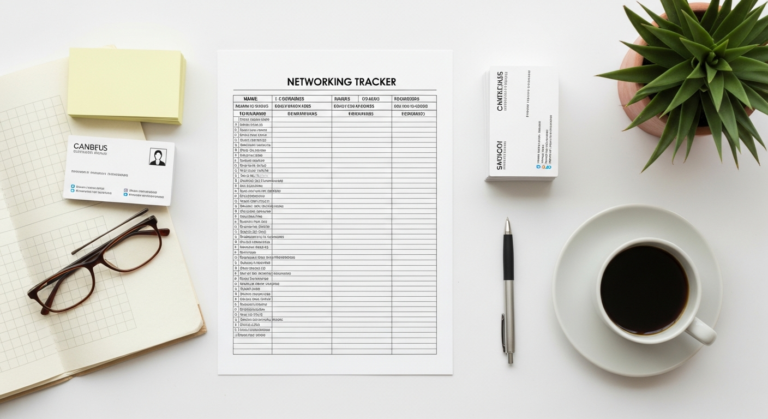
* Remember Key Details: Take notes! A simple spreadsheet or a dedicated section in your CRM (even a basic one) can help you remember details about your contacts – their interests, career goals, family updates, or challenges they’re facing.
* Action: After each interaction, jot down a few bullet points: “Met at X event, discussed Y, interested in Z, works on A project.” This makes future conversations more personal and meaningful.
* Celebrate Their Successes: Acknowledging achievements, promotions, or work anniversaries shows you care.
* Action: Use LinkedIn notifications to your advantage. A quick “Congrats on the new role!” or “Happy work anniversary!” goes a long way.
* Offer Referrals and Introductions: Being a connector is one of the most powerful ways to build your network. If you know two people who could benefit from knowing each other, offer to make an introduction.
* Action: Always ask both parties for permission before making an introduction. “Hi [Contact A], I know you’re looking for someone with [Skill X], and I immediately thought of [Contact B] who is excellent in that area. Would you be open to an introduction?” Then, if both agree, make a brief, warm introduction via email.
The “Rule of 7” and Consistency
It’s often said that it takes seven interactions for someone to really “know” you and build trust. This isn’t a hard and fast rule, but it emphasizes the importance of consistency. Don’t expect one meeting to instantly transform into a lifelong alliance.
* Action: Integrate networking into your weekly routine. Dedicate 15-30 minutes each day or a couple of hours each week to sending follow-ups, engaging on LinkedIn, or reaching out to new contacts. This sustained effort prevents your network from becoming stagnant.
Nurturing your network is about genuine human connection. It’s about being helpful, generous, and consistent. When you approach networking with a long-term mindset and focus on building authentic relationships, your network becomes an invaluable asset that supports your professional journey for years to come.
Overcoming Networking Anxiety and Common Pitfalls
Even the most seasoned professionals can feel a pang of anxiety before a networking event or hitting ‘send’ on a cold email. It’s natural! But understanding common fears and pitfalls can help you navigate them effectively.
Conquering Networking Anxiety
For many, especially introverts, the idea of “working a room” or initiating conversations with strangers can be daunting. Here’s how to manage those nerves:
* Start Small and Build Momentum: You don’t need to dive into a massive conference.
* Action: Begin by engaging in online forums, commenting on LinkedIn posts, or reaching out to alumni from your university. Then, try a small, local meetup group or a virtual event where you can participate from the comfort of your home.
* Shift Your Mindset: Instead of viewing networking as a performance or a chore, reframe it as an opportunity to learn, to share, and to meet interesting people.
* Action: Tell yourself, “I’m going to learn one new thing today,” or “I’m going to have one interesting conversation.” This reduces pressure.
* Prepare Conversation Starters (and Exits): Having a few open-ended questions ready can alleviate the fear of awkward silences.
* Action: Practice your introduction and a few questions. Also, know how to gracefully exit a conversation: “It was truly great speaking with you, [Name]. I’m going to grab another coffee before the next session begins. Let’s connect on LinkedIn!”
* Focus on One Person at a Time: Don’t feel pressured to meet everyone in the room. Concentrate on having one or two quality conversations.
* Action: Set a realistic goal: “Today, I will have one meaningful conversation for at least 10 minutes.”
* Reframe Nervousness as Excitement: The physical symptoms of nervousness (racing heart, sweaty palms) are very similar to excitement. Try telling yourself, “I’m not nervous, I’m excited for the possibilities!”
Common Networking Pitfalls to Avoid
Even with the best intentions, it’s easy to stumble. Be mindful of these common mistakes:
1. Being Transactional (The “Taker” Mentality): This is the biggest sin in networking. Only reaching out when you need a job, a favor, or a sale. People can sense insincerity.
* Solution: Cultivate relationships proactively. Focus on building rapport and offering value long before you ever need to ask for something. Think “How can I help?” first.
2. Lack of Follow-Up: You meet someone, have a great chat, and then… crickets. All that effort is wasted.
* Solution: Always follow up within 24-48 hours with a personalized message referencing your conversation.
3. Being Unprepared: Showing up to an event without knowing who’s speaking or sending a connection request without personalizing it.
* Solution: Do your research. Understand the context, the people, and your own goals before engaging.
4. Being Vague or Unclear: When you do ask for something, don’t make the other person guess what you need.
* Solution: Be specific. Instead of “Can you help me with my career?” try “I’m looking to transition into project management. Would you be open to a 15-minute chat to share insights on how you broke into the field?”
5. Not Respecting Their Time: Asking for too much too soon, or expecting an immediate response.
* Solution: Start with small, low-friction requests (e.g., a brief email exchange, a 15-minute virtual coffee). Always offer to work around their schedule.
6. Ignoring Your Existing Network: You’re so focused on meeting new people that you neglect the valuable connections you already have.
* Solution: Regularly check in with your current network. These are the people who already know and trust you, making them powerful allies.
7. Talking Too Much/Not Listening Enough: Networking is a two-way street. If you dominate the conversation, you miss opportunities to learn and connect.
* Solution: Practice active listening. Ask questions, listen to the answers, and seek to understand. Aim for a balanced conversation where both parties share.
By being mindful of these pitfalls and proactively addressing your anxieties, you can transform your networking efforts into a rewarding and effective strategy for professional growth. Remember, every successful networker started somewhere, and practice truly makes perfect.