Slash Your Spending: The Ultimate Guide to Reducing Monthly Expenses in 2026
The cost of living seems to be on a relentless climb, and for many of us, it feels like our paychecks are constantly playing catch-up. If you’re tired of feeling financially squeezed and want to take back control of your money, you’re in the right place. This isn’t about extreme deprivation; it’s about smart choices, intentional spending, and finding pockets of savings you might not even realize exist. In this comprehensive guide for 2026, we’ll walk you through practical, actionable steps to significantly reduce your monthly expenses, freeing up cash for your goals – whether that’s building savings, paying off debt, or simply enjoying life without financial stress. Think of me as your financially savvy friend, ready to share the real-world strategies that work. Let’s dive in and make 2026 your most financially empowered year yet.
1. The Non-Negotiable First Step: Track Your Spending and Build a Budget
You can’t effectively cut expenses until you know exactly where your money is going. This foundational step is often overlooked because it can feel tedious, but it’s the most powerful tool in your financial arsenal.
Actionable Steps:
- Track Every Single Dollar for 30 Days: Yes, every coffee, every online purchase, every bill.
- Manual Method: Keep a small notebook and pen, or a dedicated spreadsheet. Jot down every expense as it happens.
- Digital Method: Use budgeting apps like Mint, YNAB (You Need A Budget), or Rocket Money (formerly Truebill). Many bank apps also offer spending categorization features. Link your accounts, and let the app do the heavy lifting of tracking and categorizing.
- Categorize Your Expenses: Once you have a month’s worth of data, group your spending into categories like Housing, Groceries, Transportation, Utilities, Entertainment, Subscriptions, Debt Payments, etc. This helps you visualize where your money truly goes.
- Build Your Budget: Now that you have the data, create a realistic budget. A popular framework is the 50/30/20 rule:
- 50% for Needs: Housing, utilities, groceries, transportation, insurance, minimum debt payments.
- 30% for Wants: Dining out, entertainment, hobbies, shopping, vacations, non-essential subscriptions.
- 20% for Savings & Debt Repayment: Emergency fund, retirement, investments, extra debt payments.
Adjust these percentages to fit your unique situation, but use them as a starting point to identify areas where you might be overspending on “wants.”
- Identify Your “Pain Points”: Look for categories where your spending is consistently higher than you’d like, or where small, frequent purchases add up significantly. For many, this is dining out, impulse shopping, or unused subscriptions.
Real Example:
Sarah felt broke despite a decent income. After tracking her spending for a month, she discovered she was spending nearly $400 on takeout and coffee, $150 on various streaming services and apps she barely used, and another $100 on impulse online purchases. With this clear picture, she identified over $650 in potential savings before even touching her major bills. Without tracking, she would have just felt generally “short on cash.”
2. Tackle Your Biggest Bills: Housing & Utilities

For most people, housing is their largest monthly expense. While it might seem fixed, there are often ways to trim costs.
Actionable Steps:
- Rent/Mortgage:
- Negotiate Rent: If you’re a good tenant and your lease is up for renewal, try negotiating with your landlord, especially if rental prices in your area have softened slightly or you can commit to a longer lease. You might save $25-$50 a month, which adds up.
- Consider Downsizing or a Roommate: This is a big one, but if your current living situation is too expensive, exploring a smaller place or finding a reliable roommate can save hundreds of dollars monthly. For instance, splitting a $1800 rent with a roommate saves you $900 per month!
- Refinance Your Mortgage (If Applicable): If interest rates have dropped since you bought your home, refinancing could significantly lower your monthly payment. Always consult a financial advisor to see if this is right for your situation, considering closing costs.
- Utilities (Electricity, Gas, Water, Internet, Phone):
- Energy Audit: Many utility companies offer free home energy audits to identify areas of inefficiency. Sealing drafts around windows and doors, adding insulation, and adjusting your thermostat can make a big difference.
- Unplug “Vampire” Devices: Electronics like TVs, chargers, and coffee makers draw power even when turned off or not in use. Use power strips you can switch off, or simply unplug them. This could save $10-$30 per month.
- Smart Thermostat: Invest in a programmable or smart thermostat (like Nest or Ecobee). These can learn your habits and optimize heating/cooling, potentially saving 10-15% on your energy bill.
- Switch to LED Lighting: If you haven’t already, replace old incandescent bulbs with energy-efficient LEDs. They last longer and use significantly less electricity.
- Shop for Better Rates:
- Internet/Cable: Call your current provider and ask for a lower rate or to switch to a cheaper plan. Mention competitor offers. Many people save $20-$50 by doing this annually. Consider “cutting the cord” on cable if you rely mostly on streaming.
- Cell Phone: Evaluate your data usage. Are you paying for unlimited data when you only use 10GB? Look into MVNOs (Mobile Virtual Network Operators) like Mint Mobile or Visible, which use major carrier networks but offer much cheaper plans. A family of four could save $100+ per month by switching.
- Electricity/Gas: In some deregulated areas, you can choose your energy supplier. Compare rates annually to ensure you’re getting the best deal.
- Insurance (Home/Renters/Auto): Don’t just renew automatically. Shop around annually! Get quotes from at least three different providers for the same coverage. Bundling policies (auto and home/renters) can also lead to significant discounts, often saving $50-$100 per month across policies.
3. Master Your Meals: Food & Groceries
Food is a non-negotiable expense, but it’s also one of the easiest areas to find significant savings without feeling deprived.
Actionable Steps:
- Meal Plan Like a Pro: Dedicate an hour once a week to plan all your meals (breakfast, lunch, dinner, snacks). Base your meals around ingredients you already have and what’s on sale at the grocery store. This prevents impulse buys and food waste.
- Create a Detailed Grocery List (and Stick to It!): Once your meals are planned, make a precise list of ingredients. When you’re at the store, only buy what’s on the list. Avoid shopping when hungry!
- Cook at Home More Often: The biggest savings come from reducing restaurant meals, takeout, and delivery services. A meal cooked at home typically costs a fraction of an equivalent restaurant meal. For example, a homemade chicken stir-fry might cost $5 per serving, while takeout could be $15-$20. If you eat out 3 times a week, cutting that to once could save $100-$150 per month.
- Pack Your Lunch: Bringing lunch to work or school instead of buying it daily can save $10-$20 per day, or $200-$400 per month!
- Buy Smart:
- Bulk Buying: For non-perishables and freezable items (rice, pasta, meat, toilet paper), buying in bulk from stores like Costco or Sam’s Club can offer significant per-unit savings. Just ensure you’ll actually use it before it goes bad.
- Store Brands: Don’t be a brand snob! Generic or store-brand products are often identical to name brands but cost 20-40% less.
- Sales & Coupons: Pay attention to weekly flyers and use digital coupons from your grocery store’s app.
- Seasonal Produce: Fruits and vegetables are cheaper and tastier when they’re in season.
- Reduce Food Waste: Americans throw away a significant amount of food. Learn to properly store food, repurpose leftovers, and freeze items before they spoil. This is literally like throwing money in the trash.
- Limit Coffee Shop Visits: A $5 daily coffee adds up to $100 a month if you buy it 5 days a week. Make coffee at home for pennies a cup.
4. Rethink How You Get Around: Transportation

Whether it’s gas, car payments, insurance, or maintenance, transportation can be a hefty expense.
Actionable Steps:
- Evaluate Your Commute:
- Public Transportation: If available, using buses, trains, or subways can be significantly cheaper than driving, especially when factoring in gas, parking, and wear and tear. A monthly pass might be $75-$150, compared to $200-$400+ for driving.
- Carpooling: Share rides with colleagues or friends. Even splitting gas costs a few times a week can save you $50-$100 per month.
- Biking/Walking: For shorter distances, consider biking or walking. It’s free and great for your health!
- Work from Home: If your job allows, even working from home a few days a week can cut down on fuel and maintenance costs.
- Drive Smarter:
- Combine Errands: Plan your trips to group multiple stops into one outing, reducing unnecessary driving.
- Maintain Your Car: Regular oil changes, tire rotations, and proper tire pressure improve fuel efficiency and prevent more costly repairs down the line. A well-maintained car is a cheaper car.
- Smooth Driving: Avoid aggressive acceleration and braking. Smooth driving saves gas.
- Re-evaluate Car Ownership:
- Shop for Auto Insurance Annually: Just like home insurance, rates vary widely. Get quotes from multiple providers every year. You could save $30-$80 a month.
- Consider a Cheaper Vehicle: If your current car payment is a major strain, consider selling it and buying a more affordable, reliable used car outright or with a smaller loan. This could free up hundreds of dollars monthly.
5. Declutter Your Digital Life: Subscriptions & Entertainment
The “death by a thousand cuts” often comes from recurring small charges that add up without you noticing.
Actionable Steps:
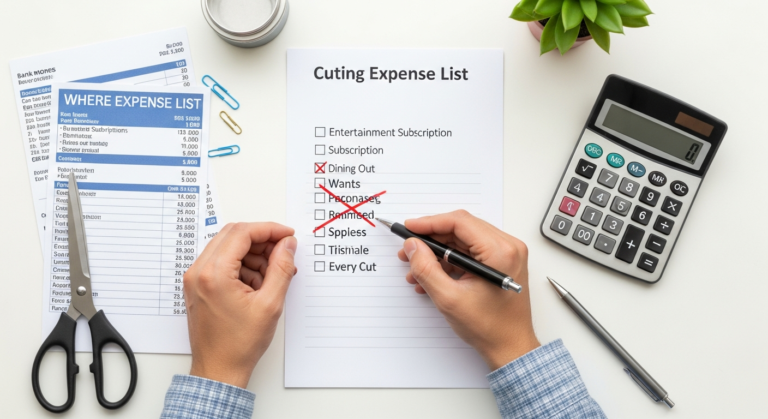
- Audit All Your Subscriptions: Go through your bank statements and credit card bills line by line. List every recurring subscription: streaming services (Netflix, Hulu, Disney+, Spotify), gym memberships, app subscriptions, software, meal kits, beauty boxes, online newspapers, cloud storage, etc.
- Cancel Unused Subscriptions: Be ruthless. If you haven’t used a service in a month or two, cancel it. Do you really need three streaming services? Probably not all at once. Rotate them! Cancel one, binge what you want, then switch to another next month. This alone can save $30-$60 per month.
- Downgrade Plans: Do you need the premium ad-free version of a service, or would the cheaper ad-supported tier suffice? Can you switch from a family plan to an individual plan if usage has changed?
- Share Accounts (Where Allowed): If a service allows family sharing, consolidate.
- Utilize Free Entertainment:
- The Library: Your local library offers free books, audiobooks, movies, music, and even passes to local museums and attractions.
- Free Events: Look for free concerts, festivals, parks, hiking trails, and community events in your area.
- Host Potlucks/Game Nights: Entertainment at home with friends is often much cheaper than going out.
- “No-Spend” Challenges: Try a “no-spend” weekend or even a “no-spend” month (beyond essentials). It forces you to get creative and highlights how much you spend on non-essentials.
Tools:
Apps like Rocket Money or Mint can help you identify and manage all your subscriptions in one place, making it easier to cancel.
6. Optimize Your Financial Habits & Tackle Debt
While not a direct expense cut, managing debt and optimizing your banking habits can significantly reduce the money flowing out of your accounts.
Actionable Steps:
- Prioritize High-Interest Debt: Credit card debt and personal loans often come with sky-high interest rates (15-25% or more). Every dollar you pay in interest is a dollar you can’t save or spend on something else.
- Debt Avalanche: Pay minimums on all debts, then put any extra money towards the debt with the highest interest rate. Once that’s paid off, roll that payment into the next highest interest debt. This saves the most money on interest.
- Debt Snowball: Pay minimums on all debts, then put any extra money towards the smallest debt balance. Once that’s paid off, roll that payment into the next smallest debt. This method provides psychological wins, keeping you motivated.
- Negotiate Interest Rates: Call your credit card company and ask for a lower interest rate. If you have a good payment history, they might agree.
- Balance Transfer: Consider transferring high-interest credit card balances to a new card with a 0% introductory APR. Be very careful with this – make sure you can pay off the balance before the promotional period ends, or you’ll be hit with deferred interest.
- Build an Emergency Fund: A robust emergency fund (3-6 months of essential expenses) prevents you from relying on high-interest credit cards when unexpected costs arise (car repair, medical bill, job loss). This is a crucial step to avoiding future debt.
- Review Banking Fees: Check your bank statements for monthly maintenance fees, ATM fees, or overdraft fees. Switch to a bank that offers free checking, refunds ATM fees, or has less stringent requirements to waive fees. Even $10-$15 in fees can add up to $120-$180 a year.
- Avoid Impulse Buys: Implement a “24-hour rule” for non-essential purchases. If you still want it after 24 hours, then consider it. Often, the urge passes.
Frequently Asked Questions About Reducing Monthly Expenses
- Q: How quickly can I expect to see results from cutting expenses?
- A: You can start seeing results immediately, especially if you tackle easy wins like canceling unused subscriptions or packing your lunch. Within the first month of implementing these strategies, many people find hundreds of dollars in savings. Consistency and tackling larger expenses will yield even greater results over 3-6 months.
- Q: What if my partner isn’t on board with reducing spending?
- A: Financial decisions are often easier when both partners are aligned. Start by openly discussing your financial goals and concerns. Share the “why” behind wanting to cut expenses (e.g., “I want us to save for a down payment,” or “I’m stressed about our credit card debt”). Show them the spending tracker data to illustrate where money is going. Find common ground and start with small, mutually agreeable changes, building momentum together.
- Q: Is it okay to cut “fun” expenses completely?
- A: Not necessarily! The goal isn’t deprivation, but intentional spending. Completely eliminating all “fun” can lead to burnout and make the budget unsustainable. Instead, identify what truly brings you joy and cut back on things you don’t value as much. For example, you might reduce dining out from four times a month to two, but still keep your gym membership if fitness is a priority. The 50/30/20 rule helps allocate funds for wants responsibly.
- Q: What’s the biggest mistake people make when trying to reduce expenses?
- A: The biggest mistake is trying to do too much too fast and not tracking their spending first. Without knowing where your money is going, cuts are often arbitrary and unsustainable. Another common mistake is neglecting the “big three” expenses – housing, transportation, and food – which offer the most significant savings potential. Focusing only on small cuts while ignoring major drains won’t move the needle much.
- Q: How often should I review and adjust my budget?
- A: You should review your budget at least monthly, comparing your actual spending to your budgeted amounts. This helps you catch overspending early and make adjustments. A more comprehensive review, like adjusting categories or setting new goals, should happen quarterly or whenever there’s a significant life change (new job, moving, new family member).
Your Path to Financial Freedom Starts Today
Reducing your monthly expenses might sound daunting, but it’s a powerful journey towards financial freedom. Remember, this isn’t about punishing yourself; it’s about making conscious choices that align with your financial goals. Every small cut, every smart decision, adds up to significant savings over time. By tracking your spending, making intentional choices in housing, food, transportation, and subscriptions, and optimizing your debt management, you can free up hundreds – even thousands – of dollars each year.
The key is consistency and patience. Start with one or two areas you feel most confident tackling, celebrate your small wins, and gradually build momentum. Make 2026 the year you take absolute control of your finances. You have the power to create a more secure and less stressful financial future. What’s one step you’ll take today to start reducing your monthly expenses?