Personal Cybersecurity Best Practices: Your Essential Guide to Staying Safe Online
Fortifying Your Digital Gates: Password Management & Multi-Factor Authentication
The Imperative of Strong, Unique Passwords:
- Complexity is Key: A strong password should be a minimum of 12-16 characters, incorporating a mix of uppercase and lowercase letters, numbers, and special characters. Avoid easily guessable information like birthdays, pet names, or common dictionary words.
- Uniqueness Across Accounts: Reusing passwords across multiple sites is akin to using the same physical key for your home, car, and office. If one account is compromised, all others using the same password become vulnerable. A staggering 65% of people admit to reusing passwords, making them easy targets for credential stuffing attacks.
- Password Managers are Your Allies: Remembering dozens of complex, unique passwords is humanly impossible. This is where password managers like LastPass, 1Password, Bitwarden, or KeePass come into play. These tools securely generate and store strong passwords, allowing you to access all your accounts with a single master password. They encrypt your credentials and often include features for secure sharing and dark web monitoring. Make sure your master password for the manager is exceptionally strong and unique.
Embracing Multi-Factor Authentication (MFA):
Even the strongest password can eventually be compromised through sophisticated phishing attacks or data breaches. MFA adds an indispensable layer of security by requiring two or more verification factors to gain access to an account. These factors typically fall into three categories:
- Something You Know: Your password.
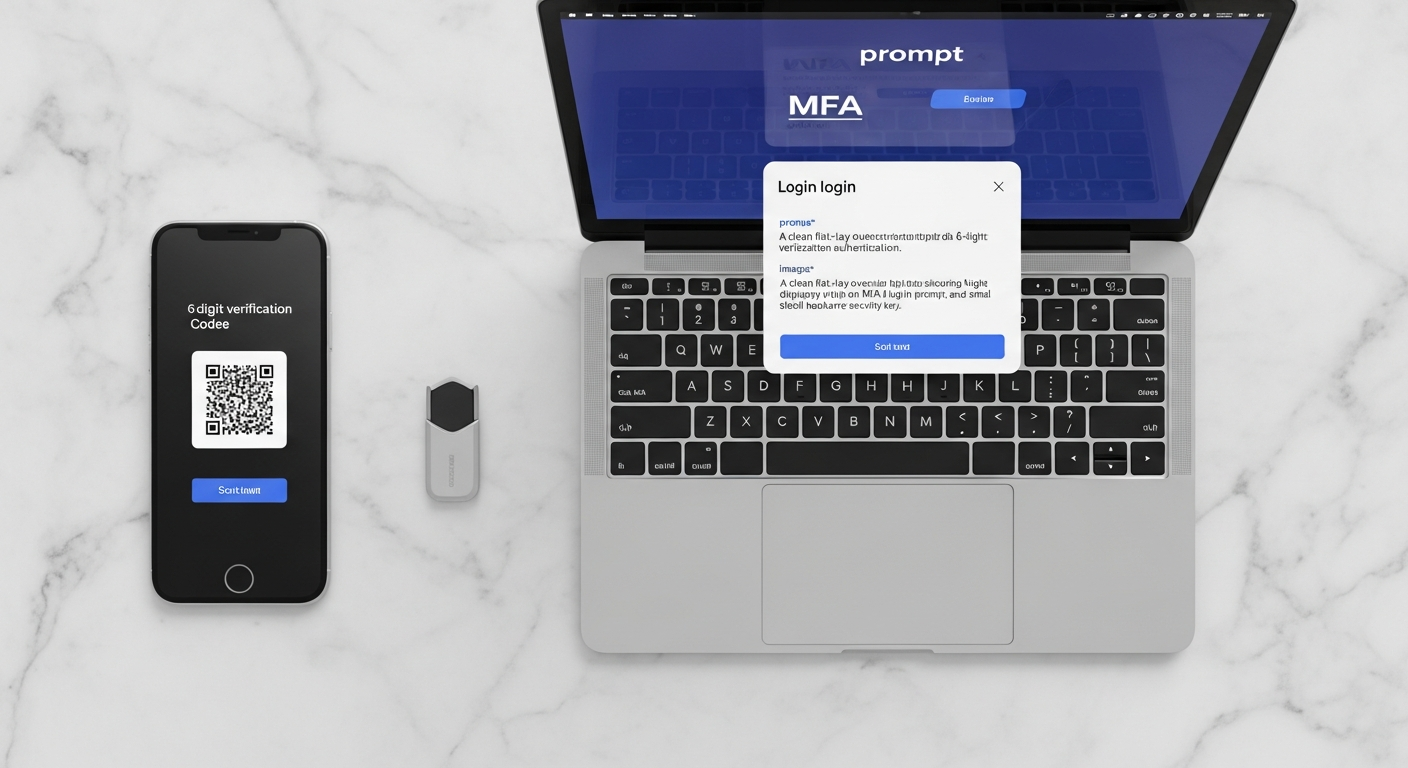
- Something You Have: A code from an authenticator app (e.g., Google Authenticator, Authy), a physical security key (e.g., YubiKey), or a one-time code sent via SMS to your phone.
- Something You Are: Biometrics like a fingerprint or facial scan.
Actionable Tips for Password & MFA:
- Adopt a reputable password manager immediately.
- Enable MFA on every service that offers it, preferring authenticator apps.
- Regularly review your passwords for strength and uniqueness using your password manager’s audit features.
- Never share your passwords with anyone.
Securing Your Devices and Software: A Proactive Stance
Your devices—laptops, smartphones, tablets—are the primary gateways to your digital life. Neglecting their security is like leaving your front door unlocked. A proactive approach to device and software security is one of the most effective personal cybersecurity best practices you can adopt.
The Criticality of Regular Software Updates:
Software vulnerabilities are continuously discovered by security researchers and, unfortunately, by malicious actors. Software developers (Microsoft, Apple, Google, app developers) routinely release updates and patches to fix these flaws. Delaying updates leaves your devices exposed to “zero-day” exploits, where attackers leverage known vulnerabilities that haven’t been patched yet. In 2023, for example, several critical vulnerabilities in widely used operating systems and applications required immediate patching to prevent widespread exploitation.
- Operating Systems: Enable automatic updates for Windows, macOS, iOS, and Android.
- Applications: Keep all your software, browsers, and mobile apps updated. Many apps offer automatic updates; ensure they are enabled.
- Firmware: Don’t forget firmware for routers, smart devices, and other hardware. These updates are less frequent but equally important.
Antivirus and Anti-Malware Solutions: Your Digital Immune System:
While operating systems have built-in security features (like Windows Defender), a dedicated antivirus/anti-malware suite provides enhanced protection against a myriad of threats, including viruses, ransomware, spyware, and Trojans. Reputable options include Norton, Bitdefender, McAfee, and Kaspersky (though choose carefully based on geopolitical considerations). These programs scan files, emails, and web traffic in real-time, detecting and quarantining malicious software before it can wreak havoc. Ensure your antivirus software is always running, up-to-date, and configured for regular scans.
Leveraging Firewalls and Encryption:
- Firewalls: Both hardware (built into your router) and software (built into your OS) firewalls monitor incoming and outgoing network traffic, blocking unauthorized access attempts. Ensure your software firewall is active and correctly configured on all devices.
- Disk Encryption: If your laptop or smartphone is lost or stolen, disk encryption renders your data unreadable to anyone without the decryption key (usually linked to your login password). Windows offers BitLocker, macOS has FileVault, and most modern smartphones encrypt data by default. Verify these features are enabled.
Physical Device Security: Often Overlooked:
Cybersecurity isn’t just about digital threats. Physical access to your device can bypass many software protections. Always use passcodes or biometrics to lock your phone and computer. Avoid leaving devices unattended in public places. Consider using anti-theft software that can locate, lock, or wipe a lost device.
Actionable Tips for Device & Software Security:
- Enable automatic updates for your OS, browsers, and critical applications.
- Install and maintain reputable antivirus/anti-malware software.
- Ensure your firewall is active and configured.
- Enable disk encryption on all laptops and desktops.
- Lock your devices with strong passwords or biometrics and be mindful of physical security.
Navigating the Web Safely: Browsing, Email, and Online Transactions
The internet is a vast resource, but it’s also a minefield of potential threats. From deceptive emails to malicious websites, understanding how to safely interact with online content is a cornerstone of personal cybersecurity best practices.
Detecting Phishing and Social Engineering:
Phishing remains one of the most prevalent and effective cyberattack methods. Attackers impersonate trusted entities (banks, government agencies, popular services) to trick you into revealing sensitive information or clicking malicious links. In 2023, the Anti-Phishing Working Group (APWG) reported a record number of phishing attacks, highlighting their pervasive nature. Look for these red flags:
- Suspicious Sender: Mismatched email addresses (e.g., “[email protected]” instead of “bank.com”).
- Generic Greetings: “Dear Customer” instead of your name.
- Urgent or Threatening Language: Demands for immediate action, threats of account suspension, or legal action.
- Grammar and Spelling Errors: Professional organizations rarely send out emails riddled with mistakes.
- Unusual Links: Hover over links (don’t click!) to see the actual URL. If it doesn’t match the purported sender, it’s likely a scam.
- Unexpected Attachments: Never open attachments from unknown or suspicious sources.
Secure Browsing Habits:
- Look for HTTPS: Always ensure websites use HTTPS (indicated by a padlock icon in the address bar). This means your connection to the site is encrypted, protecting your data in transit. Avoid entering sensitive information on HTTP-only sites.
- Browser Security Features: Modern browsers like Chrome, Firefox, Edge, and Safari have built-in security features to block malicious sites and pop-ups. Keep your browser updated to benefit from these protections.
- Be Wary of Pop-ups and Downloads: Exercise extreme caution with unexpected pop-ups asking for personal information or prompting downloads.
- Use a VPN on Public Wi-Fi: Public Wi-Fi networks (cafes, airports) are inherently insecure and easily susceptible to “eavesdropping” by cybercriminals. A Virtual Private Network (VPN) encrypts your internet traffic, creating a secure tunnel between your device and the internet, even on untrusted networks. Reputable VPNs include ExpressVPN, NordVPN, and Surfshark.
Secure Online Transactions:
- Dedicated Cards: Consider using a dedicated credit card with a low limit or a virtual card number for online purchases.
- Monitor Statements: Regularly review your bank and credit card statements for any unauthorized transactions.
- Trusted Retailers: Only shop from reputable and well-known online retailers.
- Payment Gateways: Use secure payment gateways (e.g., PayPal, Apple Pay, Google Pay) when possible, as they often add an extra layer of protection by not directly sharing your card details with merchants.
Actionable Tips for Safe Browsing & Transactions:
- Train yourself to identify phishing attempts; “think before you click.”
- Always check for HTTPS before entering sensitive information on a website.
- Use a VPN whenever connecting to public Wi-Fi.
- Only download software and files from official and trusted sources.
- Monitor financial statements regularly and report suspicious activity immediately.
Managing Your Digital Footprint and Online Privacy
Every online interaction, from a social media post to a website visit, contributes to your digital footprint—a trail of data that can reveal a surprising amount about you. Effectively managing this footprint and understanding your online privacy is a critical element of modern personal cybersecurity best practices.
Controlling Your Social Media Presence:
Social media platforms are treasure troves for cybercriminals and identity thieves. Information you share—birthdates, hometowns, pet names, even family photos—can be used to answer security questions, craft convincing phishing emails, or build a profile for identity theft. The average user has 8.4 social media accounts, making the aggregated data a significant risk.
- Review Privacy Settings: Regularly audit your privacy settings on Facebook, Instagram, LinkedIn, X (formerly Twitter), and other platforms. Restrict who can see your posts, photos, and personal information. Aim for “friends only” or “private” where possible.
- Think Before You Post: Avoid sharing excessive personal details, travel plans, or sensitive work-related information. Assume anything you post online can become public.
- Limit Third-Party App Access: Be cautious about granting third-party apps access to your social media accounts. Review and revoke permissions for apps you no longer use or trust.
Minimizing Data Sharing and Understanding Permissions:
Many apps and websites collect more data than necessary for their functionality. This data is often sold to advertisers or data brokers, increasing your exposure to potential breaches and targeted scams.
- App Permissions: On your smartphone, regularly review and restrict app permissions (location, microphone, camera, contacts) to only what’s essential for the app’s function.
- Website Trackers: Use browser extensions like Privacy Badger, uBlock Origin, or DuckDuckGo Privacy Essentials to block trackers and protect your browsing history.
- Incognito/Private Browsing: While not a silver bullet for anonymity, these modes prevent your browser from saving your history, cookies, and site data during a session, which can be useful for quick, untracked searches.
- Read Privacy Policies (or Summaries): While often lengthy, try to understand what data companies are collecting and how they use it. Websites like “Terms of Service; Didn’t Read” offer summaries.
Conscious Email Management:
Your primary email address is often the key to resetting passwords for numerous online accounts. Protecting it is paramount.
- Secondary Email Addresses: Consider using a secondary email address for newsletters, online shopping, and less critical sign-ups to minimize spam and potential exposure to your primary inbox.
- Be Wary of Email Lists: Think twice before giving your email address to unknown websites, as it can lead to increased spam and phishing attempts.
Actionable Tips for Digital Footprint & Privacy:
- Conduct an annual “privacy audit” of your social media and app settings.
- Be selective about what personal information you share online.
- Review and revoke unnecessary app permissions on your devices.
- Use privacy-focused browser extensions to block trackers.
- Consider using a secondary email for non-critical sign-ups.
Protecting Your Home Network and Smart Devices
Your home network is the central hub for all your connected devices. A poorly secured network can open a back door to all your personal data, making robust network security a critical component of personal cybersecurity best practices. With the proliferation of smart devices (IoT), the attack surface at home has significantly expanded.
Securing Your Wi-Fi Router: The Gateway to Your Home Network:
Your Wi-Fi router is your home’s digital gatekeeper. If it’s compromised, every device connected to it is at risk.
- Change Default Credentials: Immediately change the default administrative username and password of your router. These defaults are often publicly known or easily guessable, making them prime targets.
- Strong Encryption (WPA2/WPA3): Ensure your Wi-Fi network uses WPA2 or, preferably, WPA3 encryption. WEP and WPA are outdated and easily crackable.
- Strong Wi-Fi Password: Use a long, complex password (passphrase) for your Wi-Fi network, separate from your router’s admin password.
- Disable WPS: Wi-Fi Protected Setup (WPS) is a convenient feature for connecting devices, but it has known vulnerabilities. Disable it if not absolutely necessary.
- Keep Router Firmware Updated: Just like your OS and applications, router firmware receives security updates. Check your router manufacturer’s website periodically for the latest firmware and install it. Many newer routers offer automatic updates.
- Guest Network: Set up a separate guest Wi-Fi network for visitors. This isolates their devices from your main network, preventing potential malware from spreading to your personal devices.
Hardening Your Smart (IoT) Devices:
From smart speakers and thermostats to security cameras and doorbells, IoT devices add convenience but often come with security weaknesses. A survey found that 82% of consumers are concerned about the security of their smart devices, and for good reason—many are shipped with default passwords and outdated software.
- Change Default Passwords: This is paramount. Many IoT devices come with generic default passwords (e.g., “admin,” “12345”). Change these immediately to strong, unique passwords.
- Keep Firmware Updated: Regularly check for and apply firmware updates for all your smart devices. Manufacturers often release patches for discovered vulnerabilities.
- Evaluate Necessity: Before purchasing a smart device, consider if you truly need its “smart” features and if the convenience outweighs the potential privacy and security risks.
- Network Segmentation (Advanced): For more technically inclined users, creating a separate “IoT network” or VLAN can isolate smart devices from your main network, minimizing the damage if one is compromised.
- Review Privacy Settings: Many smart devices collect vast amounts of data (e.g., voice commands, video feeds). Review and adjust their privacy settings to limit data collection and sharing.
Actionable Tips for Network & IoT Security:
- Change your Wi-Fi router’s default admin username and password immediately.
- Use WPA2/WPA3 encryption with a strong, unique Wi-Fi passphrase.
- Update your router’s firmware regularly.
- Change default passwords on ALL smart devices.
- Utilize a guest Wi-Fi network for visitors and smart devices when possible.
Data Backup and Incident Response: Your Safety Net
Even with the most rigorous personal cybersecurity best practices in place, incidents can still occur. Data breaches, hardware failures, or ransomware attacks can lead to significant data loss. Having a robust data backup strategy and a clear incident response plan is your ultimate safety net.
The Golden Rule of Backups: The 3-2-1 Strategy:
The 3-2-1 backup rule is a widely accepted industry standard:
- 3 Copies of Your Data: This includes your primary data and two backups.
- 2 Different Media Types: Store your backups on at least two different types of storage, such as an internal hard drive and an external hard drive, or an external hard drive and cloud storage.
- 1 Off-site Copy: Keep at least one copy of your backup data in a physically separate location. This protects against disasters like fire, flood, or theft at your primary location.
Regularity is Key: Backups are only as good as their recency. Automate backups whenever possible (e.g., nightly, weekly) for critical files and systems. For highly sensitive data, consider incremental backups throughout the day. The cost of data loss can be substantial, both financially and emotionally, far exceeding the cost of a good backup solution.
Types of Backup Solutions:
- External Hard Drives: Affordable and straightforward for local backups. Disconnect them when not in use to protect against ransomware.
- Cloud Storage: Services like Google Drive, Dropbox, OneDrive, or dedicated backup services like Backblaze or Carbonite offer automated off-site backups with versioning. Ensure you use strong passwords and MFA for these accounts.
- Network Attached Storage (NAS): A more advanced solution for home users, offering centralized storage and backup capabilities over your home network.
Developing an Incident Response Plan: What to Do When Things Go Wrong:
Knowing how to react quickly and effectively can minimize damage. Your personal cybersecurity best practices should include a plan for when compromise occurs.
- Identify the Breach: Recognize the signs—unusual account activity, suspicious emails, device malfunction, ransomware notes.
- Isolate the Problem: Disconnect compromised devices from the internet to prevent further spread of malware or data exfiltration.
- Change Passwords: Immediately change passwords for the compromised account and any other accounts using the same or similar credentials. Prioritize your email account.
- Notify Relevant Parties:
- Banks/Credit Card Companies: If financial accounts are affected.
- Police/FBI (IC3.gov): For serious cybercrimes, including identity theft.
- Credit Bureaus: Consider freezing your credit with Equifax, Experian, and TransUnion if identity theft is suspected.
- Restore from Backup: Once the threat is neutralized, restore your data from a clean backup.
- Learn and Adapt: Understand how the breach occurred and adjust your personal cybersecurity best practices to prevent recurrence.
Actionable Tips for Backup & Incident Response:
- Implement the 3-2-1 backup strategy for all critical data.
- Regularly test your backups to ensure they are recoverable.
- Have a plan for what to do if an account or device is compromised.
- Monitor your credit reports and financial statements for suspicious activity.
- Consider identity theft protection services for an added layer of monitoring.
Conclusion: Your Continuous Journey to Digital Resilience
In the digital age, cybersecurity is not a destination but a continuous journey. The landscape of cyber threats is constantly evolving, making diligent adherence to personal cybersecurity best practices absolutely essential. By taking proactive steps to manage your passwords, secure your devices, browse safely, protect your privacy, harden your home network, and maintain robust backups, you build an incredibly resilient digital fortress around your personal and financial life.
Remember, your vigilance is your greatest asset. Stay informed about the latest threats, regularly review your security posture, and never underestimate the value of your personal data. Making these best practices a routine part of your digital life will not only protect you from the ever-present dangers online but also empower you to engage with the digital world confidently and securely. Start implementing these strategies today—your peace of mind and financial security depend on it.
Frequently Asked Questions