
Understanding the Landscape of Anxiety
Anxiety is more than just feeling stressed; it’s a complex emotional state characterized by feelings of worry, nervousness, or unease, typically about an event or something with an uncertain outcome. While a natural human response to danger, chronic or excessive anxiety can be debilitating, impacting your decision-making, relationships, and overall quality of life. Understanding its various manifestations is the first step toward effective management.
Common Symptoms of Anxiety
- Physical Symptoms: Rapid heart rate, shortness of breath, sweating, trembling, muscle tension, headaches, digestive issues (e.g., IBS), fatigue.
- Mental Symptoms: Excessive worrying, racing thoughts, difficulty concentrating, irritability, feeling on edge, dread, fear of losing control.
- Emotional Symptoms: Restlessness, panic, feeling overwhelmed, a sense of impending doom, detachment.
The Pervasive Link Between Anxiety and Finances
One of the most significant triggers for anxiety in contemporary society is financial stress. The weight of debt, the struggle to make ends meet, the uncertainty of job security, or the challenge of saving for future goals can create a relentless cycle of worry. Financial anxiety can lead to:
- Procrastination on important financial decisions.
- Avoidance of budgeting or checking bank statements.
- Impulsive spending as a coping mechanism.
- Relationship strain due to money disagreements.
- Insomnia and other stress-related health issues.
Recognizing that financial stability and mental well-being are deeply intertwined is crucial. Many of the anxiety management tips that work effectively address both dimensions, fostering a holistic approach to a more serene existence. By acknowledging the presence of anxiety and its potential roots, we can begin to implement targeted strategies for relief and long-term resilience.
Building a Strong Foundation: Lifestyle Adjustments for Mental Well-being
Before diving into more specific techniques, it’s vital to establish a bedrock of healthy lifestyle habits. These foundational strategies significantly influence your mental resilience and your body’s ability to cope with stress, serving as powerful anxiety management tips that work consistently over time.
Prioritizing Quality Sleep
Sleep is not a luxury; it’s a fundamental biological necessity, especially for mental health. Chronic sleep deprivation exacerbates anxiety, making it harder to regulate emotions and manage stress. Aim for 7-9 hours of quality sleep per night. Here’s how:
- Establish a Consistent Schedule: Go to bed and wake up at the same time every day, even on weekends, to regulate your body’s natural sleep-wake cycle.
- Create a Relaxing Bedtime Routine: Engage in calming activities before bed, such as reading, taking a warm bath, or listening to soothing music.
- Optimize Your Sleep Environment: Ensure your bedroom is dark, quiet, and cool. Invest in comfortable bedding.
- Limit Stimulants: Avoid caffeine and heavy meals close to bedtime. Reduce alcohol consumption, as it can disrupt sleep cycles.
- Reduce Screen Time: The blue light emitted by screens (phones, tablets, computers) can interfere with melatonin production. Power down electronics at least an hour before bed.
Adequate sleep allows your brain to process emotions, consolidate memories, and repair itself, significantly reducing anxiety levels and improving your overall mood and cognitive function as you tackle the challenges of 2026.
Nourishing Your Body: The Role of Diet
What you eat profoundly impacts how you feel. A diet rich in whole foods can stabilize blood sugar, provide essential nutrients for brain health, and reduce inflammation, all of which contribute to better mood regulation and reduced anxiety.
- Embrace Whole Foods: Focus on fruits, vegetables, whole grains, lean proteins, and healthy fats. These provide sustained energy and vital nutrients.
- Limit Processed Foods and Sugar: These can lead to blood sugar spikes and crashes, triggering irritability, fatigue, and heightened anxiety.
- Reduce Caffeine and Alcohol: While tempting for a quick boost or relaxation, both can worsen anxiety symptoms. Caffeine can trigger panic attacks in sensitive individuals, and alcohol, a depressant, can disrupt sleep and mood balance.
- Consider Omega-3 Fatty Acids: Found in fatty fish (salmon, mackerel), flaxseeds, and walnuts, omega-3s are crucial for brain health and have anti-inflammatory properties that may help reduce anxiety.
- Stay Hydrated: Dehydration can cause fatigue, headaches, and irritability, mimicking or exacerbating anxiety symptoms.
A balanced diet is one of the most underrated anxiety management tips that work from the inside out, providing your body and brain with the fuel they need to thrive.
Harnessing the Power of Physical Activity
Exercise is a potent antidote to anxiety and stress. Physical activity releases endorphins, natural mood elevators, and helps reduce the levels of stress hormones like cortisol. It also provides a healthy outlet for pent-up energy and frustration.
- Aerobic Exercise: Activities like brisk walking, running, swimming, or cycling can significantly reduce anxiety and improve mood. Aim for at least 30 minutes most days of the week.
- Strength Training: Builds physical strength and also contributes to mental resilience and self-esteem.
- Yoga and Tai Chi: Combine physical postures with breathing techniques and mindfulness, making them excellent for reducing stress and promoting relaxation.
- Incorporate Movement into Your Day: Even short bursts of activity, like walking during a lunch break or taking the stairs, can make a difference.
Regular physical activity is a cornerstone among anxiety management tips that work not just for your body, but powerfully for your mind, offering a natural and effective way to manage emotional states and build physical strength.
Cultivating Inner Peace: Mindfulness and Stress Reduction Techniques
Mindfulness Meditation and Deep Breathing
Mindfulness is the practice of being present in the moment, observing your thoughts and feelings without getting caught up in them. Meditation, a formal practice of mindfulness, has been scientifically proven to reduce anxiety.
- Guided Meditation: Utilize apps (e.g., Calm, Headspace) or online resources to guide you through meditation sessions, especially when starting out.
- Body Scan Meditation: Focus your attention systematically on different parts of your body, noticing sensations without judgment.
- Mindful Breathing: Simply pay attention to the sensation of your breath as it enters and leaves your body. This anchors you to the present moment.
Deep breathing exercises are immediate anxiety management tips that work quickly to calm your nervous system:
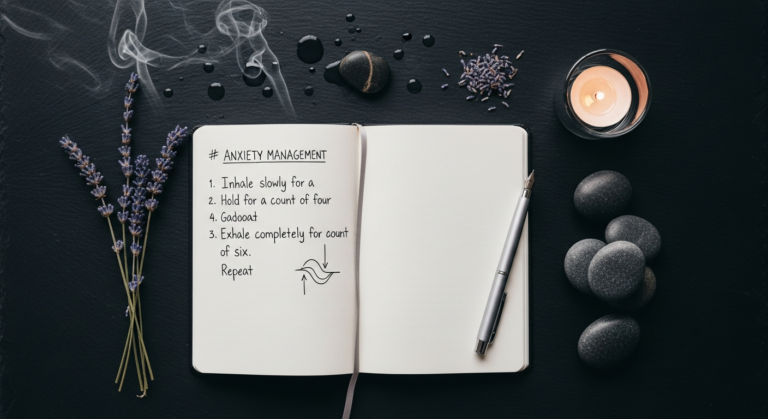
- Diaphragmatic Breathing (Belly Breathing): Inhale slowly through your nose, allowing your belly to rise, then exhale slowly through your mouth, feeling your belly fall. Repeat for several minutes.
- 4-7-8 Breathing: Inhale for a count of 4, hold your breath for a count of 7, and exhale completely for a count of 8. This technique, developed by Dr. Andrew Weil, is excellent for rapid relaxation.
Practicing these techniques even for a few minutes daily can significantly reduce overall anxiety levels and provide a tool for immediate relief during stressful moments.
Journaling for Clarity and Release
Writing down your thoughts and feelings can be incredibly therapeutic. Journaling helps you process emotions, identify triggers, and gain perspective on your worries.
- Expressive Writing: Freely write about whatever is on your mind, without censoring or judging. This can help release pent-up emotions.
- Gratitude Journaling: Regularly list things you are grateful for. This shifts your focus from what’s wrong to what’s right, fostering a more positive outlook.
- Anxiety Log: Note down when anxiety occurs, what triggered it, how it felt, and what you did to cope. This can reveal patterns and help you develop more effective coping strategies.
Journaling provides a private space for reflection and is one of the effective anxiety management tips that work by externalizing internal turmoil.
Connecting with Nature and Limiting Digital Overload
- Take Regular Walks: Even a short walk in a park or a green neighborhood can be beneficial.
- Engage Your Senses: Notice the sights, sounds, and smells of nature.
- Bring Nature Indoors: Keep plants in your home or office.
In our hyper-connected world, constant exposure to news, social media, and notifications can fuel anxiety. A digital detox can offer much-needed respite.
- Set Boundaries: Designate specific times for checking emails and social media. Avoid screens an hour before bed.
- Unplug Regularly: Schedule periods where you completely disconnect from digital devices, even for a few hours.
- Curate Your Feed: Unfollow accounts that trigger negative emotions or excessive comparison.
These strategies help you reclaim your mental space and focus on what truly matters, acting as vital anxiety management tips that work to protect your peace of mind.
Practical Financial Strategies to Alleviate Money Anxiety
Given the strong link between financial stress and general anxiety, taking proactive steps to manage your money is an incredibly powerful form of anxiety management. Gaining control over your financial situation can drastically reduce worry and foster a sense of security, which are key anxiety management tips that work effectively.
Empower Yourself with Budgeting
Budgeting is not about deprivation; it’s about gaining clarity and control over your money. It’s a roadmap that tells your money where to go, rather than wondering where it went. For many, especially those experiencing financial hardship, the thought of budgeting can itself be anxiety-inducing. However, understanding How To Budget Money Low Income is a crucial step.
- Track Your Spending: Before you can budget, you need to know where your money is currently going. Use apps, spreadsheets, or a simple notebook to meticulously record all your income and expenses for at least a month.
- Distinguish Needs vs. Wants: Identify essential expenses (housing, utilities, food, transportation, healthcare) and discretionary spending (entertainment, dining out, subscriptions). This distinction is critical when income is limited.
- Set Realistic Limits: Allocate specific amounts for each spending category. For low-income budgeting, this often means being extremely lean on wants and focusing on maximizing every dollar for needs.
- Find Creative Ways to Save: Look for free or low-cost alternatives for entertainment, cook at home, utilize public transportation, and seek out discounts or loyalty programs. Every small saving adds up.
- Utilize Community Resources: Explore local food banks, utility assistance programs, and free financial counseling services. These resources are designed to help and can significantly ease the burden of low income.
- Automate Savings (Even Small Amounts): If possible, set up an automatic transfer of even $5 or $10 into a savings account each payday. This builds a habit and a small buffer over time.
By actively engaging in budgeting, especially for those navigating low income, you transform financial uncertainty into manageable steps, thereby reducing a significant source of anxiety. It’s one of the most direct anxiety management tips that work by addressing the root cause of financial stress.
Creating a Robust Financial Plan
Beyond day-to-day budgeting, having a comprehensive financial plan provides a long-term vision and strategy, significantly reducing future financial anxiety. Learning How To Create Financial Plan is about building a secure financial future, step by step.
- Define Clear Financial Goals: What do you want your money to do for you? Set specific, measurable, achievable, relevant, and time-bound (SMART) goals. Examples include building an emergency fund, paying off debt, saving for a down payment, or planning for retirement.
- Assess Your Current Financial Standing: Compile a clear picture of your assets (what you own) and liabilities (what you owe). This balance sheet forms the baseline for your plan.
- Build an Emergency Fund: This is paramount. Aim to save 3-6 months’ worth of living expenses in an easily accessible savings account. This fund acts as a crucial buffer against unexpected expenses, a primary driver of financial anxiety.
- Develop a Debt Management Strategy: Prioritize high-interest debts (credit cards, personal loans) and create a plan to pay them down, such as the snowball or avalanche method. Reducing debt frees up cash flow and significantly lowers stress.
- Plan for Future Investments: Even if starting small, understand the basics of investing for long-term growth. Explore options like employer-sponsored retirement plans (401k, 403b), IRAs, or low-cost index funds. Consistent, even modest, contributions over time can build substantial wealth by 2026 and beyond.
- Review and Adjust Regularly: Your financial plan isn’t set in stone. Life changes, so commit to reviewing your plan quarterly or annually (e.g., in early 2026) to ensure it still aligns with your goals and circumstances.
A well-crafted financial plan provides a sense of direction and control, transforming vague worries about the future into concrete, actionable steps. This proactive approach is among the most effective anxiety management tips that work to build long-term peace of mind.
Enhance Financial Literacy
Knowledge is power, especially when it comes to your money. The more you understand about personal finance, the less intimidating it becomes, and the more confident you’ll feel in making decisions.
- Read Books and Blogs: Diaal News and other reputable sources offer a wealth of information.
- Take Online Courses: Many free or affordable courses can teach you about investing, budgeting, and debt management.
- Seek Professional Advice: Consider consulting a financial advisor, especially for complex situations or long-term planning.
Empowering yourself with financial knowledge is a crucial step in reducing money-related anxiety and building a more secure future.
Building Resilience and Self-Efficacy: Fostering Inner Strength
Managing anxiety is also about building an internal reservoir of strength that allows you to face challenges head-on and bounce back from setbacks. This involves cultivating resilience and a strong sense of self-efficacy – the belief in your ability to succeed. These are invaluable anxiety management tips that work to build a robust mental framework.
Cultivating a Growth Mindset and Positive Self-Talk
How you perceive challenges and talk to yourself significantly impacts your anxiety levels. A growth mindset views challenges as opportunities for learning and development, rather than insurmountable obstacles.
- Challenge Negative Thoughts: When anxious thoughts arise, question their validity. Ask yourself: “Is this thought truly accurate? What’s the evidence for it? What’s an alternative perspective?”
- Practice Positive Affirmations: Replace self-defeating thoughts with constructive, encouraging statements. Instead of “I can’t do this,” try “I will try my best, and I can learn from the outcome.”
- Reframe Setbacks: View failures or mistakes not as endpoints, but as valuable learning experiences that contribute to your growth and knowledge.
This internal dialogue is a powerful tool for Build Confidence And Self Esteem, which directly contributes to your ability to manage anxiety.
Setting Achievable Goals and Celebrating Progress
Overwhelm often fuels anxiety. Breaking down large goals into smaller, manageable steps can make them less daunting and provide a sense of accomplishment along the way. This strategy is particularly effective when trying to build confidence and self-esteem.
- Small Victories Matter: Focus on achieving small, daily or weekly goals. Each accomplishment, no matter how minor, reinforces your belief in your capabilities. For example, if your goal is to save $1,000, celebrate saving the first $50.
- Track Your Progress: Visually seeing how far you’ve come can be incredibly motivating. Use journals, apps, or charts to monitor your achievements.
- Acknowledge Your Efforts: Don’t just celebrate the outcome; acknowledge the effort and discipline you put in. This builds intrinsic motivation.
By consistently achieving small goals, you gradually Build Confidence And Self Esteem, which in turn reduces the grip of anxiety and reinforces that you have effective anxiety management tips that work within your reach.
Learning New Skills and Expanding Your Horizons
Acquiring new knowledge or skills can boost your self-worth and provide a sense of mastery, reducing feelings of helplessness that often accompany anxiety. This could be anything from a new hobby to professional development.
- Professional Development: Enrolling in a course, attending workshops, or learning a new software can enhance your career prospects and financial stability, directly addressing sources of anxiety.
- Creative Pursuits: Engaging in art, music, writing, or crafting can provide a meditative escape and a sense of accomplishment.
- Practical Skills: Learning how to fix things around the house, cook new meals, or manage your investments better can increase your self-reliance.
Each new skill acquired contributes to your overall sense of competence, helping you Build Confidence And Self Esteem, and equipping you with more tools to navigate life’s uncertainties with less anxiety.
Building Strong Support Networks
Humans are social beings, and connection is vital for mental health. A strong support network can provide emotional comfort, practical advice, and a sense of belonging, acting as a buffer against anxiety.
- Connect with Loved Ones: Spend quality time with friends and family who uplift you. Share your feelings and listen to theirs.
- Seek Mentorship: A mentor, whether for personal growth or career development, can offer invaluable guidance and perspective.
- Join Groups or Communities: Participate in clubs, volunteer organizations, or support groups that align with your interests or challenges.
Knowing you’re not alone and that there are people who care and can offer support is one of the most comforting and effective anxiety management tips that work to alleviate feelings of isolation and overwhelming worry.
When to Seek Professional Help: Recognizing the Limits of Self-Help
While the anxiety management tips that work discussed above are incredibly powerful, it’s crucial to recognize that sometimes anxiety can be too overwhelming to manage alone. Seeking professional help is a sign of strength, not weakness, and can provide specialized tools and support for profound relief.
Signs It Might Be Time to Consult a Professional
Consider reaching out to a mental health professional if:
- Anxiety is Debilitating: Your anxiety interferes significantly with your daily life, work, relationships, or ability to perform routine tasks.
- Symptoms Are Persistent and Intense: You experience severe anxiety or panic attacks regularly, and they don’t respond to self-help strategies.
- Physical Symptoms Are Severe: You experience chronic physical symptoms (e.g., severe digestive issues, constant muscle tension, frequent headaches) that seem linked to anxiety and are impacting your health.
- You’re Using Unhealthy Coping Mechanisms: You find yourself relying on alcohol, drugs, excessive eating, or other destructive behaviors to cope with anxiety.
- Thoughts of Self-Harm: If you ever have thoughts of harming yourself or others, seek immediate professional help.
Types of Professionals and Treatment Options
- Therapists/Counselors: Licensed professionals who provide talk therapy. They can help you understand the root causes of your anxiety, develop coping mechanisms, and change thought patterns.
- Cognitive Behavioral Therapy (CBT): A highly effective therapy that helps you identify and challenge negative thought patterns and behaviors contributing to anxiety.
- Dialectical Behavior Therapy (DBT): Focuses on mindfulness, emotional regulation, distress tolerance, and interpersonal effectiveness.
- Exposure Therapy: Gradually exposes you to anxiety-provoking situations or objects in a safe environment to help you overcome fears.
- Psychiatrists: Medical doctors specializing in mental health. They can diagnose mental health conditions, provide therapy, and prescribe medication if appropriate.
- General Practitioner (GP): Your family doctor can be a good first point of contact. They can rule out underlying medical conditions, offer initial advice, and refer you to mental health specialists.
There is no shame in seeking professional help. It’s an investment in your well-being, providing access to evidence-based anxiety management tips that work when self-help alone isn’t enough. Many professionals also offer virtual sessions, making access to care easier than ever in 2026.
Frequently Asked Questions
Recommended Resources
Check out Workplace Accommodations For Pregnant Employees on Protect Families Protect Choices for a deeper dive.
You might also enjoy Pneumatic Systems In Manufacturing from Mitsubishi Manufacturing.