Career Development & Job Hunting: The Complete Guide 2026
Welcome to your ultimate resource for navigating the dynamic world of career development and job hunting in 2026. The professional landscape is evolving at an unprecedented pace, driven by technological advancements, shifts in economic models, and a renewed focus on work-life integration. Whether you’re a recent graduate embarking on your first career, a seasoned professional seeking a promotion, contemplating a career change, or looking to diversify your income streams through freelancing and side hustles, this guide is designed to equip you with the most current strategies and insights. From crafting an irresistible resume and optimizing your LinkedIn profile to mastering salary negotiations, building a powerful professional network, and effectively upskilling for future roles, we cover every critical aspect. We’ll delve into the nuances of the gig economy, discuss actionable steps for career advancement, and provide a practical 12-month plan to help you achieve your professional aspirations. Prepare to unlock your full potential and build a resilient, fulfilling career path in the years ahead.
TL;DR:
The 2026 job market demands a multi-faceted approach: optimize your digital presence with a strong resume and LinkedIn, strategically pursue promotions or new ventures like freelancing, and continuously invest in upskilling and networking.
Mastering salary negotiation and understanding the gig economy are crucial for financial growth and flexibility, while a structured career action plan ensures consistent progress toward your professional goals.
This guide provides comprehensive strategies across all these areas, empowering you to thrive in today’s competitive and evolving professional landscape.
The Modern Job Search: Resumes and LinkedIn That Get You Hired
In 2026, your job application isn’t just a document; it’s a digital ecosystem designed to showcase your value. The traditional resume, while still foundational, now works in tandem with a meticulously crafted LinkedIn profile, acting as two essential pillars of your personal brand. A modern resume needs to be more than just a chronological list of jobs; it must be a concise, keyword-optimized marketing document tailored to each specific role. Applicant Tracking Systems (ATS) are ubiquitous, meaning your resume must contain relevant keywords from the job description to even be seen by human eyes. Focus on quantifiable achievements, using action verbs, and keeping the design clean and readable. Don’t waste precious space on outdated objectives; instead, start with a compelling professional summary that immediately highlights your most relevant skills and experiences.
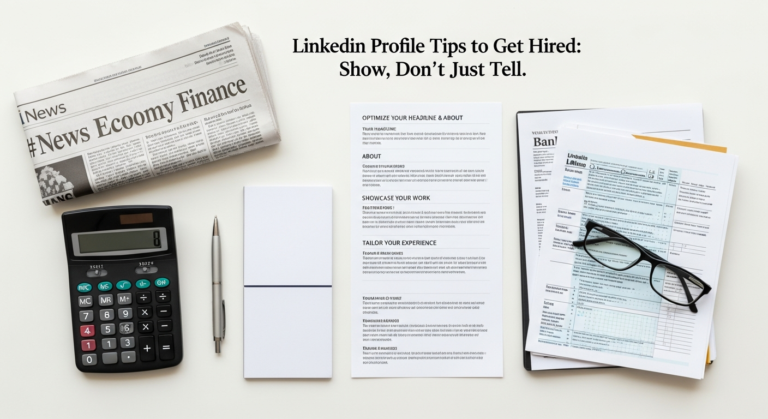
Your LinkedIn profile, on the other hand, serves as your dynamic, living portfolio. It’s where recruiters and hiring managers go to validate your resume, explore your professional network, and get a deeper sense of your personality and expertise. Optimize every section: a professional headshot, a compelling headline that goes beyond your current title, and a detailed “About” section that tells your professional story. Populate your “Experience” section with rich descriptions that elaborate on your resume’s bullet points, and actively seek recommendations from colleagues and supervisors. Crucially, engage with relevant content, share your insights, and participate in industry discussions to demonstrate your thought leadership and stay visible within your professional community. Remember, LinkedIn isn’t just for job searching; it’s a continuous networking and branding tool. Ensuring synergy between your resume and LinkedIn profile creates a powerful, consistent narrative that significantly boosts your chances of securing interviews in today’s competitive market.
Beyond content, consider the format. For resumes, PDF is generally preferred to preserve formatting, but always check the application instructions. For LinkedIn, keep your profile public and ensure your contact information is easily accessible. Regularly update both platforms, especially when you gain new skills, complete significant projects, or achieve new milestones. The goal is to present a professional, cohesive, and compelling package that makes it easy for recruiters to see you as the ideal candidate. Understanding the interplay between these two critical tools is the first step towards a successful job hunt in 2026. For more detailed guidance, explore our guides on how to write a resume that stands out and essential LinkedIn profile tips.
Side Hustles and Freelancing: Building Income Outside 9-to-5
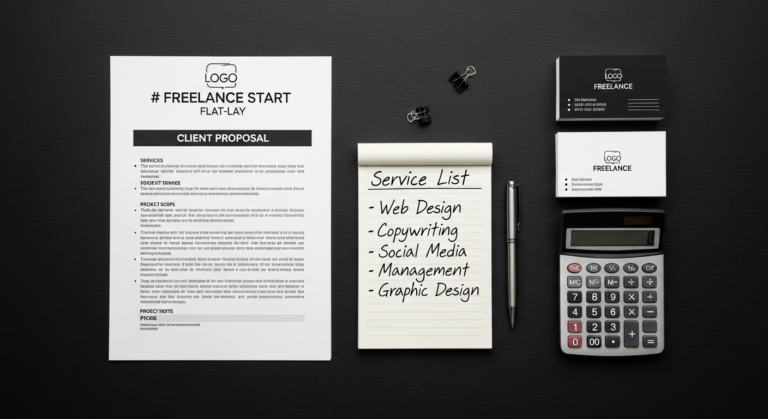
The traditional 9-to-5 job is no longer the sole pathway to financial stability or professional fulfillment. In 2026, the rise of the gig economy has normalized and even celebrated the pursuit of side hustles and freelancing, offering unparalleled flexibility, supplementary income, and opportunities for skill development. Whether you’re looking to pay off debt, save for a big purchase, explore a passion project, or even transition away from full-time employment, the world of independent work provides a vast array of options. From becoming a freelance writer, graphic designer, or web developer to offering virtual assistant services, social media management, or even leveraging personal skills like tutoring or pet sitting, the possibilities are diverse. The key is to identify your existing skills or develop new ones that are in demand and can be monetized outside of a conventional employment structure.
Starting a side hustle or embarking on a freelancing career requires a strategic approach. First, clearly define your offerings and target audience. What problem do you solve, and for whom? Research market rates for your services to ensure you’re pricing competitively yet profitably. Building a strong online presence is crucial; this might involve creating a professional portfolio website, optimizing your profiles on freelance platforms like Upwork or Fiverr, and actively marketing your services through social media or professional networks. Time management becomes paramount when balancing a side hustle with a primary job. Develop a strict schedule, set realistic goals, and learn to prioritize tasks effectively to avoid burnout. Remember that consistency and quality are key to building a reputable brand and securing repeat clients or ongoing projects.
The gig economy itself is constantly evolving, presenting new opportunities and challenges. While it offers freedom and autonomy, it also demands self-discipline, proactive client acquisition, and a solid understanding of financial management (including taxes for self-employed individuals). Embrace continuous learning to keep your skills sharp and relevant in a competitive marketplace. Many successful freelancers started with a small side project that gradually grew into a full-time business, demonstrating the potential for significant career transformation. By strategically leveraging your talents and understanding the landscape of independent work, you can build a resilient and diversified income stream that enhances your financial well-being and professional growth. For comprehensive guidance, check out our resources on how to start freelancing, the best side hustles for 2026, and understanding the nuances of the gig economy.
Getting Promoted: Career Advancement Strategies That Work
Ascending the career ladder within your current organization requires more than just doing your job well; it demands strategic thinking, proactive behavior, and a clear understanding of what your company values. In 2026, career advancement is less about seniority and more about demonstrating impact, leadership potential, and a commitment to continuous growth. The first step towards a promotion is to consistently exceed expectations in your current role. Don’t just meet your KPIs; find ways to surpass them, take initiative on projects, and volunteer for tasks that expand your skill set and visibility. Document your achievements and quantify your contributions whenever possible, as this evidence will be invaluable during performance reviews and promotion discussions.
Beyond performance, cultivate a strong professional brand within your organization. This involves building positive relationships with colleagues across departments, seeking out mentors who can offer guidance and advocacy, and actively participating in company initiatives. Leadership potential is often assessed not just by formal titles, but by your ability to influence others, solve complex problems, and take ownership of outcomes. Look for opportunities to lead small projects, mentor junior colleagues, or represent your team in cross-functional meetings. Demonstrate a proactive attitude towards learning and development, showing that you are invested in growing into a higher-level role. This might involve taking internal training courses, pursuing external certifications, or even simply reading industry publications to stay ahead of trends.
Crucially, communicate your aspirations clearly to your manager. Schedule regular one-on-one meetings to discuss your career goals, ask for feedback on your performance, and inquire about the specific skills or experiences required for the next level. Work with your manager to create a development plan that outlines the steps you need to take to achieve a promotion. Don’t wait for opportunities to come to you; actively seek them out and position yourself as the natural choice when a higher-level position becomes available. Understand the internal promotion process, including timelines, criteria, and who makes the final decisions. By combining exceptional performance, strategic networking, continuous development, and clear communication, you significantly increase your chances of securing that coveted promotion. For a more detailed roadmap, refer to our guide on how to get a promotion.
Negotiating Your Salary and Job Offer
Salary negotiation is often one of the most intimidating yet critical aspects of career development, whether you’re starting a new job or seeking a raise in your current role. In 2026, understanding how to effectively negotiate can significantly impact your lifetime earnings and overall job satisfaction. The key to successful negotiation lies in thorough preparation and a confident, data-driven approach. Before entering any discussion, research salary benchmarks for your role, industry, experience level, and geographic location. Utilize resources like Glassdoor, Salary.com, LinkedIn, and industry-specific surveys to gather accurate market data. This knowledge empowers you to articulate a reasonable and competitive salary range, preventing you from underselling yourself or making unrealistic demands.
When presented with a job offer, avoid accepting it immediately. Express enthusiasm, but ask for time to review the offer in detail. This pause allows you to carefully assess all components of the compensation package, which extends beyond just the base salary. Consider benefits such as health insurance, retirement plans (401k matching), paid time off, bonuses, stock options, professional development allowances, and even flexible work arrangements. A strong benefits package can often add significant value, even if the base salary isn’t at the absolute top of your desired range. Prioritize what matters most to you and be prepared to articulate why certain elements are important.
During the negotiation conversation, maintain a positive and collaborative tone. Frame your requests based on the value you bring to the organization and the market data you’ve gathered, rather than solely on personal needs. Be specific about your desired salary or benefits, but also be open to compromise. If the company cannot meet your salary expectations, explore other areas of compensation or benefits where they might have more flexibility. For instance, you might request a sign-on bonus, an earlier performance review, or additional vacation days. Remember that negotiation is a two-way street aimed at finding a mutually beneficial agreement. Practice your pitch, anticipate potential objections, and be prepared to walk away if the offer doesn’t align with your value or minimum requirements. Mastering this skill is a powerful investment in your financial future. For more in-depth strategies, consult our guide on how to negotiate a job offer effectively.
Professional Networking: Building Relationships That Open Doors
In 2026, professional networking remains an indispensable tool for career growth, job searching, and industry insight. It’s no longer just about collecting business cards; it’s about cultivating genuine relationships built on mutual respect and value. Networking opens doors to opportunities you might not find through traditional job boards, provides access to mentorship, and keeps you informed about industry trends and innovations. The most effective approach to networking is proactive and consistent, focusing on quality interactions over sheer quantity. Start by identifying your career goals and the types of people who can help you achieve them. This could include professionals in your desired industry, potential mentors, thought leaders, or even peers who are on a similar career trajectory.
Leverage both online and offline platforms. LinkedIn is a powerful digital networking tool; use it to connect with industry professionals, join relevant groups, and engage with content. Don’t just send generic connection requests; personalize them with a brief note explaining why you’d like to connect. Attend industry conferences, workshops, webinars, and local meetups. These events provide excellent opportunities for face-to-face interactions. When meeting new people, focus on listening more than talking. Ask thoughtful questions about their work, challenges, and insights. Your goal should be to learn, offer value where you can, and build rapport, rather than immediately asking for a favor or a job.
Follow-up is crucial. After an initial connection, send a personalized thank-you note or email, referencing a specific point of discussion. This reinforces the connection and keeps you top-of-mind. Nurture your network by staying in touch periodically, sharing relevant articles, offering assistance when appropriate, and celebrating their successes. Remember, networking is a long-term investment. It’s about giving as much as you receive, building a reputation as a helpful and knowledgeable professional. A strong network can provide referrals, open doors to new collaborations, offer valuable advice, and even lead to unexpected career pivots. By consistently investing in building and maintaining these relationships, you create a robust support system that will serve your career well for years to come. Dive deeper into effective strategies with our guide on how to network professionally.
Upskilling and Changing Careers in 2026
The rapid pace of technological advancement and shifting economic landscapes mean that continuous learning and adaptability are no longer optional but essential for career longevity in 2026. Upskilling, the process of learning new skills to improve your current job performance or prepare for future roles, is a critical strategy for staying relevant and competitive. This could involve mastering new software, learning a programming language, developing advanced data analysis capabilities, or enhancing soft skills like emotional intelligence and critical thinking, which are increasingly valued across industries. Identify the skills gaps in your current role or the skills that are becoming highly sought after in your industry, and then proactively seek out learning opportunities.
For those considering a career change, upskilling takes on an even more significant role. A successful career transition often requires acquiring a completely new set of competencies. This might involve formal education, such as a degree or certification program, or more flexible options like online courses, bootcamps, and self-directed learning. Start by thoroughly researching your desired new career path: what are the entry requirements, typical day-to-day responsibilities, and long-term prospects? Network with professionals already in that field to gain firsthand insights and identify the most critical skills to develop. A gradual transition, perhaps by taking on a side project or volunteering in your new area of interest, can also be an effective way to gain experience and validate your decision before making a full leap.
Regardless of whether you’re upskilling for your current role or preparing for a career change, strategic learning is key. Focus on skills that are transferable, in high demand, and align with your long-term career aspirations. Utilize a variety of learning platforms, from Coursera and edX to LinkedIn Learning and specialized industry academies. Don’t underestimate the power of experiential learning through projects, internships, or volunteer work. Showcase your newly acquired skills through updated resumes, LinkedIn profiles, and professional portfolios. Embracing a growth mindset and committing to lifelong learning will not only future-proof your career but also open up exciting new possibilities and pathways you might not have considered. For tailored advice, explore our guides on how to build in-demand skills and a comprehensive career change guide.
Your 12-Month Career Action Plan
A structured action plan is essential for translating aspirations into tangible career growth. This 12-month guide provides a framework to systematically approach your career development and job hunting goals in 2026, ensuring consistent progress and measurable results. Remember to tailor this plan to your unique circumstances and objectives.
Months 1-3: Assessment & Foundation Building
Self-Assessment: Clarify your career goals, strengths, weaknesses, values, and interests. What truly motivates you? Where do you want to be in 1, 3, or 5 years?
Market Research: Research current industry trends, in-demand skills, and salary benchmarks for your desired roles. Understand the competitive landscape.
Resume & LinkedIn Optimization: Update your resume with quantifiable achievements and keywords. Fully optimize your LinkedIn profile with a professional photo, compelling summary, and detailed experience. Seek feedback from peers or mentors.
Skill Gap Identification: Based on your goals and market research, identify critical skills you need to acquire or improve. Begin exploring learning resources.
Months 4-6: Skill Development & Networking Expansion
Upskilling Initiative: Enroll in a relevant online course, certification, or bootcamp. Dedicate specific hours each week to skill development. Apply new knowledge to personal projects or current work tasks.
Active Networking: Dedicate time weekly to professional networking. Attend industry events (virtual or in-person), connect with new professionals on LinkedIn, and schedule informational interviews. Focus on building genuine relationships.
Portfolio Development (if applicable): Start building a portfolio of your work, especially if you’re in a creative or project-based field (e.g., writing, design, coding).
Months 7-9: Visibility & Opportunity Exploration
Internal Advancement Focus: If seeking a promotion, schedule a meeting with your manager to discuss your career aspirations and create a development plan. Volunteer for high-visibility projects.
Job Application Strategy: Begin actively applying for targeted jobs. Tailor your resume and cover letter for each application. Practice interview techniques.
Side Hustle/Freelance Launch: If pursuing independent work, formally launch your side hustle or freelance service. Create a basic website or profile on relevant platforms and start seeking initial clients.
Thought Leadership: Consider writing articles, sharing insights on LinkedIn, or speaking at local events to establish yourself as an expert in your field.
Months 10-12: Negotiation & Refinement
Interview & Negotiation Mastery: Actively interview for roles. Learn and practice salary negotiation tactics. Be prepared to discuss your value and what you bring to the table.
Performance Review Preparation: If applicable, prepare for your annual performance review by documenting achievements and contributions, especially if a raise or promotion is on the table.
Feedback Integration: Solicit feedback from mentors, interviewers, or colleagues. Use this input to refine your skills, approach, and professional presentation.
Review & Plan for Next Year: At the end of 12 months, review your progress against your initial goals. Celebrate successes and identify areas for continued focus in the coming year. Adjust your long-term vision as needed.
This action plan provides a roadmap, but flexibility is key. Life happens, and opportunities can arise unexpectedly. Be prepared to adapt and iterate as you progress, always keeping your ultimate career vision in mind.
Key Takeaways for Your Career Journey in 2026
- Continuous Learning is Non-Negotiable: The professional landscape is constantly evolving. Prioritize upskilling and reskilling to stay relevant, whether through formal courses, certifications, or self-directed learning.
- Your Digital Brand Matters: A powerful online presence, spearheaded by an optimized LinkedIn profile and a tailored, ATS-friendly resume, is crucial for attracting opportunities and showcasing your expertise.
- Networking is Relationship Building: Focus on cultivating genuine connections, offering value, and maintaining communication. Your professional network is a long-term asset, not just a job-search tool.
- Embrace Diverse Income Streams: Explore side hustles and freelancing to build financial resilience, develop new skills, and potentially transition into a more autonomous career path within the growing gig economy.
- Proactive Strategy is Key: Don’t wait for opportunities; actively seek them out. This applies to promotions, salary negotiations, skill development, and career changes. Plan, execute, and iterate.
Career Development & Job Hunting Strategies Comparison
| Strategy | Primary Goal | Key Actions | Time Investment | Expected Outcome |
|---|---|---|---|---|
| Resume & LinkedIn Optimization | Attract recruiters, pass ATS, showcase skills. | Tailor resumes to job descriptions, update LinkedIn profile with achievements, use keywords, professional photo. | Moderate (initial setup) to Low (ongoing updates) | Increased interview invitations, stronger personal brand. |
| Side Hustles & Freelancing | Diversify income, skill development, explore passions, build portfolio. | Identify marketable skills, create service offerings, market on platforms/social media, manage time. | High (initial setup) to Moderate (ongoing client work) | Supplementary income, new skill acquisition, potential career pivot. |
| Getting Promoted | Career advancement within current organization, increased responsibility/salary. | Exceed expectations, take initiative, build internal network, communicate aspirations to manager, develop leadership skills. | High (ongoing performance & development) | Higher title, increased compensation, greater influence. |
| Salary Negotiation | Maximize compensation package (salary, benefits, perks). | Market research, quantify value, articulate requests clearly, practice communication, assess full offer. | Low (focused preparation per opportunity) | Higher starting salary/raise, improved benefits package. |
| Upskilling & Career Change | Future-proof career, enter new industry/role, adapt to market demands. | Identify skill gaps, enroll in courses/certifications, gain practical experience, network in new field. | High (consistent learning over time) | New career path, increased earning potential, enhanced job security. |
FAQ: Your Career Questions Answered
How frequently should I update my resume and LinkedIn profile in 2026?
You should update your LinkedIn profile continually as you achieve new milestones, complete projects, or acquire new skills. For your resume, a full update is recommended every 6-12 months, or whenever you gain significant new experience. More importantly, always tailor your resume specifically for each job application, highlighting relevant skills and experiences to match the job description’s keywords.
Is a cover letter still necessary for job applications in 2026?
Yes, in most cases, a cover letter remains highly recommended. While some applications might make it optional, a well-crafted cover letter allows you to personalize your application, explain your motivations for applying, and highlight specific experiences that directly relate to the role, which a resume alone cannot convey. It’s an opportunity to show your personality and genuine interest beyond bullet points.
What’s the best way to approach salary negotiation if I’m happy with the initial offer?
Even if you’re happy, it’s almost always beneficial to negotiate. Research market rates to ensure the offer is truly competitive. You can express enthusiasm for the role while politely asking if there’s any flexibility in the base salary, or if other benefits (like vacation time, professional development budget, or signing bonus) could be enhanced. Frame it as a desire to align the offer with your market value and the value you’ll bring to the company.
How can I effectively network if I’m an introvert or new to an industry?
Start small and focus on quality over quantity. Utilize online platforms like LinkedIn to connect with professionals and engage in discussions. Attend smaller, more focused industry events or webinars where one-on-one conversations are easier. Prepare a few open-ended questions to ask, and focus on listening. Follow up thoughtfully. Remember, networking isn’t about being an extrovert; it’s about building genuine connections over time, which introverts can excel at by focusing on deeper, more meaningful interactions.
What are the most in-demand soft skills for career growth in 2026?
Beyond technical proficiency, employers in 2026 highly value soft skills such as critical thinking and problem-solving, adaptability and flexibility, emotional intelligence, strong communication, collaboration, and creativity. These skills enable individuals to navigate complex challenges, work effectively in diverse teams, and thrive in rapidly changing environments, making them crucial for both current job performance and future career advancement.
Conclusion: Charting Your Course for a Thriving Career
The journey of career development and job hunting in 2026 is an exciting, albeit complex, expedition. As this comprehensive guide illustrates, success in today’s professional landscape demands a proactive, multi-faceted approach. From meticulously crafting your digital presence with an optimized resume and LinkedIn profile to strategically pursuing promotions, diversifying your income through side hustles and freelancing, and mastering the art of negotiation, every step contributes to building a resilient and rewarding career.
The emphasis on continuous learning, robust professional networking, and a flexible mindset cannot be overstated. The gig economy is not just a trend but a fundamental shift, offering new avenues for work and skill application. By embracing upskilling, understanding market dynamics, and consistently refining your approach, you position yourself not just to react to change, but to actively shape your professional future. Remember that your career is a marathon, not a sprint, requiring ongoing self-assessment, strategic planning, and a commitment to personal and professional growth.
Next Steps:
- Review Your Goals: Revisit your career aspirations and identify one immediate action you can take based on this guide.
- Update Your Digital Footprint: Spend time enhancing your resume and LinkedIn profile today.
- Start Networking: Identify 2-3 professionals you’d like to connect with this week, either online or in person.
- Identify a Skill to Learn: Pinpoint one in-demand skill relevant to your goals and find a resource to start learning it.
- Create Your 90-Day Plan: Break down the 12-month action plan into manageable 90-day sprints to maintain momentum.
Equipped with these strategies, you are well-prepared to navigate the opportunities and challenges of 2026 and build a career that is both successful and deeply fulfilling.