Embracing the Freelance Mindset: Your First Step Towards Independence
Before diving into the practicalities of setting up your freelance business, it’s crucial to cultivate the right mindset. Freelancing isn’t just a job; it’s a lifestyle and a business venture. When you work for yourself, you become the CEO, the marketing department, the sales team, and the operations manager all rolled into one. This requires a significant shift from the employee mindset, where tasks are often dictated, and a safety net of benefits and a regular paycheck is standard.
Firstly, understand that everyone starts somewhere. The most seasoned freelancers were once beginners with zero paid client work under their belt. Your lack of traditional experience can actually be an advantage; you’re often more open to learning, more adaptable, and less constrained by conventional approaches. Embrace this beginner’s mind.
Secondly, cultivate resilience. The freelance journey is rarely a straight line. You’ll face rejections, learn from mistakes, and navigate periods of uncertainty. Building resilience means viewing setbacks not as failures, but as invaluable learning opportunities. This mental fortitude is a cornerstone of long-term freelance success. It’s about having the conviction to keep moving forward, even when the path feels unclear.
Thirdly, commit to continuous learning. The digital landscape evolves rapidly, and staying competitive means constantly acquiring new skills and refining existing ones. This proactive approach to self-improvement will not only make you more marketable but also significantly build confidence and self-esteem as you see yourself grow and overcome new challenges. Remember, your potential clients are looking for solutions to their problems, and your ability to learn and adapt makes you a valuable asset, regardless of your past.
Finally, develop a strong sense of self-discipline. Without a boss or fixed schedule, it’s easy to procrastinate. Set clear goals, create a routine, and hold yourself accountable. This initial mental preparation is as vital as any technical skill you’ll acquire.
Identifying Your Niche and Acquiring Foundational Skills
The idea of starting a business with no experience can feel daunting, but the key is to start small and focused. Your first major task is to identify a niche and then develop the foundational skills necessary to offer a valuable service. Don’t fall into the trap of thinking you need to be an expert in everything. Specialization is often the fast track to success.
Uncovering Your Hidden Talents and Interests
Begin with a self-assessment. What are you naturally good at? What do you enjoy doing in your spare time? Think about hobbies, volunteer work, or even tasks you perform for friends and family. Do you love writing? Are you good at organizing information? Do you have an eye for aesthetics? Can you navigate social media platforms with ease? These seemingly ordinary skills can be the bedrock of a freelance career.
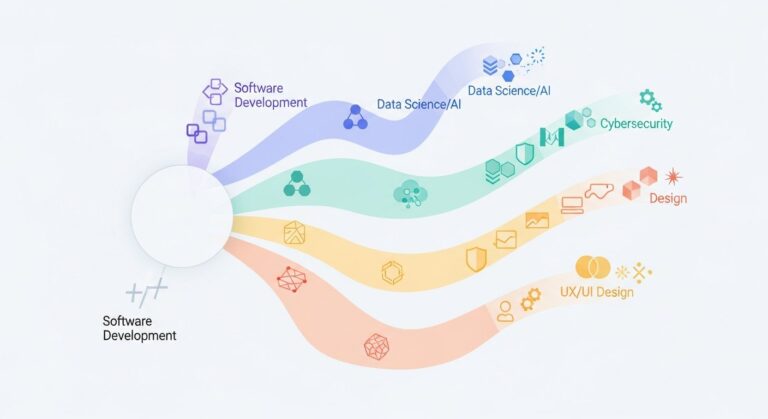
- Writing & Editing: Blog posts, articles, social media content, proofreading, copywriting.
- Graphic Design: Social media graphics, logos, presentations, basic branding.
- Virtual Assistance: Email management, scheduling, data entry, customer support.
- Social Media Management: Content scheduling, engagement, basic strategy.
- Web Development (Beginner): Simple website creation using platforms like WordPress, Squarespace, or Wix.
- Video Editing: Short-form content for social media, YouTube intros/outros.
- Data Entry & Research: Compiling information, market research.
Even if you feel you have “no experience,” you likely possess numerous transferable skills. Are you a good communicator? Organized? Detail-oriented? Punctual? These are highly valued in any freelance role. Document these attributes; they will form the core of your service offering.
Building Your Skillset from Scratch
Once you have a potential niche in mind, it’s time to acquire or hone the necessary skills. The internet is a treasure trove of learning resources, many of which are free or low-cost:
- Online Courses: Platforms like Coursera, edX, Udemy, Skillshare, and LinkedIn Learning offer structured courses taught by industry experts. Many have beginner-friendly tracks.
- YouTube Tutorials: A fantastic free resource for learning specific software, techniques, or concepts. Search for “beginner’s guide to [skill]” or “how to [task] in [software]”.
- Blogs & Podcasts: Follow industry leaders and learn from their insights.
- Practice Projects: The best way to learn is by doing. Create mock projects for imaginary clients, recreate designs you admire, or offer your services pro bono to a friend or a local non-profit. This practical application builds both skill and a nascent portfolio.
Focus on mastering one or two core skills initially, rather than trying to be a jack-of-all-trades. Deep expertise in a narrow niche is often more lucrative for beginners than broad but shallow knowledge.
Crafting Your Professional Online Presence and Portfolio
Your Essential Online Hub: The Portfolio
A portfolio is non-negotiable for freelancers. It’s your visual resume, showcasing your abilities. “But I have no experience!” you might protest. This is where creativity comes in:
- “Spec Work” or “Mock Projects”: Create projects specifically for your portfolio. For a writer, this could be blog posts on topics relevant to your niche, sample website copy, or social media updates. For a graphic designer, it might be fictional logos, social media templates, or website mockups. For a virtual assistant, perhaps a sample organizational system or a presentation you designed. The key is to treat these as if they were for real clients, demonstrating your best work.
- Pro Bono Work: Offer your services for free or at a heavily discounted rate to a small business, a local charity, or a friend who needs help. This provides real-world experience, a tangible project for your portfolio, and crucially, a testimonial.
- Personal Projects: If you’ve managed your own blog, social media, or designed invitations for a family event, these can also serve as examples of your skills.
Platforms like Behance, Dribbble (for designers), Contently (for writers), or even a simple website built with Squarespace or Wix, are excellent places to host your portfolio. Ensure it’s clean, easy to navigate, and clearly highlights your best work.
Building Your Professional Identity
Beyond the portfolio, a cohesive professional identity will lend credibility:
- LinkedIn Profile: Optimize your LinkedIn profile. Treat it as a professional resume and networking tool. Fill out every section, use a professional headshot, and highlight your new skills, even if they’re self-taught. Join relevant groups and start engaging in discussions.
- Professional Email Address: Use a professional email address (e.g., [email protected], not ‘[email protected]’).
- Basic Website/Landing Page: A simple one-page website explaining your services, showcasing your portfolio, and providing contact information adds a layer of professionalism. It doesn’t need to be fancy or expensive to start.
- Social Media Presence: If your niche is social media-related, ensure your own profiles are exemplary. For other niches, maintain a professional presence.
Remember, your online presence is your storefront. Make it inviting, informative, and indicative of the quality you can deliver.
Finding Your First Clients and Pricing Your Services Smartly
This is often the most challenging hurdle for new freelancers: securing that first paying client. With no prior client testimonials or a long list of past projects, it requires a strategic and persistent approach.
Where to Hunt for Opportunities
- Freelance Platforms: Websites like Upwork, Fiverr, PeoplePerHour, Guru, and Freelancer.com are popular starting points. While they can be competitive, they offer a structured way to find gigs. Start with smaller, lower-paying projects to gain experience and reviews. Focus on creating a compelling profile that highlights your newly acquired skills and your enthusiasm.
- Networking (Online & Offline): Let everyone you know—friends, family, former colleagues—know you’re freelancing. You never know who might need your services or know someone who does. Join online communities, Facebook groups, or local business associations relevant to your niche.
- Cold Outreach: Identify small businesses, startups, or individuals who could benefit from your services. Craft personalized emails or messages, explaining how you can solve a specific problem for them. Instead of focusing on your lack of experience, highlight the value you can bring and offer a compelling initial package.
- Local Businesses: Many local businesses (restaurants, boutiques, service providers) need help with social media, website updates, or content creation but don’t have large budgets. Approach them with tailored proposals.
When applying for jobs, customize every proposal. Generic applications rarely succeed. Show genuine interest in the client’s needs and explain how your skills, even if newly acquired, can help them achieve their goals.
Pricing Your Services When You Have No Experience
This is a delicate balance. You don’t want to undersell yourself to the point of devaluing your work, but you also need to be competitive enough to land those crucial first projects. Here’s a strategy:
- Research Industry Rates: Look at what other freelancers in your niche and experience level are charging. Websites like Glassdoor or asking in freelance communities can provide benchmarks.
- Start Slightly Lower, But Not “Free”: For your very first clients, consider offering a slightly reduced rate in exchange for a testimonial and the opportunity to build your portfolio. However, avoid working for free unless it’s a strategic pro bono project with clear benefits for your portfolio. Your time and effort have value.
- Project-Based vs. Hourly: For beginners, project-based pricing can be easier. It removes the pressure of tracking hours and allows you to focus on delivering a quality outcome. Estimate the time a project will take, and calculate a fair rate.
- Package Your Services: Instead of just offering “writing,” offer a “social media content package” that includes a certain number of posts or a “basic website setup package.” This can make your offering more appealing and easier for clients to understand.
As you gain experience and testimonials, gradually increase your rates. Your confidence in your pricing will naturally grow as your portfolio strengthens and you deliver successful projects.
Mastering Client Relationships and Professional Growth
Securing your first client is a huge win, but retaining them and growing your freelance business requires consistent effort in client management and professional development. Long-term success in freelancing is built on strong relationships and a commitment to excellence.
Cultivating Stellar Client Relationships
Excellent communication is the bedrock of successful client relationships. From the moment you begin working together:
- Set Clear Expectations: Define the scope of work, deliverables, timelines, and communication methods upfront. A simple agreement or contract, even for small projects, can prevent misunderstandings.
- Communicate Proactively: Provide regular updates on your progress. If you anticipate delays, inform the client immediately. Don’t wait for them to chase you.
- Be Responsive: Aim to respond to client inquiries within a reasonable timeframe (e.g., 24 hours). Quick communication shows professionalism and respect.
- Deliver Quality Work, On Time: This is paramount. Exceeding expectations, even slightly, will make clients eager to work with you again and refer you to others. Double-check your work for errors before submission.
- Handle Feedback Gracefully: View client feedback as an opportunity to improve, not as criticism. Understand their perspective and be willing to make reasonable revisions.
- Ask for Testimonials and Referrals: Once a project is successfully completed, ask the client for a written testimonial you can use on your website and social media. Also, politely inquire if they know anyone else who might benefit from your services. Referrals are gold for new freelancers.
Building a reputation for reliability and quality will differentiate you, especially when you are starting how to start freelancing with no experience. Happy clients are your best marketing tool.
Committing to Continuous Professional Development
The freelance landscape is dynamic. To stay competitive and grow your income, you must commit to ongoing learning and skill development:
- Upskill Regularly: Dedicate time each week or month to learning a new tool, mastering a new technique, or deepening your expertise in your niche. This could involve taking advanced online courses, attending webinars, or reading industry books.
- Expand Your Service Offerings: As you gain experience, consider adding complementary services. For example, if you started as a writer, you might learn basic SEO or content strategy. If you’re a graphic designer, you might venture into web design.
- Network with Other Freelancers: Join online forums, local meetups, or professional organizations. Learning from peers, sharing experiences, and even collaborating on projects can be incredibly valuable.
- Attend Industry Events (Virtual or In-Person): Staying abreast of trends and innovations in your field is crucial for long-term success.
Your journey as a freelancer is one of constant evolution. By investing in your skills and relationships, you’re not just securing your next gig; you’re building a sustainable and thriving career.
Financial Prudence and Long-Term Planning as a Freelancer
One of the most significant differences between traditional employment and freelancing is financial management. As an independent professional, you are solely responsible for your income, expenses, taxes, and future financial security. This demands a proactive and disciplined approach to your finances from day one, especially when you are learning how to start freelancing with no experience and income streams might initially be irregular.
Mastering Your Freelance Budget
When you’re starting out, your income might be inconsistent. This makes effective budgeting not just important, but absolutely critical. If you are wondering how to budget money low income, freelancing presents unique challenges and opportunities for mastering this skill:
- Track Everything: Every dollar earned, every dollar spent. Use budgeting apps (Mint, YNAB, PocketGuard) or a simple spreadsheet. Categorize your expenses clearly.
- Separate Finances: Open a separate bank account for your freelance income and expenses. This simplifies tax preparation and gives you a clear picture of your business’s financial health.
- Build an Emergency Fund: Aim to save at least 3-6 months’ worth of living expenses. This buffer is crucial for freelancers, providing peace of mind during lean periods or unexpected personal expenses.
- Set Aside for Taxes: This is perhaps the most overlooked aspect for new freelancers. As an independent contractor, you are responsible for paying self-employment taxes. A common recommendation is to set aside 25-35% of every payment you receive into a separate savings account specifically for taxes. Consult with a tax professional early on to understand your obligations for 2026.
- Account for Business Expenses: Factor in costs for software subscriptions, professional development, website hosting, marketing, and any specialized equipment you might need. These are legitimate business deductions.
- Pay Yourself Consistently (Eventually): Once your income stabilizes, aim to pay yourself a regular “salary” from your business account to your personal account. This helps in personal budgeting and mimics a traditional paycheck.
Creating Your Freelance Financial Plan
Beyond day-to-day budgeting, you need a long-term financial vision. This is where you create financial plan tailored to the unique aspects of freelance life:
- Define Financial Goals: What do you want your freelance income to achieve? Early retirement? A down payment on a house? Financial independence? Clear goals provide motivation and direction.
- Diversify Income Streams: As you gain experience, don’t put all your eggs in one basket. Can you offer related services? Create digital products? Teach online? Diversification provides stability.
- Plan for Retirement: Traditional employers often offer retirement plans. As a freelancer, you’re responsible for your own. Explore options like a SEP IRA or Solo 401(k). Start contributing as early as possible.
- Consider Insurance: Health insurance, disability insurance, and potentially professional liability insurance are important considerations for self-employed individuals.
- Regular Financial Reviews: At least quarterly, review your budget, income, expenses, and progress toward your financial goals. Adjust your plan as needed. The freelance world can be unpredictable, so flexibility in your financial plan is an asset.
By treating your freelance finances with the seriousness they deserve, you not only ensure the longevity of your business but also build a secure foundation for your personal future.
Cultivating Resilience and Self-Belief in Your Freelance Journey
Starting a freelance career, especially with no experience, is an act of courage. It puts you directly in the arena, where you’ll face challenges that test your resolve. This is precisely why cultivating resilience and building robust confidence and self-esteem are not merely desirable traits but essential survival tools for the independent professional.
Navigating the Inevitable Bumps in the Road
The freelance path is rarely smooth. You will encounter:
- Rejection: Pitches won’t always land. Clients won’t always choose you. Learn to detach your self-worth from every “no.” Each rejection is a lesson, not a personal failing. Analyze what could be improved in your approach, refine it, and move on.
- Imposter Syndrome: This is incredibly common, especially for new freelancers. You might feel like a fraud, despite evidence of your growing skills. Remind yourself that everyone starts somewhere, and your learning journey is valid. Focus on progress, not perfection.
- Client Challenges: Difficult clients, scope creep, or unexpected revisions can be frustrating. Develop professional boundaries and communication strategies to manage these situations calmly and effectively.
- Periods of Low Work: Income ebbs and flows are part of freelance life. Your financial plan (emergency fund!) will mitigate the stress, but mentally, it can be tough. Use these times for upskilling, marketing, or personal development.
Resilience means developing the capacity to recover quickly from difficulties. It’s about adapting in the face of adversity, learning from setbacks, and maintaining a positive outlook even when things don’t go as planned.
Strategies to Build Confidence and Self-Esteem
Your belief in yourself is your most powerful asset as a freelancer. Here’s how to nurture it:
- Celebrate Small Wins: Don’t wait for a huge project to pop the champagne. Celebrate landing your first client, getting a positive testimonial, mastering a new software, or even just sticking to your daily work schedule. These small victories accumulate and reinforce your capabilities.
- Focus on Progress, Not Perfection: It’s easy to compare yourself to established freelancers. Instead, compare yourself to who you were yesterday. Acknowledge how far you’ve come and the skills you’ve acquired since you started learning how to start freelancing with no experience.
- Gather Evidence of Success: Keep a “praise file” – a folder of positive client emails, testimonials, and successful projects. When imposter syndrome strikes, review this file to remind yourself of your value.
- Invest in Yourself: Learning new skills, attending workshops, or even hiring a mentor demonstrates a commitment to your growth, which naturally boosts confidence. The more competent you feel, the more confident you become.
- Practice Positive Self-Talk: Challenge negative internal narratives. Replace “I can’t do this” with “I will learn how to do this.” Your inner dialogue profoundly impacts your self-perception.
- Set Achievable Goals: Break down large goals into smaller, manageable steps. Successfully completing these mini-goals provides a continuous stream of accomplishment that fuels self-esteem.
- Maintain Work-Life Balance: Burnout is a confidence killer. Schedule breaks, pursue hobbies, and ensure you’re getting enough rest. A refreshed mind is a more confident and resilient mind.
- Seek Feedback Constructively: Actively solicit feedback, not just praise. Understanding your areas for improvement, and then acting on them, is a powerful way to grow and strengthen your belief in your abilities.
Your freelance journey is a marathon, not a sprint. By intentionally developing your resilience and nurturing your self-belief, you build an unshakeable foundation that will carry you through every challenge and propel you towards lasting success.
Frequently Asked Questions
How long does it typically take to get my first freelance client with no experience?▾
Do I need a business license or to register my freelance business right away?▾
What’s the best freelance platform for beginners with no experience?▾
How do I deal with imposter syndrome when I have no experience?▾
How do I set my rates when I’m just starting out with no experience?▾
What are common mistakes new freelancers make, and how can I avoid them?▾
Recommended Resources
For more on how to start, see Cervical Cancer Prevention Guide on Protect Families Protect Choices.
Learn more about this topic in Digital Twin In Manufacturing at Mitsubishi Manufacturing.