The Foundation of Financial Wellness: Why Meal Prep Matters
In the pursuit of a balanced life, we often find ourselves caught between the desire for nutritious meals and the reality of busy schedules. The convenience of takeout or pre-packaged foods can be tempting, but it often comes at a steep price—both for your health and your bank account. This is where healthy meal prep steps in, offering a strategic solution that aligns perfectly with your financial and wellness goals.
From a financial perspective, meal prepping is an undisputed champion of savings. Think about it: every time you opt for a restaurant meal or an impulse grab from the grocery store’s deli, you’re likely paying a significant premium over what it would cost to prepare the same food at home. For individuals navigating the complexities of how to budget money low income, this distinction isn’t just about saving a few dollars; it’s about making your limited resources stretch further, ensuring you have access to nutrient-dense food without compromising other essential expenses. By planning your meals, buying ingredients in bulk, and cooking at home, you drastically reduce your per-meal cost. This proactive approach helps you avoid the daily decision fatigue that often leads to expensive, unplanned food purchases, thereby plugging a significant drain on your finances.
Beyond the immediate financial gains, meal prep plays a crucial role in long-term financial health. A diet rich in whole, unprocessed foods contributes to better physical health, which in turn can lead to fewer medical expenses down the line. Preventative care, in the form of mindful eating, is an investment in your future self. It’s a tangible way to mitigate health risks and maintain vitality, allowing you to enjoy your hard-earned financial freedom for years to come. In essence, meal prep isn’t just about food; it’s an integral component of a holistic how to create financial plan, providing a practical framework for managing one of your largest variable expenses.
Moreover, the time saved through meal prepping is invaluable. Imagine reclaiming those precious minutes spent deciding what to eat, ordering food, or waiting in line. This newfound time can be redirected towards other enriching activities, whether it’s pursuing a hobby, spending quality time with loved ones, or even engaging in activities that naturally align with how to reduce screen time tips, like reading a book or going for a walk. Meal prep offers a pathway to a more organized, less stressed existence, demonstrating its multifaceted benefits far beyond the kitchen counter.
Getting Started: Your Meal Prep Blueprint for 2026
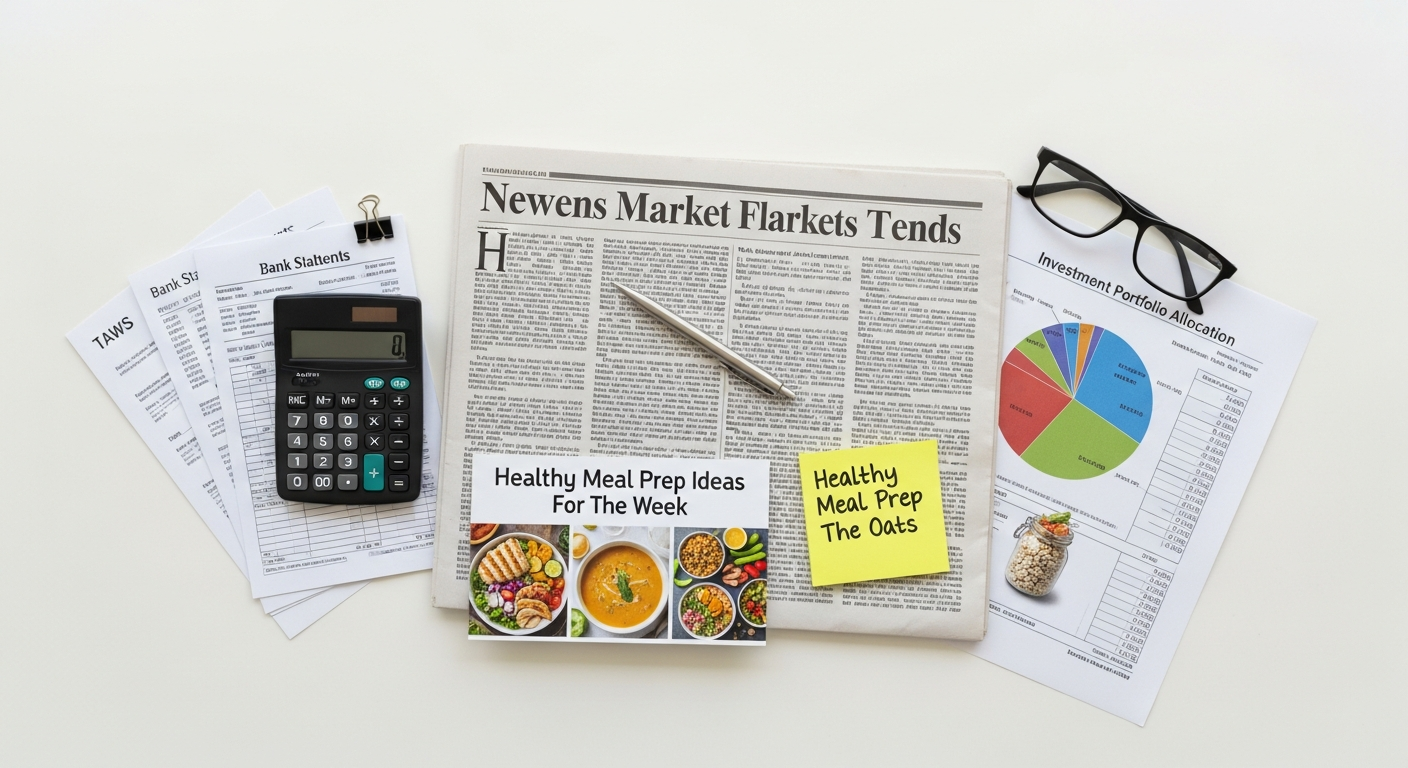
Embarking on your meal prep journey for 2026 doesn’t have to be daunting. With a clear strategy and a few essential tools, you can transform your approach to eating and budgeting. Think of this as creating a micro-financial plan specifically for your food budget, a crucial step in your broader financial strategy.
1. The Master Plan: Weekly Menu & Grocery List
- Assess Your Week: Before you even think about recipes, look at your schedule. Are there late nights at work? Weekend plans? Knowing your commitments helps you plan meals that fit your lifestyle.
- Choose Your Recipes: Start simple. Pick 3-5 recipes you enjoy and that can be easily scaled up. Focus on recipes with overlapping ingredients to minimize waste and cost. Websites like Diaal News often feature budget-friendly, healthy recipes.
- Create a Detailed Grocery List: Once your menu is set, list every ingredient you need. Check your pantry first to avoid buying duplicates. This step is critical for adhering to your budget, especially if you’re learning how to budget money low income. A precise list prevents impulse buys and ensures efficiency at the store.
- Batch Cooking vs. Component Prep: Decide if you prefer to cook entire meals in advance (batch cooking) or prepare individual components (e.g., cook all your grains, chop all your veggies) to assemble meals later. Both are effective; choose what suits your style.
2. Essential Tools for Success
While you don’t need a gourmet kitchen, a few key items will make your meal prep significantly easier and safer:
- Airtight Containers: Invest in high-quality, BPA-free containers. Glass containers are excellent as they are microwave-safe, dishwasher-safe, and don’t stain or retain odors. Varying sizes are helpful for different meal components.
- Cutting Boards & Knives: Sharp knives are safer and more efficient. Have separate boards for raw meat and produce to prevent cross-contamination.
- Large Pots & Pans: For batch cooking, a large stockpot, a sheet pan, and a spacious skillet are invaluable.
- Measuring Cups & Spoons: Essential for accurate portioning and recipe adherence.
- Food Scale (Optional but Recommended): Great for precise portion control, especially if you have specific dietary goals.
- Slow Cooker or Instant Pot (Optional): These appliances can be game-changers for hands-off cooking of proteins, stews, and grains.
3. Allocate Dedicated Time
Treat your meal prep time as a non-negotiable appointment in your calendar, just as you would any other important task in your how to create financial plan. Most people find that dedicating 2-4 hours on a Sunday (or another day off) is sufficient for a week’s worth of meals. During this time, you can:
- Wash and chop all vegetables.
- Cook grains like quinoa, brown rice, or farro.
- Roast or grill proteins such as chicken breast, fish, or tofu.
- Prepare dressings, sauces, or marinades.
- Assemble grab-and-go snacks.
By centralizing your cooking efforts, you minimize daily kitchen mess and maximize your free time during the week. This strategic time allocation also indirectly supports efforts to how to reduce screen time tips, as you free up evenings and mornings that might otherwise be spent cooking or scrolling for takeout options.
Breakfast Brilliance: Energizing Mornings, Simplified
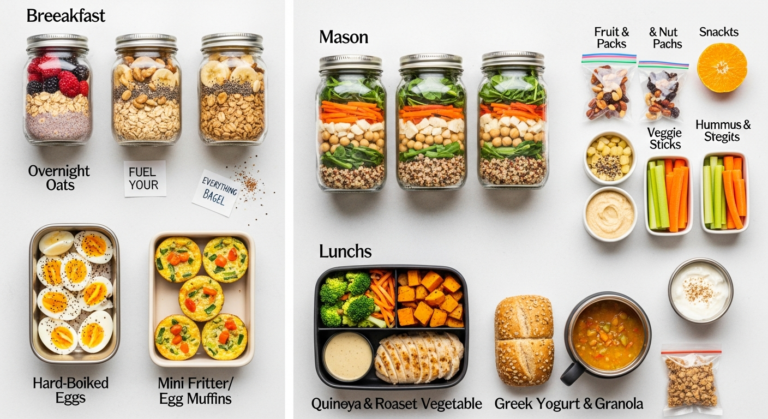
1. Overnight Oats with Endless Variations
Overnight oats are the quintessential meal prep breakfast: assemble them the night before, and wake up to a ready-to-eat, delicious meal. They are incredibly versatile and can be customized to suit any taste or dietary preference.
- Basic Recipe: In a jar or container, combine 1/2 cup rolled oats, 1 cup milk (dairy or non-dairy), 1 tablespoon chia seeds (for extra thickness and omega-3s), and a touch of sweetener like maple syrup or honey.
- Flavor Boosters:
- Berry Blast: Add a handful of mixed berries (fresh or frozen), a dollop of Greek yogurt, and a sprinkle of chopped almonds.
- Tropical Twist: Incorporate diced mango or pineapple, shredded coconut, and a squeeze of lime.
- Peanut Butter & Banana: Stir in a spoonful of peanut butter, sliced banana, and a dash of cinnamon.
- Chocolate Cherry: Add cocoa powder and pitted cherries.
- Prep Tip: Prepare 3-5 jars on Sunday, varying the toppings each day to keep things exciting. Store in the refrigerator for up to 5 days.
2. Savory Egg Muffins
These portable, protein-packed muffins are perfect for a quick breakfast at home or on the go. They’re also an excellent way to use up leftover vegetables.
- Ingredients: 12 eggs, a splash of milk, salt, pepper, and your favorite chopped veggies (spinach, bell peppers, onions, mushrooms) and lean protein (diced ham, cooked sausage, or crumbled feta cheese).
- Method: Whisk eggs with milk, salt, and pepper. Distribute chopped veggies and protein into a greased muffin tin. Pour egg mixture over the fillings, filling each cup about three-quarters full. Bake at 350°F (175°C) for 15-20 minutes, or until set and lightly golden.
- Prep Tip: Let them cool completely before storing in an airtight container in the fridge for up to 4-5 days. Reheat gently in the microwave or enjoy cold.
3. Make-Ahead Smoothie Packs
Smoothies are a fantastic way to pack a lot of nutrients into a quick meal, but daily chopping can be a deterrent. Smoothie packs solve this problem!
- Method: Portion out all your dry and frozen ingredients (fruit, spinach, protein powder, chia seeds, flax seeds) into individual freezer-safe bags or containers.
- Flavor Combos:
- Green Detox: Spinach, banana, pineapple, ginger.
- Berry Antioxidant: Mixed berries, banana, a handful of spinach (you won’t taste it!), almond butter.
- Tropical Energizer: Mango, pineapple, a small piece of fresh turmeric, coconut flakes.
- Prep Tip: In the morning, simply dump the contents of a pack into your blender, add your liquid of choice (water, milk, juice), and blend until smooth. This is a brilliant strategy for busy mornings in 2026!
Lunchbox Legends: Powering Through Your Day
Midday meals can be notorious budget-busters. Preparing your lunches in advance eliminates the temptation of expensive takeout and ensures you’re fueling your body with wholesome ingredients. These lunch ideas are designed for portability, taste, and lasting energy.
1. Mason Jar Salads: Layers of Freshness
Mason jar salads are not only visually appealing but also genius for keeping ingredients fresh and crisp until lunchtime. The key is layering.
- The Layering Technique:
- Dressing First: At the very bottom, add your dressing. This prevents other ingredients from getting soggy.
- Hardy Vegetables: Next, layer hardier vegetables that won’t absorb the dressing too quickly, such as chopped bell peppers, cucumbers, carrots, or cherry tomatoes.
- Grains/Protein: Add cooked grains (quinoa, farro, brown rice) or cooked protein (grilled chicken, chickpeas, lentils, hard-boiled eggs).
- Softer Vegetables/Cheese: Layer softer ingredients like corn, black beans, avocado, or crumbled cheese.
- Greens Last: Top with your leafy greens (spinach, kale, mixed greens).
- Popular Combinations:
- Mediterranean: Lemon-tahini dressing, cucumbers, cherry tomatoes, olives, chickpeas, feta, quinoa, spinach.
- Southwestern: Cilantro-lime dressing, corn, black beans, bell peppers, grilled chicken, brown rice, mixed greens.
- Asian Inspired: Sesame-ginger dressing, shredded carrots, edamame, mandarins, grilled shrimp or tofu, rice noodles, cabbage.
- Prep Tip: Make 3-4 jars on your prep day. When ready to eat, simply shake the jar to distribute the dressing, or pour into a bowl. They stay fresh for 3-5 days in the fridge.
2. Hearty Grain Bowls: Customizable & Satisfying
Grain bowls are incredibly flexible and a fantastic way to use up various prepped components. They provide a balanced meal with complex carbohydrates, protein, and healthy fats.
- Components to Prep:
- Grain Base: Cook a large batch of quinoa, brown rice, farro, or couscous.
- Protein: Roast chicken breast, bake salmon, pan-fry tofu, or cook lentils/black beans.
- Roasted Vegetables: Broccoli, sweet potatoes, Brussels sprouts, bell peppers – toss with olive oil and spices, then roast.
- Fresh Veggies/Toppings: Avocado slices, cherry tomatoes, shredded carrots, pickled onions, fresh herbs.
- Sauce/Dressing: Prepare a flavorful dressing (e.g., balsamic vinaigrette, peanut sauce, goddess dressing).
- Assembly: In your lunch container, layer the grain base, protein, roasted vegetables, and fresh toppings. Keep the dressing separate until just before eating to prevent sogginess.
- Prep Tip: Cook enough grains and protein for 4-5 bowls. Mix and match your roasted veggies and fresh toppings throughout the week to maintain variety and combat meal prep fatigue. This strategy is also excellent for keeping food costs low, a key aspect of how to budget money low income.
3. Wraps & Sandwiches with a Twist
Elevate your everyday sandwich or wrap by focusing on fresh, high-quality ingredients and smart prep.
- Deconstructed Wraps/Salad Kits: Instead of assembling a wrap that might get soggy, pack the components separately. Lay out large lettuce leaves or tortillas, then pack sliced deli meat (low sodium), hummus, sliced cheese, and chopped veggies (bell peppers, cucumbers, carrots). Assemble at lunchtime.
- Pinwheel Wraps: Spread a whole-wheat tortilla with cream cheese or hummus, layer with spinach, sliced turkey or ham, and shredded carrots. Roll tightly and slice into pinwheels. These are fun, easy to eat, and great for portion control.
- Prep Tip: For sandwiches, keep wet ingredients (like tomatoes or dressings) separate until you’re ready to eat, or build your sandwich on hardy bread and wrap tightly in parchment paper. For wraps, make them fresh daily if possible, or assemble the night before and store wrapped in foil in the fridge.
Dinner Delights: Healthy Evenings, Stress-Free
After a long day, the last thing many of us want to do is face a complex cooking task. Prepping dinners means less time in the kitchen during the week and more time for relaxation, family, or pursuing activities that help with how to reduce screen time tips.
1. Sheet Pan Meals: Minimal Effort, Maximum Flavor
Sheet pan meals are a weeknight hero. They involve roasting all your protein and vegetables on a single baking sheet, resulting in easy cleanup and delicious flavors.
- Method: Choose a protein (chicken thighs, sausage, firm tofu, salmon) and an assortment of non-starchy vegetables (broccoli florets, bell peppers, zucchini, asparagus). Toss everything with olive oil, salt, pepper, and your favorite seasonings (e.g., Italian herbs, paprika, chili powder, garlic powder). Spread in a single layer on a large baking sheet lined with parchment paper.
- Cooking: Roast at 400°F (200°C) for 20-30 minutes, or until protein is cooked through and vegetables are tender-crisp.
- Prep Tip: You can prep multiple sheet pan meals for the week. Chop all your veggies and portion out your protein into freezer bags with the seasonings. On cooking night, just dump onto a sheet pan and roast. This is an incredible time-saver and aligns with the efficiency goals of any solid how to create financial plan.
2. Slow Cooker Wonders: Set It and Forget It
The slow cooker is your best friend for hands-off, flavorful dinners. Load it in the morning, and come home to a delicious, ready-to-eat meal.
- Popular Slow Cooker Recipes:
- Pulled Chicken or Pork: Season chicken breasts or pork shoulder with spices, add a cup of broth or a flavorful sauce (BBQ, salsa verde), and cook on low for 6-8 hours. Shred and use for sandwiches, tacos, or grain bowls.
- Hearty Chili or Stew: Brown ground meat (or use lentils for vegetarian), add beans, diced tomatoes, broth, and spices. Cook on low for 6-8 hours.
- Chicken & Veggie Curry: Chicken, coconut milk, curry paste, and a variety of root vegetables or bell peppers.
- Prep Tip: Chop all your vegetables and measure out spices the night before. In the morning, simply dump everything into the slow cooker. Leftovers are excellent for lunch the next day, further maximizing your food budget.
3. Batch-Cooked Proteins & Grains
The simplest way to ensure healthy dinners is to have the building blocks ready. Cook a large batch of lean protein and a staple grain on your prep day.
- Proteins:
- Roast a whole chicken or several chicken breasts.
- Grill or bake a large piece of salmon or cod.
- Cook a big pot of lentils or black beans.
- Hard-boil a dozen eggs.
- Grains:
- Cook a large batch of quinoa, brown rice, or farro.
- Prepare a pot of whole wheat pasta.
- Assembly: During the week, simply combine a portion of your prepped protein and grain with steamed vegetables, a quick sauce, or a fresh salad for a complete meal. This method offers incredible flexibility and prevents mealtime boredom, while also being incredibly cost-effective for those learning how to budget money low income.
Smart Snacking & Hydration: The Unsung Heroes
Often overlooked, smart snacking and consistent hydration are vital components of a healthy meal prep strategy. They prevent energy slumps, curb unhealthy cravings, and save you from expensive, impulsive convenience store purchases. This is another area where a bit of planning can significantly impact your financial health and overall well-being in 2026.
1. Pre-Portioned Power Snacks
Having healthy snacks readily available means you’re less likely to reach for sugary, processed options when hunger strikes. Portioning them out in advance helps with calorie control and ensures you’re getting balanced nutrition.
- Nut & Seed Mixes: Create your own trail mix with almonds, walnuts, pumpkin seeds, sunflower seeds, and a few dried cranberries. Portion into small bags or containers.
- Chopped Veggies with Dip: Wash and chop carrots, celery, bell peppers, and cucumbers. Pack with individual servings of hummus, Greek yogurt dip, or guacamole.
- Fruit: Wash and portion grapes, berries, or apple slices (toss with lemon juice to prevent browning). Bananas and oranges are naturally packaged!
- Hard-Boiled Eggs: A fantastic source of protein, easy to make in a big batch.
- Greek Yogurt Parfaits: Layer plain Greek yogurt with berries and a sprinkle of granola in individual jars. Keep the granola separate until just before eating to maintain crunch.
- Energy Bites: Blend oats, nut butter, honey/maple syrup, and add-ins like chia seeds, flax seeds, or cocoa powder. Roll into balls and refrigerate.
By preparing these snacks, you not only fuel your body efficiently but also save a considerable amount of money over time, directly contributing to your ability to how to budget money low income effectively.
2. Hydration Habits: More Than Just Water
Staying adequately hydrated is crucial for energy, focus, and overall bodily function. While plain water is excellent, sometimes a little flavor encourages more intake.
- Infused Water: Fill a pitcher with water and add slices of fruit (lemon, lime, orange), cucumber, mint leaves, or berries. Allow it to infuse overnight in the fridge. This makes drinking water more appealing and helps reduce reliance on sugary drinks.
- Herbal Teas: Brew a large batch of unsweetened herbal tea (hot or iced) to sip on throughout the day.
- Prep Tip: Keep a reusable water bottle filled and within reach at all times. Prepare your infused water pitchers on your meal prep day to ensure a refreshing supply for the entire week.
Prioritizing healthy snacks and hydration is a simple yet powerful step in maintaining energy levels, supporting mental clarity, and even assisting with efforts to how to reduce screen time tips, as sustained energy can reduce the urge to seek passive entertainment.
Advanced Strategies: Maximizing Efficiency & Minimizing Waste
Once you’ve mastered the basics of meal prep, you can elevate your game with advanced techniques that further streamline your process, save more money, and ensure every ingredient is utilized to its fullest potential. These strategies are particularly beneficial as you refine your how to create financial plan and seek to optimize every aspect of your household budget.
1. Strategic Freezing for Longevity
Freezing is a superpower for meal preppers, extending the life of your food and allowing you to prepare larger batches without worrying about spoilage.
- Batch-Cooked Staples: Cook large quantities of grains (rice, quinoa), proteins (shredded chicken, cooked ground beef/turkey, lentils), and even some roasted vegetables. Portion them into freezer-safe bags or containers. Label with the date and contents.
- Soups, Stews, and Chilis: These are ideal candidates for freezing. Make a double or triple batch and freeze individual portions for quick, healthy meals on busy days.
- Smoothie Packs: As mentioned, pre-portioned smoothie ingredients freeze beautifully.
- Baked Goods: Muffins, breakfast burritos, and even some types of bread can be frozen and reheated.
- Prep Tip: Ensure food is completely cooled before freezing to prevent ice crystals and maintain quality. Use freezer-safe containers or bags, removing as much air as possible. Thaw overnight in the refrigerator or reheat directly if safe for the food item.
2. Ingredient Repurposing & “Use It Up” Meals
Minimizing food waste is a cornerstone of saving money and an essential practice for anyone focused on how to budget money low income. Embrace a mindset of using every edible part of your ingredients.
- From Roast Chicken to Tacos: A single roasted chicken can yield several meals. Enjoy it as a main course, then use shredded leftovers for chicken tacos, salads, sandwiches, or stir-fries.
- Vegetable Scraps to Broth: Keep a bag in your freezer for vegetable scraps (onion peels, carrot tops, celery ends, herb stems). Once full, use them to make a nutritious homemade vegetable broth.
- “Clean Out the Fridge” Dinners: Once a week, dedicate a meal to using up any lingering prepped components or fresh produce. Think frittatas, stir-fries, or large salads.
- Prep Tip: Plan your menu with ingredient overlap in mind. If a recipe calls for half an onion, plan another meal that uses the other half. This intentional planning is key to reducing waste.
3. Smart Grocery Shopping Techniques
Your meal prep journey begins at the grocery store. Strategic shopping is crucial for maximizing savings and efficiency in 2026.
- Shop Sales & Seasonal Produce: Plan your meals around what’s on sale and what’s in season. Seasonal produce is often cheaper and tastes better. Check weekly flyers before you write your menu.
- Buy in Bulk (Wisely): For non-perishables like grains, pasta, nuts, and seeds, buying in bulk can save money. Only buy perishable items in bulk if you can realistically consume or freeze them before they spoil.
- Stick to Your List: Your meticulously crafted grocery list is your shield against impulse purchases. Adhering to it is one of the most effective ways to how to budget money low income.
- Consider Store Brands: Often, store-brand products offer comparable quality to name brands at a fraction of the cost.
- Prep Tip: Do a quick pantry and fridge inventory before you shop. This prevents buying items you already have and ensures you utilize existing ingredients.
By integrating these advanced meal prep strategies, you’ll not only eat healthier and save money but also free up significant mental and physical bandwidth during your week. This newfound efficiency and reduction in decision fatigue can then be channeled into other enriching activities, potentially helping you implement how to reduce screen time tips by providing more engaging alternatives to digital distractions.
Frequently Asked Questions
Recommended Resources
Learn more about this topic in Just In Time Automotive Production at Mitsubishi Manufacturing.
Check out Community Organizing For Policy Change on Protect Families Protect Choices for a deeper dive.