

Understanding the Modern Imperative of Work-Life Balance
The landscape of work has undergone a dramatic transformation in recent decades, accelerated by technological advancements and evolving societal expectations. The traditional 9-to-5 workday has blurred, giving way to an ‘always-on’ culture where emails ping at all hours and the office often extends into our homes. While this flexibility can offer advantages, it also presents significant challenges to maintaining clear boundaries between work and personal life. The result is often an escalating sense of overwhelm, chronic stress, and a pervasive feeling of being stretched too thin. This imbalance doesn’t just impact individual well-being; it reverberates through relationships, health, and overall life satisfaction. Recognising this shift is the first critical step in actively seeking and establishing a more harmonious existence. It’s no longer sufficient to merely cope; the imperative now is to proactively design a life where work serves your broader goals, rather than dominating them.
The blurring lines are particularly evident with the rise of remote and hybrid work models. While these offer unparalleled convenience, they also make it easier for work to seep into every corner of our lives. The commute, once a natural buffer, has vanished for many, removing a vital transition period between professional and personal roles. Furthermore, the globalised economy means that teams are often spread across different time zones, leading to expectations of responsiveness outside traditional working hours. This constant connectivity, while enabling unprecedented levels of collaboration, can also lead to mental fatigue and burnout if not managed effectively. Understanding these contemporary pressures is crucial for developing resilient strategies for work-life balance. It requires a conscious effort to define and defend personal time, to disconnect intentionally, and to cultivate a sense of presence in all aspects of life. Ignoring these modern realities can lead to a cycle of exhaustion and diminished returns, both professionally and personally. By acknowledging the unique challenges of our current working environment, we can better equip ourselves with the tools and mindsets needed to navigate it successfully and create a sustainable model for living and working.
The Detrimental Effects of Imbalance
The consequences of a sustained work-life imbalance are far-reaching and often insidious. On a personal level, it manifests as chronic stress, anxiety, and even depression, eroding mental health. Physical symptoms can include persistent fatigue, sleep disturbances, headaches, and a weakened immune system. Relationships often suffer, as lack of time and emotional bandwidth lead to neglect of partners, family, and friends. Hobbies and personal interests are sidelined, leading to a loss of joy and a sense of identity outside of work. Professionally, while it might seem counterintuitive, an imbalanced approach often leads to decreased productivity, creativity, and engagement, ultimately hindering career progression rather than accelerating it. Burnout becomes an inevitable destination, characterised by emotional exhaustion, cynicism, and a reduced sense of personal accomplishment. Recognising these profound costs is a powerful motivator for change.
Moreover, the long-term impact on financial health can be significant. While overworking might seem like a path to greater earnings, the stress and health issues it precipitates can lead to increased medical expenses, diminished capacity for sound financial decision-making, and even career setbacks that impact income stability. For instance, an individual constantly on the verge of burnout might struggle to focus on critical tasks like How To Budget Money Low Income, missing opportunities to optimise their finances even when resources are tight. The mental fog induced by chronic stress can impair judgment, leading to impulsive spending or a lack of attention to saving and investment strategies. Thus, neglecting work-life balance can indirectly undermine one’s financial security, creating a vicious cycle where financial stress exacerbates work-life imbalance, and vice-versa. Addressing the imbalance is not just about feeling better; it’s about building a foundation for holistic well-being, which inherently includes robust financial health and the capacity to make informed decisions for a stable future.
Establishing Core Pillars for a Balanced Life
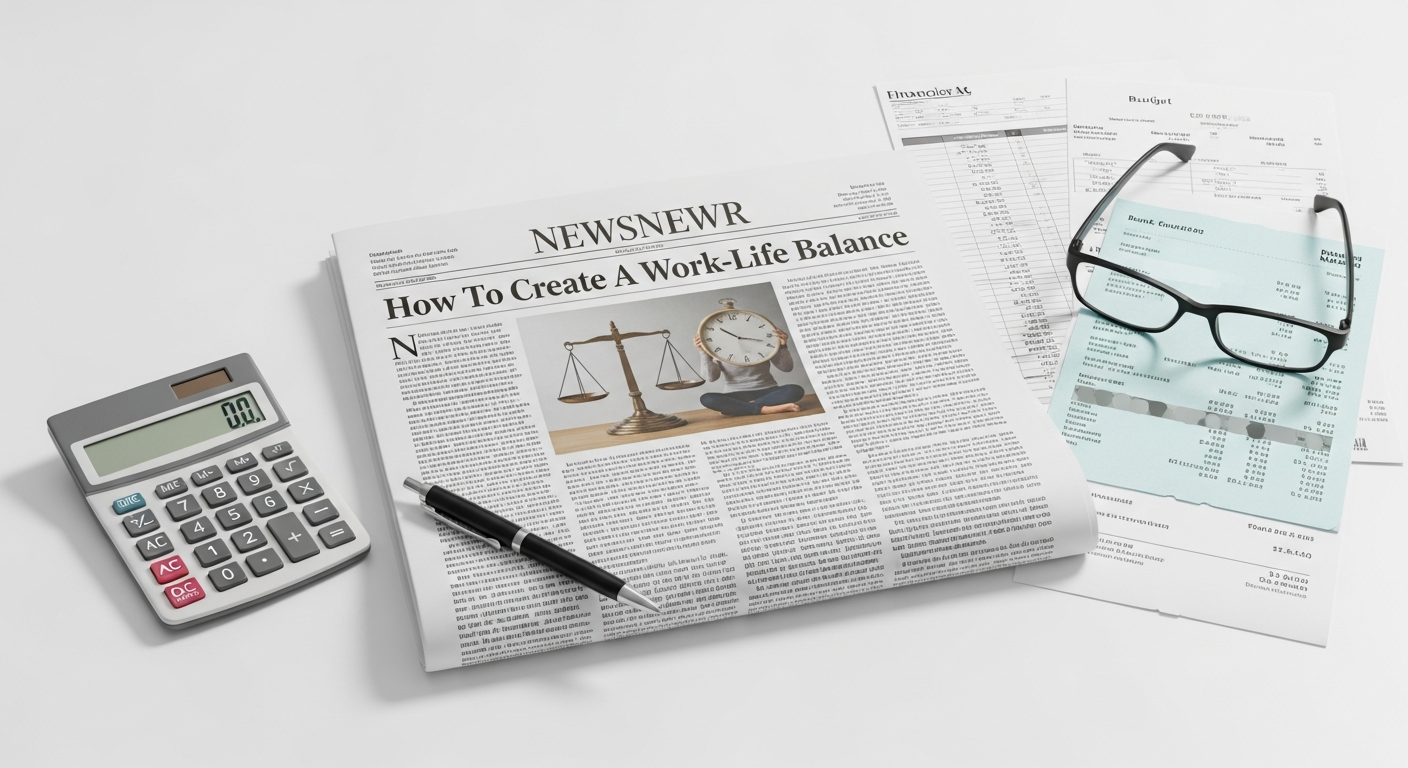
Creating a sustainable work-life balance is not about achieving a perfect 50/50 split every single day, but rather about building a framework that allows for flexibility and prioritisation across different life domains. It’s about consciously designing a life where your values are reflected in how you allocate your most precious resources: time and energy. This involves identifying what truly matters to you outside of work and then intentionally carving out space for those elements. The core pillars of a balanced life typically include physical health, mental well-being, meaningful relationships, personal growth, and financial security. Each of these pillars supports the others, and neglecting one can weaken the entire structure. For example, poor physical health can drain your mental energy, making it harder to focus at work or engage fully with loved ones. Similarly, financial stress can severely impact mental well-being, creating a constant undercurrent of anxiety that permeates all aspects of your existence. Therefore, a holistic approach is essential.
Developing these pillars requires introspection and consistent effort. It begins with self-awareness: understanding your limits, recognising your stress triggers, and knowing what truly recharges you. For some, it might be an intense workout; for others, quiet meditation or creative pursuits. The key is to personalise your approach, rather than adopting a one-size-fits-all solution. This foundation allows you to set realistic expectations and create boundaries that protect your well-being. By consciously nurturing each pillar, you build resilience against the inevitable pressures of work and life. This proactive engagement ensures that you are not merely reacting to external demands but are actively shaping your experiences in alignment with your deepest values. It’s about being intentional with your choices, recognising that every decision, no matter how small, contributes to the overall equilibrium you are striving to achieve. This intentionality is what transforms the abstract concept of balance into a tangible, achievable reality, empowering you to live a more fulfilling and integrated life.
Identifying Your Personal Values and Priorities
Before you can effectively balance anything, you must first understand what you are balancing. This involves a deep dive into your personal values and priorities. What truly matters to you? Is it family, health, creativity, community, financial independence, or something else entirely? Take time to reflect on what brings you joy, meaning, and a sense of purpose. This clarity will serve as your compass, guiding your decisions and helping you say “no” to commitments that don’t align with your core values. Without this foundational understanding, you risk constantly chasing external expectations rather than building a life that genuinely satisfies you. For instance, if family time is a high priority, you might choose to decline evening work events to ensure you’re home for dinner or bedtime stories. If health is paramount, you’ll prioritise exercise and nutritious meals, even on busy days. These choices become easier and more consistent when rooted in clear personal values.
Setting Realistic Expectations and Goals
Once your values are clear, the next step is to set realistic expectations and goals for your work-life balance. This isn’t about eliminating stress or achieving perpetual bliss; it’s about creating a sustainable rhythm. Recognise that some periods will naturally be more demanding than others, and that’s okay. The goal is to develop coping mechanisms and strategies to navigate these peaks and troughs without succumbing to burnout. Set specific, measurable, achievable, relevant, and time-bound (SMART) goals for each pillar of your balanced life. For example, instead of “I want to be healthier,” aim for “I will exercise for 30 minutes, three times a week, by the end of next month.” These concrete goals make progress visible and maintain motivation. Remember, balance is a dynamic state, not a fixed destination. It requires ongoing adjustment and self-compassion. The pursuit of perfection can be its own form of imbalance, so focus on progress over an unattainable ideal. By embracing this realistic perspective, you set yourself up for long-term success and genuine well-being, adapting your approach as life evolves.
Strategic Time Management and Boundary Setting
Mastering Your Schedule with Intentional Planning
Intentional planning is paramount. Start by auditing how you currently spend your time. Use a time-tracking app or simply jot down your activities for a week to identify time sinks and areas where you can optimise. Once you have a clear picture, begin to structure your days and weeks. Employ techniques like time blocking, where you dedicate specific blocks of time to particular tasks or activities, including work, exercise, hobbies, and family time. Use a digital calendar or a planner to visually map out your commitments. Prioritise your most important tasks (MITs) early in the day when your energy levels are highest. Batch similar tasks together to improve efficiency and reduce context-switching, which can be a significant drain on mental resources. For instance, dedicate a specific block for emails, another for focused project work, and another for administrative tasks. This structured approach ensures that you are not just busy, but productive in areas that truly matter, both professionally and personally.
Another powerful strategy is to leverage productivity frameworks such as the Pomodoro Technique (25 minutes of focused work followed by a 5-minute break) or the Eisenhower Matrix (categorising tasks by urgency and importance). These methods help you stay focused, prevent procrastination, and ensure that you are working on the right things at the right time. Remember to schedule buffer time between tasks and appointments to account for unexpected delays and allow for mental transition. Regularly review your schedule and adjust as needed, as flexibility is key to long-term success. By being deliberate about how you allocate your time, you move from a reactive state to a proactive one, gaining a profound sense of control over your day and making significant strides towards achieving your desired work-life balance. This conscious management of your most valuable resource ensures that your days are aligned with your overall life goals, rather than dictated by external pressures.
Setting and Enforcing Clear Boundaries
Boundaries are the invisible fences that protect your personal space and time from work intrusion. This is especially crucial in today’s hyper-connected world. Establish clear start and end times for your workday and stick to them as much as possible. Communicate these boundaries to colleagues and clients. For example, explicitly state your working hours in your email signature or during initial project discussions. Avoid checking work emails or taking calls outside of these hours, unless it’s a genuine emergency. If you work remotely, create a physical separation between your workspace and living space. Close the office door at the end of the day, or even better, leave your dedicated workspace entirely. The act of physically stepping away can signal to your brain that the workday is over.
One of the most significant challenges to boundary setting in the digital age is the pervasive influence of screens. To truly disconnect and recharge, it’s vital to implement How To Reduce Screen Time Tips. This could involve designating “no-screen zones” in your home, such as the bedroom or dining table, or setting specific times for a digital detox, like an hour before bed. Turn off non-essential notifications on your phone and computer. Consider using apps that monitor and limit your screen usage. Replace screen time with activities that truly rejuvenate you, such as reading a physical book, spending time in nature, pursuing a hobby, or engaging in face-to-face conversations. By consciously reducing your digital consumption, you create mental space, improve sleep quality, and enhance your ability to be present in your personal life. Enforcing these boundaries requires discipline and consistency, but the rewards—reduced stress, improved focus, and richer personal relationships—are immeasurable, contributing significantly to a harmonious work-life balance.
Financial Wellness as a Foundation for Balance
While often overlooked in discussions about work-life balance, financial wellness plays an absolutely critical role. Financial stress can be an enormous impediment to achieving equilibrium, permeating every aspect of your life and making it difficult to fully disengage from work. The constant worry about bills, debt, or future security can lead to increased work hours, an inability to take breaks or vacations, and a pervasive sense of anxiety that bleeds into personal time. Conversely, a strong financial foundation provides a sense of security and freedom, empowering you to make choices that support your well-being, whether that’s taking a calculated career risk, investing in personal development, or simply having the peace of mind to enjoy your leisure time without constant worry. Therefore, integrating robust financial planning into your work-life balance strategy is not just smart; it’s essential for long-term sustainability and happiness. It’s about creating a buffer that allows you to breathe, to step back when necessary, and to pursue opportunities that align with your values, even if they don’t offer immediate financial gains.
Mastering Your Money: Budgeting and Debt Management
The first step towards financial wellness is gaining a clear understanding and control of your income and expenses. This is where effective budgeting comes into play. Creating a detailed budget allows you to see exactly where your money is going and identify areas for optimisation. For those asking How To Budget Money Low Income, this step is even more crucial. Every dollar needs a job, and meticulous tracking can reveal surprising opportunities for saving, even with limited resources. Start by listing all your sources of income. Then, itemise all your fixed expenses (rent/mortgage, utilities, loan payments) and variable expenses (groceries, entertainment, transportation). Tools like spreadsheets, budgeting apps, or even pen and paper can help. The goal is to ensure your outflows don’t exceed your inflows and to allocate funds towards savings and debt reduction. Prioritise high-interest debts, as these can quickly spiral and become a major source of stress. Developing a debt repayment plan, whether through methods like the snowball or avalanche approach, can provide a clear path to financial freedom and significantly reduce mental burden.
Beyond simply tracking, budgeting is about making conscious choices that align with your financial goals. It might involve cutting back on non-essential spending, finding ways to reduce recurring expenses, or seeking additional income streams if your current earnings are insufficient. For individuals on a low income, budgeting often means making difficult trade-offs, but it also empowers them by providing a sense of control over their financial destiny. Every small saving, every avoided unnecessary purchase, contributes to a stronger financial position. This diligent management of resources builds confidence and reduces the anxiety that often compels people to overwork. By actively engaging with your budget, you transform your relationship with money from one of fear and scarcity to one of empowerment and strategic allocation, directly contributing to your ability to achieve and maintain a more balanced life. This proactive approach to managing your finances is a cornerstone of overall well-being, allowing you to invest in your personal life without the shadow of financial insecurity looming over you.
Building a Robust Financial Plan for the Future
Once you have a handle on your day-to-day finances, the next step is to How To Create Financial Plan for the long term. A comprehensive financial plan provides a roadmap for your future, outlining your goals and the strategies to achieve them. This typically includes setting up an emergency fund (3-6 months of living expenses), saving for retirement, investing for wealth growth, and planning for major life events like buying a home, funding education, or starting a business. A well-constructed financial plan reduces future uncertainty and provides a sense of security, which is invaluable for mental well-being and the ability to truly disengage from work. It moves you from merely surviving paycheck to paycheck to strategically building wealth and options.
Consider consulting with a financial advisor to help you navigate complex investment decisions and tailor a plan specific to your circumstances and risk tolerance. Regularly review and adjust your financial plan, especially after significant life changes or shifts in your income. Automation is your friend here: set up automatic transfers from your checking account to your savings, investment, and retirement accounts. This “pay yourself first” strategy ensures that your long-term goals are consistently funded without requiring constant manual effort. The peace of mind that comes from knowing you have a solid financial plan in place allows you to approach your work with greater clarity and less anxiety, freeing up mental and emotional energy to invest in your personal life. By taking control of your financial future by 2026, you’re not just securing your assets; you’re securing your freedom to pursue a truly balanced and fulfilling existence, unburdened by financial worries.
Prioritising Self-Care and Personal Growth
Work-life balance is fundamentally about ensuring that you have enough time and energy left for yourself after your professional obligations. Self-care is not a luxury; it is a vital component of sustainable productivity and mental resilience. Neglecting self-care inevitably leads to burnout, diminished creativity, and a reduced capacity to engage meaningfully in either work or personal life. It encompasses a wide range of activities aimed at nurturing your physical, mental, and emotional health. This means making conscious choices to replenish your energy stores, rather than constantly depleting them. Personal growth, on the other hand, is about continuously learning, evolving, and expanding your horizons outside of your professional domain. It adds richness and depth to your life, reminding you that you are more than just your job title. Both self-care and personal growth are proactive investments in yourself, yielding significant returns in terms of well-being, happiness, and overall life satisfaction.
The Non-Negotiables: Sleep, Nutrition, and Exercise
At the foundation of all self-care are the biological imperatives: adequate sleep, nutritious food, and regular physical activity. These are non-negotiable for anyone seeking a balanced life. Chronic sleep deprivation impairs cognitive function, mood, and physical health, making it harder to cope with stress and perform effectively at work. Aim for 7-9 hours of quality sleep per night. Establish a consistent sleep schedule, create a relaxing bedtime routine, and optimise your sleep environment. Similarly, a balanced diet rich in whole foods provides the sustained energy your body and mind need, while excessive consumption of processed foods, sugar, and caffeine can lead to energy crashes and mood swings. Plan your meals, keep healthy snacks on hand, and stay hydrated. Regular exercise, whether it’s a brisk walk, a yoga session, or a gym workout, is a powerful stress reliever and mood booster. It improves cardiovascular health, boosts cognitive function, and enhances sleep quality. Schedule your workouts just like any important appointment and stick to them. These three pillars form the essential infrastructure for your physical and mental well-being, directly impacting your capacity to manage the demands of a busy life.
Cultivating Hobbies, Relationships, and Mindfulness
Beyond the basics, true self-care and personal growth involve nurturing aspects of your life that bring you joy and a sense of purpose outside of work. This includes cultivating hobbies and interests that allow you to express creativity, learn new skills, or simply relax and have fun. Whether it’s painting, playing a musical instrument, gardening, hiking, or learning a new language, these activities provide an essential outlet and a sense of personal accomplishment that is independent of your professional identity. Similarly, investing time and energy in meaningful relationships with family and friends is crucial. These connections provide emotional support, a sense of belonging, and opportunities for shared experiences that enrich your life. Make an effort to schedule regular catch-ups, celebrate milestones, and be present when you are with loved ones.
Mindfulness and stress reduction techniques are also vital components. Practices such as meditation, deep breathing exercises, or simply taking a few moments to savour a cup of tea can help you stay grounded and manage stress effectively. These practices teach you to be present, to observe your thoughts and feelings without judgment, and to respond to challenges with greater calm and clarity. Dedicate time each day for quiet reflection or mindful activity. This might also involve spending time in nature, which has proven benefits for mental health. By consciously integrating these elements into your routine, you create a rich tapestry of experiences that nourish your soul, stimulate your mind, and provide a strong counterpoint to the demands of your professional life. This holistic approach to self-care and personal growth is not just about avoiding burnout; it’s about building a life that is vibrant, meaningful, and deeply satisfying, allowing you to thrive in every dimension by 2026.
Embracing Flexibility and Continuous Adjustment
Achieving work-life balance is not a one-time event or a static state; it is an ongoing process of adaptation and refinement. Life is dynamic, and your needs, priorities, and circumstances will inevitably change over time. What works perfectly for you today might not be suitable next year, especially as you navigate different career stages, personal milestones, or evolving family structures. Therefore, an essential aspect of creating a sustainable work-life balance is cultivating flexibility and a willingness to continuously adjust your strategies. This means regularly checking in with yourself, evaluating what’s working and what isn’t, and being prepared to pivot your approach. Rigidity in the face of change can be a significant barrier to maintaining equilibrium, leading to frustration and a sense of failure. Instead, view your work-life balance as a living document, subject to revisions and updates, just like a financial plan. This mindset allows for resilience and ensures that your pursuit of balance remains relevant and effective, no matter what challenges or opportunities arise.
Regularly Reviewing and Adapting Your Strategies
Make it a habit to periodically review your work-life balance strategies. This could be monthly, quarterly, or annually. Ask yourself critical questions: Am I feeling overwhelmed? Am I dedicating enough time to my personal priorities? Are my boundaries still effective? Have my values or goals shifted? Reflect on your energy levels, stress indicators, and overall satisfaction. For example, if you find yourself constantly checking work emails during family time, it might be a sign that your screen time boundaries need to be reinforced. If your budget is consistently strained, it may be time to revisit your spending habits or explore additional income streams, potentially impacting your work hours.
This review process is an opportunity to fine-tune your approach. Perhaps you need to renegotiate your working hours with your employer, delegate more tasks, or explore new productivity tools. Maybe you need to adjust your financial plan in response to a new saving goal or an unexpected expense. Be open to experimentation. Try different time management techniques, explore new self-care routines, or re-evaluate your commitments. The key is to avoid getting stuck in a rut. Life is full of unexpected twists and turns, and your ability to adapt your work-life balance strategies will determine your long-term success in maintaining harmony. This iterative process ensures that your quest for balance remains aligned with your evolving life, allowing you to navigate change with grace and maintain your well-being through all of life’s seasons.
Seeking Support and Delegating Effectively
You don’t have to achieve work-life balance in isolation. Recognise when you need support and don’t hesitate to seek it out. This could mean delegating tasks at work, asking for help from family members with household chores, or leaning on your support network for emotional encouragement. Delegation is a powerful skill, both professionally and personally. At work, it frees up your time to focus on high-impact tasks and prevents you from becoming overwhelmed. Personally, it can alleviate the burden of daily responsibilities, allowing you more time for self-care and personal pursuits. For example, if managing household finances feels overwhelming, exploring options for financial planning software or even hiring a professional for a specific task can be immensely helpful, allowing you to focus on other areas where your attention is more critical.
Furthermore, building a strong support system is invaluable. This includes open communication with your partner, family, friends, and even colleagues. Share your aspirations for work-life balance and explain why it’s important to you. They can offer practical help, emotional support, and hold you accountable. Consider joining communities or groups, either online or in person, that share your commitment to a balanced lifestyle. Learning from others’ experiences and sharing your own can provide fresh perspectives and motivation. By actively seeking support and mastering the art of delegation, you create a more resilient and sustainable framework for your work-life balance, recognising that it is a collective effort, not just an individual burden. This collaborative approach ensures that you have the resources and encouragement needed to thrive, even amidst life’s complexities, well into 2026 and beyond.
Conclusion: Your Journey to a Harmonious Life
Creating a work-life balance is a deeply personal and continuous journey, not a destination. It’s about making conscious choices every day that align with your values, protect your well-being, and ultimately lead to a more fulfilling and sustainable life. From understanding the modern pressures that challenge our equilibrium to establishing robust financial foundations, mastering time management, and prioritising self-care and personal growth, each step contributes to a holistic sense of well-being. Remember, perfection is not the goal; progress and adaptability are. By embracing flexibility, regularly reviewing your strategies, and leveraging support systems, you empower yourself to navigate the ebb and flow of life with resilience and grace. The strategies discussed here—from meticulous budgeting and financial planning to reducing screen time and setting firm boundaries—are not isolated tips but interconnected components of a comprehensive approach to living well.
As we look towards 2026, the imperative to cultivate a strong work-life balance will only intensify. The world will continue to evolve, bringing new challenges and opportunities. By proactively investing in your personal finance skills, such as learning How To Budget Money Low Income and How To Create Financial Plan, you build a bedrock of security that empowers you to make choices aligned with your overall well-being. Similarly, by implementing How To Reduce Screen Time Tips, you reclaim precious moments for genuine human connection and self-reflection. Embrace this journey with patience and self-compassion. Celebrate small victories, learn from setbacks, and always remember that your well-being is your most valuable asset. At Diaal News, we believe that a truly rich life is one where your professional aspirations are harmoniously integrated with your personal joy and vitality. Begin today to design the balanced life you deserve, and watch as every aspect of your existence flourishes.
Frequently Asked Questions
Recommended Resources
Check out Supply Chain Optimization Strategies on Mitsubishi Manufacturing for a deeper dive.
Check out Reproductive Health Rights By State on Protect Families Protect Choices for a deeper dive.