
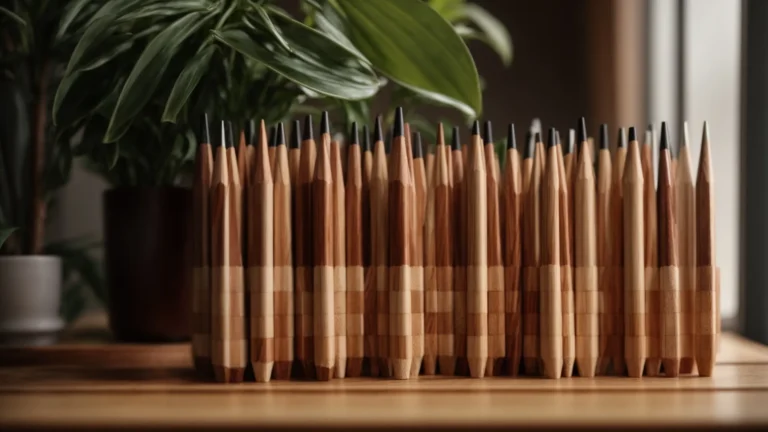
The Benefits of Choosing Sustainable Wooden Pencils
In an era where conscientious consumerism is more than just a trend, making eco-friendly choices has become a priority for many. Sustainable wooden pencils represent a small yet powerful tool in the move towards a greener planet. From their positive environmental impact to the support of sustainable practices, these pencils are proving to be more than just instruments for writing. Keep reading to understand the multifaceted benefits of choosing wooden pencils and how they contribute to a healthier, more sustainable future.
How Choosing Sustainable Pencils Supports Eco-Friendly Practices
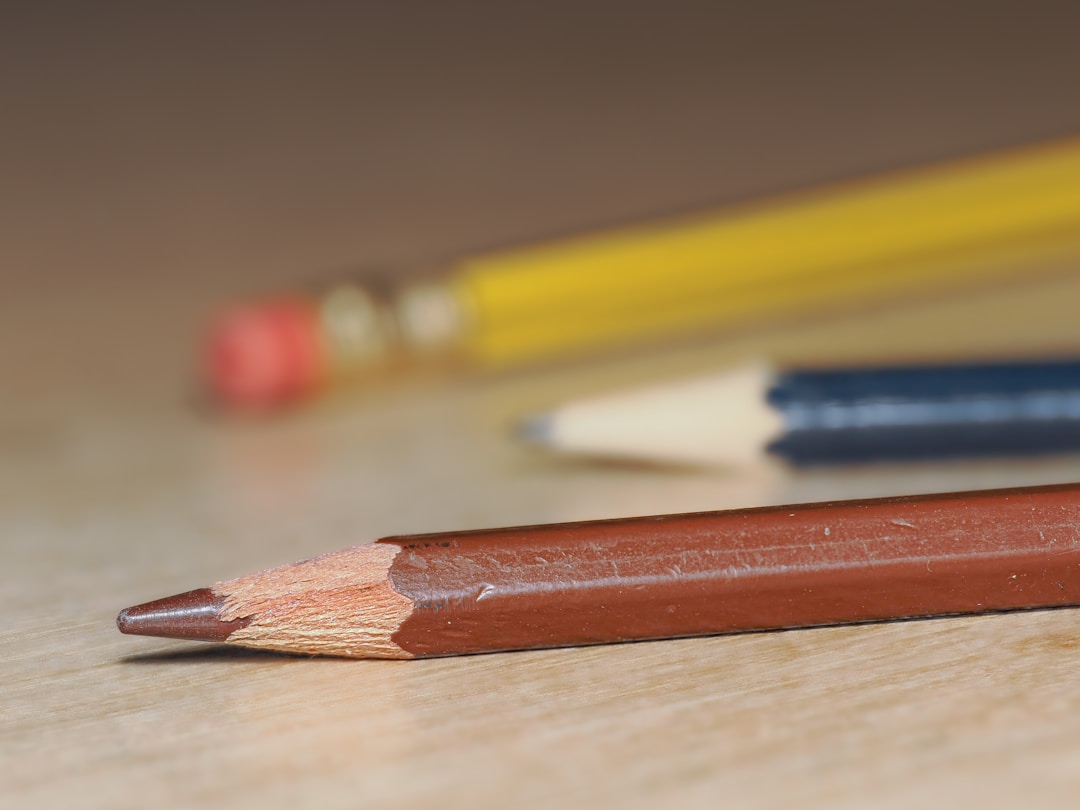
Choosing sustainably harvested wooden pencils supports eco-friendly practices across industries by encouraging manufacturers to prioritize environmental responsibility. These pencils drive demand for responsibly sourced materials, prompting suppliers and producers to meet higher sustainability standards. As companies observe the success of such products, they may adopt similar practices, fostering broader industry-wide shifts toward greener operations.
Consumer choices signal environmental priorities, motivating innovation to further reduce ecological impact. Selecting wooden over plastic pencils contributes to the global effort to minimize non-biodegradable waste, helping protect oceans and landfills. Even small decisions, like which pencil to use, play a role in promoting sustainable consumption and influencing market trends.
Exploring the Environmental Impact of Wooden Pencils
The production and disposal of traditional plastic writing utensils have a significant environmental impact, consuming non-renewable resources and generating carbon emissions. Wooden pencils, particularly those made from sustainably managed forests, provide a more eco-friendly alternative. They naturally biodegrade, reducing landfill waste, and their simpler manufacturing processes typically produce lower carbon footprints.
The most environmentally responsible pencils use certified sustainable wood, ensuring forest ecosystems are maintained through replanting. Many users are unaware that wooden pencils can be composted, returning nutrients to the soil. Forests supplying pencil wood also serve as carbon sinks, absorbing carbon dioxide and helping mitigate climate change. Choosing sustainably sourced pencils supports eco-conscious manufacturing.
The Role of Sustainable Forestry in Pencil Production
Sustainable forestry ensures the wooden pencil industry can provide raw materials without causing deforestation or harming ecosystems. Careful planning and harvesting maintain biodiversity, protect water quality, and prevent soil erosion. Certified sustainable forests, such as those endorsed by the Forest Stewardship Council (FSC), guarantee that wood meets strict environmental, social, and economic standards, allowing consumers to support responsible practices.
Planting more trees than are harvested sustains natural resources and creates jobs in the forestry sector, boosting local economies while preserving the environment. Pencils made from sustainably sourced wood help protect habitats and wildlife, enabling consumers to contribute to conservation and responsible resource management through their choices.
Wooden Pencils and Their Contribution to a Circular Economy
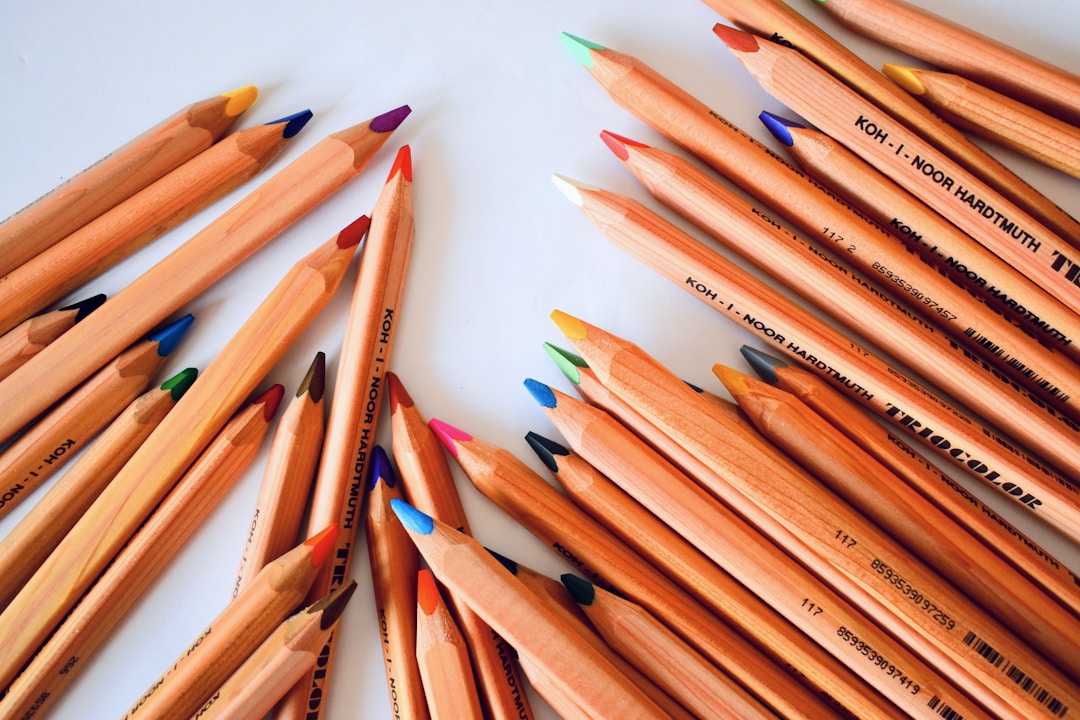
The circular economy model emphasizes keeping resources in use for as long as possible and reclaiming materials at the end of their life cycle. Wooden pencils align with this approach, as they can be reused, repurposed, or recycled. Pencil stubs can be planted or transformed into craft projects before decomposing into compost.
Made from renewable resources, wooden pencils can be produced sustainably without depleting natural reserves, and their decomposition enriches soil, completing a biological cycle. Extending the lifespan of materials reduces the need for new resource extraction, conserves energy and lessens pressure on global resources. Their simpler manufacturing process also consumes less energy and water compared to plastic alternatives.
Health and Safety Benefits of Using Natural Wooden Pencils
Wooden pencils offer several health and safety advantages over plastic writing tools. Free from chemicals like bisphenol A (BPA) and phthalates, they reduce exposure to substances that can pose risks, which is particularly important for children. The natural texture and warmth of wood provide a comfortable, ergonomic writing experience, easing strain on fingers and hands during extended use.
Wooden pencils also avoid the choking hazards associated with small plastic pen caps or breakable parts, making them safer for young users. They do not release volatile organic compounds (VOCs) like some plastic stationery, contributing to improved indoor air quality. These qualities make wooden pencils a practical choice for schools and offices prioritizing health-conscious supplies.
Altogether, the decision to choose sustainable wooden pencils is a reflection of a deeper commitment to environmental stewardship and personal well-being. By supporting the sustainable forestry industry, contributing to a circular economy, ensuring healthier product choices, and promoting eco-friendly manufacturing practices, consumers have the power to make a significant positive impact with every stroke of their pencil.
Recommended Resources
Related reading: Total Quality Management Tqm Guide (Mitsubishi Manufacturing).
For more on the benefits of, see Pcos Symptoms And Treatment Guide on Protect Families Protect Choices.