Workforce Training Programs Closing Skills Gaps
The Evolving Job Market and the Skills Gap Crisis
The modern labor market is a landscape in constant flux, shaped by forces like automation, artificial intelligence, globalization, and shifting consumer demands. What was considered a cutting-edge skill five years ago might now be foundational, or even obsolete. This relentless pace of change has exacerbated a critical challenge: the skills gap. This isn’t just a theoretical economic concept; it’s a tangible reality affecting millions of workers and thousands of businesses worldwide. Reports from organizations like the World Economic Forum consistently highlight that a significant portion of the global workforce will require reskilling or upskilling in the coming decade. For instance, the WEF’s “Future of Jobs Report 2023” projected that 44% of workers’ core skills will change by 2027. This isn’t merely about learning new software; it encompasses a broader array of competencies, from complex problem-solving and analytical thinking to creativity and emotional intelligence.
For individuals, the skills gap manifests as job insecurity, stagnation in career progression, and a struggle to find meaningful employment that matches their aspirations. Imagine a mid-career professional in manufacturing whose job now requires advanced data analytics, or a marketing specialist needing to master AI-driven campaign optimization. Without access to relevant training, these individuals risk being left behind, impacting their personal finances and long-term financial planning. The average income for workers with updated, in-demand skills can significantly outpace those whose skill sets have stagnated. For example, a data analyst with proficiency in Python and machine learning might command a salary upwards of $90,000 annually, whereas one without these specific skills might earn closer to $60,000, representing a substantial difference in earning potential that compounds over a career. This financial disparity underscores the urgency of proactive skill development. Employers, on the other hand, face challenges in recruitment, decreased productivity, and a struggle to innovate, ultimately impacting their bottom line. The cost of unfilled positions due to skills shortages can run into billions annually for national economies. Addressing this gap through targeted workforce training programs is not just a reactive measure but a strategic investment in human capital, fostering resilience for both individuals and the economy at large. It’s about empowering people to adapt, grow, and build sustainable careers in an ever-changing world, ensuring they can continue to contribute meaningfully and secure their financial well-being.
Diverse Pathways: Exploring Types of Workforce Training Programs
The landscape of workforce training programs is incredibly varied, offering a spectrum of options tailored to different learning styles, career goals, and financial situations. Understanding these diverse pathways is the first step toward making an informed decision about your own skill development.
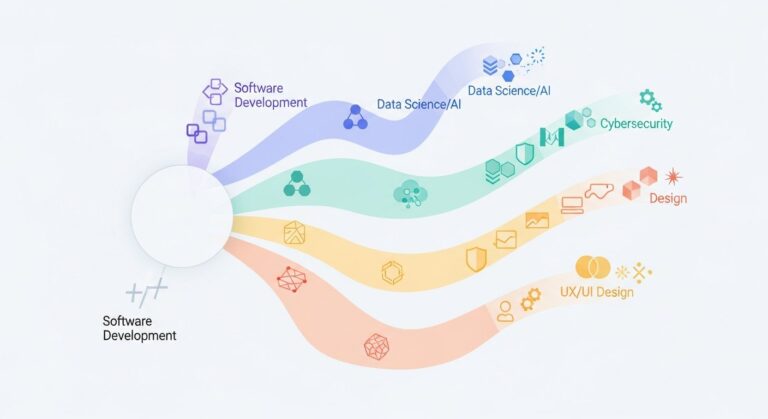
One popular and rapidly growing category is **intensive bootcamps**. These are typically short-term (ranging from 8 to 24 weeks), immersive programs designed to equip participants with job-ready skills in high-demand fields like web development, data science, cybersecurity, and UX/UI design. Companies like General Assembly, Flatiron School, and Le Wagon have become prominent players, boasting high job placement rates and often offering income share agreements (ISAs) where tuition is paid back only after securing a job above a certain salary threshold. For example, a coding bootcamp might cost between $10,000 and $20,000, but graduates often see an average salary increase of $20,000-$30,000 in their first post-bootcamp role, making the ROI quite compelling within 1-2 years.
**Professional certifications** offer another focused route to skill validation. These are often industry-recognized credentials that demonstrate proficiency in specific tools, technologies, or methodologies. Examples include Project Management Professional (PMP), Certified Public Accountant (CPA), AWS Certified Solutions Architect, or Google IT Support Professional Certificate. Many of these can be earned through self-study, online courses (Coursera, edX, LinkedIn Learning), or specialized training providers. Costs vary widely, from a few hundred dollars for an online course and exam to several thousand for more extensive, instructor-led programs. Obtaining a PMP certification, for instance, can boost a project manager’s salary by an average of 15-20%, translating to an additional $10,000-$15,000 annually.
**Apprenticeships** combine on-the-job training with classroom instruction, offering a structured path to mastering a skilled trade or profession. Traditionally associated with fields like plumbing and electrical work, modern apprenticeships have expanded into tech, healthcare, and advanced manufacturing. Participants earn a wage while they learn, making them an attractive option for those who need to maintain income. The duration can range from one to five years, culminating in a recognized credential. The U.S. Department of Labor reports that individuals who complete an apprenticeship program earn an average of $300,000 more over their career than non-apprenticeship participants.
Finally, **traditional higher education programs**, such as associate’s or bachelor’s degrees, and specialized **executive education programs** from universities, continue to play a vital role. While often more time-consuming and expensive, they provide a comprehensive theoretical foundation alongside practical skills. Many universities now offer flexible online degrees or micro-credentials specifically designed for working professionals. For example, an online Master’s in Data Science might cost $30,000-$60,000 but can open doors to senior leadership roles with salaries exceeding $120,000. Each pathway has its merits, and the best choice depends on individual circumstances, career aspirations, and willingness to invest time and resources.
| Program Type | Typical Duration | Estimated Cost Range | Key Benefits | Ideal For |
|---|---|---|---|---|
| Intensive Bootcamps | 8-24 weeks | $10,000 – $20,000 | Rapid skill acquisition, high job placement, industry focus | Career changers, those needing quick entry into tech roles |
| Professional Certifications | Weeks to 6 months | $500 – $5,000 | Industry recognition, specific skill validation, flexible learning | Upskilling in current role, validating existing knowledge |
| Apprenticeships | 1-5 years | Often free (earn while you learn) | On-the-job training, mentorship, guaranteed employment path | Trades, tech, healthcare; those seeking hands-on learning |
| Online Courses/MOOCs | Weeks to months (self-paced) | Free – $1,000 per course | Flexibility, affordability, access to diverse topics | Exploratory learning, foundational knowledge, continuous learning |
| Traditional Degrees (Associate’s/Bachelor’s) | 2-4 years | $10,000 – $50,000+ per year | Comprehensive knowledge, broad career options, academic rigor | Entry-level foundational knowledge, specific licensed professions |
The Financial Upside: ROI of Investing in Your Skills
Investing in workforce training programs is not merely about staying relevant; it’s a strategic financial decision with a quantifiable return on investment (ROI). The direct correlation between specialized skills and increased earning potential is well-documented. Consider the average salary increase for individuals who successfully complete targeted training. A study by Burning Glass Technologies found that workers who gained skills in areas like data analysis or cloud computing saw an average salary bump of 10-20% within a year. For someone earning $60,000, that’s an additional $6,000 to $12,000 annually, which can significantly impact personal savings, debt repayment, and long-term financial goals.
Beyond immediate salary increases, upskilling and reskilling offer robust long-term financial stability. In a volatile economy, possessing in-demand skills acts as a powerful buffer against job displacement. Industries experiencing rapid technological shifts often see a decrease in demand for outdated roles, but a surge for new ones. By proactively acquiring skills in areas like artificial intelligence, cybersecurity, or advanced robotics, individuals position themselves as essential assets, enhancing their job security. This resilience translates into fewer periods of unemployment, more consistent income, and greater peace of mind for financial planning. Think of it as an insurance policy for your career.
Moreover, training can open doors to entirely new career paths or promotions within your current organization. Moving from a generalist role to a specialist position, for instance, often comes with a higher pay grade and increased responsibility. A project coordinator who earns a PMP certification might qualify for a project manager role with a salary jump from $70,000 to $90,000 or more. The cumulative effect of these salary increases over a 10-15 year period can be substantial, adding hundreds of thousands of dollars to an individual’s lifetime earnings. This allows for greater contributions to retirement accounts, faster mortgage repayment, and increased capacity for wealth building.
There are also indirect financial benefits. Many employer-sponsored training programs are free or heavily subsidized, representing a significant benefit that employees might overlook. For example, a company might invest $5,000-$10,000 per employee for a specialized certification, an investment that directly benefits the individual without out-of-pocket costs. Government grants and scholarships, such as those offered through the Workforce Innovation and Opportunity Act (WIOA) in the U.S., can cover tuition costs for eligible individuals, making high-quality training accessible even for those with limited financial resources. These programs can pay for up to 100% of tuition for approved courses and certifications, effectively eliminating the financial barrier. When evaluating a training program, it’s crucial to calculate the potential ROI: compare the program’s cost (tuition, time away from work, materials) against the projected increase in earning potential and career security. The numbers often speak for themselves, revealing that the initial investment, whether in time or money, is a powerful catalyst for long-term financial growth and stability.
Strategic Choices: How to Select the Right Training Program
Choosing the right workforce training program is a pivotal decision that requires careful consideration, aligning your personal aspirations with market demands and practical constraints. It’s not enough to simply pick a program in a “hot” field; a strategic approach ensures your investment in time and money yields the best possible returns for your career and financial well-being.
First, **self-assessment is crucial**. What are your existing strengths and weaknesses? What skills do you genuinely enjoy using? What are your long-term career goals? Do you envision a lateral move, a promotion, or a complete career pivot? Tools like career interest inventories or skills gap analyses (often offered by career counselors or online platforms) can provide valuable insights. For example, if you excel at problem-solving and enjoy logical challenges, a data science or cybersecurity path might be a better fit than, say, a graphic design course, even if both are in demand. Reflect on your preferred learning style: do you thrive in immersive, fast-paced environments (bootcamps), or do you prefer self-paced, flexible online modules (MOOCs)?
Next, **conduct thorough market research**. Identify the specific skills currently in high demand within your target industry or desired role. Utilize resources like LinkedIn Jobs, Indeed, Glassdoor, and the U.S. Bureau of Labor Statistics (BLS) to analyze job descriptions and identify recurring skill requirements. Look for trends. For instance, if you’re in marketing, you might notice a consistent need for expertise in HubSpot, Google Analytics 4, or AI-powered content generation tools. The BLS Occupational Outlook Handbook provides detailed information on job growth projections and median salaries for hundreds of occupations, offering a macro view of where the opportunities lie. Aim for skills that are not only in demand today but are also projected to remain relevant for the next 5-10 years.
**Evaluate program specifics meticulously.** Beyond the cost, consider the curriculum depth, instructor qualifications, student support services, and job placement assistance. Look for programs with strong industry connections, alumni networks, and demonstrable success stories. For bootcamps, inquire about their job placement rates and the average starting salaries of graduates. For certifications, ensure they are widely recognized and valued by employers in your field. Read reviews, attend informational webinars, and if possible, speak to past graduates. Don’t be swayed solely by price; a slightly more expensive program with superior outcomes often offers a better long-term ROI. For example, a bootcamp costing $15,000 with an 85% placement rate at an average starting salary of $75,000 might be a better investment than a $5,000 program with a 40% placement rate and lower salary outcomes.
Finally, **consider funding options**. Beyond personal savings, explore employer tuition reimbursement programs (many companies offer up to $5,250 annually in tax-free educational assistance), government grants (like WIOA), scholarships from industry associations, and low-interest educational loans. Some bootcamps offer income share agreements (ISAs) or deferred tuition options, making them accessible without upfront costs. Crafting a budget that accounts for tuition, materials, and potential loss of income during training is vital for maintaining financial stability throughout the process. By combining self-awareness with diligent research and financial planning, you can select a training program that truly propels your career forward and secures your financial future.
Leveraging Digital Learning: Platforms, AI, and Accessibility
The digital revolution has democratized access to education and training, transforming how individuals acquire new skills and closing geographical and financial barriers. Online learning platforms, powered by advancements in artificial intelligence, now offer unprecedented flexibility and personalization, making continuous skill development more accessible than ever before. This shift is particularly beneficial for working professionals, parents, or those in remote areas who might not have the luxury of attending traditional in-person classes.
Platforms like Coursera, edX, and Udacity host thousands of courses, specializations, and professional certificates from top universities and industry leaders. For example, you can earn a Google IT Support Professional Certificate on Coursera for around $49 per month, taking approximately 6 months to complete. This investment of under $300 can lead to entry-level IT roles with median salaries around $55,000. LinkedIn Learning offers a vast library of courses covering business, creative, and tech skills, often included with a LinkedIn Premium subscription (around $30/month), providing an affordable way to continuously upskill. These platforms allow learners to progress at their own pace, fitting education around existing work and life commitments, a significant lifestyle benefit.
The integration of Artificial Intelligence (AI) is further enhancing the efficacy of digital learning. AI-powered learning management systems can personalize learning paths, recommending courses and resources based on a learner’s progress, strengths, and weaknesses. Adaptive learning technologies adjust the difficulty of content in real-time, ensuring optimal engagement and retention. For instance, some platforms use AI to provide instant feedback on coding assignments or writing tasks, mimicking a personal tutor and accelerating the learning process. This personalized approach can significantly reduce the time needed to master a skill, potentially cutting a 12-month traditional course down to 6-8 months for a motivated learner.
Beyond structured courses, micro-learning and nano-degrees are gaining traction. These shorter, highly focused learning modules allow individuals to acquire specific, niche skills without committing to a long-term program. For example, a 2-hour module on “Introduction to Prompt Engineering for AI” might cost just $20-$50 but can equip a marketer with a crucial skill for leveraging generative AI tools, enhancing their job performance and marketability. The accessibility of these digital tools means that continuous learning is no longer a luxury but a fundamental aspect of career development and personal finance management. By regularly dedicating even a few hours a week to online learning, individuals can stay ahead of the curve, future-proof their careers, and consistently boost their earning potential without disrupting their daily lives. The key is to be proactive and strategic in utilizing the vast array of digital resources available.
Beyond the Classroom: Employer-Sponsored Training and Government Support
While individual initiative is crucial for skill development, many powerful resources exist beyond self-funded online courses or bootcamps. Employer-sponsored training and government initiatives play a significant role in **workforce training programs closing skills gaps**, offering substantial financial and career benefits that individuals should actively seek out.
Many forward-thinking companies recognize that investing in their employees’ skills is not just a perk, but a strategic imperative for their own growth and competitiveness. A recent survey by the Society for Human Resource Management (SHRM) indicated that over 70% of organizations offer some form of professional development or training. These programs can range from internal workshops on new software (e.g., Salesforce, SAP) to full tuition reimbursement for external certifications or even degree programs. For example, a large tech company might offer to pay 100% of the costs for an employee to obtain a cloud computing certification (which could be $2,000-$5,000) or reimburse up to $5,250 annually for a relevant master’s degree. This is a massive financial benefit, as it allows employees to acquire valuable, in-demand skills without incurring personal debt, directly enhancing their earning potential and career mobility within the company. Employees should proactively inquire about their company’s learning and development budget, available programs, and policies for external training. Presenting a clear case for how a specific training will benefit both your career and the company’s objectives can often secure approval and funding.
Government support is another powerful, yet often underutilized, resource. In the United States, the **Workforce Innovation and Opportunity Act (WIOA)** is a prime example. WIOA provides funding for training programs for eligible individuals, particularly those who are unemployed, underemployed, or facing significant barriers to employment. These programs can cover tuition, books, and even transportation costs for approved courses, certifications, and apprenticeships in high-growth industries. For instance, an individual might qualify for WIOA funding to attend a welding program, a cybersecurity bootcamp, or an LPN certification course, potentially saving them thousands of dollars. Local workforce development boards are the primary points of contact for WIOA services and can help individuals navigate eligibility requirements and available training options. Many states also have their own specific grant programs or initiatives aimed at upskilling their workforce in critical sectors. For example, some states offer grants for advanced manufacturing training or healthcare certifications to address regional skills shortages.
Beyond direct financial aid, government agencies often partner with educational institutions and businesses to create registered apprenticeship programs that provide paid on-the-job training alongside classroom instruction. These programs are a win-win: individuals earn a living wage (often starting at $15-$20 per hour and increasing with experience) while learning a skilled trade, and employers gain a pipeline of trained talent. Exploring these employer-sponsored and government-backed avenues can significantly reduce the financial burden of skill acquisition, making career advancement and financial stability more attainable for a broader segment of the workforce. It’s about being informed and assertive in leveraging these powerful, often free or heavily subsidized, resources.
Transforming Your Life: The Lifestyle and Personal Growth Benefits
While the financial and career advancements from workforce training programs are undeniable, the impact extends far beyond your bank account or job title. Investing in skills development profoundly transforms your lifestyle and fosters significant personal growth, creating a ripple effect that touches every aspect of your life.
One of the most immediate and powerful benefits is a surge in **confidence and self-efficacy**. Successfully navigating a challenging training program, mastering new concepts, and applying them effectively instills a deep sense of accomplishment. This newfound confidence isn’t confined to the workplace; it permeates your personal life, empowering you to tackle new challenges, pursue hobbies, and engage more assertively in social situations. Imagine the boost in self-esteem when you can confidently discuss complex data analytics or troubleshoot a network issue, knowing you’ve earned that expertise. This psychological benefit is invaluable, contributing to overall mental well-being and reducing stress associated with job insecurity or feeling stagnant.
Training also cultivates **adaptability and resilience**, crucial traits for navigating the uncertainties of modern life. In a world where change is the only constant, the ability to learn new things quickly and pivot when necessary is a superpower. Workforce training teaches you not just specific skills, but also the meta-skill of learning how to learn. This mental agility makes you more resilient to economic downturns, technological disruptions, and personal setbacks. You become less afraid of the unknown, knowing you possess the tools to acquire whatever new knowledge or skill might be required. This mindset shift is empowering, transforming potential threats into opportunities for growth.
Furthermore, acquiring new skills often leads to **improved work-life balance and overall job satisfaction**. When you are proficient and engaged in your work, tasks often feel less arduous and more fulfilling. This can reduce workplace stress, leading to a healthier personal life. For instance, someone who upskills in automation might streamline repetitive tasks, freeing up hours each week for family, hobbies, or personal pursuits. Moreover, being in a high-demand role often grants more negotiation power for flexible work arrangements, remote opportunities, or better benefits, further enhancing lifestyle quality. A study by Gallup found that employees who feel their company invests in their development are more engaged and satisfied in their jobs, which correlates with better mental and physical health outcomes.
Finally, continuous learning fosters a sense of **purpose and intellectual curiosity**. It keeps your mind sharp, preventing stagnation and boredom. This lifelong learning approach is not just about career; it’s about enriching your mind, expanding your horizons, and staying engaged with the world. It can lead to new interests, connections, and a deeper understanding of various fields. This holistic growth contributes to a more fulfilling and vibrant life, making the investment in workforce training not just a career move, but a profound commitment to personal development and a richer, more secure future.
Conclusion: Your Actionable Path to a Future-Proof Career
The message is clear: in today’s rapidly evolving job market, embracing workforce training programs is not optional, but essential for securing your financial future, advancing your career, and enriching your personal life. The skills gap is real, but so are the countless opportunities for those willing to invest in themselves. From the tangible financial gains of increased salaries and job security to the invaluable personal growth in confidence and adaptability, the ROI on skill development is profoundly compelling.
Your actionable next steps begin now:
- **Self-Assess and Define Your Goals:** Take an honest look at your current skills, career aspirations, and what truly excites you. Utilize online career assessments or talk to a career counselor.
- **Research In-Demand Skills and Programs:** Dive into market data from sources like the BLS, LinkedIn, and industry reports. Identify specific skills relevant to your desired path and research programs (bootcamps, certifications, MOOCs, apprenticeships) that align with your learning style and budget. Don’t forget to look for programs with strong job placement rates and alumni networks.
- **Explore Funding Avenues:** Investigate employer-sponsored training, government grants (like WIOA), scholarships, and income share agreements. Don’t let upfront costs deter you; many resources exist to make training accessible.
- **Commit to Lifelong Learning:** View skill development as an ongoing journey, not a one-time event. Dedicate regular time, even just a few hours a week, to learning new tools, technologies, or soft skills. Online platforms make this more feasible than ever.
- **Network and Engage:** Connect with professionals in your target field, join online communities, and attend virtual or local industry events. Networking can open doors to mentorship, job opportunities, and insights into future skill demands.
The future of work belongs to the adaptable, the curious, and the continuously learning. By strategically engaging with workforce training programs, you are not just closing skills gaps; you are actively building a resilient, prosperous, and fulfilling career path for yourself. Take the leap, invest in your potential, and empower your future.