
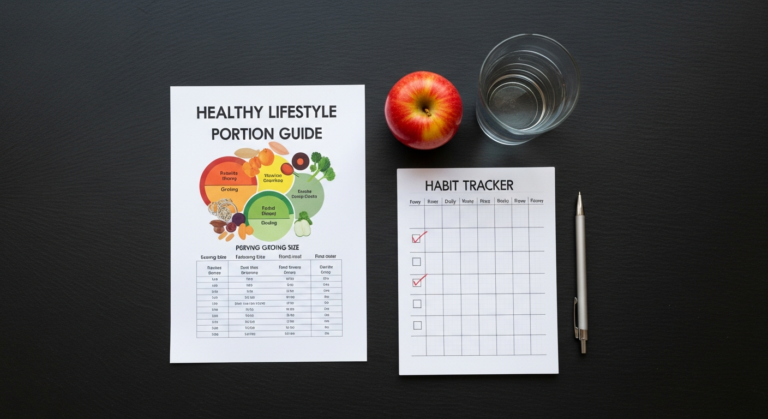
The End of Dieting: How to Lose Weight Without Restriction and Keep It Off
Forget the notion that weight loss must be a painful, all-or-nothing endeavor. We’ll explore actionable steps that empower you to make informed choices, listen to your body, and build a foundation for long-term well-being that goes far beyond the number on the scale. You’ll learn how to redefine your approach to food, movement, sleep, and stress, enabling you to shed excess weight by adopting practices that feel natural and supportive, not restrictive. Get ready to discover a path to a healthier you that doesn’t involve saying goodbye to your favorite foods or signing up for another failed diet.
Rethink Your Plate: Mindful Eating as a Cornerstone for Sustainable Weight Loss
One of the most powerful strategies for how to lose weight without dieting involves fundamentally shifting your relationship with food through mindful eating. This isn’t about what you eat, but how you eat. Traditional diets often dictate food choices and portion sizes, removing your agency and disconnecting you from your body’s natural hunger and satiety cues. Mindful eating, by contrast, invites you to pay full attention to your food—its flavors, textures, smells—and to recognize your body’s signals of hunger and fullness.
Consider the common scenario of eating while distracted. Whether it’s scrolling through social media, watching TV, or working at your desk, multitasking during meals often leads to overeating because you’re not fully registering the food you’re consuming. A study published in the American Journal of Clinical Nutrition indicated that people who ate distractedly consumed significantly more calories and reported less satisfaction from their meal. Mindful eating directly counters this by encouraging you to slow down, savor each bite, and truly experience your meal.
Actionable Steps for Cultivating Mindful Eating:
- Eliminate Distractions: Turn off the TV, put away your phone, and step away from your computer during meal times. Create a dedicated space for eating.
- Eat Slowly: Take smaller bites and chew your food thoroughly. Aim to be the last one finished at the table. This gives your brain time to register fullness, which typically takes about 20 minutes.
- Tune Into Hunger and Fullness Cues: Before you eat, ask yourself: “Am I truly hungry, or am I eating out of boredom, stress, or habit?” During your meal, pause periodically and ask: “Am I satisfied, or do I need more?” Aim to eat until you are comfortably full, not stuffed.
- Savor Each Bite: Notice the colors, aromas, and textures of your food. How does it taste? What are the subtle nuances? This engagement enhances satisfaction and makes you more aware of your intake.
- Put Down Your Utensils Between Bites: This simple act forces you to slow down and allows for natural pauses in your eating, giving your body cues a chance to catch up.
Practical Takeaway: By practicing mindful eating, you empower yourself to make more conscious food choices and better understand your body’s needs. This approach helps you naturally reduce calorie intake without feeling deprived, making it a cornerstone strategy for how to lose weight without dieting. Start with just one meal a day and gradually expand.
Hydration and Smart Beverage Choices: An Unsung Hero in Weight Management
Consider the typical American diet: sodas, sweetened teas, fruit juices (even 100% juice can be high in sugar), and fancy coffee concoctions can quickly add up. A single 12-ounce can of soda contains about 150 calories and 39 grams of sugar. If you drink just two of these a day, that’s 300 calories, or over 100,000 calories per year—equivalent to approximately 30 pounds of weight gain. Switching to water can save you these calories effortlessly, a key component of how to lose weight without dieting.
Beyond calorie reduction, adequate water intake is vital for metabolic function. Water helps your body process nutrients, maintain temperature, and lubricate joints. Some research suggests that drinking water can temporarily boost metabolism. A small study published in the Journal of Clinical Endocrinology and Metabolism found that drinking 500 ml of water increased metabolic rate by 30% for about 30-40 minutes. While not a magic bullet, these small metabolic boosts, combined with the satiating effect of water, contribute to overall weight management.
Actionable Steps for Optimizing Your Beverage Intake:
- Prioritize Water: Make water your primary beverage. Keep a water bottle with you throughout the day and refill it regularly.
- Drink Water Before Meals: Consuming a glass of water 20-30 minutes before a meal can help you feel fuller, potentially leading to eating less food during the meal.
- Infuse Your Water: If plain water isn’t appealing, add slices of cucumber, lemon, lime, mint, or berries for natural flavor without added sugar.
- Cut Sugary Drinks: Gradually eliminate sodas, sweetened juices, and energy drinks. Opt for unsweetened tea or coffee, and be mindful of portion sizes for even “healthy” drinks like smoothies, which can still be high in calories.
- Be Wary of “Diet” Drinks: While calorie-free, some studies suggest that artificial sweeteners in diet sodas may still influence appetite and metabolism in ways that are not conducive to weight loss. Water is always the best choice.
Practical Takeaway: Swapping sugary beverages for water is one of the easiest and most impactful changes you can make to reduce calorie intake and support your metabolism, making it a fundamental strategy for sustainable weight loss without feeling like you’re on a strict diet.
Move More, Sit Less: Integrating Incidental Movement into Your Everyday Life
When thinking about how to lose weight without dieting, exercise often comes to mind. However, the focus doesn’t have to be solely on intense gym workouts. For many, integrating more movement into daily life—what scientists call Non-Exercise Activity Thermogenesis (NEAT)—can be just as effective, if not more sustainable, than structured exercise routines alone. NEAT refers to the energy expended for everything we do that is not sleeping, eating, or sports-like exercise. It includes walking to work, typing, gardening, fidgeting, and even standing.
In our increasingly sedentary world, the average adult spends a significant portion of their day sitting. This prolonged inactivity has serious health consequences, including a higher risk of obesity, heart disease, and diabetes. Conversely, increasing your NEAT can burn a substantial number of calories over time. For example, standing burns more calories than sitting, and even small movements like fidgeting can add up. A study published in Science highlighted how increasing NEAT could lead to a difference of up to 2,000 calories burned per day between two individuals of similar size.
The beauty of focusing on incidental movement is that it doesn’t require a gym membership, special equipment, or a huge chunk of dedicated time. It’s about looking for opportunities to move more throughout your day and making active choices.
Actionable Steps for Boosting Your Daily Movement:
- Take the Stairs: Whenever possible, choose stairs over elevators or escalators. It’s a quick burst of cardio and builds leg strength.
- Park Further Away: When running errands, park at the far end of the parking lot to add extra steps to your day.
- Walk During Breaks: Instead of sitting during your lunch break, take a brisk 15-20 minute walk. Walk around your office building or neighborhood.
- Stand More Often: Invest in a standing desk, or simply take standing breaks every 30-60 minutes if you have a sedentary job. Stand while on the phone, watching TV, or waiting.
- Incorporate Active Chores: Rake leaves, garden, wash your car by hand, or take on other household tasks that involve physical activity.
- Pace While Talking: If you’re on a phone call, try pacing around the room instead of sitting.
- Active Commuting: If feasible, consider walking or cycling part or all of your commute.
Practical Takeaway: Boosting your NEAT is a powerful, understated method for how to lose weight without dieting. By consciously integrating more movement into your daily routine, you increase your overall calorie expenditure, improve your cardiovascular health, and reduce the risks associated with prolonged sitting—all without ever feeling like you’re “working out.”
Prioritize Sleep and Stress Management: The Hidden Levers for Weight Control
While often overlooked in weight loss discussions, the quality of your sleep and your ability to manage stress are critical factors in maintaining a healthy weight. Many people focus solely on diet and exercise, not realizing that chronic sleep deprivation and elevated stress levels can sabotage their best efforts, making it incredibly difficult to lose weight without dieting.
- Ghrelin (the “hunger hormone”) increases: This hormone stimulates appetite, leading you to feel hungrier.
- Leptin (the “satiety hormone”) decreases: This hormone signals fullness to your brain, so when it’s low, you don’t feel as satisfied after eating.
- Cortisol (the “stress hormone”) rises: Elevated cortisol can increase appetite, particularly for high-calorie, high-sugar foods, and promote fat storage, especially around the abdomen.
A study published in the Annals of Internal Medicine found that sleep-restricted individuals consumed an average of 300 more calories per day than well-rested individuals.
Similarly, chronic stress leads to sustained high levels of cortisol. Beyond increasing appetite and fat storage, stress can also lead to emotional eating, where food is used as a coping mechanism rather than for physical nourishment. This creates a vicious cycle where stress leads to poor food choices, which further contributes to weight gain and feelings of guilt.
Actionable Steps for Improving Sleep and Managing Stress:
- Establish a Consistent Sleep Schedule: Go to bed and wake up around the same time each day, even on weekends. Consistency helps regulate your body’s natural sleep-wake cycle (circadian rhythm).
- Create a Relaxing Bedtime Routine: About an hour before bed, wind down with activities like reading, taking a warm bath, listening to calming music, or light stretching. Avoid screens (phones, tablets, computers, TV) which emit blue light that can interfere with melatonin production.
- Optimize Your Sleep Environment: Ensure your bedroom is dark, quiet, and cool. Blackout curtains, earplugs, or a white noise machine can be helpful.
- Practice Stress-Reducing Techniques: Incorporate daily practices like meditation, deep breathing exercises, yoga, spending time in nature, or engaging in hobbies you enjoy. Even 10-15 minutes a day can make a significant difference.
- Limit Caffeine and Alcohol, Especially Later in the Day: Both can disrupt sleep patterns. Try to avoid caffeine after midday and alcohol close to bedtime.
- Don’t Eat Too Close to Bedtime: Finish eating at least 2-3 hours before you plan to sleep to allow your body time to digest.
Practical Takeaway: Addressing sleep and stress is not merely about well-being; it’s a fundamental strategy for how to lose weight without dieting. By improving your sleep hygiene and actively managing stress, you help rebalance your hunger hormones, reduce cravings, and prevent emotional eating, making sustainable weight loss much more achievable.
Strategic Snack Choices and Balanced Plates: Fueling Your Body Without Restriction
One of the common pitfalls of dieting is the feeling of restriction, which often leads to intense cravings and eventual binge eating. Learning how to lose weight without dieting means understanding how to fuel your body with nutrient-dense foods that promote satiety and energy, rather than relying on strict rules. This involves making strategic choices, especially when it comes to snacks, and building balanced meals that keep you full and satisfied.
The key lies in focusing on whole, unprocessed foods rich in protein, fiber, and healthy fats. These macronutrients are known for their ability to promote satiety, helping you feel fuller for longer and naturally reducing your overall calorie intake.
- Protein: Found in lean meats, poultry, fish, eggs, dairy, legumes, and nuts. Protein takes longer to digest and has a higher thermic effect (meaning your body burns more calories processing it).
- Fiber: Abundant in fruits, vegetables, whole grains, and legumes. Fiber adds bulk to your meals, aids digestion, and helps stabilize blood sugar levels, preventing energy crashes and subsequent cravings.
- Healthy Fats: Found in avocados, nuts, seeds, olive oil, and fatty fish. Fats are essential for hormone production and nutrient absorption, and they contribute to satiety.
When you combine these elements in your meals and snacks, you create a more satisfying eating experience that naturally leads to eating less without feeling deprived.
Actionable Steps for Smart Snacking and Balanced Meals:
- Prioritize Protein at Every Meal: Start your day with a protein-rich breakfast (e.g., eggs, Greek yogurt, or a smoothie with protein powder). Include a lean protein source in your lunch and dinner.
- Embrace Fiber: Fill half your plate with non-starchy vegetables at lunch and dinner. Opt for whole grains over refined grains (e.g., brown rice instead of white, whole-wheat bread). Snack on fruits and vegetables.
- Smart Snacking: Instead of highly processed snacks (chips, cookies), choose options that combine protein and fiber. Examples include:
- Apple slices with a tablespoon of nut butter.
- Greek yogurt with a handful of berries.
- A small handful of almonds or walnuts.
- Baby carrots or celery sticks with hummus.
- Hard-boiled eggs.
These snacks keep hunger at bay between meals and prevent overeating at your next meal.
- Plan Ahead: Take a few minutes at the beginning of the week to plan your meals and snacks. This reduces impulsive, unhealthy food choices when hunger strikes. Prepare some healthy snacks in advance to grab and go.
- Don’t Demonize Foods: Instead of labeling foods as “good” or “bad,” focus on balance and moderation. Allow yourself to enjoy treats occasionally without guilt, and then return to your nourishing choices.
Practical Takeaway: By strategically choosing nutrient-dense foods, particularly those high in protein and fiber, you can manage hunger, stabilize energy levels, and naturally reduce your calorie intake. This approach to building balanced plates and making smart snack choices is a sustainable way to achieve weight loss without the strictures of traditional dieting.
Build a Supportive Environment and Mindset for Lasting Change
Sustained weight loss isn’t just about what you do; it’s also about the environment you create and the mindset you cultivate. The journey to how to lose weight without dieting is deeply personal, but it thrives within a supportive ecosystem and a resilient mental framework. Without these, even the best intentions can falter.
Our surroundings profoundly influence our choices. If your home is stocked with tempting processed foods, or if your social circle primarily engages in sedentary activities, sticking to healthier habits becomes an uphill battle. Similarly, a mindset plagued by self-criticism, impatience, or an all-or-nothing mentality can derail progress quicker than any dietary slip-up. Research consistently shows that social support and self-compassion are significant predictors of long-term health behavior change. A study published in the Journal of Consulting and Clinical Psychology demonstrated that individuals with higher levels of self-compassion were more likely to adopt healthy eating and exercise habits.
Actionable Steps for Fostering a Supportive Environment and Mindset:
- Audit Your Home Environment:
- Declutter Your Pantry: Remove highly processed, sugary, and high-fat foods that don’t align with your goals. Donate them or dispose of them.
- Stock Up on Healthy Options: Fill your fridge and pantry with fresh fruits, vegetables, lean proteins, whole grains, and healthy fats. Make these easily accessible.
- Visible Reminders: Keep a fruit bowl on the counter or a water pitcher on your desk to encourage healthy choices.
- Cultivate Social Support:
- Share Your Goals: Talk to trusted friends, family members, or colleagues about your desire to adopt a healthier lifestyle.
- Find an Accountability Partner: Someone with similar goals can provide encouragement and help keep you on track.
- Engage in Active Socializing: Suggest walks, hikes, or active outings instead of always meeting for meals or drinks.
- Seek Professional Guidance: Consider working with a registered dietitian or health coach for personalized support and strategies.
- Develop a Growth Mindset and Self-Compassion:
- Be Patient with Yourself: Understand that progress is rarely linear. There will be good days and challenging days.
- Practice Self-Compassion: Instead of criticizing yourself for a slip-up, treat yourself with the same kindness and understanding you would offer a friend. Learn from the experience and move forward.
- Focus on Non-Scale Victories: Celebrate increased energy, better sleep, clothes fitting more comfortably, or improved mood. These are strong indicators of progress.
- Reframe Challenges: View setbacks not as failures, but as opportunities to learn and adjust your strategy.
- Set Realistic Expectations: Sustainable weight loss is a marathon, not a sprint. Aim for a gradual, consistent pace of 1-2 pounds per week.
Practical Takeaway: Creating a home environment that supports your health goals and surrounding yourself with supportive individuals significantly increases your chances of success. Equally important is developing a mindset of patience and self-compassion, recognizing that lasting change is built on consistent effort and resilience, not perfection. This holistic approach is fundamental to learning how to lose weight without dieting and sustaining those results indefinitely.
Conclusion: Your Path to Sustainable Wellness Without the Diet Trap
The journey to a healthier weight and an improved sense of well-being doesn’t have to be defined by the endless cycle of restrictive diets, deprivation, and frustration. As we’ve explored, the most effective and sustainable path lies in adopting a holistic approach that focuses on natural, mindful habits rather than temporary fixes. Learning how to lose weight without dieting is about empowering yourself to make conscious choices that nourish your body, manage your mind, and integrate seamlessly into your everyday life.
By embracing mindful eating, prioritizing adequate hydration, finding ways to move more naturally, and giving proper attention to sleep and stress, you are not just shedding pounds; you are building a foundation for lifelong wellness. These are not rules to be broken, but principles to live by—flexible enough to accommodate life’s nuances, yet powerful enough to drive meaningful, lasting change. Remember that your body is a complex system, and true health comes from respecting its signals and providing it with consistent, balanced care.
This isn’t about perfection; it’s about progress, patience, and self-compassion. Each small, consistent step you take towards these habits contributes to a larger transformation. You possess the agency to reshape your relationship with food and your body, fostering a lifestyle that supports natural weight management and vibrant health.
Your Next Action: Choose one actionable step from this article that resonates most with you—perhaps drinking a glass of water before each meal, dedicating one meal a day to mindful eating, or committing to a 15-minute walk during your lunch break. Start today, and build from there. The path to lasting wellness begins with that first intentional step.
FAQ: Your Questions on Losing Weight Without Dieting, Answered
Here are some common questions adults have when considering how to approach weight loss without relying on traditional diets.
- Q1: How long does it typically take to see results when losing weight without dieting?
- A1: This approach emphasizes sustainable, gradual changes. While individual results vary, you might notice subtle shifts in energy levels and how your clothes fit within a few weeks, with more significant weight loss appearing over several months. Since it’s not a crash diet, the weight loss is often slower (1-2 pounds per week is healthy) but more likely to be maintained long-term.
- Q2: Can I still eat my favorite “unhealthy” foods if I’m not dieting?
- A2: Absolutely. The key is moderation and mindful enjoyment. Instead of banning foods, which often leads to cravings and overeating, incorporate them mindfully. Savor a small portion of your favorite treat occasionally, paying attention to how it makes you feel. The goal is to make nourishing choices the default, allowing for flexibility and balance without guilt.
- Q3: What if I hit a plateau and stop losing weight?
- A3: Plateaus are a natural part of any weight loss journey. When this happens, revisit all the strategies discussed: are you consistently mindful eating, staying hydrated, moving enough, and managing stress/sleep? Sometimes, making a small adjustment to one of these areas can kickstart progress again. For instance, increasing your daily steps, trying a new form of activity, or refining your meal composition for more protein and fiber can help. Patience and consistency are crucial.
- Q4: Do I need to count calories or macros with this approach?
- A4: No, not necessarily. The “without dieting” approach aims to move away from rigid tracking. Instead, it focuses on building awareness (mindful eating), making smarter food choices (prioritizing whole foods, protein, fiber), and listening to your body’s natural hunger and fullness cues. Over time, these habits naturally lead to a calorie intake that supports weight loss, without the need for meticulous counting.
- Q5: How do I stay motivated when the changes are so gradual?
- A5: Focus on non-scale victories! Celebrate increased energy, improved mood, better sleep, clothes fitting more comfortably, or feeling stronger. These tangible benefits often provide more sustainable motivation than a number on the scale. Also, remember your “why”—the deeper reasons for wanting to be healthier—and build a supportive environment with accountability partners or professional guidance to keep you inspired.