
Unlock Restful Nights: Your Practical Guide on How to Sleep Better at Night for a Productive Life
At Diaal News, we understand that wellness is intrinsically linked to every facet of your life, from your career trajectory to your financial stability. Poor sleep doesn’t just make you tired; it dulls your decision-making, increases stress, and can even contribute to health issues that carry a financial burden. This comprehensive guide will equip you with practical, evidence-based steps to improve your sleep hygiene, optimize your environment, manage stress, and make lifestyle adjustments that foster deeper, more restorative sleep. Get ready to reclaim your nights and unlock a more energized, focused, and resilient you.
The Cornerstone of Rest: Building a Consistent Sleep Routine
Our bodies thrive on routine, and nowhere is this more evident than with our internal biological clock, known as the circadian rhythm. This 24-hour cycle regulates crucial bodily functions, including when we feel alert and when we feel sleepy. Disrupting this rhythm is a primary culprit behind poor sleep quality. The first and arguably most important step in figuring out how to sleep better at night is to establish and strictly adhere to a consistent sleep schedule.
The Power of Fixed Bedtimes and Wake Times
Imagine your body as a sophisticated machine with a precise internal timer. If you constantly reset that timer, it struggles to operate efficiently. Going to bed and waking up at roughly the same time every day, even on weekends, helps calibrate your circadian rhythm. When you maintain a consistent schedule, your body learns to anticipate sleep and wakefulness, optimizing the release of sleep-inducing hormones like melatonin and wakefulness hormones like cortisol.
- Actionable Step: Choose a bedtime and wake-up time that allows for 7-9 hours of sleep. Set an alarm for your wake-up time every day. On weekends, try to deviate by no more than an hour.
- Real-world Example: John, a 45-year-old financial analyst, used to “catch up” on sleep on weekends by sleeping an extra 3-4 hours. He’d wake up feeling groggy, a phenomenon known as “social jet lag.” By shifting to a consistent 11 PM bedtime and 7 AM wake-up time seven days a week, his energy levels stabilized, and he reported needing less coffee during the day.
Crafting a Pre-Sleep Wind-Down Ritual
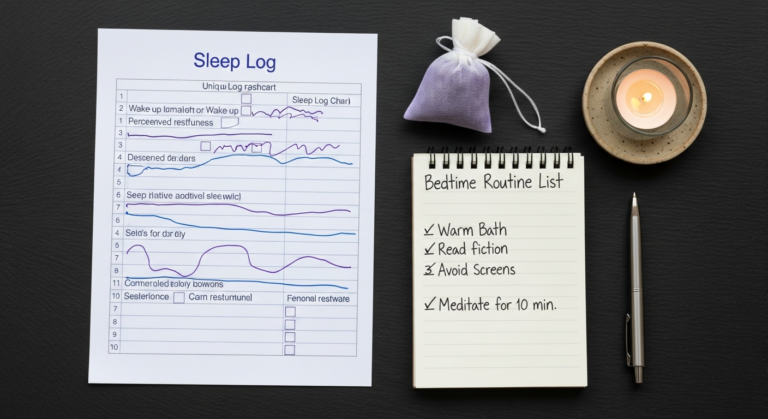
Just as you wouldn’t expect a car to go from 60 mph to a dead stop instantly, your brain needs a buffer period to transition from the day’s stimulation to restful sleep. A consistent pre-sleep ritual signals to your body that it’s time to unwind. This isn’t just about relaxation; it’s about deliberately detaching from stressors and preparing your mind for rest.
- Actionable Step: Dedicate 30-60 minutes before bed to a relaxing activity. This could include reading a physical book (not on a screen), listening to calming music, taking a warm bath, gentle stretching, or practicing mindfulness meditation. Avoid stimulating activities like intense exercise, work, or arguments.
- Current Data: Research consistently shows that engaging in a relaxing pre-sleep routine can reduce sleep latency (the time it takes to fall asleep) and improve overall sleep quality. A 2023 study highlighted that regular mindfulness practices before bed significantly decreased self-reported insomnia symptoms among adults.
Embrace Morning Light Exposure
- Actionable Step: As soon as you wake up, open your curtains or blinds. Step outside for 10-15 minutes if possible, or sit by a window. This signals to your brain that the day has begun.
Practical Takeaway: Prioritize consistency above all else. Your body craves predictability. Establishing a fixed schedule and a calming pre-sleep routine are the bedrock upon which all other sleep improvements will be built.
Optimizing Your Sleep Environment: Your Sanctuary for Rest
Your bedroom should be a haven dedicated to sleep and intimacy, free from distractions and optimized for comfort. Transforming your sleeping space is a crucial step in learning how to sleep better at night, as external factors can significantly impact your ability to fall asleep and stay asleep.
Darkness: The Essential Ingredient for Melatonin Production
Even small amounts of light can interfere with melatonin production, the hormone responsible for signaling sleep to your brain. This includes streetlights, digital clock glows, and especially the blue light emitted from screens.
- Actionable Step: Make your bedroom as dark as possible. Invest in blackout curtains or shades. Cover any glowing lights from electronics (e.g., tape over LED indicators). If complete darkness isn’t achievable, consider a comfortable eye mask.
- Real-world Example: Maria, a shift worker, struggled with daytime sleep until she installed heavy-duty blackout curtains and an opaque door sweep. The complete darkness helped her body produce melatonin effectively, regardless of the time of day she was sleeping.
Silence: Creating a Tranquil Soundscape
Unwanted noise is a common sleep disruptor, whether it’s traffic, noisy neighbors, or even a ticking clock. While absolute silence might be ideal, it’s not always practical. The goal is to minimize disruptive sounds or mask them with soothing alternatives.
- Actionable Step: If noise is an issue, try earplugs or a white noise machine (or app). White noise provides a consistent, ambient sound that can mask sudden, jarring noises. Avoid leaving the TV on, as varying sounds and light are counterproductive.
- Current Data: Studies have shown that consistent ambient noise, such as white noise, can improve sleep quality and reduce the time it takes to fall asleep, particularly in noisy environments.
Temperature: The Goldilocks Zone for Sleep
Your body’s core temperature naturally dips as you prepare for sleep. A room that is too hot or too cold can interfere with this natural thermoregulation process, making it difficult to fall asleep and stay asleep.
- Actionable Step: Most sleep experts recommend a room temperature between 60-67°F (15-19°C). Experiment to find what works best for you. Ensure good airflow and use breathable bedding.
- Expert Insight: “A cool bedroom supports the natural drop in core body temperature necessary for initiating and maintaining sleep,” advises Dr. Michael Breus, a clinical psychologist known as ‘The Sleep Doctor.’
Comfortable Bedding: Investing in Your Rest
An uncomfortable mattress or pillow can lead to tossing and turning, aches, and disrupted sleep. Think of your bed as an investment in your daily performance and long-term health.
- Actionable Step: Evaluate your mattress and pillows. Mattresses typically need replacing every 7-10 years. Choose a pillow that supports your head and neck in a neutral alignment. Ensure your sheets are clean, comfortable, and made of breathable materials.
Practical Takeaway: Treat your bedroom as sacred sleep space. Control light, sound, and temperature, and ensure your bed itself is a comfortable haven. A small investment in your sleep environment can yield significant returns in your energy and focus.
Diet, Hydration, and Exercise: Fueling Your Sleep for a Restful Night
What you put into your body and how you move it throughout the day profoundly influence your ability to sleep deeply. Understanding these connections is a vital component of learning how to sleep better at night, as lifestyle choices can either enhance or hinder your sleep quality.
Mindful Eating for Better Sleep
Heavy, fatty, or spicy meals close to bedtime can lead to indigestion, heartburn, and discomfort, making it hard to fall asleep. Similarly, too much sugar can cause blood sugar spikes and crashes that disrupt sleep.
- Actionable Step: Aim to finish large meals at least 2-3 hours before bedtime. If you need a snack, choose something light and easily digestible, like a small banana, a handful of almonds, or a cup of herbal tea (chamomile, lavender). Avoid processed foods, excessive sugar, and anything that gives you indigestion.
- Current Data: Research in the Journal of Clinical Sleep Medicine has linked diets high in saturated fat and sugar to lighter, less restorative sleep, while diets rich in fiber and lean protein tend to promote deeper sleep.
The Caffeine and Alcohol Conundrum
Caffeine is a stimulant that can stay in your system for many hours, blocking adenosine, a chemical that promotes sleepiness. Alcohol, while initially inducing drowsiness, fragments sleep later in the night, suppressing REM sleep and leading to poorer quality rest.
- Actionable Step: Cut off caffeine intake at least 6-8 hours before your desired bedtime. This means your last coffee or energy drink should typically be before noon or early afternoon. Limit alcohol, especially in the hours before bed. If you do drink, do so in moderation and allow ample time for your body to metabolize it before sleep.
- Real-world Example: Sarah, a software developer, thought a glass of wine helped her relax before bed. However, she often woke up around 3 AM. By switching to sparkling water in the evenings, she noticed a dramatic improvement in staying asleep through the night.
Strategic Exercise for Deeper Sleep
- Actionable Step: Aim for at least 30 minutes of moderate-intensity exercise most days of the week. Schedule your workouts for the morning or afternoon. Avoid vigorous exercise within 2-3 hours of bedtime, as it can be stimulating and raise your core body temperature, making it harder to fall asleep. Gentle activities like stretching or yoga are acceptable closer to bedtime.
- Expert Insight: “Exercise helps deepen sleep and reduce sleep onset latency. But exercising too close to bedtime can have the opposite effect due to increased heart rate and body temperature,” notes Dr. Phyllis Zee, a sleep specialist at Northwestern University.
Practical Takeaway: Be mindful of what and when you eat and drink, and integrate regular physical activity into your day, strategically timed to enhance rather than hinder your sleep. These lifestyle shifts are powerful tools for achieving truly restful nights.
Conquering Stress and Anxiety: Mental Strategies to Help You Sleep Better at Night
In our demanding world, stress and anxiety are often the biggest adversaries of restful sleep. A racing mind, worry about finances, career pressures, or personal challenges can make falling asleep and staying asleep feel impossible. Addressing these mental roadblocks is essential if you want to understand how to sleep better at night.
Mindfulness and Meditation: Calming the Busy Mind
Mindfulness practices help you stay present and observe your thoughts without judgment, breaking the cycle of rumination that often keeps people awake. Meditation can significantly reduce physiological arousal and promote relaxation.
- Actionable Step: Incorporate short meditation or mindfulness exercises into your daily routine, especially in the evening. There are numerous free apps and guided meditations (e.g., Calm, Headspace) designed specifically for sleep. Even 5-10 minutes can make a difference.
- Current Data: A review of studies published in JAMA Internal Medicine found that mindfulness meditation improved sleep quality and reduced insomnia symptoms in adults, comparable to conventional sleep interventions.
Journaling: Offloading Your Worries
When your brain is buzzing with thoughts and concerns, writing them down can be a surprisingly effective way to clear your head. It allows you to process emotions and make plans without having them circle endlessly in your mind when you’re trying to sleep.
- Actionable Step: Keep a notebook and pen by your bedside. 1-2 hours before bed, spend 10-15 minutes writing down anything that’s on your mind – worries, to-do lists for tomorrow, financial concerns, or even just random thoughts. This acts as a “brain dump,” giving you permission to put those thoughts aside until the morning.
- Real-world Example: David, a project manager, used to lie awake planning his next day. After starting a nightly “worry journal,” he found that by externalizing his thoughts, his mind felt clearer and more ready for sleep.
Digital Detox: The Perils of Blue Light
Screens from smartphones, tablets, computers, and TVs emit blue light, which can disrupt your body’s natural melatonin production, making it harder to fall asleep. The stimulating content you consume (news, social media, emails) also keeps your mind engaged.
- Actionable Step: Implement a strict “digital curfew” at least 60-90 minutes before your desired bedtime. This means no screens of any kind. Use this time for your wind-down ritual instead. If you must use a screen, activate night mode or use blue light filtering glasses, but ideally, avoid them entirely.
- Expert Insight: “Blue light at night suppresses melatonin secretion and shifts circadian rhythms, essentially telling your brain it’s still daytime,” explains Dr. Charles Czeisler, Chief of the Division of Sleep and Circadian Disorders at Brigham and Women’s Hospital.
“Stress is the silent assassin of sleep. Addressing mental clutter through mindfulness, journaling, and digital detox isn’t just about relaxation; it’s about reclaiming control over your nocturnal peace.”
Practical Takeaway: Develop strategies to manage your mental load before bed. By actively working to calm your mind and minimize stimulating inputs, you create the optimal mental landscape for falling asleep and staying asleep more easily.
When Self-Help Isn’t Enough: Recognizing the Signs of Sleep Disorders
While adopting healthy sleep habits can significantly improve sleep for most people, sometimes underlying medical conditions prevent restful sleep. Knowing when to seek professional help is a critical part of the journey to figuring out how to sleep better at night.
Persistent Insomnia
If you consistently struggle to fall asleep, stay asleep, or wake up too early and can’t get back to sleep – for at least three nights a week for three months or more – you may be experiencing chronic insomnia. This goes beyond occasional restless nights.
- Signs to Watch For: Significant distress or impairment in daytime functioning (fatigue, irritability, difficulty concentrating, memory problems) directly linked to your sleep difficulties.
- Actionable Step: If you suspect chronic insomnia, consult your primary care physician. They can rule out other medical conditions and may refer you to a sleep specialist or a cognitive-behavioral therapist specializing in insomnia (CBT-I), which is considered the gold standard treatment.
Sleep Apnea: A Serious Disruption
Sleep apnea is a potentially serious sleep disorder in which breathing repeatedly stops and starts during sleep. This causes frequent awakenings (often unnoticed by the sleeper) and severely fragmented sleep, leading to significant daytime fatigue.
- Signs to Watch For: Loud snoring (often reported by a partner), gasping or choking during sleep, pauses in breathing, excessive daytime sleepiness, morning headaches, difficulty concentrating.
- Current Data: It’s estimated that millions of adults have undiagnosed sleep apnea, significantly increasing their risk for high blood pressure, heart disease, stroke, and diabetes.
- Actionable Step: If you or your partner notice these symptoms, it’s crucial to seek medical evaluation immediately. A sleep study (polysomnography) is typically required for diagnosis.
Restless Legs Syndrome (RLS)
RLS is a neurological disorder characterized by an irresistible urge to move the legs, usually accompanied by uncomfortable sensations (creeping, crawling, aching). Symptoms typically worsen in the evening or night and are relieved by movement, making sleep difficult.
- Signs to Watch For: Uncomfortable leg sensations, worse at rest, relieved by movement, primarily in the evening or night.
- Actionable Step: Discuss your symptoms with your doctor. Treatments can range from lifestyle changes (e.g., exercise, avoiding caffeine/alcohol) to medication.
Other Potential Sleep Disruptors
Beyond the common disorders, other factors can silently sabotage your sleep:
- Medications: Certain prescription and over-the-counter drugs (e.g., some antidepressants, cold medicines, decongestants) can have stimulating effects or interfere with sleep architecture.
- Underlying Health Conditions: Chronic pain, thyroid disorders, acid reflux, asthma, and neurological conditions can all impact sleep.
- Mental Health Issues: Depression and anxiety are strongly linked to sleep disturbances.
Practical Takeaway: Don’t dismiss persistent sleep problems as “normal.” If you’ve tried implementing good sleep hygiene and still struggle, or if you experience concerning symptoms like loud snoring or gasping, consult a healthcare professional. A diagnosis can lead to effective treatment and a significant improvement in your quality of life.
Leveraging Technology and Tools to Enhance Your Sleep Journey
In our tech-driven world, a range of gadgets and applications promise to help us sleep better at night. While no technology can replace fundamental good sleep hygiene, some tools can be valuable allies when used thoughtfully and strategically.
Sleep Trackers: Insights, Not Obsession
Wearable devices (like smartwatches or rings) and smartphone apps can monitor aspects of your sleep, such as duration, sleep stages (light, deep, REM), heart rate, and even breathing patterns.
- Actionable Step: Use trackers to gain general insights into your sleep patterns (e.g., consistent bedtime, average sleep duration) rather than obsessing over daily “sleep scores.” Look for trends over weeks, not individual nights. Some devices can alert you to potential issues like sleep apnea (though they are not diagnostic tools).
- Caveat: While trackers can offer interesting data, they aren’t always medically precise. Focus on how you feel rather than solely relying on a device’s report. If the data causes anxiety, it’s counterproductive.
White Noise and Sound Machines
These devices or apps create a consistent background sound (white noise, pink noise, nature sounds) that can mask sudden or disruptive noises, helping you fall asleep and stay asleep.
- Actionable Step: Experiment with different types of ambient sounds (e.g., white noise, fan, rain, ocean waves) to find what you find most soothing and effective for blocking out distractions. Keep the volume at a comfortable, non-disruptive level.
- Real-world Example: Emily lives in a noisy city apartment. A white noise machine helped her block out street sounds and a neighbor’s late-night TV, allowing her to fall asleep more easily and experience fewer awakenings.
Smart Lighting and Alarm Clocks
These tools can simulate natural sunrise and sunset, gently easing you into wakefulness and signaling your body to wind down in the evening.
- Actionable Step: Consider a sunrise alarm clock that gradually brightens your room, mimicking dawn. This can lead to a more pleasant and natural awakening than a jarring audible alarm. Smart bulbs can be programmed to emit warmer, dimmer light in the evening to support melatonin production.
Temperature Regulation Devices
- Actionable Step: If temperature is a significant issue for your sleep, explore these options. While they can be an investment, maintaining optimal body temperature is crucial for deep sleep.
Practical Takeaway: Technology should be a complement to, not a replacement for, fundamental sleep hygiene. Use these tools to gather insights, create a more conducive environment, and gently support your natural sleep processes, but always prioritize consistent routines and lifestyle choices first.
Conclusion: Prioritize Sleep, Prioritize Your Life
The journey to learning how to sleep better at night is a marathon, not a sprint. It requires commitment, consistency, and a willingness to experiment with what works best for your unique physiology and lifestyle. From establishing a rock-solid sleep routine and meticulously optimizing your bedroom environment to making deliberate choices about your diet, exercise, and mental well-being, every step contributes to a more restful night.
Remember, sleep is not a luxury; it is a biological necessity that directly underpins your ability to perform at your best, manage your finances effectively, excel in your career, and navigate the complexities of life with resilience. Chronic sleep deprivation has tangible consequences, affecting everything from your mood and focus to your long-term health and productivity. By actively investing in your sleep, you are making a profound investment in every aspect of your life.
Don’t wait for exhaustion to force your hand. Start small, be patient, and be kind to yourself as you make these changes. Pick one or two actionable steps from this guide – perhaps establishing a consistent bedtime or implementing a 30-minute digital detox before bed – and commit to them for a week. Observe the difference. As you begin to unlock the power of truly restful sleep, you’ll discover a renewed sense of energy, clarity, and purpose that will empower you in every facet of your journey. Your best nights, and best days, are within reach.