
Getting back into shape, or starting for the first time, isn’t about dramatic transformations overnight or punishing workouts. It’s about sustainable, incremental progress, understanding your body, and building habits that support long-term health. We’ll explore everything from setting realistic goals and consulting medical professionals to choosing the right activities, structuring a sustainable routine, and nurturing the mental fortitude required for this journey. Prepare to transform the intimidating prospect of exercise into an achievable and rewarding part of your everyday life.
Setting the Stage: Understanding Your ‘Why’ and Realistic Goals
Before you even tie your shoelaces, it’s crucial to understand your underlying motivation. Why do you want to start exercising? Is it to manage stress, improve sleep, boost energy levels, reduce the risk of chronic diseases, or simply to feel more capable in your daily life? Your ‘why’ will be your fuel during moments of doubt or low motivation.
For many adults, the desire to improve personal finance often intertwines with wellness. Investing in your health is, in many ways, investing in your financial future – reducing healthcare costs down the line, increasing productivity, and enhancing overall quality of life. According to a 2021 study published in the Journal of Health Economics, individuals who engage in regular physical activity tend to have lower healthcare expenditures over their lifetime. This makes starting an exercise routine not just a personal wellness choice, but a practical financial one too.
Avoiding Common Pitfalls and Embracing Realistic Expectations
When you’re out of shape, it’s easy to fall into the trap of setting overly ambitious goals that lead to burnout or injury. Resist the urge to compare yourself to others or to your past self. This journey is about progress, not perfection. Instead of aiming for a marathon in a month, focus on achievable milestones:
- Perfectionism: Don’t wait for the “perfect” time, outfit, or mood. Start where you are, with what you have.
- Comparison: Your journey is unique. Focus on your own improvements.
- Unrealistic Goals: Expecting rapid, dramatic results often leads to disappointment and quitting.
Instead, adopt the SMART goal framework:
- Specific: Instead of “exercise more,” try “walk for 20 minutes.”
- Measurable: “Walk for 20 minutes, three times a week.”
- Achievable: Is 20 minutes three times a week realistic with your current schedule and fitness level? Maybe start with 10.
- Relevant: Does this goal align with your ‘why’? Does it help you feel healthier, more energetic?
- Time-bound: “I will walk for 20 minutes, three times a week, for the next four weeks.”
The Non-Negotiable First Step: Consulting Your Doctor
Before embarking on any new exercise regimen, especially when you consider yourself out of shape or if you have any pre-existing health conditions (such as heart disease, diabetes, joint problems, or high blood pressure), a visit to your doctor is not just recommended—it’s essential. This isn’t a formality; it’s a crucial safety measure and an opportunity to get personalized advice.
Your doctor can assess your current health status, identify any potential risks, and help you understand what types of exercise are safe and appropriate for you. They can advise on limitations, suggest modifications, and even recommend a gradual progression plan that minimizes the risk of injury or exacerbating existing conditions. For example, someone with chronic knee pain might be advised to avoid high-impact activities like running and instead focus on swimming or cycling, which are gentler on the joints.
What to Discuss with Your Healthcare Provider
Come prepared for your appointment. Be honest about your current activity level and any health concerns. Here’s a checklist of points to cover:
- Current Health Conditions: Disclose all diagnoses, medications, and any symptoms you’re experiencing.
- Past Injuries: Mention any old injuries that might flare up or limit certain movements.
- Fitness Goals: Share your aspirations, even if they seem small, so your doctor can help you achieve them safely.
- Specific Concerns: If you have concerns about particular exercises, ask about them.
For instance, an individual managing pre-diabetes might learn that even short bursts of walking after meals can significantly impact blood sugar levels, making it a highly effective and doctor-approved starting point. This initial consultation gives you peace of mind and a professional green light, empowering you to move forward with confidence.
Practical Takeaway: Schedule an appointment with your primary care physician this week. Before you go, make a list of your health conditions, medications, and your initial fitness goals to discuss. Ask for specific recommendations on types of exercise and intensity levels.
Building a Foundation: Embracing Gentle Movement and Low-Impact Activities
When you’re out of shape, the concept of “going hard” is a recipe for injury and discouragement. The key to successful re-entry into fitness is to start gently, prioritize consistency over intensity, and choose activities that are low-impact and accessible. Your primary goal in these initial weeks is to build a habit, not to break records.
Low-impact activities minimize stress on your joints and cardiovascular system, making them ideal for beginners. They allow your body to gradually adapt to increased physical demand without overwhelming it. This approach aligns with the practical advice often seen in financial planning: start small, be consistent, and watch your investments (in this case, your health) grow over time.
Accessible and Effective Low-Impact Options
- Walking: The Ultimate Starting Point
- Why it works: Free, accessible, requires no special equipment beyond comfortable shoes. It’s weight-bearing, which helps build bone density, and can be done almost anywhere.
- How to start: Begin with 10-15 minute walks, 3-4 times a week. Focus on a brisk pace where you can still hold a conversation but feel your heart rate elevate slightly. Gradually increase duration by 5 minutes each week, or frequency by adding another day.
- Real-world example: “Mark, a 52-year-old accountant, started by walking around his neighborhood for 15 minutes during his lunch break. After a month, he extended it to 30 minutes and found he had more energy in the afternoon.”
- Swimming/Water Aerobics: Buoyancy for Your Joints
- Why it works: The buoyancy of water supports your body weight, drastically reducing impact on joints, making it excellent for individuals with joint pain or higher body weight. It provides a full-body workout.
- How to start: Begin with 20-30 minute sessions, 2-3 times a week. Focus on comfortable strokes or participate in a beginner’s water aerobics class.
- Cycling (Stationary or Outdoor): Cardiovascular Benefits with Support
- Why it works: Excellent for cardiovascular health without the impact of running. A stationary bike offers controlled resistance and a safe environment, especially important if balance is a concern.
- How to start: Aim for 20-30 minute rides, 2-3 times a week, at a comfortable pace. Adjust resistance as your strength improves.
- Gentle Yoga or Pilates: Focus on Flexibility, Strength, and Balance
- Why it works: These practices build core strength, flexibility, balance, and body awareness, which are foundational for all other physical activities. They also often incorporate mindfulness and breath work, aiding stress reduction.
- How to start: Look for beginner or restorative yoga/Pilates classes online or at a local studio. Start with 15-20 minute sessions, 2-3 times a week.
- Practical Takeaway: Many free resources exist, like YouTube channels (e.g., “Yoga With Adriene” for beginners).
- Bodyweight Exercises (Modified): Strength Without Equipment
- Why it works: Builds functional strength using your own body. Exercises like wall push-ups, chair squats, knee push-ups, and pelvic tilts can be modified to suit any fitness level.
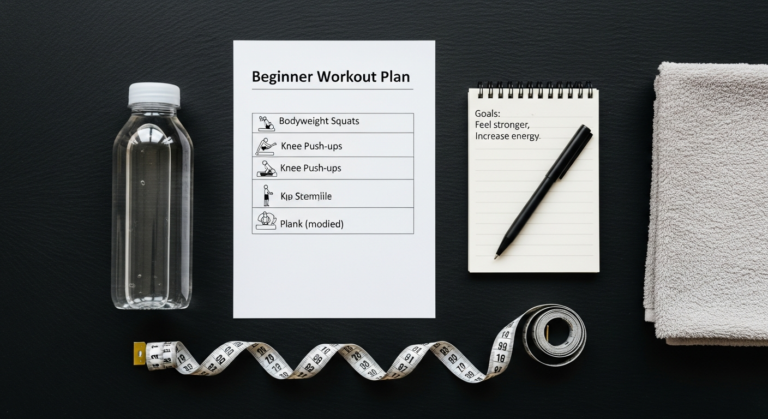
- How to start: Choose 3-5 exercises and perform 2-3 sets of 8-12 repetitions, 2-3 times a week, with rest days in between. Focus on proper form over quantity.
The goal is to move your body regularly. Even 10-minute bursts of activity throughout the day are more beneficial than no activity at all. Consistency is the magic ingredient; your body will adapt and grow stronger with regular, gentle stimulation.
Practical Takeaway: Choose one low-impact activity from the list above that genuinely interests you. Schedule three 15-minute sessions for the upcoming week in your calendar, treating them as non-negotiable appointments. Focus solely on completing these sessions, regardless of intensity.
Crafting a Sustainable Routine: Consistency Over Intensity
The most effective exercise program is the one you actually stick to. When you’re just starting, consistency is far more valuable than intensity. Trying to do too much too soon is a common pitfall that leads to burnout, injury, and ultimately, quitting. Instead, focus on building a routine that seamlessly integrates into your existing lifestyle, making exercise a natural and enjoyable part of your week.
Think of it like building an investment portfolio: small, regular contributions over time yield significant returns, whereas sporadic, large contributions are harder to maintain and carry higher risk. The same principle applies to your fitness journey.
Strategies for Building a Lasting Habit
- Schedule It Like an Appointment: Don’t leave exercise to chance. Block out specific times in your calendar each week for your workouts. Treat these appointments with the same importance as a work meeting or a doctor’s visit. Starting with 3-4 days a week for 20-30 minutes is a great goal.
- The 10-Minute Rule: On days when motivation is low, tell yourself you’ll just do 10 minutes. Often, once you start, you’ll find the energy to continue. Even if you only do 10 minutes, that’s 10 minutes more than nothing, and it reinforces the habit of showing up.
- Find Your Enjoyment Factor: If you dread your workouts, you won’t stick with them. Experiment with different activities. Do you prefer solo walks with a podcast, group classes, swimming, or dancing? The “best” exercise is the one you enjoy enough to do consistently.
- Habit Stacking: Link your new exercise habit to an existing one. For example, “After I drink my morning coffee, I will go for a 15-minute walk.” Or “Before I watch my favorite evening show, I will do 10 minutes of gentle stretching.” This uses the power of established routines to anchor new ones.
- Location, Location, Location: Make it easy to start. If you want to walk, make sure your walking shoes are by the door. If you plan to do a home workout, have your mat and water bottle ready. Removing friction points increases the likelihood of follow-through.
- Listen to Your Body: Rest days are not a sign of weakness; they are crucial for recovery and preventing injury, especially when you’re just starting. If you feel excessive soreness or fatigue, take an extra rest day or opt for a very light, restorative activity like gentle stretching.
Research from University College London suggests that it takes, on average, 66 days for a new habit to become automatic. This means patience and persistence are your allies. Don’t get discouraged by missed days; simply get back on track the next day. The journey is not linear, and small steps forward are still steps forward.
“Motivation is what gets you started. Habit is what keeps you going.”
Jim Ryun
Practical Takeaway: Review your weekly schedule. Identify 3-4 specific 30-minute blocks where you can realistically commit to exercise. Write these into your planner or digital calendar. On one of those days, try the “10-minute rule” to experience how effective it can be.
Beyond Movement: The Pillars of Nutrition, Hydration, and Rest
Starting an exercise routine is a fantastic step, but it’s crucial to understand that physical activity is just one component of overall wellness. For true progress and sustainable health, you must also prioritize nutrition, hydration, and adequate rest. These three pillars work synergistically with exercise to fuel your body, aid recovery, and optimize your results, especially when you’re working to get back in shape.
Nourishing Your Body: Eating for Energy and Recovery
You wouldn’t expect your car to run efficiently on poor-quality fuel, and your body is no different. As you increase your activity levels, your body’s nutritional needs will change. Focus on whole, unprocessed foods that provide sustained energy and support muscle repair.
- Lean Proteins: Essential for muscle repair and growth. Include sources like chicken, fish, beans, lentils, eggs, and tofu.
- Complex Carbohydrates: Your primary energy source. Opt for whole grains like oats, brown rice, quinoa, whole-wheat bread, and starchy vegetables like sweet potatoes. These release energy slowly, preventing sugar crashes.
- Healthy Fats: Crucial for hormone production and nutrient absorption. Avocados, nuts, seeds, and olive oil are excellent choices.
- Fruits and Vegetables: Packed with vitamins, minerals, and antioxidants to support overall health and recovery. Aim for a variety of colors.
Instead of drastic diets, focus on small, consistent improvements. For example, add a serving of vegetables to every meal, swap sugary drinks for water, or choose a whole-grain option over refined grains. These incremental changes are more sustainable and impactful over time.
Hydration: The Unsung Hero of Performance and Health
Water plays a vital role in virtually every bodily function, including regulating body temperature, lubricating joints, transporting nutrients, and even aiding in muscle contraction. When you start exercising, your need for water increases significantly, as you lose fluids through sweat.
- Before Exercise: Drink a glass or two of water an hour or two before your workout.
- During Exercise: Sip water regularly, especially during longer or more intense sessions.
- After Exercise: Replenish fluids lost during your workout.
A good general guideline is to aim for around 8 glasses (about 2 liters) of water daily, adjusting based on your activity level and climate. Dehydration can lead to fatigue, reduced performance, and even headaches, hindering your progress before it even begins.
Rest and Recovery: The Foundation of Progress
Exercise creates microscopic tears in your muscle fibers, which then repair and grow stronger during rest. Without adequate rest, your body doesn’t have the opportunity to recover, adapt, and build strength. This can lead to chronic fatigue, plateaus in progress, and an increased risk of injury.
- Sleep: Aim for 7-9 hours of quality sleep per night. Sleep is when your body undergoes its most significant repair processes. Establishing a consistent sleep schedule can dramatically improve your energy levels and recovery.
- Active Recovery: On non-workout days, consider light activities like a gentle walk or stretching. This can help improve blood flow, reduce muscle soreness, and prepare your body for the next session.
- Listen to Your Body: If you’re feeling overly fatigued or sore, it’s okay to take an extra rest day. Pushing through severe fatigue is counterproductive and increases injury risk.
Overcoming Mental Hurdles and Staying Motivated
Starting to exercise when out of shape isn’t just a physical challenge; it’s often a significant mental one. The voice of doubt, the pull of old habits, and the discomfort of new sensations can all conspire to derail your efforts. Cultivating mental resilience and self-compassion is just as important as physical training.
Addressing Common Mental Obstacles
- The “All-or-Nothing” Trap: Many people believe that if they can’t do a full, intense workout, there’s no point in doing anything. This mindset is highly destructive. Even a 10-minute walk or a few minutes of stretching is a win. Embrace the concept of “something is better than nothing.”
- Dealing with Discomfort and Soreness: When you start exercising, muscle soreness (DOMS – Delayed Onset Muscle Soreness) is common. It’s a sign your muscles are adapting, but it can be discouraging. Differentiate between muscle soreness and sharp pain. Use gentle stretching, warm baths, and light activity to alleviate soreness. Understand it’s temporary.
- Setbacks Are Inevitable: Life happens. You’ll miss workouts, have days when you feel unmotivated, or even experience minor injuries. Don’t view these as failures. Instead, see them as temporary detours. The key is how quickly you get back on track, not whether you ever fall off.
Strategies for Sustained Motivation
- Celebrate Small Victories: Don’t wait until you reach a huge goal to acknowledge your progress. Did you walk for 5 minutes longer than last time? Did you stick to your routine for a full week? Did you choose water over soda? Celebrate these small wins. They build momentum and reinforce positive behavior.
- Find an Accountability Partner or Community: Sharing your goals with a friend, family member, or joining a beginner-friendly fitness group can provide invaluable support and motivation. Knowing someone is expecting you or checking in can be a powerful incentive.
- Track Your Progress (Beyond the Scale): While weight loss might be a goal, it’s not the only, or often the best, measure of progress. Track how long you can walk comfortably, how many push-ups you can do (even modified ones), your energy levels, sleep quality, and mood. Seeing these improvements can be incredibly motivating.
- Positive Self-Talk: Challenge negative thoughts. Instead of “I can’t do this,” try “I’m learning and getting stronger every day.” Treat yourself with the same kindness and encouragement you would offer a friend.
- Reward System: Set up non-food rewards for reaching milestones. This could be a new book, a massage, a small piece of workout gear, or an hour dedicated to a hobby you enjoy.
Remember that motivation often follows action, rather than preceding it. You don’t need to feel motivated to start; you just need to start, and the motivation will often follow. Embrace the discomfort of change, trust the process, and be patient with yourself.
Practical Takeaway: Identify one negative thought you’ve had about exercise this week and reframe it positively (e.g., “This is hard” becomes “This is a challenge I’m capable of overcoming”). Find one small victory from your efforts and acknowledge it. Consider asking a friend or family member if they’d be willing to be your accountability buddy.
Tracking Progress and Adapting Your Journey
As you consistently engage in your gentle exercise routine, your body will adapt and grow stronger. This is where tracking your progress becomes invaluable. It not only provides tangible evidence of your hard work, which can be a huge motivator, but it also helps you understand when and how to safely increase the challenge. Getting back into shape is a dynamic process, requiring continuous assessment and adaptation.
Measuring Success Beyond the Scale
While weight loss is a common goal, it’s a slow and often frustrating metric when used in isolation. Focus on a broader range of indicators that reflect genuine improvements in fitness and well-being:
- Endurance: Can you walk for longer without feeling winded? Are you less tired after climbing stairs?
- Strength: Can you perform more repetitions of a bodyweight exercise? Do everyday tasks feel easier?
- Flexibility/Mobility: Can you reach further? Do you feel less stiff?
- Mood and Energy Levels: Are you experiencing fewer slumps during the day? Do you feel more positive?
- Sleep Quality: Are you falling asleep faster and sleeping more soundly?
- Clothing Fit: Often, even without significant weight changes, your clothes might start to fit differently as muscle replaces fat.
Tools for Tracking Your Progress
- Fitness Journals: A simple notebook can be incredibly effective. Jot down the date, type of exercise, duration, perceived effort, and how you felt. Over weeks, you’ll see a clear progression.
- Fitness Trackers/Smartwatches: Devices like Fitbits, Apple Watches, or Garmins can automatically log steps, distance, heart rate, and even sleep patterns. Many offer apps that visualize your data.
- Mobile Apps: Numerous free and paid apps (e.g., Strava for walking/running/cycling, MyFitnessPal for activity and nutrition) can help you log and monitor your activities.
Gradual Progression: The FITT Principle
Once your initial routine feels comfortable and you’ve established consistency, it’s time to consider increasing the challenge to continue making progress. This is where the FITT principle comes in handy:
- Frequency: How often you exercise. (e.g., Increase from 3 to 4 days a week.)
- Intensity: How hard you work during exercise. (e.g., Walk at a brisker pace, add a slight incline, increase resistance on a bike, or add a few more repetitions to bodyweight exercises.)
- Time: How long you exercise. (e.g., Increase your walks from 20 to 25 or 30 minutes.)
- Type: The kind of exercise you do. (e.g., Introduce a new activity, like light jogging intervals during a walk, or try a beginner’s dance class.)
It’s important to change only one FITT variable at a time and do so gradually. For example, don’t increase both the duration and intensity of your walks in the same week. Give your body time to adapt to each change before introducing another. This helps prevent injury and ensures sustainable progress.
Listening to your body remains paramount. If you experience persistent pain, excessive fatigue, or a feeling of being run down, it’s a signal to dial back, prioritize rest, or consult your doctor again. The goal is to challenge yourself, not to break yourself. This journey is a long-term investment in your health, and smart, measured steps are the most effective way forward.
Practical Takeaway: For the next month, keep a simple log (journal or app) of your exercise sessions, noting duration and how you felt. After four weeks, review your log. Based on your progress and how comfortable you feel, choose one FITT principle (e.g., increase duration by 5 minutes) to adjust for the following week.
Your Journey Starts Now: A Call to Action for a Healthier Future
Embarking on a fitness journey when you’re out of shape can feel like standing at the base of a mountain. But remember, every expert climber started with a single step. This guide has provided you with the foundational knowledge and practical strategies to navigate that path safely and effectively. From setting realistic, personal goals and consulting your doctor to embracing gentle, low-impact activities and nurturing a holistic approach to wellness, you now have a comprehensive toolkit at your disposal.
The commitment to your physical health is one of the most significant investments you can make—not just for your immediate well-being, but for your long-term vitality, productivity, and even your financial stability. It’s a journey that demands patience, self-compassion, and persistence, but the dividends in improved energy, mood, strength, and overall quality of life are immeasurable.
Don’t wait for the “perfect” moment, as it rarely arrives. The best time to start is now. Take that first small, manageable step today. Whether it’s a 10-minute walk, a call to your doctor, or simply scheduling your first workout, commit to action. Your healthier, more energetic future is waiting.
Clear Next Action: Based on the information presented, choose one small, actionable step you can take within the next 24 hours to begin your exercise journey. It could be scheduling your doctor’s appointment, putting on your walking shoes, or identifying a 15-minute window for a gentle movement session tomorrow. Take that step, and then celebrate your initiation into a healthier lifestyle.