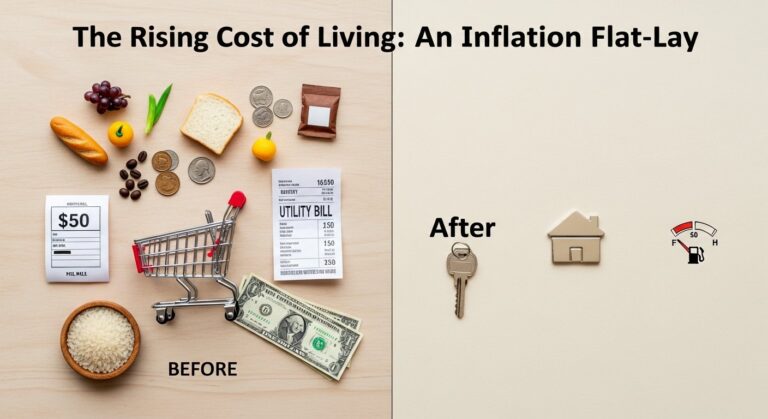
What is Inflation? Understanding Its Impact and How to Protect Your Wealth
Affiliate disclosure: This article may contain affiliate links. Recommendations are independent and editorially driven.
The term “inflation” is a constant presence in financial news, economic forecasts, and even everyday conversations about the cost of living. But what is inflation, truly? Beyond the headlines, understanding this fundamental economic concept is crucial for anyone managing their personal finances, planning for the future, or simply trying to make sense of why a trip to the grocery store costs more today than it did last year.
At its core, inflation represents the rate at which the general level of prices for goods and services is rising, and consequently, the purchasing power of currency is falling. Imagine a basket of everyday items—food, fuel, housing, clothing, healthcare, entertainment. If that basket costs significantly more this year than it did last, you’re experiencing inflation. This isn’t just an abstract economic theory; it’s a tangible force that directly impacts your savings, investments, income, and overall financial well-being. For a general audience, inflation often manifests as a feeling that their money isn’t going as far as it used to, making it harder to maintain their desired standard of living.
For individuals, grasping what inflation means is the first step toward effective financial planning in a dynamic economic environment. It influences decisions ranging from saving for retirement and buying a home to choosing which investments to make and how to manage debt. Ignoring inflation is akin to sailing without a compass; you might reach your destination, but you’re likely to be buffeted by unexpected challenges along the way. In this comprehensive guide, we will demystify inflation, exploring its causes, various forms, measurement, historical context, and, most importantly, provide actionable strategies for how you can navigate its effects to safeguard and grow your personal wealth.
Understanding the Core: What Exactly is Inflation?
Inflation is a phenomenon often discussed but sometimes misunderstood. To fully grasp its implications, we must start with a precise definition and understand how it’s measured and distinguished from related economic concepts. It’s not just about prices going up; it’s about the systemic erosion of money’s value over time.
The Basic Definition: A Decline in Purchasing Power
In simple terms, inflation is the rate at which the general level of prices for goods and services is rising. Conversely, and perhaps more importantly for the average person, it also represents the rate at which the purchasing power of a currency is falling. If your dollar buys fewer goods and services today than it did yesterday, you are experiencing the effects of inflation. This isn’t limited to specific items; it’s a broad-based increase across the economy. A moderate level of inflation is often considered a sign of a healthy, growing economy, encouraging spending and investment. However, excessively high or volatile inflation can destabilize an economy and create significant financial hardship for households.
Measuring Inflation: The Consumer Price Index (CPI) and Other Metrics
Governments and economic institutions track inflation using various indices, with the Consumer Price Index (CPI) being the most widely cited and understood by the general public. The CPI measures the average change over time in the prices paid by urban consumers for a market basket of consumer goods and services. This “market basket” includes a wide range of categories such as food, energy, housing, apparel, transportation, medical care, recreation, education, and communication. By tracking changes in the cost of this standardized basket over time, economists can quantify the rate of inflation.
While the CPI is vital, other metrics also provide insights into price changes:
- Producer Price Index (PPI): This measures the average change over time in the selling prices received by domestic producers for their output. It’s often seen as an early indicator of future consumer inflation.
- Personal Consumption Expenditures (PCE) Price Index: The Federal Reserve often prefers the PCE index as its primary measure of inflation. It covers a broader range of goods and services than the CPI and accounts for changes in consumer behavior (e.g., if chicken prices rise, consumers might buy more beef, and PCE would reflect this shift). It also typically gives less weight to housing costs.
- Core Inflation: Both CPI and PCE are often reported in “core” versions, which exclude volatile food and energy prices. This provides a clearer picture of underlying inflation trends, as food and energy prices can swing wildly due to external factors like weather or geopolitical events.
These indices are calculated and released regularly, providing crucial data points for policymakers, businesses, and individuals to understand the current economic climate.
Inflation vs. Deflation vs. Disinflation
Understanding what inflation is also requires distinguishing it from related concepts:
- Inflation: A general increase in prices and fall in the purchasing value of money. This is our primary focus.
- Deflation: The opposite of inflation. It’s a general decline in prices for goods and services, leading to an increase in the purchasing power of currency. While it might sound appealing, widespread deflation can be very damaging to an economy, discouraging spending and investment as consumers and businesses delay purchases in anticipation of even lower prices, leading to economic stagnation or recession.
- Disinflation: This refers to a slowdown in the rate of inflation. Prices are still rising, but at a slower pace than before. For example, if inflation falls from 5% to 2%, that’s disinflation, not deflation. The economy is still experiencing rising prices, just not as rapidly.
- Stagflation: A particularly challenging economic situation characterized by high inflation, slow economic growth (stagnation), and high unemployment. This combination is difficult for policymakers to address because traditional tools to combat inflation can worsen unemployment, and vice versa.
These distinctions are critical for accurately interpreting economic news and understanding the nuances of monetary policy decisions.
Why a Little Inflation is Considered Healthy
While excessive inflation can be detrimental, a modest, stable rate of inflation (typically around 2-3% per year in many developed economies) is generally considered healthy and desirable for several reasons:
- Encourages Spending and Investment: When consumers and businesses expect prices to rise moderately in the future, they are more inclined to spend and invest now rather than delay purchases. This stimulates economic activity.
- Avoids Deflation: A small cushion of inflation helps prevent the economy from falling into deflation, which, as mentioned, can be much more challenging to combat and can lead to prolonged economic downturns.
- Facilitates Wage Adjustments: Modest inflation allows for gradual adjustments in nominal wages without requiring outright wage cuts, which can be psychologically difficult for workers. It provides flexibility in the labor market.
- Reduces Real Debt Burden: Inflation subtly reduces the real value of fixed-rate debt over time. While this benefits borrowers, it can be a disadvantage for lenders if not properly managed.
Central banks, like the Federal Reserve in the U.S., actively target a specific inflation rate to balance these factors and maintain economic stability.
The Driving Forces: What Causes Inflation?
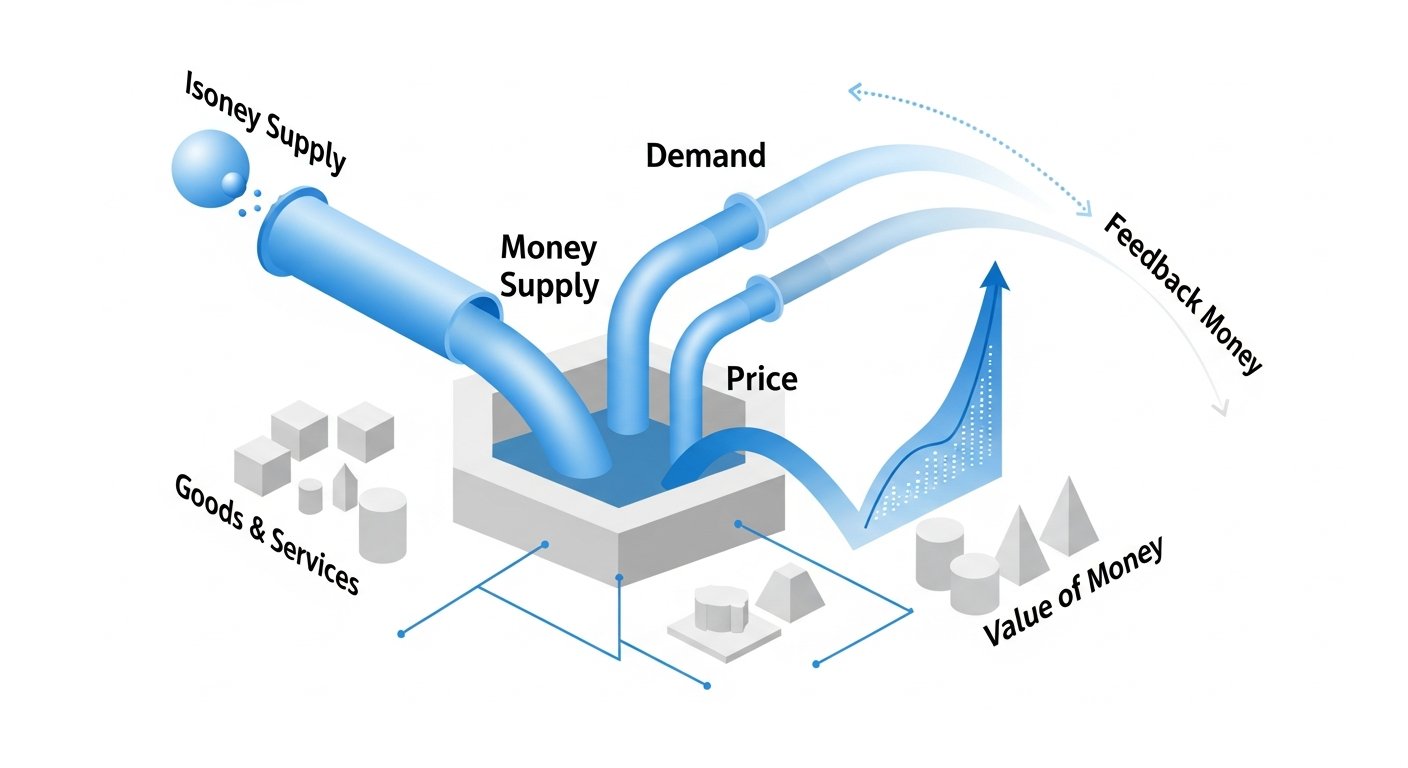
Inflation is rarely the result of a single factor; instead, it typically arises from a complex interplay of various economic forces. Understanding these causes is crucial for both policymakers trying to manage the economy and individuals trying to anticipate its effects on their financial lives. The primary drivers can be broadly categorized into demand-side pressures, supply-side shocks, and expectations.
[INLINE IMAGE 1: place after second H2 | alt=”what is inflation concept illustration”]
Demand-Pull Inflation: Too Much Money Chasing Too Few Goods
Demand-pull inflation occurs when aggregate demand in an economy outpaces the aggregate supply of goods and services. Essentially, there’s too much money available chasing a limited amount of products. When consumers and businesses have more money to spend, their willingness to pay higher prices for desired items increases, pushing up overall price levels. This phenomenon is often associated with a booming economy where unemployment is low, and consumers feel confident enough to spend freely.
Several factors can lead to demand-pull inflation:
- Increased Money Supply: When central banks inject too much money into the economy through low interest rates or quantitative easing, it can fuel spending.
- Government Spending: Large government expenditures, especially if not offset by tax increases, can boost overall demand.
- Strong Consumer Confidence: When consumers are optimistic about the future, they tend to spend more and save less.
- Tax Cuts: Reductions in taxes can leave households and businesses with more disposable income, leading to increased demand.
The classic example is a bidding war: if many people want to buy the same house, the price will naturally go up because demand exceeds available supply.
Cost-Push Inflation: Rising Production Costs
Cost-push inflation, on the other hand, occurs when the overall prices of goods and services rise due to increases in the cost of production. Even if demand remains stable, businesses face higher expenses, which they often pass on to consumers in the form of higher prices to maintain their profit margins. This type of inflation originates from the supply side of the economy.
Key drivers of cost-push inflation include:
- Wage Increases: If wages rise significantly across many industries, businesses face higher labor costs. If productivity doesn’t increase commensurately, these costs are typically passed on.
- Raw Material Price Increases: Spikes in the cost of essential raw materials, such as oil, metals, or agricultural products, can raise production costs for a wide range of industries. For instance, a surge in crude oil prices affects not only gasoline but also plastics, transportation, and manufacturing.
- Supply Chain Disruptions: Events that disrupt global supply chains—like natural disasters, pandemics, or geopolitical conflicts—can limit the availability of components and finished goods, increasing the cost of bringing products to market.
- Increased Taxes or Regulations: New taxes on businesses or regulations that increase compliance costs can also lead to higher production expenses.
The energy crisis of the 1970s, driven by oil embargos, is a historical example of significant cost-push inflation.
Built-In Inflation: The Wage-Price Spiral
Built-in inflation, also known as the wage-price spiral, is a self-perpetuating cycle where expectations of future inflation lead to demands for higher wages, which in turn lead to businesses raising prices further. This type of inflation is often a consequence of past inflationary periods becoming entrenched in economic behavior and expectations.
- Workers Demand Higher Wages: As workers observe rising prices, they demand higher wages to maintain their real purchasing power.
- Businesses Increase Prices: To offset the higher labor costs (and other input costs), businesses raise the prices of their goods and services.
- Further Inflationary Expectations: This increase in prices then fuels further expectations of inflation, leading workers to demand even higher wages in the next cycle, and so on.
This spiral can be challenging to break once it takes hold, as it’s driven by psychological factors and collective bargaining power. Central banks often act to prevent this spiral from becoming deeply entrenched by signaling their commitment to price stability. Learn more about the Federal Reserve’s role in monetary policy.
Monetary Policy and Money Supply
The actions of a country’s central bank play a significant role in influencing inflation. Monetary policy, which involves managing the money supply and credit conditions, directly impacts both demand-pull and built-in inflation.
- Interest Rates: When central banks lower interest rates, borrowing becomes cheaper, encouraging consumers and businesses to take on more debt for spending and investment. This increases the money supply and can fuel demand-pull inflation. Conversely, raising interest rates slows down economic activity, reduces demand, and can help cool inflation.
- Quantitative Easing (QE): During periods of economic distress, central banks may engage in QE, purchasing government bonds and other assets to inject liquidity into the financial system, expanding the money supply. While intended to stimulate growth, excessive or prolonged QE can lead to inflationary pressures.
- Reserve Requirements: Central banks can also alter the reserve requirements for banks, influencing the amount of money banks have available to lend.
Mismanagement of the money supply—either too much or too little—can have profound effects on price stability.
Supply Chain Disruptions and Geopolitical Events
In an increasingly interconnected global economy, disruptions to supply chains and major geopolitical events can have far-reaching inflationary consequences.
- Supply Chain Bottlenecks: Events like natural disasters, pandemics, or labor shortages can disrupt the production and distribution of goods, leading to scarcity and higher prices. For example, a shortage of microchips affects everything from cars to consumer electronics.
- Geopolitical Conflicts: Wars, trade disputes, and political instability in key resource-producing regions can lead to sharp increases in the prices of commodities like oil, gas, and food. Sanctions, tariffs, and disruptions to shipping lanes can also add to costs.
- Climate Change Impacts: Increasingly, extreme weather events linked to climate change can damage crops, disrupt transportation, and raise insurance costs, contributing to food and other price increases.
These external shocks often manifest as cost-push inflation, impacting industries globally and leading to higher prices for consumers.
Types of Inflation: A Closer Look
While we’ve discussed the general concept and causes of inflation, it’s also important to recognize that inflation isn’t a monolithic phenomenon. It can manifest in different forms, each with distinct characteristics and implications for the economy and your personal finances. Understanding these types helps in interpreting economic indicators and making informed decisions.
Creeping, Walking, Galloping, and Hyperinflation
Economists often categorize inflation based on its severity and rate of increase:
- Creeping Inflation (Mild Inflation): This is a low and predictable rate of inflation, typically between 1-3% per year. It’s considered healthy for the economy, encouraging spending and investment without significantly eroding purchasing power. Central banks often aim for this level of inflation.
- Walking Inflation (Moderate Inflation): This occurs when inflation rises to 3-10% per year. It becomes more noticeable and problematic for consumers and businesses. While not yet runaway, it starts to create uncertainty and can lead to a slight erosion of savings if not accounted for.
- Galloping Inflation (Severe Inflation): When inflation reaches double-digit or even triple-digit rates (10% to 999% annually), it’s considered galloping inflation. At this stage, money loses its value rapidly, leading to economic instability, loss of consumer confidence, and a scramble to convert cash into assets. It makes long-term financial planning extremely difficult.
- Hyperinflation: This is the most extreme and destructive form of inflation, characterized by an astronomical and out-of-control rate of price increases, often exceeding 1,000% per month (or even higher). Money becomes virtually worthless, and people resort to bartering or foreign currencies. Historical examples include Weimar Germany in the 1920s and Zimbabwe in the 2000s. Hyperinflation destroys savings, collapses economies, and can lead to social and political unrest.
These classifications help in understanding the urgency and severity of an inflationary period, guiding appropriate policy responses and personal financial adjustments.
Stagflation: A Challenging Economic Paradox
Stagflation is a particularly difficult economic condition that combines three undesirable elements:
- High Inflation: Prices are rising rapidly.
- Stagnant Economic Growth: The economy is experiencing little to no growth, or even contraction.
- High Unemployment: A significant portion of the workforce is jobless.
This paradox challenges conventional economic wisdom, which typically suggests that high inflation is associated with low unemployment (as demand-pull inflation implies a strong economy) and that efforts to curb inflation by slowing the economy would worsen unemployment. Stagflation, often caused by severe supply shocks (like the 1970s oil crises), presents a policy dilemma because measures to fight inflation (e.g., raising interest rates) can exacerbate unemployment and slow growth, while measures to boost growth (e.g., lowering interest rates) can worsen inflation. It requires careful and often unconventional policy responses.
Asset Price Inflation vs. Consumer Price Inflation
It’s important to distinguish between different areas where prices might be rising:
- Consumer Price Inflation: This is what we primarily discuss when referring to inflation—the increase in prices of everyday goods and services as measured by the CPI or PCE. It directly impacts the cost of living.
- Asset Price Inflation: This refers to the increase in prices of financial and real assets such as stocks, bonds, real estate, commodities, and other investments. While not directly measured by consumer price indices, it can have significant implications. For instance, rising housing prices make homes less affordable, and rising stock prices can create wealth effects that indirectly fuel consumer spending. Asset price inflation can be driven by factors like low interest rates, speculative buying, or a flight to assets as a hedge against consumer price inflation.
Sometimes, the economy can experience significant asset price inflation without much consumer price inflation, or vice versa. This distinction is crucial for investors and policymakers alike, as it points to different underlying economic dynamics.
The Impact of Inflation on Your Personal Finances
Understanding what inflation is, and its causes and types, is one thing; feeling its tangible effects on your wallet is another. Inflation is not just an abstract economic indicator; it directly impacts every facet of your personal finances, from your daily spending to your long-term retirement plans. Ignoring its influence can lead to a significant erosion of your wealth and purchasing power over time.
[INLINE IMAGE 2: place after fourth H2 | alt=”what is inflation comparison illustration”]
Erosion of Savings and Fixed Incomes
Perhaps the most immediate and noticeable impact of inflation is the reduction in the real value of your savings. If your cash savings are sitting in a bank account earning a low interest rate (e.g., 0.5%) while inflation is running at 3%, your money is effectively losing 2.5% of its purchasing power each year. Over time, this can significantly diminish the value of your nest egg. Explore strategies for saving smart in an inflationary environment.
Similarly, individuals relying on fixed incomes, such as retirees living on pensions or fixed annuities that are not indexed to inflation, are particularly vulnerable. As prices rise, their fixed income buys less and less, leading to a decline in their standard of living. This highlights the importance of incorporating inflation adjustments into retirement planning and seeking income sources that can keep pace with rising costs.
Impact on Debtors vs. Creditors
Inflation has a differential impact on debtors (those who owe money) and creditors (those who are owed money or have lent money):
- For Debtors: Inflation can be a stealthy benefit, especially for those with fixed-rate debt (like a traditional 30-year fixed mortgage). As inflation increases, the future dollars used to repay the debt are worth less in real terms than the dollars originally borrowed. This effectively reduces the “real” burden of the debt over time. However, this only applies to fixed-rate debt; variable-rate debt can become more expensive if interest rates rise to combat inflation.
- For Creditors: Conversely, inflation is generally detrimental to creditors. The money they are repaid is worth less than the money they originally lent. This is why lenders typically charge an interest rate that includes an inflation premium to compensate for the expected loss of purchasing power. If actual inflation is higher than expected, creditors lose out.
This dynamic highlights why real estate, often financed with fixed-rate mortgages, can be a popular inflation hedge, as the value of the asset may rise while the real cost of the debt declines.
Rising Cost of Living: Groceries, Gas, and Housing
The most direct way most people experience inflation is through the rising cost of everyday essentials.
- Groceries: Food prices are highly susceptible to inflation, influenced by everything from weather patterns and supply chain issues to energy costs for transportation and processing.
- Gas and Utilities: Energy prices are notoriously volatile and can significantly impact household budgets. Higher gas prices not only affect your commute but also increase the cost of transporting goods, contributing to overall inflation. Utility bills for heating and cooling also tend to rise.
- Housing: Rent and home prices are often major components of inflation indices. Rising housing costs can be a significant burden, especially in urban areas. This is influenced by demand, supply, interest rates, and construction costs.
These increases necessitate adjustments to household budgets, potentially forcing families to cut back on discretionary spending or seek additional income streams.
Investment Implications: Protecting Your Portfolio
Inflation is a critical consideration for investors, as it can erode the real returns of investments.
- Cash and Bonds: Cash and traditional fixed-income investments like bonds are particularly vulnerable to inflation. If the yield on a bond is less than the inflation rate, your investment is losing real value.
- Stocks: The impact on stocks is more nuanced. While some companies may struggle with rising input costs and reduced consumer spending, others with strong pricing power or those in essential industries may perform well. Companies that can pass on higher costs to consumers are often favored during inflationary periods.
- Real Estate: As a tangible asset, real estate is often considered a good hedge against inflation. Property values and rental income tend to rise with inflation, preserving real value.
- Commodities: Raw materials like gold, silver, oil, and agricultural products are often seen as direct inflation hedges, as their prices tend to rise when inflation heats up.
- Inflation-Protected Securities (TIPS): These are government bonds specifically designed to protect investors from inflation. Their principal value adjusts with the CPI.
An inflationary environment often necessitates a review of one’s investment portfolio to ensure it’s adequately diversified and includes assets that can withstand or even benefit from rising prices.
The Wage-Price Spiral and Real Wages
While nominal wages (the dollar amount you earn) might increase during inflationary periods, the critical factor is your “real wage”—what your earnings can actually purchase. If your wages increase by 2% but inflation is 5%, your real wage has effectively decreased by 3%, meaning you have less purchasing power. This leads to the wage-price spiral phenomenon we discussed earlier, where workers demand higher wages to keep pace with rising costs, which can then prompt businesses to raise prices further. This cycle can be challenging to break and underscores the importance of seeking wage growth that at least matches, if not exceeds, the rate of inflation.
Navigating Inflation: Strategies for Individuals and Households
Given inflation’s pervasive impact, proactively managing your personal finances to mitigate its effects is not just wise—it’s essential. While you cannot control macroeconomic forces, you can certainly control how you respond to them. Here are practical strategies for individuals and households to navigate an inflationary environment.
Budgeting and Expense Management
The first line of defense against inflation is a robust and flexible budget. As prices rise, your existing budget may quickly become obsolete.
- Regular Budget Review: Periodically review your budget (monthly or quarterly) to reflect current prices for essentials like groceries, utilities, and transportation. Adjust categories as needed.
- Identify Non-Essential Spending: Pinpoint areas where you can cut back on discretionary expenses. This might mean fewer restaurant meals, canceling unused subscriptions, or reducing impulse purchases.
- Track Price Increases: Be mindful of where prices are rising most rapidly in your personal spending. This awareness can help you make more informed purchasing decisions, such as buying generic brands, shopping sales, or bulk purchasing non-perishable items when prices are favorable.
- Energy Efficiency: Invest in energy-efficient appliances, seal drafts, and adjust thermostats to reduce utility bills, which are often hit hard by inflation.
A well-managed budget ensures your money is directed where it’s most needed and helps you avoid getting caught off guard by rising costs.
Smart Investing Strategies for Inflationary Times
Your investment portfolio needs to be designed not just for growth but also for protection against the erosion of purchasing power.
- Equities (Stocks): Companies with strong pricing power, meaning they can pass on higher costs to consumers without losing significant market share, tend to perform well. Look for companies with strong brands, essential products, or inelastic demand. Dividend-paying stocks from financially sound companies can also provide income that may increase over time.
- Real Estate: Investment properties, particularly those with rising rental income, can be an excellent inflation hedge. Property values and rents tend to appreciate with inflation. Homeownership, especially with a fixed-rate mortgage, also benefits as the real value of the debt decreases.
- Inflation-Protected Securities (TIPS): Treasury Inflation-Protected Securities are government bonds whose principal value adjusts with the Consumer Price Index (CPI), ensuring your investment keeps pace with inflation. They offer a guaranteed real return.
- Commodities: Gold, silver, oil, and other raw materials have historically been seen as inflation hedges, as their prices tend to rise during inflationary periods. However, commodities can be volatile and are often best used as a smaller portion of a diversified portfolio.
- Diversification: A diversified portfolio across different asset classes, industries, and geographies is always crucial, but especially so during inflationary times. It helps spread risk and capture opportunities in various market segments.
Consulting with a financial advisor can help tailor an investment strategy that aligns with your risk tolerance and financial goals in an inflationary environment.
Debt Management: Fixed vs. Variable Rate Loans
Understanding the nature of your debt is paramount during inflation.
- Fixed-Rate Debt: Prioritize paying down high-interest, variable-rate debt first. Fixed-rate debt, like a long-term mortgage, can actually become less burdensome in real terms during inflation, as the purchasing power of the money you use to repay it diminishes over time.
- Variable-Rate Debt: Consumer loans, credit cards, and adjustable-rate mortgages (ARMs) with variable interest rates are highly susceptible to rising interest rates, which central banks typically use to combat inflation. If rates go up, your payments will increase, adding to your financial strain. Aggressively pay down or refinance variable-rate debt into fixed-rate options if possible.
Income Growth: Negotiating Wages and Skill Development
To maintain or increase your real purchasing power, your income needs to keep pace with inflation.
- Wage Negotiation: Regularly review your salary and be prepared to negotiate for raises that at least match the inflation rate, plus account for your performance and increased value to your employer. Research industry benchmarks to bolster your case.
- Skill Development: Invest in continuous learning and skill development to enhance your marketability and earning potential. Higher-demand skills often command higher wages.
- Side Gigs/Passive Income: Consider developing additional income streams, such as a side hustle, freelance work, or passive income sources, to supplement your primary earnings.
Diversifying Assets: A Prudent Approach
Diversification is not just about different asset classes but also about considering global markets and different types of investments. While the U.S. economy might experience certain inflationary pressures, other economies may react differently, offering alternative investment opportunities. Diversifying reduces specific risks and provides broader exposure to growth opportunities.
Comparison of Investment Strategies in an Inflationary Environment
Here’s a comparison of common investment strategies and their potential performance during periods of inflation:
| Investment Type | Inflation Hedge Potential | Key Considerations | Pros in Inflation | Cons in Inflation |
|---|---|---|---|---|
| Cash & Savings Accounts | Very Low | Liquidity is high, but real value erodes quickly if interest rates are below inflation. | Safe for short-term needs. | Significant loss of purchasing power over time. |
| Fixed-Rate Bonds | Low to Moderate | Longer-term bonds are more sensitive to rising interest rates. | Predictable income, principal protection if held to maturity. | Real returns can be negative; declining bond prices if rates rise. |
| Inflation-Protected Securities (TIPS) | High | Principal value adjusts with CPI. Real yield can be low. | Guaranteed protection against inflation erosion of principal. | Lower nominal returns than other assets during low inflation. |
| Stocks (Equities) | Moderate to High | Depends on company’s pricing power, sector, and balance sheet strength. | Companies with strong pricing power can grow earnings; dividends may increase. | Companies with high costs and weak pricing power suffer; market volatility. |
| Real Estate (Physical Property) | High | Property values and rental income tend to rise with inflation. Maintenance costs. | Appreciation, rental income hedge, fixed-rate mortgage benefit. | Illiquidity, high transaction costs, management effort. |
| Commodities (Gold, Oil, etc.) | High | Often volatile. Can be speculative. | Directly benefit from rising raw material prices. | Price swings, no income generation (except for some commodity ETFs). |
By implementing these strategies, individuals can construct a more resilient financial plan, better equipped to weather the challenges and seize potential opportunities presented by an inflationary economic climate. Discover more about managing your investment portfolio.
How Governments and Central Banks Combat Inflation
When inflation becomes too high or threatens economic stability, governments and central banks step in to implement policies aimed at bringing prices back under control. These institutions wield powerful tools that directly influence the money supply, interest rates, and overall economic demand.
Monetary Policy Tools: Interest Rates, Quantitative Tightening
The primary responsibility for controlling inflation typically rests with the central bank (e.g., the Federal Reserve in the United States, the European Central Bank, the Bank of England). Central banks use monetary policy tools to manage the money supply and credit conditions in the economy:
- Interest Rate Adjustments (Federal Funds Rate): The most common tool. By raising the benchmark interest rate (like the federal funds rate in the U.S.), the central bank makes it more expensive for commercial banks to borrow money. This, in turn, leads to higher interest rates for consumers and businesses on loans (mortgages, car loans, business loans). Higher borrowing costs discourage spending and investment, slowing down economic activity and reducing demand-pull inflationary pressures.
- Quantitative Tightening (QT): This is the reverse of quantitative easing. After a period of buying government bonds and other assets to inject liquidity into the economy, central banks may reduce their balance sheet by letting these assets mature without reinvesting the proceeds, or by actively selling them. This effectively removes money from the financial system, reducing the money supply and tightening credit conditions.
- Reserve Requirements: Central banks can also change the percentage of deposits that banks must hold in reserve. Increasing reserve requirements reduces the amount of money banks have available to lend, thereby slowing the growth of the money supply.
These tools work by influencing aggregate demand. When demand cools, businesses face less pressure to raise prices, and inflation can decelerate.
Fiscal Policy: Government Spending and Taxation
While monetary policy is the domain of central banks, governments use fiscal policy to influence the economy through spending and taxation. Fiscal policy can also play a role in managing inflation, although it is often less agile than monetary policy.
- Reduced Government Spending: When governments cut back on their own spending (e.g., infrastructure projects, social programs), it directly reduces aggregate demand in the economy. This can help ease demand-pull inflation.
- Increased Taxes: Raising taxes on individuals or corporations reduces disposable income and profits, leading to less spending and investment. This can also help to curb demand.
However, fiscal policy decisions are often politically charged and can be slow to implement due to legislative processes. There’s also a risk that overly aggressive fiscal tightening could trigger a recession.
The Role of the Federal Reserve (or equivalent central banks)
The Federal Reserve has a dual mandate: to promote maximum employment and stable prices (low and stable inflation). When inflation rises above its target (typically 2% for the PCE index), the Fed will usually take action to tighten monetary policy.
- Setting Inflation Targets: Most major central banks have publicly stated inflation targets. This provides transparency and helps anchor inflation expectations, which, as discussed, are crucial for preventing a wage-price spiral.
- Communication and Forward Guidance: Central banks communicate their policy intentions and economic outlook to the public through speeches, reports, and minutes of meetings. This “forward guidance” helps shape market and public expectations about future interest rate paths and inflation, influencing current economic behavior.
The credibility of the central bank in its commitment to price stability is a powerful tool in itself, as it can help prevent inflationary expectations from becoming entrenched.
Inflation Targets and Economic Stability
The establishment of explicit inflation targets has become a cornerstone of modern monetary policy. By setting a specific, usually low and positive, inflation rate as a goal, central banks aim to:
- Anchor Expectations: Provide a clear benchmark for businesses, workers, and investors, helping to prevent extreme inflationary or deflationary expectations.
- Guide Policy: Give a clear objective for monetary policy decisions, ensuring that actions are geared towards achieving price stability.
- Promote Transparency: Make central bank actions more understandable and accountable to the public.
A stable and predictable inflation environment reduces uncertainty, encourages long-term planning, and ultimately contributes to overall economic stability and sustainable growth. However, achieving and maintaining these targets can be challenging, particularly during periods of significant economic shocks or shifts in global dynamics. Understanding what is inflation from a policy perspective sheds light on the broader economic landscape.
Historical Perspectives and Future Outlook for Inflation
To fully appreciate the significance of inflation, it’s beneficial to look at its historical patterns and consider what the future might hold. Economic history offers valuable lessons, while expert forecasts help us anticipate potential challenges and opportunities.
Major Inflationary Periods in History
History is replete with examples of both moderate and severe inflationary episodes, each with unique causes and consequences:
- Post-World War I Germany (Weimar Republic, 1920s): One of the most infamous examples of hyperinflation. A combination of war reparations, excessive money printing, and a collapse of confidence led to prices doubling every few days, rendering the currency worthless. This had devastating social and political consequences.
- The United States in the 1970s: This period saw persistent high inflation (stagflation) driven primarily by oil price shocks, expansive fiscal policies related to the Vietnam War, and a breakdown of the Bretton Woods system. It was characterized by slow economic growth, high unemployment, and a wage-price spiral, proving very difficult for policymakers to resolve until aggressive monetary tightening in the early 1980s.
- Latin America (various countries, late 20th century): Many countries in Latin America experienced prolonged periods of very high inflation and hyperinflation due to political instability, fiscal mismanagement, and external debt crises. Countries like Argentina, Brazil, and Peru implemented numerous stabilization plans to combat this.
- More Recent Episodes: While not hyperinflationary, the period following the global pandemic in the early 2020s saw a significant surge in inflation across many developed economies, driven by supply chain disruptions, strong consumer demand supported by fiscal stimulus, and shifts in spending patterns. This recent experience has brought the question of “what is inflation” back to the forefront of public and policy discourse.
These historical instances underscore that inflation is not merely an economic concept but a powerful force with real-world implications for societies and individuals. The lessons learned often inform current central bank strategies and governmental economic policies.
Current Economic Landscape and Inflationary Pressures
As of 2026, the global economy continues to navigate a complex set of dynamics that influence inflationary trends. While the immediate aftermath of global disruptions has largely subsided, new factors consistently emerge. Ongoing geopolitical tensions in various regions, for instance, have the potential to disrupt critical supply chains for energy and raw materials, leading to renewed cost-push pressures. Labor markets in many developed nations remain tight, contributing to wage growth that, while beneficial for workers, can also feed into service-sector inflation. Furthermore, the push for green energy transitions and reshoring of manufacturing can introduce new cost factors and demand shifts that could influence prices over the medium term.
Central banks globally are balancing the need to maintain price stability with the desire to
What is Inflation? Understanding Its Impact and How to Protect Your Wealth
Affiliate disclosure: This article may contain affiliate links. Recommendations are independent and editorially driven.
The term “inflation” is a constant presence in financial news, economic forecasts, and even everyday conversations about the cost of living. But what is inflation, truly? Beyond the headlines, understanding this fundamental economic concept is crucial for anyone managing their personal finances, planning for the future, or simply trying to make sense of why a trip to the grocery store costs more today than it did last year.
At its core, inflation represents the rate at which the general level of prices for goods and services is rising, and consequently, the purchasing power of currency is falling. Imagine a basket of everyday items—food, fuel, housing, clothing, healthcare, entertainment. If that basket costs significantly more this year than it did last, you’re experiencing inflation. This isn’t just an abstract economic theory; it’s a tangible force that directly impacts your savings, investments, income, and overall financial well-being. For a general audience, inflation often manifests as a feeling that their money isn’t going as far as it used to, making it harder to maintain their desired standard of living.
For individuals, grasping what inflation means is the first step toward effective financial planning in a dynamic economic environment. It influences decisions ranging from saving for retirement and buying a home to choosing which investments to make and how to manage debt. Ignoring inflation is akin to sailing without a compass; you might reach your destination, but you’re likely to be buffeted by unexpected challenges along the way. In this comprehensive guide, we will demystify inflation, exploring its causes, various forms, measurement, historical context, and, most importantly, provide actionable strategies for how you can navigate its effects to safeguard and grow your personal wealth.
Understanding the Core: What Exactly is Inflation?
Inflation is a phenomenon often discussed but sometimes misunderstood. To fully grasp its implications, we must start with a precise definition and understand how it’s measured and distinguished from related economic concepts. It’s not just about prices going up; it’s about the systemic erosion of money’s value over time.
The Basic Definition: A Decline in Purchasing Power
In simple terms, inflation is the rate at which the general level of prices for goods and services is rising. Conversely, and perhaps more importantly for the average person, it also represents the rate at which the purchasing power of a currency is falling. If your dollar buys fewer goods and services today than it did yesterday, you are experiencing the effects of inflation. This isn’t limited to specific items; it’s a broad-based increase across the economy. A moderate level of inflation is often considered a sign of a healthy, growing economy, encouraging spending and investment. However, excessively high or volatile inflation can destabilize an economy and create significant financial hardship for households.
Measuring Inflation: The Consumer Price Index (CPI) and Other Metrics
Governments and economic institutions track inflation using various indices, with the Consumer Price Index (CPI) being the most widely cited and understood by the general public. The CPI measures the average change over time in the prices paid by urban consumers for a market basket of consumer goods and services. This “market basket” includes a wide range of categories such as food, energy, housing, apparel, transportation, medical care, recreation, education, and communication. By tracking changes in the cost of this standardized basket over time, economists can quantify the rate of inflation.
While the CPI is vital, other metrics also provide insights into price changes:
- Producer Price Index (PPI): This measures the average change over time in the selling prices received by domestic producers for their output. It’s often seen as an early indicator of future consumer inflation.
- Personal Consumption Expenditures (PCE) Price Index: The Federal Reserve often prefers the PCE index as its primary measure of inflation. It covers a broader range of goods and services than the CPI and accounts for changes in consumer behavior (e.g., if chicken prices rise, consumers might buy more beef, and PCE would reflect this shift). It also typically gives less weight to housing costs.
- Core Inflation: Both CPI and PCE are often reported in “core” versions, which exclude volatile food and energy prices. This provides a clearer picture of underlying inflation trends, as food and energy prices can swing wildly due to external factors like weather or geopolitical events.
These indices are calculated and released regularly, providing crucial data points for policymakers, businesses, and individuals to understand the current economic climate.
Inflation vs. Deflation vs. Disinflation
Understanding what inflation is also requires distinguishing it from related concepts:
- Inflation: A general increase in prices and fall in the purchasing value of money. This is our primary focus.
- Deflation: The opposite of inflation. It’s a general decline in prices for goods and services, leading to an increase in the purchasing power of currency. While it might sound appealing, widespread deflation can be very damaging to an economy, discouraging spending and investment as consumers and businesses delay purchases in anticipation of even lower prices, leading to economic stagnation or recession.
- Disinflation: This refers to a slowdown in the rate of inflation. Prices are still rising, but at a slower pace than before. For example, if inflation falls from 5% to 2%, that’s disinflation, not deflation. The economy is still experiencing rising prices, just not as rapidly.
- Stagflation: A particularly challenging economic situation characterized by high inflation, slow economic growth (stagnation), and high unemployment. This combination is difficult for policymakers to address because traditional tools to combat inflation can worsen unemployment, and vice versa.
These distinctions are critical for accurately interpreting economic news and understanding the nuances of monetary policy decisions.
Why a Little Inflation is Considered Healthy
While excessive inflation can be detrimental, a modest, stable rate of inflation (typically around 2-3% per year in many developed economies) is generally considered healthy and desirable for several reasons:
- Encourages Spending and Investment: When consumers and businesses expect prices to rise moderately in the future, they are more inclined to spend and invest now rather than delay purchases. This stimulates economic activity.
- Avoids Deflation: A small cushion of inflation helps prevent the economy from falling into deflation, which, as mentioned, can be much more challenging to combat and can lead to prolonged economic downturns.
- Facilitates Wage Adjustments: Modest inflation allows for gradual adjustments in nominal wages without requiring outright wage cuts, which can be psychologically difficult for workers. It provides flexibility in the labor market.
- Reduces Real Debt Burden: Inflation subtly reduces the real value of fixed-rate debt over time. While this benefits borrowers, it can be a disadvantage for lenders if not properly managed.
Central banks, like the Federal Reserve in the U.S., actively target a specific inflation rate to balance these factors and maintain economic stability.
The Driving Forces: What Causes Inflation?
Inflation is rarely the result of a single factor; instead, it typically arises from a complex interplay of various economic forces. Understanding these causes is crucial for both policymakers trying to manage the economy and individuals trying to anticipate its effects on their financial lives. The primary drivers can be broadly categorized into demand-side pressures, supply-side shocks, and expectations.
[INLINE IMAGE 1: place after second H2 | alt=”what is inflation concept illustration”]
Demand-Pull Inflation: Too Much Money Chasing Too Few Goods
Demand-pull inflation occurs when aggregate demand in an economy outpaces the aggregate supply of goods and services. Essentially, there’s too much money available chasing a limited amount of products. When consumers and businesses have more money to spend, their willingness to pay higher prices for desired items increases, pushing up overall price levels. This phenomenon is often associated with a booming economy where unemployment is low, and consumers feel confident enough to spend freely.
Several factors can lead to demand-pull inflation:
- Increased Money Supply: When central banks inject too much money into the economy through low interest rates or quantitative easing, it can fuel spending.
- Government Spending: Large government expenditures, especially if not offset by tax increases, can boost overall demand.
- Strong Consumer Confidence: When consumers are optimistic about the future, they tend to spend more and save less.
- Tax Cuts: Reductions in taxes can leave households and businesses with more disposable income, leading to increased demand.
The classic example is a bidding war: if many people want to buy the same house, the price will naturally go up because demand exceeds available supply.
Cost-Push Inflation: Rising Production Costs
Cost-push inflation, on the other hand, occurs when the overall prices of goods and services rise due to increases in the cost of production. Even if demand remains stable, businesses face higher expenses, which they often pass on to consumers in the form of higher prices to maintain their profit margins. This type of inflation originates from the supply side of the economy.
Key drivers of cost-push inflation include:
- Wage Increases: If wages rise significantly across many industries, businesses face higher labor costs. If productivity doesn’t increase commensurately, these costs are typically passed on.
- Raw Material Price Increases: Spikes in the cost of essential raw materials, such as oil, metals, or agricultural products, can raise production costs for a wide range of industries. For instance, a surge in crude oil prices affects not only gasoline but also plastics, transportation, and manufacturing.
- Supply Chain Disruptions: Events that disrupt global supply chains—like natural disasters, pandemics, or geopolitical conflicts—can limit the availability of components and finished goods, increasing the cost of bringing products to market.
- Increased Taxes or Regulations: New taxes on businesses or regulations that increase compliance costs can also lead to higher production expenses.
The energy crisis of the 1970s, driven by oil embargos, is a historical example of significant cost-push inflation.
Built-In Inflation: The Wage-Price Spiral
Built-in inflation, also known as the wage-price spiral, is a self-perpetuating cycle where expectations of future inflation lead to demands for higher wages, which in turn lead to businesses raising prices further. This type of inflation is often a consequence of past inflationary periods becoming entrenched in economic behavior and expectations.
- Workers Demand Higher Wages: As workers observe rising prices, they demand higher wages to maintain their real purchasing power.
- Businesses Increase Prices: To offset the higher labor costs (and other input costs), businesses raise the prices of their goods and services.
- Further Inflationary Expectations: This increase in prices then fuels further expectations of inflation, leading workers to demand even higher wages in the next cycle, and so on.
This spiral can be challenging to break once it takes hold, as it’s driven by psychological factors and collective bargaining power. Central banks often act to prevent this spiral from becoming deeply entrenched by signaling their commitment to price stability. Learn more about the Federal Reserve’s role in monetary policy.
Monetary Policy and Money Supply
The actions of a country’s central bank play a significant role in influencing inflation. Monetary policy, which involves managing the money supply and credit conditions, directly impacts both demand-pull and built-in inflation.
- Interest Rates: When central banks lower interest rates, borrowing becomes cheaper, encouraging consumers and businesses to take on more debt for spending and investment. This increases the money supply and can fuel demand-pull inflation. Conversely, raising interest rates slows down economic activity, reduces demand, and can help cool inflation.
- Quantitative Easing (QE): During periods of economic distress, central banks may engage in QE, purchasing government bonds and other assets to inject liquidity into the financial system, expanding the money supply. While intended to stimulate growth, excessive or prolonged QE can lead to inflationary pressures.
- Reserve Requirements: Central banks can also alter the reserve requirements for banks, influencing the amount of money banks have available to lend.
Mismanagement of the money supply—either too much or too little—can have profound effects on price stability.
Supply Chain Disruptions and Geopolitical Events
In an increasingly interconnected global economy, disruptions to supply chains and major geopolitical events can have far-reaching inflationary consequences.
- Supply Chain Bottlenecks: Events like natural disasters, pandemics, or labor shortages can disrupt the production and distribution of goods, leading to scarcity and higher prices. For example, a shortage of microchips affects everything from cars to consumer electronics.
- Geopolitical Conflicts: Wars, trade disputes, and political instability in key resource-producing regions can lead to sharp increases in the prices of commodities like oil, gas, and food. Sanctions, tariffs, and disruptions to shipping lanes can also add to costs.
- Climate Change Impacts: Increasingly, extreme weather events linked to climate change can damage crops, disrupt transportation, and raise insurance costs, contributing to food and other price increases.
These external shocks often manifest as cost-push inflation, impacting industries globally and leading to higher prices for consumers.
Types of Inflation: A Closer Look
While we’ve discussed the general concept and causes of inflation, it’s also important to recognize that inflation isn’t a monolithic phenomenon. It can manifest in different forms, each with distinct characteristics and implications for the economy and your personal finances. Understanding these types helps in interpreting economic indicators and making informed decisions.
Creeping, Walking, Galloping, and Hyperinflation
Economists often categorize inflation based on its severity and rate of increase:
- Creeping Inflation (Mild Inflation): This is a low and predictable rate of inflation, typically between 1-3% per year. It’s considered healthy for the economy, encouraging spending and investment without significantly eroding purchasing power. Central banks often aim for this level of inflation.
- Walking Inflation (Moderate Inflation): This occurs when inflation rises to 3-10% per year. It becomes more noticeable and problematic for consumers and businesses. While not yet runaway, it starts to create uncertainty and can lead to a slight erosion of savings if not accounted for.
- Galloping Inflation (Severe Inflation): When inflation reaches double-digit or even triple-digit rates (10% to 999% annually), it’s considered galloping inflation. At this stage, money loses its value rapidly, leading to economic instability, loss of consumer confidence, and a scramble to convert cash into assets. It makes long-term financial planning extremely difficult.
- Hyperinflation: This is the most extreme and destructive form of inflation, characterized by an astronomical and out-of-control rate of price increases, often exceeding 1,000% per month (or even higher). Money becomes virtually worthless, and people resort to bartering or foreign currencies. Historical examples include Weimar Germany in the 1920s and Zimbabwe in the 2000s. Hyperinflation destroys savings, collapses economies, and can lead to social and political unrest.
These classifications help in understanding the urgency and severity of an inflationary period, guiding appropriate policy responses and personal financial adjustments.
Stagflation: A Challenging Economic Paradox
Stagflation is a particularly difficult economic condition that combines three undesirable elements:
- High Inflation: Prices are rising rapidly.
- Stagnant Economic Growth: The economy is experiencing little to no growth, or even contraction.
- High Unemployment: A significant portion of the workforce is jobless.
This paradox challenges conventional economic wisdom, which typically suggests that high inflation is associated with low unemployment (as demand-pull inflation implies a strong economy) and that efforts to curb inflation by slowing the economy would worsen unemployment. Stagflation, often caused by severe supply shocks (like the 1970s oil crises), presents a policy dilemma because measures to fight inflation (e.g., raising interest rates) can exacerbate unemployment and slow growth, while measures to boost growth (e.g., lowering interest rates) can worsen inflation. It requires careful and often unconventional policy responses.
Asset Price Inflation vs. Consumer Price Inflation
It’s important to distinguish between different areas where prices might be rising:
- Consumer Price Inflation: This is what we primarily discuss when referring to inflation—the increase in prices of everyday goods and services as measured by the CPI or PCE. It directly impacts the cost of living.
- Asset Price Inflation: This refers to the increase in prices of financial and real assets such as stocks, bonds, real estate, commodities, and other investments. While not directly measured by consumer price indices, it can have significant implications. For instance, rising housing prices make homes less affordable, and rising stock prices can create wealth effects that indirectly fuel consumer spending. Asset price inflation can be driven by factors like low interest rates, speculative buying, or a flight to assets as a hedge against consumer price inflation.
Sometimes, the economy can experience significant asset price inflation without much consumer price inflation, or vice versa. This distinction is crucial for investors and policymakers alike, as it points to different underlying economic dynamics.
The Impact of Inflation on Your Personal Finances
Understanding what inflation is, and its causes and types, is one thing; feeling its tangible effects on your wallet is another. Inflation is not just an abstract economic indicator; it directly impacts every facet of your personal finances, from your daily spending to your long-term retirement plans. Ignoring its influence can lead to a significant erosion of your wealth and purchasing power over time.
[INLINE IMAGE 2: place after fourth H2 | alt=”what is inflation comparison illustration”]
Erosion of Savings and Fixed Incomes
Perhaps the most immediate and noticeable impact of inflation is the reduction in the real value of your savings. If your cash savings are sitting in a bank account earning a low interest rate (e.g., 0.5%) while inflation is running at 3%, your money is effectively losing 2.5% of its purchasing power each year. Over time, this can significantly diminish the value of your nest egg. Explore strategies for saving smart in an inflationary environment.
Similarly, individuals relying on fixed incomes, such as retirees living on pensions or fixed annuities that are not indexed to inflation, are particularly vulnerable. As prices rise, their fixed income buys less and less, leading to a decline in their standard of living. This highlights the importance of incorporating inflation adjustments into retirement planning and seeking income sources that can keep pace with rising costs.
Impact on Debtors vs. Creditors
Inflation has a differential impact on debtors (those who owe money) and creditors (those who are owed money or have lent money):
- For Debtors: Inflation can be a stealthy benefit, especially for those with fixed-rate debt (like a traditional 30-year fixed mortgage). As inflation increases, the future dollars used to repay the debt are worth less in real terms than the dollars originally borrowed. This effectively reduces the “real” burden of the debt over time. However, this only applies to fixed-rate debt; variable-rate debt can become more expensive if interest rates rise to combat inflation.
- For Creditors: Conversely, inflation is generally detrimental to creditors. The money they are repaid is worth less than the money they originally lent. This is why lenders typically charge an interest rate that includes an inflation premium to compensate for the expected loss of purchasing power. If actual inflation is higher than expected, creditors lose out.
This dynamic highlights why real estate, often financed with fixed-rate mortgages, can be a popular inflation hedge, as the value of the asset may rise while the real cost of the debt declines.
Rising Cost of Living: Groceries, Gas, and Housing
The most direct way most people experience inflation is through the rising cost of everyday essentials.
- Groceries: Food prices are highly susceptible to inflation, influenced by everything from weather patterns and supply chain issues to energy costs for transportation and processing.
- Gas and Utilities: Energy prices are notoriously volatile and can significantly impact household budgets. Higher gas prices not only affect your commute but also increase the cost of transporting goods, contributing to overall inflation. Utility bills for heating and cooling also tend to rise.
- Housing: Rent and home prices are often major components of inflation indices. Rising housing costs can be a significant burden, especially in urban areas. This is influenced by demand, supply, interest rates, and construction costs.
These increases necessitate adjustments to household budgets, potentially forcing families to cut back on discretionary spending or seek additional income streams.
Investment Implications: Protecting Your Portfolio
Inflation is a critical consideration for investors, as it can erode the real returns of investments.
- Cash and Bonds: Cash and traditional fixed-income investments like bonds are particularly vulnerable to inflation. If the yield on a bond is less than the inflation rate, your investment is losing real value.
- Stocks: The impact on stocks is more nuanced. While some companies may struggle with rising input costs and reduced consumer spending, others with strong pricing power or those in essential industries may perform well. Companies that can pass on higher costs to consumers are often favored during inflationary periods.
- Real Estate: As a tangible asset, real estate is often considered a good hedge against inflation. Property values and rental income tend to rise with inflation, preserving real value.
- Commodities: Raw materials like gold, silver, oil, and agricultural products are often seen as direct inflation hedges, as their prices tend to rise when inflation heats up.
- Inflation-Protected Securities (TIPS): These are government bonds specifically designed to protect investors from inflation. Their principal value adjusts with the CPI.
An inflationary environment often necessitates a review of one’s investment portfolio to ensure it’s adequately diversified and includes assets that can withstand or even benefit from rising prices.
The Wage-Price Spiral and Real Wages
While nominal wages (the dollar amount you earn) might increase during inflationary periods, the critical factor is your “real wage”—what your earnings can actually purchase. If your wages increase by 2% but inflation is 5%, your real wage has effectively decreased by 3%, meaning you have less purchasing power. This leads to the wage-price spiral phenomenon we discussed earlier, where workers demand higher wages to keep pace with rising costs, which can then prompt businesses to raise prices further. This cycle can be challenging to break and underscores the importance of seeking wage growth that at least matches, if not exceeds, the rate of inflation.
Navigating Inflation: Strategies for Individuals and Households
Given inflation’s pervasive impact, proactively managing your personal finances to mitigate its effects is not just wise—it’s essential. While you cannot control macroeconomic forces, you can certainly control how you respond to them. Here are practical strategies for individuals and households to navigate an inflationary environment.
Budgeting and Expense Management
The first line of defense against inflation is a robust and flexible budget. As prices rise, your existing budget may quickly become obsolete.
- Regular Budget Review: Periodically review your budget (monthly or quarterly) to reflect current prices for essentials like groceries, utilities, and transportation. Adjust categories as needed.
- Identify Non-Essential Spending: Pinpoint areas where you can cut back on discretionary expenses. This might mean fewer restaurant meals, canceling unused subscriptions, or reducing impulse purchases.
- Track Price Increases: Be mindful of where prices are rising most rapidly in your personal spending. This awareness can help you make more informed purchasing decisions, such as buying generic brands, shopping sales, or bulk purchasing non-perishable items when prices are favorable.
- Energy Efficiency: Invest in energy-efficient appliances, seal drafts, and adjust thermostats to reduce utility bills, which are often hit hard by inflation.
A well-managed budget ensures your money is directed where it’s most needed and helps you avoid getting caught off guard by rising costs.
Smart Investing Strategies for Inflationary Times
Your investment portfolio needs to be designed not just for growth but also for protection against the erosion of purchasing power.
- Equities (Stocks): Companies with strong pricing power, meaning they can pass on higher costs to consumers without losing significant market share, tend to perform well. Look for companies with strong brands, essential products, or inelastic demand. Dividend-paying stocks from financially sound companies can also provide income that may increase over time.
- Real Estate: Investment properties, particularly those with rising rental income, can be an excellent inflation hedge. Property values and rents tend to appreciate with inflation. Homeownership, especially with a fixed-rate mortgage, also benefits as the real value of the debt decreases.
- Inflation-Protected Securities (TIPS): Treasury Inflation-Protected Securities are government bonds whose principal value adjusts with the Consumer Price Index (CPI), ensuring your investment keeps pace with inflation. They offer a guaranteed real return.
- Commodities: Gold, silver, oil, and other raw materials have historically been seen as inflation hedges, as their prices tend to rise during inflationary periods. However, commodities can be volatile and are often best used as a smaller portion of a diversified portfolio.
- Diversification: A diversified portfolio across different asset classes, industries, and geographies is always crucial, but especially so during inflationary times. It helps spread risk and capture opportunities in various market segments.
Consulting with a financial advisor can help tailor an investment strategy that aligns with your risk tolerance and financial goals in an inflationary environment.
Debt Management: Fixed vs. Variable Rate Loans
Understanding the nature of your debt is paramount during inflation.
- Fixed-Rate Debt: Prioritize paying down high-interest, variable-rate debt first. Fixed-rate debt, like a long-term mortgage, can actually become less burdensome in real terms during inflation, as the purchasing power of the money you use to repay it diminishes over time.
- Variable-Rate Debt: Consumer loans, credit cards, and adjustable-rate mortgages (ARMs) with variable interest rates are highly susceptible to rising interest rates, which central banks typically use to combat inflation. If rates go up, your payments will increase, adding to your financial strain. Aggressively pay down or refinance variable-rate debt into fixed-rate options if possible.
Income Growth: Negotiating Wages and Skill Development
To maintain or increase your real purchasing power, your income needs to keep pace with inflation.
- Wage Negotiation: Regularly review your salary and be prepared to negotiate for raises that at least match the inflation rate, plus account for your performance and increased value to your employer. Research industry benchmarks to bolster your case.
- Skill Development: Invest in continuous learning and skill development to enhance your marketability and earning potential. Higher-demand skills often command higher wages.
- Side Gigs/Passive Income: Consider developing additional income streams, such as a side hustle, freelance work, or passive income sources, to supplement your primary earnings.
Diversifying Assets: A Prudent Approach
Diversification is not just about different asset classes but also about considering global markets and different types of investments. While the U.S. economy might experience certain inflationary pressures, other economies may react differently, offering alternative investment opportunities. Diversifying reduces specific risks and provides broader exposure to growth opportunities.
Comparison of Investment Strategies in an Inflationary Environment
Here’s a comparison of common investment strategies and their potential performance during periods of inflation:
| Investment Type | Inflation Hedge Potential | Key Considerations | Pros in Inflation | Cons in Inflation |
|---|---|---|---|---|
| Cash & Savings Accounts | Very Low | Liquidity is high, but real value erodes quickly if interest rates are below inflation. | Safe for short-term needs. | Significant loss of purchasing power over time. |
| Fixed-Rate Bonds | Low to Moderate | Longer-term bonds are more sensitive to rising interest rates. | Predictable income, principal protection if held to maturity. | Real returns can be negative; declining bond prices if rates rise. |
| Inflation-Protected Securities (TIPS) | High | Principal value adjusts with CPI. Real yield can be low. | Guaranteed protection against inflation erosion of principal. | Lower nominal returns than other assets during low inflation. |
| Stocks (Equities) | Moderate to High | Depends on company’s pricing power, sector, and balance sheet strength. | Companies with strong pricing power can grow earnings; dividends may increase. | Companies with high costs and weak pricing power suffer; market volatility. |
| Real Estate (Physical Property) | High | Property values and rental income tend to rise with inflation. Maintenance costs. | Appreciation, rental income hedge, fixed-rate mortgage benefit. | Illiquidity, high transaction costs, management effort. |
| Commodities (Gold, Oil, etc.) | High | Often volatile. Can be speculative. | Directly benefit from rising raw material prices. | Price swings, no income generation (except for some commodity ETFs). |
By implementing these strategies, individuals can construct a more resilient financial plan, better equipped to weather the challenges and seize potential opportunities presented by an inflationary economic climate. Discover more about managing your investment portfolio.
How Governments and Central Banks Combat Inflation
When inflation becomes too high or threatens economic stability, governments and central banks step in to implement policies aimed at bringing prices back under control. These institutions wield powerful tools that directly influence the money supply, interest rates, and overall economic demand.
Monetary Policy Tools: Interest Rates, Quantitative Tightening
The primary responsibility for controlling inflation typically rests with the central bank (e.g., the Federal Reserve in the United States, the European Central Bank, the Bank of England). Central banks use monetary policy tools to manage the money supply and credit conditions in the economy:
- Interest Rate Adjustments (Federal Funds Rate): The most common tool. By raising the benchmark interest rate (like the federal funds rate in the U.S.), the central bank makes it more expensive for commercial banks to borrow money. This, in turn, leads to higher interest rates for consumers and businesses on loans (mortgages, car loans, business loans). Higher borrowing costs discourage spending and investment, slowing down economic activity and reducing demand-pull inflationary pressures.
- Quantitative Tightening (QT): This is the reverse of quantitative easing. After a period of buying government bonds and other assets to inject liquidity into the economy, central banks may reduce their balance sheet by letting these assets mature without reinvesting the proceeds, or by actively selling them. This effectively removes money from the financial system, reducing the money supply and tightening credit conditions.
- Reserve Requirements: Central banks can also change the percentage of deposits that banks must hold in reserve. Increasing reserve requirements reduces the amount of money banks have available to lend, thereby slowing the growth of the money supply.
These tools work by influencing aggregate demand. When demand cools, businesses face less pressure to raise prices, and inflation can decelerate.
Fiscal Policy: Government Spending and Taxation
While monetary policy is the domain of central banks, governments use fiscal policy to influence the economy through spending and taxation. Fiscal policy can also play a role in managing inflation, although it is often less agile than monetary policy.
- Reduced Government Spending: When governments cut back on their own spending (e.g., infrastructure projects, social programs), it directly reduces aggregate demand in the economy. This can help ease demand-pull inflation.
- Increased Taxes: Raising taxes on individuals or corporations reduces disposable income and profits, leading to less spending and investment. This can also help to curb demand.
However, fiscal policy decisions are often politically charged and can be slow to implement due to legislative processes. There’s also a risk that overly aggressive fiscal tightening could trigger a recession.
The Role of the Federal Reserve (or equivalent central banks)
The Federal Reserve has a dual mandate: to promote maximum employment and stable prices (low and stable inflation). When inflation rises above its target (typically 2% for the PCE index), the Fed will usually take action to tighten monetary policy.
- Setting Inflation Targets: Most major central banks have publicly stated inflation targets. This provides transparency and helps anchor inflation expectations, which, as discussed, are crucial for preventing a wage-price spiral.
- Communication and Forward Guidance: Central banks communicate their policy intentions and economic outlook to the public through speeches, reports, and minutes of meetings. This “forward guidance” helps shape market and public expectations about future interest rate paths and inflation, influencing current economic behavior.
The credibility of the central bank in its commitment to price stability is a powerful tool in itself, as it can help prevent inflationary expectations from becoming entrenched.
Inflation Targets and Economic Stability
The establishment of explicit inflation targets has become a cornerstone of modern monetary policy. By setting a specific, usually low and positive, inflation rate as a goal, central banks aim to:
- Anchor Expectations: Provide a clear benchmark for businesses, workers, and investors, helping to prevent extreme inflationary or deflationary expectations.
- Guide Policy: Give a clear objective for monetary policy decisions, ensuring that actions are geared towards achieving price stability.
- Promote Transparency: Make central bank actions more understandable and accountable to the public.
A stable and predictable inflation environment reduces uncertainty, encourages long-term planning, and ultimately contributes to overall economic stability and sustainable growth. However, achieving and maintaining these targets can be challenging, particularly during periods of significant economic shocks or shifts in global dynamics. Understanding what is inflation from a policy perspective sheds light on the broader economic landscape.
Historical Perspectives and Future Outlook for Inflation
To fully appreciate the significance of inflation, it’s beneficial to look at its historical patterns and consider what the future might hold. Economic history offers valuable lessons, while expert forecasts help us anticipate potential challenges and opportunities.
Major Inflationary Periods in History
History is replete with examples of both moderate and severe inflationary episodes, each with unique causes and consequences:
- Post-World War I Germany (Weimar Republic, 1920s): One of the most infamous examples of hyperinflation. A combination of war reparations, excessive money printing, and a collapse of confidence led to prices doubling every few days, rendering the currency worthless. This had devastating social and political consequences.
- The United States in the 1970s: This period saw persistent high inflation (stagflation) driven primarily by oil price shocks, expansive fiscal policies related to the Vietnam War, and a breakdown of the Bretton Woods system. It was characterized by slow economic growth, high unemployment, and a wage-price spiral, proving very difficult for policymakers to resolve until aggressive monetary tightening in the early 1980s.
- Latin America (various countries, late 20th century): Many countries in Latin America experienced prolonged periods of very high inflation and hyperinflation due to political instability, fiscal mismanagement, and external debt crises. Countries like Argentina, Brazil, and Peru implemented numerous stabilization plans to combat this.
- More Recent Episodes: While not hyperinflationary, the period following the global pandemic in the early 2020s saw a significant surge in inflation across many developed economies, driven by supply chain disruptions, strong consumer demand supported by fiscal stimulus, and shifts in spending patterns. This recent experience has brought the question of “what is inflation” back to the forefront of public and policy discourse.
These historical instances underscore that inflation is not merely an economic concept but a powerful force with real-world implications for societies and individuals. The lessons learned often inform current central bank strategies and governmental economic policies.
Current Economic Landscape and Inflationary Pressures
As of 2026, the global economy continues to navigate a complex set of dynamics that influence inflationary trends. While the immediate aftermath of global disruptions has largely subsided, new factors consistently emerge. Ongoing geopolitical tensions in various regions, for instance, have the potential to disrupt critical supply chains for energy and raw materials, leading to renewed cost-push pressures. Labor markets in many developed nations remain tight, contributing to wage growth that, while beneficial for workers, can also feed into service-sector inflation. Furthermore, the push for green energy transitions and reshoring of manufacturing can introduce new cost factors and demand shifts that could influence prices over the medium term.
Central banks globally are balancing the need to maintain price stability with the desire to