
What is the Consumer Price Index (CPI)? A Comprehensive Guide for 2026
Affiliate disclosure: This article may contain affiliate links. Recommendations are independent and editorially driven.
In the vast ocean of economic indicators, few metrics resonate as profoundly with the average individual as the Consumer Price Index (CPI). Often cited in news reports, political debates, and financial analyses, the CPI serves as a critical barometer for the health of an economy and, more importantly, for the purchasing power of your money. But what exactly is the Consumer Price Index, how is it calculated, and why should it matter to you in 2026?
For anyone navigating the complexities of personal finance, from budgeting for groceries to planning for retirement, understanding the CPI is not merely an academic exercise; it’s a fundamental tool for making informed decisions. It quantifies the inflation that chips away at your savings, influences wage negotiations, impacts interest rates, and shapes government policy. This comprehensive guide will demystify the CPI, breaking down its components, calculation methods, implications, and how it directly affects your financial well-being.
From the prices of everyday goods and services to the long-term stability of the financial markets, the CPI casts a wide net. Whether you’re a seasoned investor, a first-time homebuyer, or simply trying to make your paycheck stretch further, a firm grasp of this economic indicator is indispensable. Let’s delve into the intricate world of the Consumer Price Index and uncover its profound significance in your financial life.
Defining the Consumer Price Index (CPI): Your Inflation Thermometer
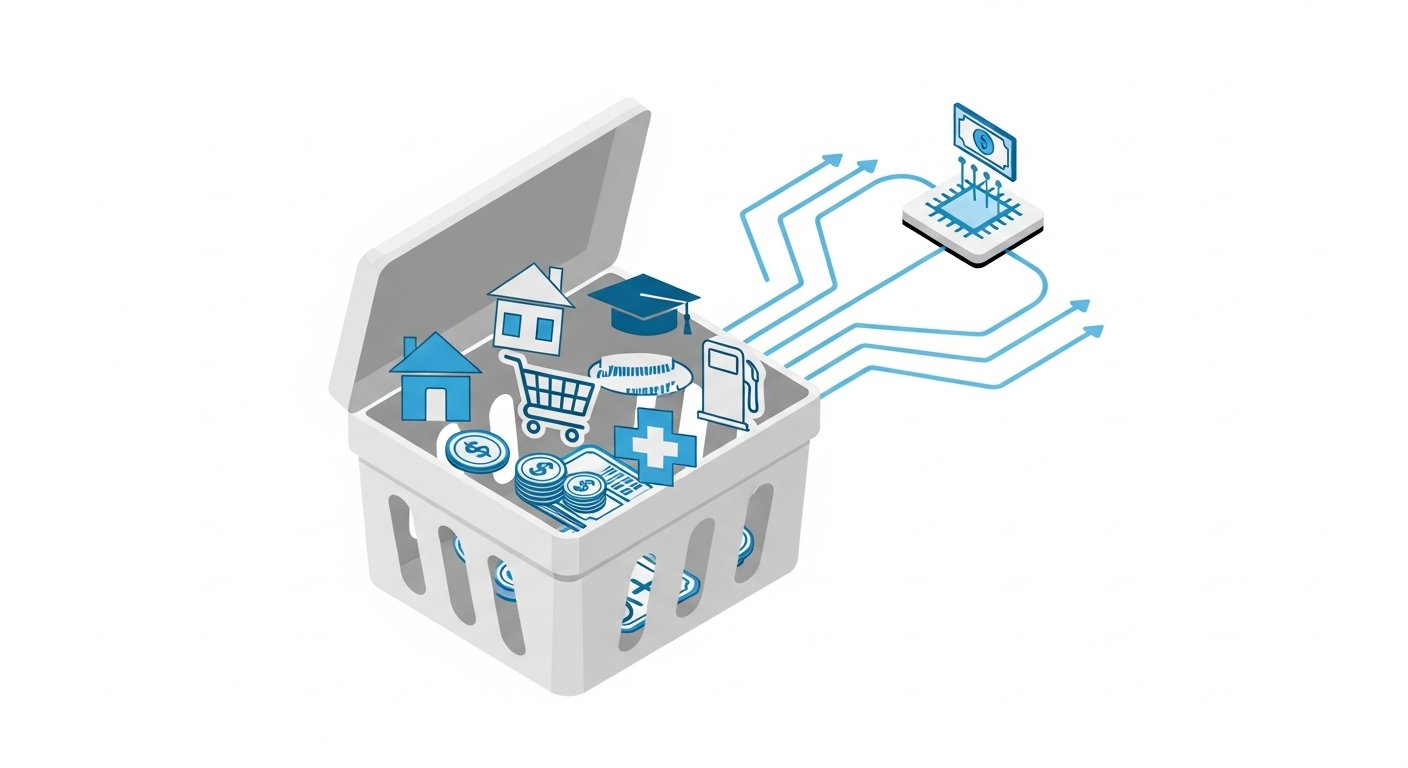
At its core, the Consumer Price Index (CPI) is a measure of the average change over time in the prices paid by urban consumers for a market basket of consumer goods and services. Think of it as a comprehensive shopping list that a typical household might purchase. The CPI then tracks how the total cost of that shopping list changes from month to month, or year to year.
What Does the CPI Specifically Measure?
The primary function of the CPI is to quantify inflation, which is the rate at which the general level of prices for goods and services is rising, and consequently, the purchasing power of currency is falling. When the CPI increases, it signifies that consumers are paying more for the same basket of goods and services than they did previously. Conversely, a decrease in the CPI (deflation) means prices are falling, while a stagnant CPI indicates stable prices.
- Inflation: The most direct application of CPI data is to measure inflation. A high CPI suggests inflationary pressures, meaning your money buys less than it used to.
- Purchasing Power: The CPI helps individuals and policymakers understand changes in purchasing power. If wages don’t keep pace with the CPI, real wages (adjusted for inflation) decline, meaning people can afford less.
- Cost of Living: While not a pure “cost of living” index (as it doesn’t account for behavioral changes like substitution of cheaper goods), the CPI is often used as a proxy to adjust wages, pensions, and government benefits to reflect changes in the cost of maintaining a certain standard of living.
Who Publishes the CPI and How Often?
In the United States, the Consumer Price Index is published monthly by the Bureau of Labor Statistics (BLS), an agency within the U.S. Department of Labor. The BLS collects price data from thousands of retail stores, service establishments, rental units, and healthcare providers across 75 urban areas throughout the country. This extensive data collection ensures a representative sample of consumer expenditures. The monthly release is a highly anticipated economic event, scrutinized by economists, investors, and policymakers alike for insights into economic trends and future policy directions.
The BLS typically releases CPI data around the middle of each month, reflecting price changes from the previous month. This regular cadence provides a continuous, up-to-date snapshot of inflationary pressures and economic shifts.
[INLINE IMAGE 1: place after second H2 | alt=”what is consumer price index concept illustration”]
The “Market Basket” and How CPI is Calculated
The Consumer Price Index is not just an arbitrary number; it’s the result of a rigorous, data-intensive process. Understanding this process is key to appreciating the CPI’s significance and its limitations. The foundation of the CPI lies in its “market basket” of goods and services.
Constructing the Market Basket of Goods and Services
The market basket is a hypothetical collection of goods and services that represents the spending patterns of urban consumers. It’s not static; the BLS regularly updates the basket to reflect changing consumer habits and the introduction of new products and services. This ensures the CPI remains relevant and accurate. The categories of expenditures in the basket are extensive and diverse, covering nearly everything a typical household might purchase.
Key Categories within the Basket:
- Food and Beverages: Groceries, restaurant meals, snacks, non-alcoholic beverages.
- Housing: Rent for primary residences, homeowners’ equivalent rent, lodging away from home, utilities (electricity, natural gas, fuel oil), household furnishings and operations. This is typically the largest component.
- Apparel: Clothing, footwear, jewelry.
- Transportation: New and used vehicles, motor fuel, vehicle insurance, maintenance and repairs, public transportation (airfare, train, bus, subway).
- Medical Care: Prescription drugs, medical supplies, physicians’ services, hospital services, dental services, eye care.
- Recreation: Televisions, computers, sports equipment, toys, admissions to movies, concerts, and sporting events, pets and pet products.
- Education and Communication: Tuition, school books, stationery, telephone services, internet services, postage.
- Other Goods and Services: Tobacco and smoking products, personal care products, legal services, funeral expenses.
Each item in this basket is assigned a weight based on its share of total consumer expenditure. For example, if housing accounts for 40% of an average urban consumer’s spending, then changes in housing costs will have a much larger impact on the overall CPI than changes in the price of, say, bananas, which might only account for a fraction of a percent.
Data Collection: From Store Shelves to Statistical Reports
The BLS employs a vast network of data collectors who visit or call thousands of retail stores, service establishments, and rental properties each month across 75 urban areas. They collect price data for approximately 80,000 items. This is not a simple task of grabbing a price tag; data collectors must ensure they are pricing the exact same item or service each time, adjusting for quality changes if necessary.
- Point-of-Purchase Surveys: Prices are collected directly from actual stores where consumers shop.
- Housing Surveys: Data on rents and homeowners’ equivalent rent (what a homeowner would pay to rent their own home) are collected from thousands of rental units.
- Utility Surveys: Information on electricity, natural gas, and other utility prices is gathered from utility companies.
- Medical Care Providers: Prices for medical services and prescription drugs are obtained from healthcare facilities.
The Calculation Formula: A Weighted Average
Once all the price data is collected, the BLS calculates the CPI using a complex formula, essentially a weighted average of price changes. Here’s a simplified overview:
- Base Period: A specific period is designated as the “base period,” and the average index level for this period is set to 100. This provides a benchmark for comparison.
- Price Relatives: For each item in the basket, the current price is compared to its price in the base period to calculate a “price relative.”
- Weighted Average: Each price relative is then multiplied by its expenditure weight (its importance in the total spending basket).
- Aggregation: These weighted price relatives are summed up to produce the overall CPI for the current period.
The formula can be generally represented as:
CPI = (Cost of Basket in Current Period / Cost of Basket in Base Period) × 100
An important distinction is the use of the Laspeyres formula in the main CPI, which uses fixed weights from a base period. While simpler, this approach can sometimes overstate inflation because it doesn’t immediately account for consumers substituting cheaper goods when prices rise. This leads to the development of alternative measures like the Chained CPI (C-CPI-U) discussed later.
Different Flavors of CPI: Understanding the Nuances
While often referred to singularly, there isn’t just one “CPI.” The BLS publishes several different versions, each designed to capture specific aspects of consumer spending or to address particular analytical needs. Understanding these distinctions is crucial for interpreting economic news accurately.
CPI for All Urban Consumers (CPI-U)
This is the most widely reported and recognized CPI. The CPI-U covers approximately 93 percent of the total U.S. population. It includes wage earners and clerical workers, professional, managerial, and technical workers, the self-employed, short-term workers, the unemployed, and retirees. It excludes persons living in rural non-metropolitan areas, farm households, members of the Armed Forces, and those in institutions (like prisons or mental hospitals).
- Scope: Broadest consumer population coverage.
- Use: Primary indicator for national inflation, used by media, analysts, and policymakers.
- Impact: Directly influences Social Security cost-of-living adjustments (COLAs), federal pension adjustments, and many private sector contracts.
CPI for Urban Wage Earners and Clerical Workers (CPI-W)
The CPI-W represents the spending patterns of a more specific demographic: households where more than one-half of the household income comes from clerical or wage occupations and at least one of the household’s earners has been employed for 37 weeks or more during the past 12 months. This group constitutes about 29 percent of the total U.S. population.
- Scope: Narrower, focused on a specific worker demographic.
- Use: Crucial for many collective bargaining agreements and for the adjustment of some government benefits, notably Social Security, where the COLA is calculated using the CPI-W.
- Impact: Reflects inflation experiences for a significant portion of the workforce, important for labor negotiations and welfare program adjustments.
Chained CPI for All Urban Consumers (C-CPI-U)
The C-CPI-U is an alternative measure that addresses a key limitation of the traditional CPI-U: “substitution bias.” When the price of a good rises significantly, consumers often substitute it with a cheaper alternative (e.g., buying chicken instead of beef if beef prices surge). The traditional CPI-U, using fixed weights, might overstate inflation because it assumes consumers continue buying the same quantities regardless of price changes.
The C-CPI-U uses a formula that allows for consumer substitution, reflecting changes in buying patterns more dynamically. This generally results in a lower reported inflation rate than the CPI-U, especially over longer periods.
- Scope: Same population as CPI-U, but with a different methodology.
- Use: Considered by some economists to be a more accurate measure of the true cost of living. It has been proposed for adjusting federal programs and tax brackets to reflect inflation more accurately.
- Impact: If widely adopted for federal programs, it could lead to smaller cost-of-living increases for beneficiaries and potentially higher effective tax burdens over time.
Core CPI: Excluding Volatile Items
You’ll frequently hear references to “Core CPI” in economic news. The Core CPI excludes the volatile food and energy components from the overall CPI. Food and energy prices can fluctuate wildly due to seasonal factors, weather events, geopolitical tensions, and supply chain disruptions, which can obscure underlying inflationary trends.
- Scope: CPI-U minus food and energy categories.
- Use: Preferred by central banks, like the Federal Reserve, to gauge underlying inflation trends. It provides a clearer signal of demand-driven inflation and the effectiveness of monetary policy.
- Impact: Used to inform interest rate decisions and other monetary policy actions, as it’s seen as a better predictor of future long-term inflation.
Each version of the CPI serves a specific purpose, offering different perspectives on inflation. While the CPI-U is the headline figure, understanding the nuances of CPI-W, C-CPI-U, and Core CPI provides a more complete picture of how price changes affect various segments of the economy and how policymakers respond.
Learn more about how central banks use economic indicators.
[INLINE IMAGE 2: place after fourth H2 | alt=”what is consumer price index comparison illustration”]
The CPI’s Profound Impact on Your Personal Finances
The Consumer Price Index might seem like a distant economic statistic, but its ripple effects touch nearly every aspect of your personal financial life. From the value of your savings to the stability of your retirement, the CPI plays a silent yet significant role.
Wages and Income: The Real Value of Your Paycheck
When the CPI rises, your purchasing power diminishes unless your income keeps pace. Many employers consider CPI data during annual salary reviews or union contract negotiations. Cost-of-Living Adjustments (COLAs) are often tied to the CPI, ensuring that wages maintain their real value. However, if your wage increases are consistently below the CPI rate, you are effectively earning less in real terms, meaning your standard of living is eroding over time.
- Salary Negotiations: Knowing the current CPI can strengthen your position during salary reviews, as you can quantify the erosion of your purchasing power.
- Minimum Wage Debates: The CPI is a key factor in discussions about adjusting the minimum wage to ensure it provides a living wage.
- Pension and Benefits Adjustments: Many private and public sector pensions are indexed to the CPI-W, guaranteeing that retirees’ income keeps pace with inflation.
Investments and Savings: Preserving Your Wealth
Inflation, as measured by the CPI, is a silent killer of savings. If your savings account or investment returns don’t outpace the CPI, your money is losing value. For instance, if your savings account yields 2% interest but the CPI is at 3%, you’re losing 1% in real purchasing power each year.
- Interest Rates: Central banks often raise interest rates to combat high inflation (a rising CPI). Higher rates can be good for savers but bad for borrowers.
- Bonds: The value and yield of bonds are significantly influenced by inflation expectations. Treasury Inflation-Protected Securities (TIPS) are explicitly designed to protect investors from inflation, with their principal value adjusting with the CPI.
- Stocks: Inflation can affect corporate profits and stock valuations. Some sectors (like commodities or real estate) may perform better during inflationary periods, while others struggle.
- Retirement Planning: Long-term inflation significantly impacts how much you need to save for retirement. A dollar saved today will buy much less in 20 or 30 years if inflation remains unchecked.
Borrowing and Lending: Mortgages, Loans, and Credit Cards
The CPI has a direct bearing on interest rates, which in turn affect the cost of borrowing. When the CPI signals rising inflation, central banks typically respond by increasing benchmark interest rates to cool the economy. This makes mortgages, car loans, and other forms of credit more expensive.
- Mortgages: Higher interest rates due to inflation mean higher monthly mortgage payments for new borrowers or those with adjustable-rate mortgages (ARMs).
- Student Loans: While many student loan rates are fixed, future rates for new loans can be influenced by inflation trends and monetary policy responses.
- Credit Card Debt: Variable interest rates on credit cards can also rise in response to central bank actions aimed at controlling inflation.
Government Benefits and Social Security
Perhaps one of the most direct impacts of the CPI on personal finances is through its role in adjusting government benefits. Social Security benefits, for example, are subject to an annual Cost-of-Living Adjustment (COLA) based on the CPI-W. This mechanism is designed to ensure that the purchasing power of retirees and other beneficiaries is maintained despite inflation.
Similarly, many federal poverty thresholds, food stamp benefits, and other social welfare programs are indexed to the CPI, meaning they are adjusted annually to reflect changes in the cost of living.
Understanding these links allows you to anticipate how economic changes might affect your income, expenses, and long-term financial goals, empowering you to adapt and plan effectively.
The CPI in the Broader Economy and Monetary Policy
Beyond individual finances, the Consumer Price Index is a cornerstone of macroeconomic analysis and policy-making. It’s a key metric that guides central banks, governments, and businesses in making critical decisions that shape the entire economy.
Guiding Monetary Policy: The Federal Reserve’s Watchdog
Central banks, like the U.S. Federal Reserve, have a dual mandate: to achieve maximum employment and maintain stable prices. The CPI is an indispensable tool for assessing price stability. When the CPI shows persistent inflation above the central bank’s target (typically around 2%), it signals the need for contractionary monetary policy—meaning raising interest rates to slow down economic activity and curb price increases. Conversely, if inflation is too low or there’s deflation, the central bank might implement expansionary policies, such as lowering interest rates, to stimulate demand.
- Interest Rate Decisions: The monthly CPI report is one of the most eagerly awaited economic releases, directly influencing the Federal Open Market Committee’s (FOMC) decisions on the federal funds rate.
- Inflation Expectations: The CPI helps shape inflation expectations among consumers and businesses. If people expect prices to rise, they may demand higher wages and businesses may raise prices, creating a self-fulfilling prophecy. The Fed tries to anchor these expectations.
- Real Interest Rates: The CPI is used to calculate “real” interest rates (nominal interest rates minus the inflation rate), which provide a more accurate picture of the true cost of borrowing or return on savings.
Fiscal Policy and Government Budgeting
Governments also rely heavily on CPI data for fiscal policy and budgeting. Many government programs, as discussed, are indexed to the CPI. This includes:
- Social Security and Medicare: COLAs ensure benefits keep pace with inflation.
- Tax Brackets: Income tax brackets are often adjusted based on CPI to prevent “bracket creep,” where inflation pushes individuals into higher tax brackets even if their real income hasn’t increased.
- Government Contracts: Some government contracts may include clauses that adjust payments based on changes in the CPI to account for rising costs.
Changes in the CPI can therefore have significant implications for government spending and revenue, influencing budget deficits and national debt.
Business Strategy and Planning
Businesses closely monitor the CPI for several strategic reasons:
- Pricing Decisions: Companies use CPI data, alongside their own cost analyses, to make informed decisions about raising or lowering prices for their products and services.
- Wage Negotiations: Businesses consider the CPI when negotiating wages with employees and unions, trying to balance employee satisfaction with profitability.
- Supply Chain Management: High inflation indicated by the CPI can signal rising input costs, prompting businesses to adjust supply chain strategies, seek new suppliers, or lock in prices.
- Investment Decisions: Inflation affects the return on capital investments. Businesses consider long-term inflation trends when planning major projects or expanding operations.
In essence, the CPI acts as a vital navigational tool for the entire economic ecosystem, helping individuals, businesses, and governments make sense of price changes and chart their course through fluctuating economic tides. Its influence permeates decisions from the household budget to the central bank’s board room, making it one of the most fundamental economic statistics of our time.
Explore the latest economic updates affecting businesses.
Limitations and Criticisms of the CPI
While the Consumer Price Index is an indispensable tool, it’s not without its critics and limitations. Understanding these nuances is crucial for a balanced interpretation of CPI data and its implications.
Substitution Bias
This is perhaps the most significant criticism of the traditional CPI-U. As mentioned with the C-CPI-U, the CPI-U uses a fixed basket of goods for a certain period. However, when the price of a particular item rises significantly, consumers often respond by substituting it with a cheaper alternative. The traditional CPI doesn’t immediately account for this behavioral change, leading it to potentially overstate the true cost of living increase. For example, if beef prices skyrocket, consumers might buy more chicken or pork. A fixed basket would continue to track beef prices as if consumption remained constant, thus exaggerating the impact of the beef price increase on the cost of living.
Quality Bias
Another challenge is accounting for changes in the quality of goods and services. Over time, products often improve in quality, offering more features or durability for the same price, or even a higher price. For example, a new smartphone might cost more than its predecessor, but it also offers significantly enhanced capabilities. If the CPI only tracks the nominal price increase without adjusting for this quality improvement, it might overstate inflation. Conversely, if quality declines while prices remain constant, the CPI might understate inflation. The BLS employs “hedonic adjustments” to try and account for quality changes, but this is a complex and imperfect science.
New Goods Bias
The introduction of new goods and services poses another challenge. When revolutionary products enter the market, they often start at a high price and then fall rapidly as production scales up and competition increases (think early flat-screen TVs or personal computers). The CPI’s basket is updated periodically, but there’s a lag before new products are fully incorporated and their initial, often steep, price declines are reflected. This lag can lead to an overstatement of inflation because the CPI might miss out on the initial period of rapid price drops for these new innovations that eventually become commonplace and reduce the real cost of living.
Representativeness and Local Differences
The CPI is a national average. While the BLS collects data from 75 urban areas, it may not perfectly reflect the cost of living in every specific region, city, or for every individual household. For instance, housing costs vary dramatically across different metropolitan areas. An index weighted heavily by national averages might not accurately represent the inflation experienced by someone living in an extremely high-cost-of-living city or a rural area not included in the urban sampling. Additionally, different demographics have different spending patterns. Retirees, for example, might spend more on healthcare, while young families spend more on childcare, potentially leading to varied personal inflation rates.
Exclusion of Investment Items
The CPI measures the prices of consumer goods and services, not investment assets. It includes the cost of housing (rent or homeowners’ equivalent rent) but not the price of buying a house itself as an investment, nor does it include stocks, bonds, or other financial assets. This means that while housing costs are a major component, significant increases in asset prices (like real estate booms or stock market bubbles) are not directly captured by the CPI, which focuses solely on consumption expenditures.
Despite these criticisms, the CPI remains an invaluable indicator. The BLS constantly refines its methodologies, incorporating new data sources and statistical techniques to improve accuracy and address these inherent challenges, ensuring the CPI remains a robust and relevant measure of inflation.
Alternative Measures of Inflation: CPI vs. PCE vs. PPI
While the CPI is the most prominent inflation gauge for consumers, it’s not the only one economists and policymakers watch. Other key indicators provide different perspectives on price changes, each with its own methodology and focus. Understanding these alternatives helps in forming a more complete picture of inflationary pressures within the economy.
Personal Consumption Expenditures (PCE) Price Index
The Personal Consumption Expenditures (PCE) Price Index is the preferred inflation measure of the U.S. Federal Reserve. Published by the Bureau of Economic Analysis (BEA) as part of its national income and product accounts, the PCE index measures the prices of goods and services purchased by consumers (both households and non-profit institutions serving households).
Key Differences from CPI:
- Scope: PCE is broader, covering not just household out-of-pocket spending but also payments made on behalf of households by third parties, such as employer-sponsored health insurance or government healthcare programs.
- Weighting: Unlike the CPI’s fixed “market basket,” the PCE uses a “chain-weighted” method. This means the weights of the goods and services in the basket are updated quarterly, allowing it to more quickly reflect changes in consumer spending patterns and substitution away from goods with rising prices. This makes PCE less prone to substitution bias than the CPI-U.
- Formulas: PCE generally uses a Fisher price index formula, which tends to mitigate substitution bias more effectively than the Laspeyres formula used for the CPI-U.
- Coverage: The PCE includes a wider range of goods and services, particularly within healthcare, often reflecting the full cost of medical services, not just out-of-pocket expenses.
Because of its chain-weighted methodology and broader coverage, the PCE often shows a slightly lower inflation rate than the CPI-U over time. The Fed favors it for monetary policy because it is believed to be a more comprehensive and accurate reflection of overall consumer spending and underlying inflation trends.
Producer Price Index (PPI)
The Producer Price Index (PPI), also published by the BLS, measures the average change over time in the selling prices received by domestic producers for their output. In essence, it tracks inflation at the wholesale or producer level before goods and services reach consumers.
Key Characteristics:
- Focus: Tracks prices from the seller’s perspective (manufacturers, service providers).
- Categories: Divided into finished goods, intermediate goods, and crude goods, providing insights into price pressures at different stages of the production process.
- Leading Indicator: Changes in the PPI can sometimes act as a leading indicator for the CPI. If producers face higher input costs (e.g., raw materials, energy, labor), they may eventually pass these costs on to consumers in the form of higher retail prices.
While the PPI doesn’t directly measure consumer inflation, it offers valuable foresight into potential future CPI movements, especially in sectors like manufacturing and energy. A sustained increase in the PPI suggests that consumer prices might soon follow suit.
Comparison Table: CPI, PCE, and PPI
To summarize the key distinctions between these vital inflation measures:
| Feature | Consumer Price Index (CPI-U) | Personal Consumption Expenditures (PCE) Price Index | Producer Price Index (PPI) |
|---|---|---|---|
| Publisher | Bureau of Labor Statistics (BLS) | Bureau of Economic Analysis (BEA) | Bureau of Labor Statistics (BLS) |
| Focus | Prices paid by urban consumers | Prices of goods/services consumed by households & non-profits | Prices received by domestic producers |
| Basket Weights | Fixed weights (updated periodically) | Chain-weighted (updated quarterly) | Weights based on industry production |
| Coverage | Household out-of-pocket expenses | Broader; includes third-party payments (e.g., employer health insurance) | Wholesale/producer prices for goods & services |
| Substitution Bias | More susceptible (fixed weights) | Less susceptible (chain-weighted) | Not directly applicable (producer prices) |
| Key Use | Measures cost-of-living changes, adjusts wages/benefits | Fed’s preferred measure for monetary policy (core PCE) | Leading indicator of future consumer inflation |
Each of these indices provides a unique lens through which to view inflation. Economists and investors often look at all three to gain a holistic understanding of price pressures throughout the economy, from the factory floor to the consumer’s wallet.
Understand the basics of economic indicators for smart investing.
Navigating Inflation: Strategies for Personal Finance in 2026
Given the pervasive influence of the CPI and inflation on your financial well-being, understanding how to navigate periods of rising prices is paramount. Proactive strategies can help protect and even grow your wealth in an inflationary environment.
Budgeting and Expense Management
Inflation directly impacts your household budget. Regularly reviewing your spending and adjusting your budget based on CPI trends is essential. If the cost of food or transportation is rising significantly, you may need to reallocate funds or find ways to cut back in other areas.
- Track Spending: Use budgeting apps or spreadsheets to monitor where your money goes.
- Prioritize Needs vs. Wants: In inflationary times, distinguishing between essential expenditures and discretionary spending becomes more critical.
- Seek Alternatives: Be open to substitution (e.g., store brands, cooking at home more often) to mitigate the impact of rising prices on specific goods.
- Bulk Buying: For non-perishable items, buying in bulk when prices are stable can offer savings before prices increase further.
Income and Career Planning
Your income is your primary defense against inflation. Ensuring your wages keep pace with or exceed the CPI is vital.
- Negotiate Salaries: During performance reviews, be prepared to discuss current inflation rates and how they affect your real income. Quantify your value and justify requests for raises that account for the rising cost of living.
- Skill Development: Invest in skills that are in high demand. A strong skill set increases your market value and negotiating power, making it easier to command higher wages.
- Side Gigs/Diversified Income: Consider additional income streams to supplement your primary salary, providing a buffer against inflation.
Investment Strategies for an Inflationary Environment
Protecting your investments from inflation requires a thoughtful approach. Traditional savings accounts often yield less than the CPI, leading to a loss of purchasing power.
- Inflation-Protected Securities (TIPS): These U.S. Treasury bonds are explicitly designed to protect against inflation. Their principal value adjusts with the CPI, ensuring your investment keeps pace with rising prices.
- Real Estate: Historically, real estate has been considered a good hedge against inflation. Property values and rental income tend to rise with the cost of living.
- Commodities: Raw materials like gold, silver, oil, and agricultural products often perform well during inflationary periods, as their prices tend to rise with broader price levels.
- Dividend Stocks: Companies with strong pricing power and consistent dividend growth can provide a growing income stream that may help offset inflation. Focus on companies that can pass increased costs on to consumers without losing market share.
- Broad Market Index Funds: Over the long term, diversified equity investments have historically outpaced inflation, offering growth potential that helps maintain purchasing power.
Debt Management
Inflation’s impact on debt can be a double-edged sword. While it erodes the real value of fixed-rate debt (making your future payments effectively cheaper), it can also lead to higher interest rates on new or variable-rate debt.
- Fixed-Rate Debt: If you have fixed-rate mortgages or loans, inflation can be beneficial as the real value of your payments decreases over time.
- Variable-Rate Debt: Be wary of variable-rate debt, such as certain credit cards or adjustable-rate mortgages, as their interest rates can rise in response to central bank efforts to combat inflation, increasing your payment burden.
- Pay Down High-Interest Debt: Prioritize paying off high-interest, variable-rate debt to reduce your exposure to rising interest costs.
Retirement Planning and Long-Term Goals
Inflation is a significant concern for long-term financial planning, especially for retirement. The cost of living in retirement will be much higher than it is today.
- Inflation-Adjusted Goals: When setting retirement savings goals, always factor in a reasonable inflation rate (e.g., 2-3%) to project future expenses accurately.
- Diversified Portfolio: Ensure your retirement portfolio is diversified to include assets that historically perform well during inflationary periods, as mentioned above.
- Long-Term Care Planning: Healthcare costs are a significant component of the CPI and tend to rise consistently. Incorporate projected healthcare inflation into your long-term care and retirement health budgeting.
By staying informed about CPI trends and adopting these proactive financial strategies, you can better protect your assets, maintain your purchasing power, and achieve your financial goals even in an evolving economic landscape. Understanding the CPI is not just about knowing a number; it’s about empowering yourself to make smarter financial decisions.
Discover strategies for effective retirement planning.
The Future of CPI and Economic Measurement in 2026 and Beyond
The Consumer Price Index has been a cornerstone of economic analysis for decades, but like any robust statistical measure, it continually evolves. As economies shift and technology advances, the methodologies for calculating and interpreting the CPI are subject to ongoing refinement. What might the future hold for CPI and economic measurement in 2026 and beyond?
Continuous Methodological Improvements
The BLS is constantly working to enhance the accuracy and relevance of the CPI. This includes:
- More Frequent Basket Updates: While not changing monthly, the frequency of updating the market basket weights might increase to better capture rapid shifts in consumer spending patterns.
- Improved Quality Adjustments: As technology accelerates, the challenge of disentangling price changes from quality improvements (e.g., in electronics, software, or services) will become even more pronounced. Research into more sophisticated hedonic modeling and alternative adjustment techniques will likely continue.
- Expanded Data Sources: The rise of “big data” and alternative data sources (e.g., scanner data from retailers, online price tracking) could supplement traditional survey methods, potentially offering more granular and timely insights into price changes.
The Digital Economy and Services Sector
The increasing digitalization of the economy presents unique challenges and opportunities for CPI measurement. How do we accurately track the prices of digital goods (like streaming subscriptions, software, or apps), the sharing economy (rideshares, peer-to-peer rentals), or the growing services sector (healthcare, education, personalized services)? The definition of what constitutes a “good” or “service” and how its price is captured will continue to be refined.
- Subscription Models: Many goods and services are moving to subscription-based models, making direct price comparisons more complex.
- Free Digital Services: A significant portion of the digital economy involves “free” services (e.g., social media platforms, search engines) that provide consumer utility without a direct monetary price, posing a challenge for an index focused on prices.
- Global Supply Chains: The interconnectedness of global supply chains means that international price movements and geopolitical events have an increasingly direct and immediate impact on domestic consumer prices, requiring more sophisticated modeling.
Personalized Inflation Experiences
As discussions around the limitations of a national average CPI continue, there might be a greater emphasis on understanding “personal inflation rates.” While a nationwide CPI provides a macroeconomic view, individual households experience inflation differently based on their unique spending patterns. Tools and analyses that allow consumers to better estimate their personal CPI based on their specific expenditures could become more prevalent, fostering more granular financial planning.
This could involve:
- Customizable CPI Calculators: Online tools that allow users to input their spending categories and weights to generate a personalized inflation rate.
- Demographic-Specific Indices: Further development of indices that cater to specific demographic groups (e.g., seniors, low-income households, families with young children) whose spending baskets differ significantly from the average urban consumer.
The Role of Climate Change
Climate change is emerging as a significant long-term factor influencing prices. Extreme weather events can disrupt agricultural output, raise energy costs, and damage infrastructure, all of which can contribute to price volatility and inflationary pressures. Future CPI methodologies might need to explicitly account for these climate-related impacts on supply chains and production costs.
Ultimately, the Consumer Price Index will remain an indispensable tool for understanding inflation and its economic consequences. Its evolution reflects the dynamic nature of our economy, and ongoing efforts to refine its measurement will ensure it continues to serve as a vital guide for policymakers, businesses, and individuals in the years to come.
Staying informed about these developments will be key to understanding the full picture of inflation and its role in your financial journey in 2026 and well into the future.
Frequently Asked Questions
Q1: What is the main purpose of the Consumer Price Index (CPI)?
A1: The main purpose of the CPI is to measure the average change over time in the prices paid by urban consumers for a market basket of consumer goods and services. It serves as the primary indicator of inflation for the general public, reflecting changes in the cost of living and the purchasing power of money.
Q2: How often is the CPI released, and by whom?
A2: In the United States, the Consumer Price Index is released monthly by the Bureau of Labor Statistics (BLS), an agency of the U.S. Department of Labor. The release typically occurs around the middle of each month, reporting data for the preceding month.
Q3: What’s the difference between CPI-U and Core CPI?
A3: CPI-U (Consumer Price Index for All Urban Consumers) is the most common measure, covering a broad segment of the U.S. population and including all goods and services in the market basket. Core CPI, on the other hand, excludes the volatile food and energy components from the CPI-U. This is because food and energy prices can fluctuate wildly due to temporary factors, and excluding them helps economists and policymakers identify underlying, longer-term inflation trends.
Q4: How does the CPI impact my personal finances?
A4: The CPI has a significant
What is the Consumer Price Index (CPI)? A Comprehensive Guide for 2026
Affiliate disclosure: This article may contain affiliate links. Recommendations are independent and editorially driven.
In the vast ocean of economic indicators, few metrics resonate as profoundly with the average individual as the Consumer Price Index (CPI). Often cited in news reports, political debates, and financial analyses, the CPI serves as a critical barometer for the health of an economy and, more importantly, for the purchasing power of your money. But what exactly is the Consumer Price Index, how is it calculated, and why should it matter to you in 2026?
For anyone navigating the complexities of personal finance, from budgeting for groceries to planning for retirement, understanding the CPI is not merely an academic exercise; it’s a fundamental tool for making informed decisions. It quantifies the inflation that chips away at your savings, influences wage negotiations, impacts interest rates, and shapes government policy. This comprehensive guide will demystify the CPI, breaking down its components, calculation methods, implications, and how it directly affects your financial well-being.
From the prices of everyday goods and services to the long-term stability of the financial markets, the CPI casts a wide net. Whether you’re a seasoned investor, a first-time homebuyer, or simply trying to make your paycheck stretch further, a firm grasp of this economic indicator is indispensable. Let’s delve into the intricate world of the Consumer Price Index and uncover its profound significance in your financial life.
Defining the Consumer Price Index (CPI): Your Inflation Thermometer
At its core, the Consumer Price Index (CPI) is a measure of the average change over time in the prices paid by urban consumers for a market basket of consumer goods and services. Think of it as a comprehensive shopping list that a typical household might purchase. The CPI then tracks how the total cost of that shopping list changes from month to month, or year to year.
What Does the CPI Specifically Measure?
The primary function of the CPI is to quantify inflation, which is the rate at which the general level of prices for goods and services is rising, and consequently, the purchasing power of currency is falling. When the CPI increases, it signifies that consumers are paying more for the same basket of goods and services than they did previously. Conversely, a decrease in the CPI (deflation) means prices are falling, while a stagnant CPI indicates stable prices.
- Inflation: The most direct application of CPI data is to measure inflation. A high CPI suggests inflationary pressures, meaning your money buys less than it used to.
- Purchasing Power: The CPI helps individuals and policymakers understand changes in purchasing power. If wages don’t keep pace with the CPI, real wages (adjusted for inflation) decline, meaning people can afford less.
- Cost of Living: While not a pure “cost of living” index (as it doesn’t account for behavioral changes like substitution of cheaper goods), the CPI is often used as a proxy to adjust wages, pensions, and government benefits to reflect changes in the cost of maintaining a certain standard of living.
Who Publishes the CPI and How Often?
In the United States, the Consumer Price Index is published monthly by the Bureau of Labor Statistics (BLS), an agency within the U.S. Department of Labor. The BLS collects price data from thousands of retail stores, service establishments, rental units, and healthcare providers across 75 urban areas throughout the country. This extensive data collection ensures a representative sample of consumer expenditures. The monthly release is a highly anticipated economic event, scrutinized by economists, investors, and policymakers alike for insights into economic trends and future policy directions.
The BLS typically releases CPI data around the middle of each month, reflecting price changes from the previous month. This regular cadence provides a continuous, up-to-date snapshot of inflationary pressures and economic shifts.
[INLINE IMAGE 1: place after second H2 | alt=”what is consumer price index concept illustration”]
The “Market Basket” and How CPI is Calculated
The Consumer Price Index is not just an arbitrary number; it’s the result of a rigorous, data-intensive process. Understanding this process is key to appreciating the CPI’s significance and its limitations. The foundation of the CPI lies in its “market basket” of goods and services.
Constructing the Market Basket of Goods and Services
The market basket is a hypothetical collection of goods and services that represents the spending patterns of urban consumers. It’s not static; the BLS regularly updates the basket to reflect changing consumer habits and the introduction of new products and services. This ensures the CPI remains relevant and accurate. The categories of expenditures in the basket are extensive and diverse, covering nearly everything a typical household might purchase.
Key Categories within the Basket:
- Food and Beverages: Groceries, restaurant meals, snacks, non-alcoholic beverages.
- Housing: Rent for primary residences, homeowners’ equivalent rent, lodging away from home, utilities (electricity, natural gas, fuel oil), household furnishings and operations. This is typically the largest component.
- Apparel: Clothing, footwear, jewelry.
- Transportation: New and used vehicles, motor fuel, vehicle insurance, maintenance and repairs, public transportation (airfare, train, bus, subway).
- Medical Care: Prescription drugs, medical supplies, physicians’ services, hospital services, dental services, eye care.
- Recreation: Televisions, computers, sports equipment, toys, admissions to movies, concerts, and sporting events, pets and pet products.
- Education and Communication: Tuition, school books, stationery, telephone services, internet services, postage.
- Other Goods and Services: Tobacco and smoking products, personal care products, legal services, funeral expenses.
Each item in this basket is assigned a weight based on its share of total consumer expenditure. For example, if housing accounts for 40% of an average urban consumer’s spending, then changes in housing costs will have a much larger impact on the overall CPI than changes in the price of, say, bananas, which might only account for a fraction of a percent.
Data Collection: From Store Shelves to Statistical Reports
The BLS employs a vast network of data collectors who visit or call thousands of retail stores, service establishments, and rental properties each month across 75 urban areas. They collect price data for approximately 80,000 items. This is not a simple task of grabbing a price tag; data collectors must ensure they are pricing the exact same item or service each time, adjusting for quality changes if necessary.
- Point-of-Purchase Surveys: Prices are collected directly from actual stores where consumers shop.
- Housing Surveys: Data on rents and homeowners’ equivalent rent (what a homeowner would pay to rent their own home) are collected from thousands of rental units.
- Utility Surveys: Information on electricity, natural gas, and other utility prices is gathered from utility companies.
- Medical Care Providers: Prices for medical services and prescription drugs are obtained from healthcare facilities.
The Calculation Formula: A Weighted Average
Once all the price data is collected, the BLS calculates the CPI using a complex formula, essentially a weighted average of price changes. Here’s a simplified overview:
- Base Period: A specific period is designated as the “base period,” and the average index level for this period is set to 100. This provides a benchmark for comparison.
- Price Relatives: For each item in the basket, the current price is compared to its price in the base period to calculate a “price relative.”
- Weighted Average: Each price relative is then multiplied by its expenditure weight (its importance in the total spending basket).
- Aggregation: These weighted price relatives are summed up to produce the overall CPI for the current period.
The formula can be generally represented as:
CPI = (Cost of Basket in Current Period / Cost of Basket in Base Period) × 100
An important distinction is the use of the Laspeyres formula in the main CPI, which uses fixed weights from a base period. While simpler, this approach can sometimes overstate inflation because it doesn’t immediately account for consumers substituting cheaper goods when prices rise. This leads to the development of alternative measures like the Chained CPI (C-CPI-U) discussed later.
Different Flavors of CPI: Understanding the Nuances
While often referred to singularly, there isn’t just one “CPI.” The BLS publishes several different versions, each designed to capture specific aspects of consumer spending or to address particular analytical needs. Understanding these distinctions is crucial for interpreting economic news accurately.
CPI for All Urban Consumers (CPI-U)
This is the most widely reported and recognized CPI. The CPI-U covers approximately 93 percent of the total U.S. population. It includes wage earners and clerical workers, professional, managerial, and technical workers, the self-employed, short-term workers, the unemployed, and retirees. It excludes persons living in rural non-metropolitan areas, farm households, members of the Armed Forces, and those in institutions (like prisons or mental hospitals).
- Scope: Broadest consumer population coverage.
- Use: Primary indicator for national inflation, used by media, analysts, and policymakers.
- Impact: Directly influences Social Security cost-of-living adjustments (COLAs), federal pension adjustments, and many private sector contracts.
CPI for Urban Wage Earners and Clerical Workers (CPI-W)
The CPI-W represents the spending patterns of a more specific demographic: households where more than one-half of the household income comes from clerical or wage occupations and at least one of the household’s earners has been employed for 37 weeks or more during the past 12 months. This group constitutes about 29 percent of the total U.S. population.
- Scope: Narrower, focused on a specific worker demographic.
- Use: Crucial for many collective bargaining agreements and for the adjustment of some government benefits, notably Social Security, where the COLA is calculated using the CPI-W.
- Impact: Reflects inflation experiences for a significant portion of the workforce, important for labor negotiations and welfare program adjustments.
Chained CPI for All Urban Consumers (C-CPI-U)
The C-CPI-U is an alternative measure that addresses a key limitation of the traditional CPI-U: “substitution bias.” When the price of a good rises significantly, consumers often substitute it with a cheaper alternative (e.g., buying chicken instead of beef if beef prices surge). The traditional CPI-U, using fixed weights, might overstate inflation because it assumes consumers continue buying the same quantities regardless of price changes.
The C-CPI-U uses a formula that allows for consumer substitution, reflecting changes in buying patterns more dynamically. This generally results in a lower reported inflation rate than the CPI-U, especially over longer periods.
- Scope: Same population as CPI-U, but with a different methodology.
- Use: Considered by some economists to be a more accurate measure of the true cost of living. It has been proposed for adjusting federal programs and tax brackets to reflect inflation more accurately.
- Impact: If widely adopted for federal programs, it could lead to smaller cost-of-living increases for beneficiaries and potentially higher effective tax burdens over time.
Core CPI: Excluding Volatile Items
You’ll frequently hear references to “Core CPI” in economic news. The Core CPI excludes the volatile food and energy components from the overall CPI. Food and energy prices can fluctuate wildly due to seasonal factors, weather events, geopolitical tensions, and supply chain disruptions, which can obscure underlying inflationary trends.
- Scope: CPI-U minus food and energy categories.
- Use: Preferred by central banks, like the Federal Reserve, to gauge underlying inflation trends. It provides a clearer signal of demand-driven inflation and the effectiveness of monetary policy.
- Impact: Used to inform interest rate decisions and other monetary policy actions, as it’s seen as a better predictor of future long-term inflation.
Each version of the CPI serves a specific purpose, offering different perspectives on inflation. While the CPI-U is the headline figure, understanding the nuances of CPI-W, C-CPI-U, and Core CPI provides a more complete picture of how price changes affect various segments of the economy and how policymakers respond.
Learn more about how central banks use economic indicators.
[INLINE IMAGE 2: place after fourth H2 | alt=”what is consumer price index comparison illustration”]
The CPI’s Profound Impact on Your Personal Finances
The Consumer Price Index might seem like a distant economic statistic, but its ripple effects touch nearly every aspect of your personal financial life. From the value of your savings to the stability of your retirement, the CPI plays a silent yet significant role.
Wages and Income: The Real Value of Your Paycheck
When the CPI rises, your purchasing power diminishes unless your income keeps pace. Many employers consider CPI data during annual salary reviews or union contract negotiations. Cost-of-Living Adjustments (COLAs) are often tied to the CPI, ensuring that wages maintain their real value. However, if your wage increases are consistently below the CPI rate, you are effectively earning less in real terms, meaning your standard of living is eroding over time.
- Salary Negotiations: Knowing the current CPI can strengthen your position during salary reviews, as you can quantify the erosion of your purchasing power.
- Minimum Wage Debates: The CPI is a key factor in discussions about adjusting the minimum wage to ensure it provides a living wage.
- Pension and Benefits Adjustments: Many private and public sector pensions are indexed to the CPI-W, guaranteeing that retirees’ income keeps pace with inflation.
Investments and Savings: Preserving Your Wealth
Inflation, as measured by the CPI, is a silent killer of savings. If your savings account or investment returns don’t outpace the CPI, your money is losing value. For instance, if your savings account yields 2% interest but the CPI is at 3%, you’re losing 1% in real purchasing power each year.
- Interest Rates: Central banks often raise interest rates to combat high inflation (a rising CPI). Higher rates can be good for savers but bad for borrowers.
- Bonds: The value and yield of bonds are significantly influenced by inflation expectations. Treasury Inflation-Protected Securities (TIPS) are explicitly designed to protect investors from inflation, with their principal value adjusting with the CPI.
- Stocks: Inflation can affect corporate profits and stock valuations. Some sectors (like commodities or real estate) may perform better during inflationary periods, while others struggle.
- Retirement Planning: Long-term inflation significantly impacts how much you need to save for retirement. A dollar saved today will buy much less in 20 or 30 years if inflation remains unchecked.
Borrowing and Lending: Mortgages, Loans, and Credit Cards
The CPI has a direct bearing on interest rates, which in turn affect the cost of borrowing. When the CPI signals rising inflation, central banks typically respond by increasing benchmark interest rates to cool the economy. This makes mortgages, car loans, and other forms of credit more expensive.
- Mortgages: Higher interest rates due to inflation mean higher monthly mortgage payments for new borrowers or those with adjustable-rate mortgages (ARMs).
- Student Loans: While many student loan rates are fixed, future rates for new loans can be influenced by inflation trends and monetary policy responses.
- Credit Card Debt: Variable interest rates on credit cards can also rise in response to central bank actions aimed at controlling inflation.
Government Benefits and Social Security
Perhaps one of the most direct impacts of the CPI on personal finances is through its role in adjusting government benefits. Social Security benefits, for example, are subject to an annual Cost-of-Living Adjustment (COLA) based on the CPI-W. This mechanism is designed to ensure that the purchasing power of retirees and other beneficiaries is maintained despite inflation.
Similarly, many federal poverty thresholds, food stamp benefits, and other social welfare programs are indexed to the CPI, meaning they are adjusted annually to reflect changes in the cost of living.
Understanding these links allows you to anticipate how economic changes might affect your income, expenses, and long-term financial goals, empowering you to adapt and plan effectively.
The CPI in the Broader Economy and Monetary Policy
Beyond individual finances, the Consumer Price Index is a cornerstone of macroeconomic analysis and policy-making. It’s a key metric that guides central banks, governments, and businesses in making critical decisions that shape the entire economy.
Guiding Monetary Policy: The Federal Reserve’s Watchdog
Central banks, like the U.S. Federal Reserve, have a dual mandate: to achieve maximum employment and maintain stable prices. The CPI is an indispensable tool for assessing price stability. When the CPI shows persistent inflation above the central bank’s target (typically around 2%), it signals the need for contractionary monetary policy—meaning raising interest rates to slow down economic activity and curb price increases. Conversely, if inflation is too low or there’s deflation, the central bank might implement expansionary policies, such as lowering interest rates, to stimulate demand.
- Interest Rate Decisions: The monthly CPI report is one of the most eagerly awaited economic releases, directly influencing the Federal Open Market Committee’s (FOMC) decisions on the federal funds rate.
- Inflation Expectations: The CPI helps shape inflation expectations among consumers and businesses. If people expect prices to rise, they may demand higher wages and businesses may raise prices, creating a self-fulfilling prophecy. The Fed tries to anchor these expectations.
- Real Interest Rates: The CPI is used to calculate “real” interest rates (nominal interest rates minus the inflation rate), which provide a more accurate picture of the true cost of borrowing or return on savings.
Fiscal Policy and Government Budgeting
Governments also rely heavily on CPI data for fiscal policy and budgeting. Many government programs, as discussed, are indexed to the CPI. This includes:
- Social Security and Medicare: COLAs ensure benefits keep pace with inflation.
- Tax Brackets: Income tax brackets are often adjusted based on CPI to prevent “bracket creep,” where inflation pushes individuals into higher tax brackets even if their real income hasn’t increased.
- Government Contracts: Some government contracts may include clauses that adjust payments based on changes in the CPI to account for rising costs.
Changes in the CPI can therefore have significant implications for government spending and revenue, influencing budget deficits and national debt.
Business Strategy and Planning
Businesses closely monitor the CPI for several strategic reasons:
- Pricing Decisions: Companies use CPI data, alongside their own cost analyses, to make informed decisions about raising or lowering prices for their products and services.
- Wage Negotiations: Businesses consider the CPI when negotiating wages with employees and unions, trying to balance employee satisfaction with profitability.
- Supply Chain Management: High inflation indicated by the CPI can signal rising input costs, prompting businesses to adjust supply chain strategies, seek new suppliers, or lock in prices.
- Investment Decisions: Inflation affects the return on capital investments. Businesses consider long-term inflation trends when planning major projects or expanding operations.
In essence, the CPI acts as a vital navigational tool for the entire economic ecosystem, helping individuals, businesses, and governments make sense of price changes and chart their course through fluctuating economic tides. Its influence permeates decisions from the household budget to the central bank’s board room, making it one of the most fundamental economic statistics of our time.
Explore the latest economic updates affecting businesses.
Limitations and Criticisms of the CPI
While the Consumer Price Index is an indispensable tool, it’s not without its critics and limitations. Understanding these nuances is crucial for a balanced interpretation of CPI data and its implications.
Substitution Bias
This is perhaps the most significant criticism of the traditional CPI-U. As mentioned with the C-CPI-U, the CPI-U uses a fixed basket of goods for a certain period. However, when the price of a particular item rises significantly, consumers often respond by substituting it with a cheaper alternative. The traditional CPI doesn’t immediately account for this behavioral change, leading it to potentially overstate the true cost of living increase. For example, if beef prices skyrocket, consumers might buy more chicken or pork. A fixed basket would continue to track beef prices as if consumption remained constant, thus exaggerating the impact of the beef price increase on the cost of living.
Quality Bias
Another challenge is accounting for changes in the quality of goods and services. Over time, products often improve in quality, offering more features or durability for the same price, or even a higher price. For example, a new smartphone might cost more than its predecessor, but it also offers significantly enhanced capabilities. If the CPI only tracks the nominal price increase without adjusting for this quality improvement, it might overstate inflation. Conversely, if quality declines while prices remain constant, the CPI might understate inflation. The BLS employs “hedonic adjustments” to try and account for quality changes, but this is a complex and imperfect science.
New Goods Bias
The introduction of new goods and services poses another challenge. When revolutionary products enter the market, they often start at a high price and then fall rapidly as production scales up and competition increases (think early flat-screen TVs or personal computers). The CPI’s basket is updated periodically, but there’s a lag before new products are fully incorporated and their initial, often steep, price declines are reflected. This lag can lead to an overstatement of inflation because the CPI might miss out on the initial period of rapid price drops for these new innovations that eventually become commonplace and reduce the real cost of living.
Representativeness and Local Differences
The CPI is a national average. While the BLS collects data from 75 urban areas, it may not perfectly reflect the cost of living in every specific region, city, or for every individual household. For instance, housing costs vary dramatically across different metropolitan areas. An index weighted heavily by national averages might not accurately represent the inflation experienced by someone living in an extremely high-cost-of-living city or a rural area not included in the urban sampling. Additionally, different demographics have different spending patterns. Retirees, for example, might spend more on healthcare, while young families spend more on childcare, potentially leading to varied personal inflation rates.
Exclusion of Investment Items
The CPI measures the prices of consumer goods and services, not investment assets. It includes the cost of housing (rent or homeowners’ equivalent rent) but not the price of buying a house itself as an investment, nor does it include stocks, bonds, or other financial assets. This means that while housing costs are a major component, significant increases in asset prices (like real estate booms or stock market bubbles) are not directly captured by the CPI, which focuses solely on consumption expenditures.
Despite these criticisms, the CPI remains an invaluable indicator. The BLS constantly refines its methodologies, incorporating new data sources and statistical techniques to improve accuracy and address these inherent challenges, ensuring the CPI remains a robust and relevant measure of inflation.
Alternative Measures of Inflation: CPI vs. PCE vs. PPI
While the CPI is the most prominent inflation gauge for consumers, it’s not the only one economists and policymakers watch. Other key indicators provide different perspectives on price changes, each with its own methodology and focus. Understanding these alternatives helps in forming a more complete picture of inflationary pressures within the economy.
Personal Consumption Expenditures (PCE) Price Index
The Personal Consumption Expenditures (PCE) Price Index is the preferred inflation measure of the U.S. Federal Reserve. Published by the Bureau of Economic Analysis (BEA) as part of its national income and product accounts, the PCE index measures the prices of goods and services purchased by consumers (both households and non-profit institutions serving households).
Key Differences from CPI:
- Scope: PCE is broader, covering not just household out-of-pocket spending but also payments made on behalf of households by third parties, such as employer-sponsored health insurance or government healthcare programs.
- Weighting: Unlike the CPI’s fixed “market basket,” the PCE uses a “chain-weighted” method. This means the weights of the goods and services in the basket are updated quarterly, allowing it to more quickly reflect changes in consumer spending patterns and substitution away from goods with rising prices. This makes PCE less prone to substitution bias than the CPI-U.
- Formulas: PCE generally uses a Fisher price index formula, which tends to mitigate substitution bias more effectively than the Laspeyres formula used for the CPI-U.
- Coverage: The PCE includes a wider range of goods and services, particularly within healthcare, often reflecting the full cost of medical services, not just out-of-pocket expenses.
Because of its chain-weighted methodology and broader coverage, the PCE often shows a slightly lower inflation rate than the CPI-U over time. The Fed favors it for monetary policy because it is believed to be a more comprehensive and accurate reflection of overall consumer spending and underlying inflation trends.
Producer Price Index (PPI)
The Producer Price Index (PPI), also published by the BLS, measures the average change over time in the selling prices received by domestic producers for their output. In essence, it tracks inflation at the wholesale or producer level before goods and services reach consumers.
Key Characteristics:
- Focus: Tracks prices from the seller’s perspective (manufacturers, service providers).
- Categories: Divided into finished goods, intermediate goods, and crude goods, providing insights into price pressures at different stages of the production process.
- Leading Indicator: Changes in the PPI can sometimes act as a leading indicator for the CPI. If producers face higher input costs (e.g., raw materials, energy, labor), they may eventually pass these costs on to consumers in the form of higher retail prices.
While the PPI doesn’t directly measure consumer inflation, it offers valuable foresight into potential future CPI movements, especially in sectors like manufacturing and energy. A sustained increase in the PPI suggests that consumer prices might soon follow suit.
Comparison Table: CPI, PCE, and PPI
To summarize the key distinctions between these vital inflation measures:
| Feature | Consumer Price Index (CPI-U) | Personal Consumption Expenditures (PCE) Price Index | Producer Price Index (PPI) |
|---|---|---|---|
| Publisher | Bureau of Labor Statistics (BLS) | Bureau of Economic Analysis (BEA) | Bureau of Labor Statistics (BLS) |
| Focus | Prices paid by urban consumers | Prices of goods/services consumed by households & non-profits | Prices received by domestic producers |
| Basket Weights | Fixed weights (updated periodically) | Chain-weighted (updated quarterly) | Weights based on industry production |
| Coverage | Household out-of-pocket expenses | Broader; includes third-party payments (e.g., employer health insurance) | Wholesale/producer prices for goods & services |
| Substitution Bias | More susceptible (fixed weights) | Less susceptible (chain-weighted) | Not directly applicable (producer prices) |
| Key Use | Measures cost-of-living changes, adjusts wages/benefits | Fed’s preferred measure for monetary policy (core PCE) | Leading indicator of future consumer inflation |
Each of these indices provides a unique lens through which to view inflation. Economists and investors often look at all three to gain a holistic understanding of price pressures throughout the economy, from the factory floor to the consumer’s wallet.
Understand the basics of economic indicators for smart investing.
Navigating Inflation: Strategies for Personal Finance in 2026
Given the pervasive influence of the CPI and inflation on your financial well-being, understanding how to navigate periods of rising prices is paramount. Proactive strategies can help protect and even grow your wealth in an inflationary environment.
Budgeting and Expense Management
Inflation directly impacts your household budget. Regularly reviewing your spending and adjusting your budget based on CPI trends is essential. If the cost of food or transportation is rising significantly, you may need to reallocate funds or find ways to cut back in other areas.
- Track Spending: Use budgeting apps or spreadsheets to monitor where your money goes.
- Prioritize Needs vs. Wants: In inflationary times, distinguishing between essential expenditures and discretionary spending becomes more critical.
- Seek Alternatives: Be open to substitution (e.g., store brands, cooking at home more often) to mitigate the impact of rising prices on specific goods.
- Bulk Buying: For non-perishable items, buying in bulk when prices are stable can offer savings before prices increase further.
Income and Career Planning
Your income is your primary defense against inflation. Ensuring your wages keep pace with or exceed the CPI is vital.
- Negotiate Salaries: During performance reviews, be prepared to discuss current inflation rates and how they affect your real income. Quantify your value and justify requests for raises that account for the rising cost of living.
- Skill Development: Invest in skills that are in high demand. A strong skill set increases your market value and negotiating power, making it easier to command higher wages.
- Side Gigs/Diversified Income: Consider additional income streams to supplement your primary salary, providing a buffer against inflation.
Investment Strategies for an Inflationary Environment
Protecting your investments from inflation requires a thoughtful approach. Traditional savings accounts often yield less than the CPI, leading to a loss of purchasing power.
- Inflation-Protected Securities (TIPS): These U.S. Treasury bonds are explicitly designed to protect against inflation. Their principal value adjusts with the CPI, ensuring your investment keeps pace with rising prices.
- Real Estate: Historically, real estate has been considered a good hedge against inflation. Property values and rental income tend to rise with the cost of living.
- Commodities: Raw materials like gold, silver, oil, and agricultural products often perform well during inflationary periods, as their prices tend to rise with broader price levels.
- Dividend Stocks: Companies with strong pricing power and consistent dividend growth can provide a growing income stream that may help offset inflation. Focus on companies that can pass increased costs on to consumers without losing market share.
- Broad Market Index Funds: Over the long term, diversified equity investments have historically outpaced inflation, offering growth potential that helps maintain purchasing power.
Debt Management
Inflation’s impact on debt can be a double-edged sword. While it erodes the real value of fixed-rate debt (making your future payments effectively cheaper), it can also lead to higher interest rates on new or variable-rate debt.
- Fixed-Rate Debt: If you have fixed-rate mortgages or loans, inflation can be beneficial as the real value of your payments decreases over time.
- Variable-Rate Debt: Be wary of variable-rate debt, such as certain credit cards or adjustable-rate mortgages, as their interest rates can rise in response to central bank efforts to combat inflation, increasing your payment burden.
- Pay Down High-Interest Debt: Prioritize paying off high-interest, variable-rate debt to reduce your exposure to rising interest costs.
Retirement Planning and Long-Term Goals
Inflation is a significant concern for long-term financial planning, especially for retirement. The cost of living in retirement will be much higher than it is today.
- Inflation-Adjusted Goals: When setting retirement savings goals, always factor in a reasonable inflation rate (e.g., 2-3%) to project future expenses accurately.
- Diversified Portfolio: Ensure your retirement portfolio is diversified to include assets that historically perform well during inflationary periods, as mentioned above.
- Long-Term Care Planning: Healthcare costs are a significant component of the CPI and tend to rise consistently. Incorporate projected healthcare inflation into your long-term care and retirement health budgeting.
By staying informed about CPI trends and adopting these proactive financial strategies, you can better protect your assets, maintain your purchasing power, and achieve your financial goals even in an evolving economic landscape. Understanding the CPI is not just about knowing a number; it’s about empowering yourself to make smarter financial decisions.
Discover strategies for effective retirement planning.
The Future of CPI and Economic Measurement in 2026 and Beyond
The Consumer Price Index has been a cornerstone of economic analysis for decades, but like any robust statistical measure, it continually evolves. As economies shift and technology advances, the methodologies for calculating and interpreting the CPI are subject to ongoing refinement. What might the future hold for CPI and economic measurement in 2026 and beyond?
Continuous Methodological Improvements
The BLS is constantly working to enhance the accuracy and relevance of the CPI. This includes:
- More Frequent Basket Updates: While not changing monthly, the frequency of updating the market basket weights might increase to better capture rapid shifts in consumer spending patterns.
- Improved Quality Adjustments: As technology accelerates, the challenge of disentangling price changes from quality improvements (e.g., in electronics, software, or services) will become even more pronounced. Research into more sophisticated hedonic modeling and alternative adjustment techniques will likely continue.
- Expanded Data Sources: The rise of “big data” and alternative data sources (e.g., scanner data from retailers, online price tracking) could supplement traditional survey methods, potentially offering more granular and timely insights into price changes.
The Digital Economy and Services Sector
The increasing digitalization of the economy presents unique challenges and opportunities for CPI measurement. How do we accurately track the prices of digital goods (like streaming subscriptions, software, or apps), the sharing economy (rideshares, peer-to-peer rentals), or the growing services sector (healthcare, education, personalized services)? The definition of what constitutes a “good” or “service” and how its price is captured will continue to be refined.
- Subscription Models: Many goods and services are moving to subscription-based models, making direct price comparisons more complex.
- Free Digital Services: A significant portion of the digital economy involves “free” services (e.g., social media platforms, search engines) that provide consumer utility without a direct monetary price, posing a challenge for an index focused on prices.
- Global Supply Chains: The interconnectedness of global supply chains means that international price movements and geopolitical events have an increasingly direct and immediate impact on domestic consumer prices, requiring more sophisticated modeling.
Personalized Inflation Experiences
As discussions around the limitations of a national average CPI continue, there might be a greater emphasis on understanding “personal inflation rates.” While a nationwide CPI provides a macroeconomic view, individual households experience inflation differently based on their unique spending patterns. Tools and analyses that allow consumers to better estimate their personal CPI based on their specific expenditures could become more prevalent, fostering more granular financial planning.
This could involve:
- Customizable CPI Calculators: Online tools that allow users to input their spending categories and weights to generate a personalized inflation rate.
- Demographic-Specific Indices: Further development of indices that cater to specific demographic groups (e.g., seniors, low-income households, families with young children) whose spending baskets differ significantly from the average urban consumer.
The Role of Climate Change
Climate change is emerging as a significant long-term factor influencing prices. Extreme weather events can disrupt agricultural output, raise energy costs, and damage infrastructure, all of which can contribute to price volatility and inflationary pressures. Future CPI methodologies might need to explicitly account for these climate-related impacts on supply chains and production costs.
Ultimately, the Consumer Price Index will remain an indispensable tool for understanding inflation and its economic consequences. Its evolution reflects the dynamic nature of our economy, and ongoing efforts to refine its measurement will ensure it continues to serve as a vital guide for policymakers, businesses, and individuals in the years to come.
Staying informed about these developments will be key to understanding the full picture of inflation and its role in your financial journey in 2026 and well into the future.
Frequently Asked Questions
Q1: What is the main purpose of the Consumer Price Index (CPI)?
A1: The main purpose of the CPI is to measure the average change over time in the prices paid by urban consumers for a market basket of consumer goods and services. It serves as the primary indicator of inflation for the general public, reflecting changes in the cost of living and the purchasing power of money.
Q2: How often is the CPI released, and by whom?
A2: In the United States, the Consumer Price Index is released monthly by the Bureau of Labor Statistics (BLS), an agency of the U.S. Department of Labor. The release typically occurs around the middle of each month, reporting data for the preceding month.
Q3: What’s the difference between CPI-U and Core CPI?
A3: CPI-U (Consumer Price Index for All Urban Consumers) is the most common measure, covering a broad segment of the U.S. population and including all goods and services in the market basket. Core CPI, on the other hand, excludes the volatile food and energy components from the CPI-U. This is because food and energy prices can fluctuate wildly due to temporary factors, and excluding them helps economists and policymakers identify underlying, longer-term inflation trends.
Q4: How does the CPI impact my personal finances?
A4: The CPI has a significant