How to Make a Budget: Your Definitive Guide to Financial Control and Growth in 2026
By diaalnews Editorial Team — Senior editors with 10+ years of subject-matter experience.
Published 2026-05-26 · Last Updated 2026-05-26
Affiliate disclosure: This article may contain affiliate links. Recommendations are independent and editorially driven.
In an increasingly complex financial world, mastering the art of personal finance is not just an advantage—it’s a necessity. At the heart of this mastery lies a fundamental skill: understanding how to make a budget. A budget is far more than just a ledger of income and expenses; it’s a powerful financial roadmap that empowers you to make informed decisions, achieve your monetary aspirations, and ultimately, build a more secure and prosperous future. For many, the idea of budgeting can feel restrictive or daunting, conjuring images of strict limitations and endless spreadsheets. However, the reality is quite the opposite. A well-crafted budget provides clarity, reduces financial stress, and creates a pathway to financial freedom, allowing you to allocate your resources intentionally towards what truly matters to you.
This comprehensive guide from diaalnews is designed to demystify the budgeting process. Whether you’re a complete novice looking to gain control over your spending, or you’re seeking to refine an existing financial strategy, we will walk you through every essential step. We’ll explore various budgeting methods, practical tools, and actionable strategies that you can implement in 2026 to transform your financial habits. From identifying your income and expenses to setting ambitious financial goals and adapting your budget to life’s inevitable changes, our aim is to equip you with the knowledge and confidence to not just make a budget, but to make it work for you. By the end of this article, you will have a clear understanding of how to make a budget that aligns with your unique financial situation and propels you towards a future of stability and growth.
The Foundation: Why Learning How to Make a Budget is Essential
Before diving into the mechanics of creating a budget, it’s crucial to understand the profound impact it can have on your financial well-being. Many people shy away from budgeting because they view it as a straitjacket, a set of rules designed to prevent them from enjoying life. This couldn’t be further from the truth. A budget is a tool of empowerment, giving you control and clarity over your money. It’s the difference between drifting aimlessly through your finances and steering a clear course toward your financial destination.
Gaining Financial Clarity and Control
One of the primary benefits of budgeting is the unparalleled clarity it provides. Most people have a general idea of how much they earn and how much they spend, but a budget forces you to confront the exact numbers. This granular view reveals where your money is truly going. Are you spending more than you realize on dining out? Subscriptions you no longer use? Impulsive online purchases? A budget illuminates these often-hidden patterns, allowing you to identify areas where you can cut back or reallocate funds more effectively. This newfound clarity translates directly into control. Instead of wondering where your paycheck disappeared, you’ll know precisely where every dollar is allocated, giving you the power to direct your money according to your priorities.
Achieving Financial Goals
Whether your goals are short-term, like saving for a down payment on a car, or long-term, like buying a home, funding your retirement, or launching a business, a budget is the indispensable tool for achieving them. Without a clear understanding of your cash flow, saving becomes a hit-or-miss endeavor. A budget allows you to intentionally earmark specific amounts for your goals, transforming abstract wishes into concrete financial targets. By consistently allocating funds, you’ll see tangible progress, which serves as a powerful motivator to stick with your plan. It makes the connection between your daily spending habits and your future aspirations explicit and actionable.
Reducing Financial Stress and Anxiety
Money is a leading cause of stress for many individuals and families. The uncertainty of not knowing if you have enough, the fear of unexpected expenses, or the struggle to pay bills on time can be overwhelming. Learning how to make a budget acts as a powerful antidote to this stress. When you have a clear plan for your money, you eliminate much of the guesswork and anxiety. You’ll know your financial limits, anticipate upcoming expenses, and build an emergency fund that provides a safety net. This proactive approach fosters a sense of security and peace of mind, allowing you to focus on other aspects of your life without constant financial worry.
Building a Foundation for Future Wealth
Budgeting isn’t just about managing today’s money; it’s about setting the stage for tomorrow’s wealth. By consistently spending less than you earn and intentionally saving and investing the surplus, you lay the groundwork for long-term financial growth. A budget helps you identify opportunities to free up money that can then be directed towards investments, debt reduction, or building significant assets. It instills discipline and wise financial habits that compound over time, leading to substantial wealth creation. Without this foundational understanding of your cash flow, building wealth remains a distant dream rather than an achievable reality. The discipline you cultivate today through budgeting pays dividends for decades to come, enabling you to build a legacy and achieve true financial independence.
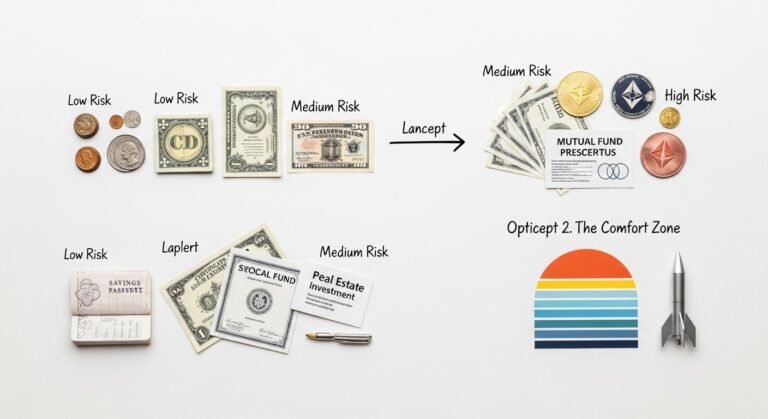
[INLINE IMAGE 1: place after second H2 | alt=”how to make a budget concept illustration”]
Phase 1: Understanding Your Financial Landscape
The very first step in learning how to make a budget is to gain a crystal-clear understanding of your current financial situation. This isn’t about judgment; it’s about gathering facts. You need to know precisely how much money is coming in and how much is going out. This phase sets the crucial baseline upon which your entire budget will be built, ensuring it is realistic, sustainable, and effective.
Gathering Your Financial Data
To begin, you’ll need to collect all relevant financial documents. Think of this as your financial detective work. The more accurate and comprehensive your data, the more effective your budget will be. This includes:
- Income Statements: Gather pay stubs, freelance invoices, benefit statements, or any other documents showing your sources of income. You’ll want your net income (after taxes and deductions).
- Bank Statements: Review statements from checking and savings accounts for the past 2-3 months. These are invaluable for identifying recurring expenses and spending patterns.
- Credit Card Statements: Analyze statements from all credit cards. These will highlight discretionary spending and recurring subscriptions.
- Loan Statements: Collect information on mortgage payments, auto loans, student loans, personal loans, and any other debt obligations.
- Utility Bills: Gather recent electricity, gas, water, internet, and cell phone bills.
- Receipts and Transaction Histories: If you frequently pay with cash or haven’t been using online banking extensively, try to compile a list of recent purchases from receipts or memory.
Once you have these documents, it’s time to consolidate the information. A simple spreadsheet (like Google Sheets or Microsoft Excel) or even a notebook can be very effective here. List every source of income and every type of expense you encounter. Be meticulous; small, seemingly insignificant expenses can add up quickly over a month.
Calculating Your Net Income
Your net income is the total amount of money you actually receive after all taxes, deductions (like health insurance premiums, 401(k) contributions, or union dues) have been subtracted from your gross pay. This is the figure you will use for budgeting, as it represents the money you have available to spend and save. If you have multiple income sources, calculate the net income for each and sum them up to get your total monthly net income.
- For Salaried Employees: Look at your pay stubs. The “net pay” or “take-home pay” amount is what you need. Multiply your bi-weekly or weekly net pay by the appropriate factor to get a monthly average. (e.g., bi-weekly x 26 / 12 for monthly average).
- For Hourly Workers or Freelancers: This can be trickier if your income varies. It’s best to average your net income over the past 3-6 months. Be conservative in your estimate; if your income fluctuates significantly, budget based on a lower average to avoid overspending.
Categorizing Your Expenses: Needs vs. Wants
Once you have a list of all your expenses, the next crucial step is to categorize them. This will give you insight into where your money is actually going. A common and highly effective way to categorize is by distinguishing between “needs” and “wants.”
Needs:
These are essential expenses that are necessary for your survival and basic well-being. They typically include:
- Housing: Rent or mortgage payments, property taxes, homeowner’s insurance.
- Utilities: Electricity, gas, water, internet (for work/communication), essential phone service.
- Food: Groceries for basic sustenance (not dining out or gourmet items).
- Transportation: Car payments, fuel, public transport fares, essential vehicle maintenance.
- Healthcare: Insurance premiums, essential medical expenses, prescriptions.
- Minimum Debt Payments: Minimum payments on loans and credit cards to avoid penalties.
Wants:
These are non-essential expenses that improve your quality of life but are not strictly necessary. These are often the first place you can adjust when trying to save money or get your budget back on track.
- Entertainment: Streaming services, movies, concerts, gaming.
- Dining Out: Restaurants, cafes, takeout.
- Discretionary Shopping: New clothes (beyond basic needs), gadgets, hobbies.
- Travel: Vacations, weekend trips.
- Subscriptions: Non-essential apps, magazines, gym memberships (if not actively used).
- Luxury Items: High-end coffee, premium alcohol, designer goods.
The goal here isn’t to eliminate all wants, but to understand their proportion relative to your needs and income. This exercise provides the raw data you need to make informed decisions about where to cut back, where to prioritize, and ultimately, how to make a budget that reflects your true financial picture.
Phase 2: Choosing the Right Budgeting Method for You
With your financial data in hand, the next step in learning how to make a budget is selecting a budgeting method that aligns with your personality, lifestyle, and financial goals. There isn’t a one-size-fits-all approach; what works brilliantly for one person might feel overly restrictive or too loose for another. Exploring different methods allows you to find a system you can realistically stick with.
The 50/30/20 Rule
Popularized by Senator Elizabeth Warren, the 50/30/20 rule is a straightforward, beginner-friendly budgeting approach. It suggests dividing your after-tax income into three broad categories:
- 50% for Needs: This includes essential expenses like housing (rent/mortgage), utilities, groceries, transportation, minimum loan payments, and insurance.
- 30% for Wants: This category covers discretionary spending such as dining out, entertainment, hobbies, travel, shopping for non-essentials, and premium subscriptions.
- 20% for Savings & Debt Repayment: This portion is dedicated to building an emergency fund, contributing to retirement accounts, investing, and paying down high-interest debt beyond the minimum payments.
Pros: Simple to understand and implement, provides flexibility, great starting point for those new to budgeting.
Cons: Can be too broad for some, might not fit everyone’s income-to-expense ratio, especially in high cost-of-living areas where needs might exceed 50%.
Zero-Based Budgeting
Zero-based budgeting involves assigning every single dollar of your income a “job” until your income minus your expenses equals zero. This doesn’t mean your bank account literally has zero at the end of the month, but rather that every dollar has been accounted for, whether it’s spent, saved, invested, or used to pay debt. Think of it as telling every dollar where to go, rather than wondering where it went.
Pros: Provides maximum control and clarity, ensures no money is wasted, highly effective for rapid debt reduction or saving.
Cons: Requires meticulous tracking and planning, can be time-consuming, less flexible for impulsive spending.
The Envelope System
This classic, low-tech method is a tangible way to manage spending, particularly for variable categories. You allocate a specific amount of cash for certain expense categories (e.g., groceries, entertainment, dining out) into separate physical envelopes at the beginning of the month or pay period. Once an envelope is empty, you stop spending in that category until the next allocation period.
Pros: Excellent for curbing overspending, highly visual, forces conscious spending decisions, effective for categories prone to overspending.
Cons: Less convenient in a cashless society, not ideal for fixed bills, requires discipline to avoid “borrowing” from other envelopes.
Paycheck-to-Paycheck Budgeting
While often associated with financial struggle, paycheck-to-paycheck budgeting, when done intentionally, can be a powerful tool for those with fluctuating income or who are just starting to build a financial buffer. It involves creating a mini-budget for each paycheck, allocating funds to cover expenses until the next paycheck arrives. This method demands careful planning to ensure all necessary bills are covered and to prevent running out of money before the next income injection.
Pros: Highly responsive to immediate cash flow, good for managing irregular income, helps avoid overdrafts if managed carefully.
Cons: Can be stressful, offers less long-term financial stability if not paired with savings goals, requires frequent monitoring.
Hybrid Approaches and Digital Budgeting
Many individuals find success by combining elements of different methods or by leveraging technology. For example, you might use the 50/30/20 rule for overall allocation but apply the envelope system (digitally or physically) for specific “want” categories. Digital tools and budgeting apps (which we’ll discuss later) often offer customizable features that allow for hybrid approaches, providing the structure of a zero-based budget with the flexibility of category-based tracking.
The best method for you is one you can consistently stick with. Don’t be afraid to experiment. Start with one, try it for a month or two, and if it’s not working, adjust or switch. The goal is to find a system that empowers you, not one that frustrates you.
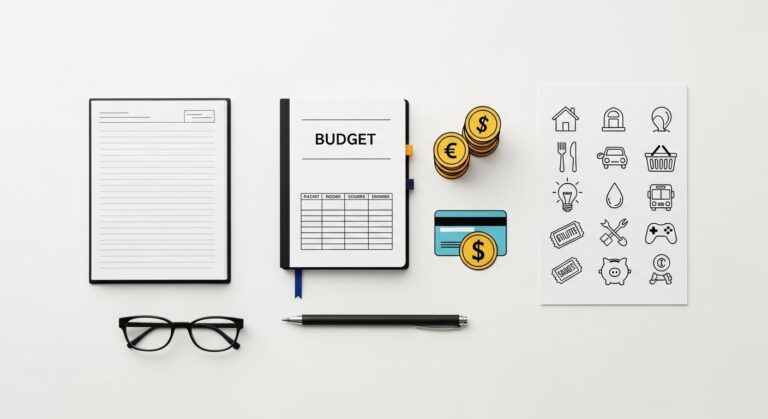
[INLINE IMAGE 2: place after fourth H2 | alt=”how to make a budget comparison illustration”]
Comparison Table: Popular Budgeting Methods
| Budgeting Method | Primary Benefit | Best Suited For | Key Challenge |
|---|---|---|---|
| 50/30/20 Rule | Simplicity & Flexibility | Beginners, those wanting a general spending framework | May not fit all income/expense ratios; can be too broad |
| Zero-Based Budgeting | Maximum Control & Intentionality | Debt reduction, aggressive saving, meticulous planners | Time-consuming, requires detailed tracking, less spontaneous |
| Envelope System | Curbing Overspending (Cash) | Visual learners, those struggling with specific spending categories | Less convenient in a digital world; limited for fixed bills |
| Paycheck-to-Paycheck | Managing Irregular Income & Short-Term Cash Flow | Freelancers, hourly workers, those building a buffer | Can be stressful, requires constant monitoring; less long-term focus |
| Hybrid/Digital | Customization & Automation | Anyone comfortable with tech, those needing tailored solutions | Requires setup effort; can lead to “set it and forget it” if not reviewed |
Phase 3: Building Your Budget Step-by-Step
Once you’ve chosen a method, it’s time to put it into action. This phase focuses on the practical construction of your budget, moving from raw data and chosen methodologies to a living, breathing financial plan. Learning how to make a budget effectively involves more than just numbers; it requires foresight, realistic goal-setting, and a commitment to your financial future.
Setting Realistic Financial Goals
Before you start allocating dollars, define what you want your money to achieve. Clear, measurable financial goals are the fuel that powers your budget. They provide motivation and direction, transforming budgeting from a chore into a tool for achieving your dreams. Use the SMART goal framework:
- Specific: Instead of “save money,” say “save $5,000 for a down payment.”
- Measurable: You need to be able to track your progress.
- Achievable: Set goals that are challenging but realistic given your income and expenses.
- Relevant: Your goals should align with your broader life objectives.
- Time-bound: Give your goals a deadline (e.g., “by December 2027”).
Examples of common financial goals:
- Building an emergency fund of 3-6 months’ living expenses by end of 2027.
- Paying off $10,000 in credit card debt by June 2028.
- Saving $200 per month for a vacation in 2027.
- Contributing an additional $500 per month to your retirement account starting next quarter.
Prioritize your goals. You might have several, but some will be more urgent or impactful than others. Your budget will then become a direct reflection of these priorities.
Allocating Funds to Categories
Now, merge your income data, expense categories (needs vs. wants), and chosen budgeting method. This is where you assign specific amounts to each category.
- List All Income: Start with your total net monthly income. If it’s variable, use a conservative average.
- List Fixed Expenses (Needs): These are expenses that typically remain the same each month. Examples include rent/mortgage, loan payments, insurance premiums, and some subscriptions. Deduct these from your income first.
- Estimate Variable Expenses (Needs): These are essential but fluctuate, like groceries, utilities (you can average past bills), and gas. Make realistic estimates.
- Allocate for Savings & Debt Repayment: Before moving to wants, allocate funds towards your financial goals. This is often called “paying yourself first.” This includes your emergency fund, retirement contributions, and any extra debt payments beyond the minimums.
- Allocate for Wants: With the remaining money, allocate amounts for your discretionary spending categories (dining out, entertainment, shopping, hobbies). Be honest about your current spending habits, but also look for opportunities to align these with your overall financial goals. This is where the 50/30/20 rule’s 30% or the zero-based budgeting’s “every dollar has a job” principle comes into play.
If you find that your expenses (including savings goals) exceed your income, you’ll need to make adjustments. This might involve reducing discretionary spending, finding ways to cut back on needs (e.g., lower utility usage), or exploring options to increase your income. This is often the most challenging part, but it’s where the real power of budgeting lies – forcing you to make conscious choices.
Creating a Spending Plan
Your budget isn’t just a list; it’s a dynamic spending plan. Based on your allocations, you now have a guideline for how much you can spend in each category throughout the month. This plan should be accessible and easy to understand. You might use a spreadsheet, a dedicated budgeting app, or even pen and paper. The key is to have a clear reference point for your spending decisions.
- Break Down Monthly Allocations: For categories like groceries or entertainment, divide your monthly allowance by the number of weeks or pay periods to create weekly or bi-weekly spending targets. This makes daily tracking easier.
- Account for Irregular Expenses: Some expenses, like annual insurance premiums or car maintenance, don’t occur monthly. Factor these into your budget by setting aside a small amount each month (e.g., $50/month for a $600 annual car insurance premium) into a dedicated savings sub-account or envelope.
- Build in a Buffer/Miscellaneous Category: Life is unpredictable. Including a small buffer or “miscellaneous” category can prevent minor unexpected expenses from derailing your entire budget. This small cushion allows for flexibility without breaking the bank.
Incorporating Savings and Debt Repayment
True financial success is often defined by what you save and how you manage debt, not just what you earn. Your budget is the primary vehicle for aggressively pursuing these objectives.
- Automate Savings: One of the most effective strategies is to automate your savings. Set up automatic transfers from your checking account to your savings account or investment accounts (like a 401(k) or IRA) immediately after you get paid. Treat savings as a non-negotiable expense.
- Prioritize High-Interest Debt: If you have high-interest debt (e.g., credit cards), make paying it down a significant budget priority. The money saved on interest can be substantial and accelerate your path to financial freedom. Consider strategies like the debt snowball or debt avalanche methods within your budget.
- Laddering Savings Goals: If you have multiple savings goals, prioritize them and allocate funds accordingly. For example, building an emergency fund typically takes precedence over saving for a vacation. Once your emergency fund is robust, you can reallocate those funds to other goals.
By diligently following these steps, you’ll move from a vague idea of your finances to a concrete, actionable budget that serves as your personal financial compass. This blueprint is your first major stride in taking command of your money.
Phase 4: Implementing, Tracking, and Adjusting Your Budget
Creating a budget is only half the battle; the real work lies in its consistent implementation and ongoing management. A budget isn’t a static document; it’s a living tool that requires regular attention, tracking, and adjustment. This phase is critical for ensuring your budget remains relevant and effective in guiding you towards your financial goals.
Tools for Budget Tracking
The method you choose for tracking your spending should be one that you find easy to use and can commit to regularly. The best tool is the one you will actually use.
- Spreadsheets (Excel, Google Sheets): For those who love data and customization, a spreadsheet offers ultimate flexibility. You can create detailed categories, visualize your spending with charts, and build complex formulas. Many free templates are available online to help you get started.
- Budgeting Apps (Mint, YNAB, Personal Capital): These apps often link directly to your bank accounts and credit cards, automatically categorizing transactions. They provide real-time updates, spending alerts, and visually engaging reports.
- Mint: Free, aggregates all accounts, provides a holistic view of finances, budget suggestions.
- You Need A Budget (YNAB): Paid, focuses on zero-based budgeting, teaches you to “give every dollar a job,” powerful for debt reduction and saving.
- Personal Capital: Free for tracking, offers investment analysis in addition to basic budgeting.
- Manual Tracking (Notebook and Pen): For those who prefer a tactile approach or want to be highly conscious of every transaction, a simple notebook can be incredibly effective. Writing down each expense forces a moment of reflection. This works particularly well with the envelope system.
- Bank/Credit Card Features: Many modern banks and credit card companies offer built-in budgeting tools, spending trackers, and alerts within their online portals or mobile apps. While perhaps not as comprehensive as dedicated budgeting apps, they can provide a good overview for basic tracking.
Regardless of the tool, consistency is key. Make it a habit to check your spending and update your budget regularly – daily, every few days, or at least weekly. This prevents surprises and allows you to make minor adjustments before they become major problems.
Regular Budget Reviews
Your budget is not a set-it-and-forget-it plan. Life happens, and your financial situation will evolve. Regular reviews are essential to keep your budget relevant and effective. Schedule dedicated time for this, perhaps weekly for a quick check-in and monthly for a more comprehensive review.
Weekly Check-ins:
- Review recent transactions to ensure they’re categorized correctly.
- Check your remaining balances in each budget category. Are you on track, or do you need to adjust spending for the rest of the week/month?
- Identify any immediate overspending and consider where you can cut back in other discretionary categories to compensate.
Monthly Reviews:
- Compare your actual spending against your budgeted amounts for the entire month.
- Analyze spending patterns. Are there categories where you consistently overspend or underspend?
- Assess your progress towards your financial goals. Are you saving enough? Is debt repayment on track?
- Evaluate your income. Has it changed?
- Consider any upcoming irregular expenses or changes in your financial landscape for the next month.
Adapting to Life Changes
Life is dynamic, and your budget must be too. Major life events, and even minor ones, will necessitate adjustments to your financial plan. Trying to force an outdated budget onto a new reality is a recipe for frustration and failure.
- Income Fluctuations: If you get a raise, lose a job, or start a side hustle, your budget needs to reflect the new income level. Adjust savings, debt payments, and discretionary spending accordingly.
- New Expenses: A new baby, a new pet, a new home, or increased healthcare costs will introduce new “needs” into your budget. Reallocate funds from “wants” or less critical “needs” to accommodate these.
- Goal Shifts: Your priorities might change. You might achieve one savings goal and need to set a new one, or an urgent expense might temporarily shift your focus from long-term investments to rebuilding an emergency fund.
- Unexpected Events: Car repairs, medical emergencies, or home repairs are examples of events that can impact your budget. Your emergency fund is there for this, but you may need to temporarily pause some savings goals or cut discretionary spending to replenish it.
Approach budget adjustments with flexibility and a problem-solving mindset rather than feeling defeated. The goal isn’t perfection, but continuous improvement and adaptation. By diligently tracking your spending and regularly reviewing and adjusting your budget, you ensure it remains a powerful and relevant tool for achieving your financial aspirations in 2026 and beyond. This ongoing engagement is what transforms learning how to make a budget into a lasting habit of financial success.
Optimizing Your Spending and Boosting Your Savings
Once you’ve established a consistent budgeting rhythm, the next natural step is to refine and optimize your financial habits. This involves not just tracking where your money goes, but actively seeking ways to make it go further. Optimization is about smart choices that maximize your savings and accelerate your journey toward financial freedom, without necessarily feeling deprived. Learning how to make a budget is the start; optimizing it is how you truly thrive.
Identifying Spending Leaks
Spending leaks are those small, often overlooked expenses that drain your bank account without you realizing it. They can be subtle but cumulatively significant. Your budget tracking will be instrumental in pinpointing these leaks.
- Unused Subscriptions: Review all your monthly subscriptions (streaming services, apps, gym memberships, software). Are you using them all regularly? Cancel anything you don’t frequently use or need.
- Impulse Purchases: Track instances of buying things you didn’t plan for – that extra coffee, a snack at the checkout, online shopping when bored. Implement a “24-hour rule” for non-essential purchases: if you still want it after 24 hours, consider buying it.
- Convenience Spending: Premade meals, daily takeout lunches, delivery fees, and premium versions of items you could get cheaper. These add up quickly. Packing lunches, cooking at home, and planning errands can save a fortune.
- Fees and Charges: Overdraft fees, ATM fees from out-of-network banks, late payment fees on bills. Ensure your accounts are set up to avoid these, and automate bill payments where possible.
- Habitual Small Buys: That daily latte, the afternoon soda, vending machine snacks. These “small” items can easily equate to hundreds of dollars a month.
Once identified, make a conscious effort to reduce or eliminate these leaks. Even small changes can free up substantial funds for savings or debt repayment.
Negotiating Bills and Reducing Fixed Costs
Many fixed expenses aren’t as “fixed” as you might think. Many services are negotiable, and you can often find better deals simply by asking. This can significantly reduce your monthly outgoing funds without impacting your lifestyle negatively.
- Insurance (Auto, Home, Health): Shop around annually. Get quotes from multiple providers. Sometimes, just calling your current provider and mentioning a competitor’s quote can get you a better deal. Ask about discounts for bundling policies, good driving, or security features.
- Utilities (Internet, Cable, Phone): Call your providers and inquire about promotional rates, loyalty discounts, or lower-tier plans. Consider bundling services if it truly offers savings. Check if you’re eligible for any government assistance programs for internet or energy.
- Credit Card Interest Rates: If you carry a balance, call your credit card company and ask for a lower interest rate. Highlight your good payment history if applicable. Transferring balances to a 0% APR card for an introductory period can also provide relief, but be sure to pay it off before the promotional period ends.
- Bank Fees: If your bank charges monthly maintenance fees, explore fee-free checking accounts or online banks that offer better terms.
- Mortgage/Rent: While negotiating rent or mortgage interest might be harder, it’s not impossible. Refinancing your mortgage to a lower rate can save tens of thousands over the loan’s life. For renters, maintaining a good relationship with your landlord might lead to smaller rent increases or opportunities to negotiate at renewal.
A few phone calls or a bit of online research can often yield significant savings that impact your budget month after month. This proactive approach to managing your fixed costs is a powerful component of how to make a budget work efficiently.
Learn more about effective negotiation strategies for your bills.
Strategies for Increasing Income
While cutting expenses is crucial, increasing your income offers another powerful lever for optimizing your budget and accelerating your financial goals. Even a modest increase can make a substantial difference.
- Side Hustles: Explore opportunities to earn extra money outside your main job. This could be freelancing, dog walking, tutoring, selling crafts online, ridesharing, or consulting in your area of expertise.
- Negotiate a Raise/Promotion: If you’re employed, prepare a case for why you deserve a raise or promotion. Highlight your contributions and market value. Regular performance reviews are prime opportunities for these discussions.
- Skill Development: Invest in learning new skills that can command higher pay in your current role or open doors to new, higher-paying career paths.
- Passive Income Streams: Over time, explore ways to generate passive income, such as investing in dividend stocks, real estate, or creating digital products. While often requiring initial effort, these can provide ongoing income with less active management.
Any additional income can be strategically allocated to your highest priority financial goals, such as aggressively paying down debt, boosting your emergency fund, or increasing investments.
Automating Savings and Investments
This is perhaps the most powerful optimization strategy. The less effort you have to exert to save and invest, the more likely you are to succeed. “Paying yourself first” means making savings and investments a priority expense, not an afterthought.
- Direct Deposit Allocation: If your employer allows, set up your direct deposit to automatically split your paycheck. A portion can go directly to your checking account, and another portion can go straight to your savings, emergency fund, or investment accounts before you even see it.
- Automatic Transfers: Schedule regular, recurring transfers from your checking account to your savings or investment accounts. Align these with your pay dates.
- Retirement Contributions: Maximize contributions to tax-advantaged retirement accounts like a 401(k) (especially if there’s an employer match, which is free money!) and an IRA.
- Round-Up Apps: Some banking apps and services offer “round-up” features, where your purchases are rounded up to the nearest dollar, and the difference is transferred to a savings account. It’s a small but consistent way to save passively.
By optimizing your spending, actively seeking ways to reduce costs, increasing your income, and automating your financial growth, you transform your budget from a simple tracking tool into a powerful engine for building lasting wealth. These strategies, woven into the fabric of how to make a budget work, ensure continuous progress towards your ultimate financial aspirations.
Overcoming Common Budgeting Challenges
Even with the best intentions and a meticulously crafted budget, you’ll inevitably encounter obstacles. Budgeting is a journey, not a destination, and bumps in the road are normal. The key to long-term success isn’t avoiding challenges, but knowing how to overcome them. This section addresses common pitfalls and provides strategies for staying on track, solidifying your understanding of how to make a budget resilient.
Dealing with Irregular Income
For freelancers, commission-based earners, or those with seasonal work, an inconsistent income stream can make traditional budgeting seem impossible. However, it’s entirely manageable with the right approach.
- Create an Income Buffer: The most crucial step is to build up a savings buffer that covers 1-3 months of essential expenses. This allows you to “pay yourself” a consistent amount each month, even if actual income fluctuates. Any income earned above this consistent amount can then be used to replenish the buffer or fund specific goals.
- Budget Based on Your Lowest Income: When planning, base your budget on your lowest expected monthly income. Any additional income earned above that becomes a bonus, which can be directed towards savings, investments, or debt repayment.
- Prioritize Needs First: When income is uncertain, always prioritize fixed and essential needs (housing, utilities, groceries, minimum debt payments). Discretionary spending should be highly flexible and scaled back significantly during leaner months.
- Average Income Over Time: Look at your average income over the past 6-12 months. This can give you a more realistic figure to work with, even if it means some months you’re putting more into your buffer and other months you’re drawing from it.
- “Worst-Case Scenario” Budget: Have a bare-bones budget ready for months where income is particularly low. Knowing what you can cut back on quickly provides peace of mind.
Managing Unexpected Expenses
Life is full of surprises, and not all of them are pleasant. A sudden car repair, medical bill, or home appliance breakdown can derail an otherwise perfectly planned budget. This is precisely why your budget should include a robust strategy for dealing with the unforeseen.
- The Emergency Fund: This is your first line of defense. An emergency fund, typically 3-6 months’ worth of essential living expenses saved in a separate, easily accessible account, is
How to Make a Budget: Your Definitive Guide to Financial Control and Growth in 2026
By diaalnews Editorial Team — Senior editors with 10+ years of subject-matter experience.
Published 2026-05-26 · Last Updated 2026-05-26Affiliate disclosure: This article may contain affiliate links. Recommendations are independent and editorially driven.
In an increasingly complex financial world, mastering the art of personal finance is not just an advantage—it’s a necessity. At the heart of this mastery lies a fundamental skill: understanding how to make a budget. A budget is far more than just a ledger of income and expenses; it’s a powerful financial roadmap that empowers you to make informed decisions, achieve your monetary aspirations, and ultimately, build a more secure and prosperous future. For many, the idea of budgeting can feel restrictive or daunting, conjuring images of strict limitations and endless spreadsheets. However, the reality is quite the opposite. A well-crafted budget provides clarity, reduces financial stress, and creates a pathway to financial freedom, allowing you to allocate your resources intentionally towards what truly matters to you.
This comprehensive guide from diaalnews is designed to demystify the budgeting process. Whether you’re a complete novice looking to gain control over your spending, or you’re seeking to refine an existing financial strategy, we will walk you through every essential step. We’ll explore various budgeting methods, practical tools, and actionable strategies that you can implement in 2026 to transform your financial habits. From identifying your income and expenses to setting ambitious financial goals and adapting your budget to life’s inevitable changes, our aim is to equip you with the knowledge and confidence to not just make a budget, but to make it work for you. By the end of this article, you will have a clear understanding of how to make a budget that aligns with your unique financial situation and propels you towards a future of stability and growth.
The Foundation: Why Learning How to Make a Budget is Essential
Before diving into the mechanics of creating a budget, it’s crucial to understand the profound impact it can have on your financial well-being. Many people shy away from budgeting because they view it as a straitjacket, a set of rules designed to prevent them from enjoying life. This couldn’t be further from the truth. A budget is a tool of empowerment, giving you control and clarity over your money. It’s the difference between drifting aimlessly through your finances and steering a clear course toward your financial destination.
Gaining Financial Clarity and Control
One of the primary benefits of budgeting is the unparalleled clarity it provides. Most people have a general idea of how much they earn and how much they spend, but a budget forces you to confront the exact numbers. This granular view reveals where your money is truly going. Are you spending more than you realize on dining out? Subscriptions you no longer use? Impulsive online purchases? A budget illuminates these often-hidden patterns, allowing you to identify areas where you can cut back or reallocate funds more effectively. This newfound clarity translates directly into control. Instead of wondering where your paycheck disappeared, you’ll know precisely where every dollar is allocated, giving you the power to direct your money according to your priorities.
Achieving Financial Goals
Whether your goals are short-term, like saving for a down payment on a car, or long-term, like buying a home, funding your retirement, or launching a business, a budget is the indispensable tool for achieving them. Without a clear understanding of your cash flow, saving becomes a hit-or-miss endeavor. A budget allows you to intentionally earmark specific amounts for your goals, transforming abstract wishes into concrete financial targets. By consistently allocating funds, you’ll see tangible progress, which serves as a powerful motivator to stick with your plan. It makes the connection between your daily spending habits and your future aspirations explicit and actionable.
Reducing Financial Stress and Anxiety
Money is a leading cause of stress for many individuals and families. The uncertainty of not knowing if you have enough, the fear of unexpected expenses, or the struggle to pay bills on time can be overwhelming. Learning how to make a budget acts as a powerful antidote to this stress. When you have a clear plan for your money, you eliminate much of the guesswork and anxiety. You’ll know your financial limits, anticipate upcoming expenses, and build an emergency fund that provides a safety net. This proactive approach fosters a sense of security and peace of mind, allowing you to focus on other aspects of your life without constant financial worry.
Building a Foundation for Future Wealth
Budgeting isn’t just about managing today’s money; it’s about setting the stage for tomorrow’s wealth. By consistently spending less than you earn and intentionally saving and investing the surplus, you lay the groundwork for long-term financial growth. A budget helps you identify opportunities to free up money that can then be directed towards investments, debt reduction, or building significant assets. It instills discipline and wise financial habits that compound over time, leading to substantial wealth creation. Without this foundational understanding of your cash flow, building wealth remains a distant dream rather than an achievable reality. The discipline you cultivate today through budgeting pays dividends for decades to come, enabling you to build a legacy and achieve true financial independence.
[INLINE IMAGE 1: place after second H2 | alt=”how to make a budget concept illustration”]
Phase 1: Understanding Your Financial Landscape
The very first step in learning how to make a budget is to gain a crystal-clear understanding of your current financial situation. This isn’t about judgment; it’s about gathering facts. You need to know precisely how much money is coming in and how much is going out. This phase sets the crucial baseline upon which your entire budget will be built, ensuring it is realistic, sustainable, and effective.
Gathering Your Financial Data
To begin, you’ll need to collect all relevant financial documents. Think of this as your financial detective work. The more accurate and comprehensive your data, the more effective your budget will be. This includes:
- Income Statements: Gather pay stubs, freelance invoices, benefit statements, or any other documents showing your sources of income. You’ll want your net income (after taxes and deductions).
- Bank Statements: Review statements from checking and savings accounts for the past 2-3 months. These are invaluable for identifying recurring expenses and spending patterns.
- Credit Card Statements: Analyze statements from all credit cards. These will highlight discretionary spending and recurring subscriptions.
- Loan Statements: Collect information on mortgage payments, auto loans, student loans, personal loans, and any other debt obligations.
- Utility Bills: Gather recent electricity, gas, water, internet, and cell phone bills.
- Receipts and Transaction Histories: If you frequently pay with cash or haven’t been using online banking extensively, try to compile a list of recent purchases from receipts or memory.
Once you have these documents, it’s time to consolidate the information. A simple spreadsheet (like Google Sheets or Microsoft Excel) or even a notebook can be very effective here. List every source of income and every type of expense you encounter. Be meticulous; small, seemingly insignificant expenses can add up quickly over a month.
Calculating Your Net Income
Your net income is the total amount of money you actually receive after all taxes, deductions (like health insurance premiums, 401(k) contributions, or union dues) have been subtracted from your gross pay. This is the figure you will use for budgeting, as it represents the money you have available to spend and save. If you have multiple income sources, calculate the net income for each and sum them up to get your total monthly net income.
- For Salaried Employees: Look at your pay stubs. The “net pay” or “take-home pay” amount is what you need. Multiply your bi-weekly or weekly net pay by the appropriate factor to get a monthly average. (e.g., bi-weekly x 26 / 12 for monthly average).
- For Hourly Workers or Freelancers: This can be trickier if your income varies. It’s best to average your net income over the past 3-6 months. Be conservative in your estimate; if your income fluctuates significantly, budget based on a lower average to avoid overspending.
Categorizing Your Expenses: Needs vs. Wants
Once you have a list of all your expenses, the next crucial step is to categorize them. This will give you insight into where your money is actually going. A common and highly effective way to categorize is by distinguishing between “needs” and “wants.”
Needs:
These are essential expenses that are necessary for your survival and basic well-being. They typically include:
- Housing: Rent or mortgage payments, property taxes, homeowner’s insurance.
- Utilities: Electricity, gas, water, internet (for work/communication), essential phone service.
- Food: Groceries for basic sustenance (not dining out or gourmet items).
- Transportation: Car payments, fuel, public transport fares, essential vehicle maintenance.
- Healthcare: Insurance premiums, essential medical expenses, prescriptions.
- Minimum Debt Payments: Minimum payments on loans and credit cards to avoid penalties.
Wants:
These are non-essential expenses that improve your quality of life but are not strictly necessary. These are often the first place you can adjust when trying to save money or get your budget back on track.
- Entertainment: Streaming services, movies, concerts, gaming.
- Dining Out: Restaurants, cafes, takeout.
- Discretionary Shopping: New clothes (beyond basic needs), gadgets, hobbies.
- Travel: Vacations, weekend trips.
- Subscriptions: Non-essential apps, magazines, gym memberships (if not actively used).
- Luxury Items: High-end coffee, premium alcohol, designer goods.
The goal here isn’t to eliminate all wants, but to understand their proportion relative to your needs and income. This exercise provides the raw data you need to make informed decisions about where to cut back, where to prioritize, and ultimately, how to make a budget that reflects your true financial picture.
Phase 2: Choosing the Right Budgeting Method for You
With your financial data in hand, the next step in learning how to make a budget is selecting a budgeting method that aligns with your personality, lifestyle, and financial goals. There isn’t a one-size-fits-all approach; what works brilliantly for one person might feel overly restrictive or too loose for another. Exploring different methods allows you to find a system you can realistically stick with.
The 50/30/20 Rule
Popularized by Senator Elizabeth Warren, the 50/30/20 rule is a straightforward, beginner-friendly budgeting approach. It suggests dividing your after-tax income into three broad categories:
- 50% for Needs: This includes essential expenses like housing (rent/mortgage), utilities, groceries, transportation, minimum loan payments, and insurance.
- 30% for Wants: This category covers discretionary spending such as dining out, entertainment, hobbies, travel, shopping for non-essentials, and premium subscriptions.
- 20% for Savings & Debt Repayment: This portion is dedicated to building an emergency fund, contributing to retirement accounts, investing, and paying down high-interest debt beyond the minimum payments.
Pros: Simple to understand and implement, provides flexibility, great starting point for those new to budgeting.
Cons: Can be too broad for some, might not fit everyone’s income-to-expense ratio, especially in high cost-of-living areas where needs might exceed 50%.Zero-Based Budgeting
Zero-based budgeting involves assigning every single dollar of your income a “job” until your income minus your expenses equals zero. This doesn’t mean your bank account literally has zero at the end of the month, but rather that every dollar has been accounted for, whether it’s spent, saved, invested, or used to pay debt. Think of it as telling every dollar where to go, rather than wondering where it went.
Pros: Provides maximum control and clarity, ensures no money is wasted, highly effective for rapid debt reduction or saving.
Cons: Requires meticulous tracking and planning, can be time-consuming, less flexible for impulsive spending.The Envelope System
This classic, low-tech method is a tangible way to manage spending, particularly for variable categories. You allocate a specific amount of cash for certain expense categories (e.g., groceries, entertainment, dining out) into separate physical envelopes at the beginning of the month or pay period. Once an envelope is empty, you stop spending in that category until the next allocation period.
Pros: Excellent for curbing overspending, highly visual, forces conscious spending decisions, effective for categories prone to overspending.
Cons: Less convenient in a cashless society, not ideal for fixed bills, requires discipline to avoid “borrowing” from other envelopes.Paycheck-to-Paycheck Budgeting
While often associated with financial struggle, paycheck-to-paycheck budgeting, when done intentionally, can be a powerful tool for those with fluctuating income or who are just starting to build a financial buffer. It involves creating a mini-budget for each paycheck, allocating funds to cover expenses until the next paycheck arrives. This method demands careful planning to ensure all necessary bills are covered and to prevent running out of money before the next income injection.
Pros: Highly responsive to immediate cash flow, good for managing irregular income, helps avoid overdrafts if managed carefully.
Cons: Can be stressful, offers less long-term financial stability if not paired with savings goals, requires frequent monitoring.Hybrid Approaches and Digital Budgeting
Many individuals find success by combining elements of different methods or by leveraging technology. For example, you might use the 50/30/20 rule for overall allocation but apply the envelope system (digitally or physically) for specific “want” categories. Digital tools and budgeting apps (which we’ll discuss later) often offer customizable features that allow for hybrid approaches, providing the structure of a zero-based budget with the flexibility of category-based tracking.
The best method for you is one you can consistently stick with. Don’t be afraid to experiment. Start with one, try it for a month or two, and if it’s not working, adjust or switch. The goal is to find a system that empowers you, not one that frustrates you.
[INLINE IMAGE 2: place after fourth H2 | alt=”how to make a budget comparison illustration”]
Comparison Table: Popular Budgeting Methods
Budgeting Method Primary Benefit Best Suited For Key Challenge 50/30/20 Rule Simplicity & Flexibility Beginners, those wanting a general spending framework May not fit all income/expense ratios; can be too broad Zero-Based Budgeting Maximum Control & Intentionality Debt reduction, aggressive saving, meticulous planners Time-consuming, requires detailed tracking, less spontaneous Envelope System Curbing Overspending (Cash) Visual learners, those struggling with specific spending categories Less convenient in a digital world; limited for fixed bills Paycheck-to-Paycheck Managing Irregular Income & Short-Term Cash Flow Freelancers, hourly workers, those building a buffer Can be stressful, requires constant monitoring; less long-term focus Hybrid/Digital Customization & Automation Anyone comfortable with tech, those needing tailored solutions Requires setup effort; can lead to “set it and forget it” if not reviewed Phase 3: Building Your Budget Step-by-Step
Once you’ve chosen a method, it’s time to put it into action. This phase focuses on the practical construction of your budget, moving from raw data and chosen methodologies to a living, breathing financial plan. Learning how to make a budget effectively involves more than just numbers; it requires foresight, realistic goal-setting, and a commitment to your financial future.
Setting Realistic Financial Goals
Before you start allocating dollars, define what you want your money to achieve. Clear, measurable financial goals are the fuel that powers your budget. They provide motivation and direction, transforming budgeting from a chore into a tool for achieving your dreams. Use the SMART goal framework:
- Specific: Instead of “save money,” say “save $5,000 for a down payment.”
- Measurable: You need to be able to track your progress.
- Achievable: Set goals that are challenging but realistic given your income and expenses.
- Relevant: Your goals should align with your broader life objectives.
- Time-bound: Give your goals a deadline (e.g., “by December 2027”).
Examples of common financial goals:
- Building an emergency fund of 3-6 months’ living expenses by end of 2027.
- Paying off $10,000 in credit card debt by June 2028.
- Saving $200 per month for a vacation in 2027.
- Contributing an additional $500 per month to your retirement account starting next quarter.
Prioritize your goals. You might have several, but some will be more urgent or impactful than others. Your budget will then become a direct reflection of these priorities.
Allocating Funds to Categories
Now, merge your income data, expense categories (needs vs. wants), and chosen budgeting method. This is where you assign specific amounts to each category.
- List All Income: Start with your total net monthly income. If it’s variable, use a conservative average.
- List Fixed Expenses (Needs): These are expenses that typically remain the same each month. Examples include rent/mortgage, loan payments, insurance premiums, and some subscriptions. Deduct these from your income first.
- Estimate Variable Expenses (Needs): These are essential but fluctuate, like groceries, utilities (you can average past bills), and gas. Make realistic estimates.
- Allocate for Savings & Debt Repayment: Before moving to wants, allocate funds towards your financial goals. This is often called “paying yourself first.” This includes your emergency fund, retirement contributions, and any extra debt payments beyond the minimums.
- Allocate for Wants: With the remaining money, allocate amounts for your discretionary spending categories (dining out, entertainment, shopping, hobbies). Be honest about your current spending habits, but also look for opportunities to align these with your overall financial goals. This is where the 50/30/20 rule’s 30% or the zero-based budgeting’s “every dollar has a job” principle comes into play.
If you find that your expenses (including savings goals) exceed your income, you’ll need to make adjustments. This might involve reducing discretionary spending, finding ways to cut back on needs (e.g., lower utility usage), or exploring options to increase your income. This is often the most challenging part, but it’s where the real power of budgeting lies – forcing you to make conscious choices.
Creating a Spending Plan
Your budget isn’t just a list; it’s a dynamic spending plan. Based on your allocations, you now have a guideline for how much you can spend in each category throughout the month. This plan should be accessible and easy to understand. You might use a spreadsheet, a dedicated budgeting app, or even pen and paper. The key is to have a clear reference point for your spending decisions.
- Break Down Monthly Allocations: For categories like groceries or entertainment, divide your monthly allowance by the number of weeks or pay periods to create weekly or bi-weekly spending targets. This makes daily tracking easier.
- Account for Irregular Expenses: Some expenses, like annual insurance premiums or car maintenance, don’t occur monthly. Factor these into your budget by setting aside a small amount each month (e.g., $50/month for a $600 annual car insurance premium) into a dedicated savings sub-account or envelope.
- Build in a Buffer/Miscellaneous Category: Life is unpredictable. Including a small buffer or “miscellaneous” category can prevent minor unexpected expenses from derailing your entire budget. This small cushion allows for flexibility without breaking the bank.
Incorporating Savings and Debt Repayment
True financial success is often defined by what you save and how you manage debt, not just what you earn. Your budget is the primary vehicle for aggressively pursuing these objectives.
- Automate Savings: One of the most effective strategies is to automate your savings. Set up automatic transfers from your checking account to your savings account or investment accounts (like a 401(k) or IRA) immediately after you get paid. Treat savings as a non-negotiable expense.
- Prioritize High-Interest Debt: If you have high-interest debt (e.g., credit cards), make paying it down a significant budget priority. The money saved on interest can be substantial and accelerate your path to financial freedom. Consider strategies like the debt snowball or debt avalanche methods within your budget.
- Laddering Savings Goals: If you have multiple savings goals, prioritize them and allocate funds accordingly. For example, building an emergency fund typically takes precedence over saving for a vacation. Once your emergency fund is robust, you can reallocate those funds to other goals.
By diligently following these steps, you’ll move from a vague idea of your finances to a concrete, actionable budget that serves as your personal financial compass. This blueprint is your first major stride in taking command of your money.
Phase 4: Implementing, Tracking, and Adjusting Your Budget
Creating a budget is only half the battle; the real work lies in its consistent implementation and ongoing management. A budget isn’t a static document; it’s a living tool that requires regular attention, tracking, and adjustment. This phase is critical for ensuring your budget remains relevant and effective in guiding you towards your financial goals.
Tools for Budget Tracking
The method you choose for tracking your spending should be one that you find easy to use and can commit to regularly. The best tool is the one you will actually use.
- Spreadsheets (Excel, Google Sheets): For those who love data and customization, a spreadsheet offers ultimate flexibility. You can create detailed categories, visualize your spending with charts, and build complex formulas. Many free templates are available online to help you get started.
- Budgeting Apps (Mint, YNAB, Personal Capital): These apps often link directly to your bank accounts and credit cards, automatically categorizing transactions. They provide real-time updates, spending alerts, and visually engaging reports.
- Mint: Free, aggregates all accounts, provides a holistic view of finances, budget suggestions.
- You Need A Budget (YNAB): Paid, focuses on zero-based budgeting, teaches you to “give every dollar a job,” powerful for debt reduction and saving.
- Personal Capital: Free for tracking, offers investment analysis in addition to basic budgeting.
- Manual Tracking (Notebook and Pen): For those who prefer a tactile approach or want to be highly conscious of every transaction, a simple notebook can be incredibly effective. Writing down each expense forces a moment of reflection. This works particularly well with the envelope system.
- Bank/Credit Card Features: Many modern banks and credit card companies offer built-in budgeting tools, spending trackers, and alerts within their online portals or mobile apps. While perhaps not as comprehensive as dedicated budgeting apps, they can provide a good overview for basic tracking.
Regardless of the tool, consistency is key. Make it a habit to check your spending and update your budget regularly – daily, every few days, or at least weekly. This prevents surprises and allows you to make minor adjustments before they become major problems.
Regular Budget Reviews
Your budget is not a set-it-and-forget-it plan. Life happens, and your financial situation will evolve. Regular reviews are essential to keep your budget relevant and effective. Schedule dedicated time for this, perhaps weekly for a quick check-in and monthly for a more comprehensive review.
Weekly Check-ins:
- Review recent transactions to ensure they’re categorized correctly.
- Check your remaining balances in each budget category. Are you on track, or do you need to adjust spending for the rest of the week/month?
- Identify any immediate overspending and consider where you can cut back in other discretionary categories to compensate.
Monthly Reviews:
- Compare your actual spending against your budgeted amounts for the entire month.
- Analyze spending patterns. Are there categories where you consistently overspend or underspend?
- Assess your progress towards your financial goals. Are you saving enough? Is debt repayment on track?
- Evaluate your income. Has it changed?
- Consider any upcoming irregular expenses or changes in your financial landscape for the next month.
Adapting to Life Changes
Life is dynamic, and your budget must be too. Major life events, and even minor ones, will necessitate adjustments to your financial plan. Trying to force an outdated budget onto a new reality is a recipe for frustration and failure.
- Income Fluctuations: If you get a raise, lose a job, or start a side hustle, your budget needs to reflect the new income level. Adjust savings, debt payments, and discretionary spending accordingly.
- New Expenses: A new baby, a new pet, a new home, or increased healthcare costs will introduce new “needs” into your budget. Reallocate funds from “wants” or less critical “needs” to accommodate these.
- Goal Shifts: Your priorities might change. You might achieve one savings goal and need to set a new one, or an urgent expense might temporarily shift your focus from long-term investments to rebuilding an emergency fund.
- Unexpected Events: Car repairs, medical emergencies, or home repairs are examples of events that can impact your budget. Your emergency fund is there for this, but you may need to temporarily pause some savings goals or cut discretionary spending to replenish it.
Approach budget adjustments with flexibility and a problem-solving mindset rather than feeling defeated. The goal isn’t perfection, but continuous improvement and adaptation. By diligently tracking your spending and regularly reviewing and adjusting your budget, you ensure it remains a powerful and relevant tool for achieving your financial aspirations in 2026 and beyond. This ongoing engagement is what transforms learning how to make a budget into a lasting habit of financial success.
Optimizing Your Spending and Boosting Your Savings
Once you’ve established a consistent budgeting rhythm, the next natural step is to refine and optimize your financial habits. This involves not just tracking where your money goes, but actively seeking ways to make it go further. Optimization is about smart choices that maximize your savings and accelerate your journey toward financial freedom, without necessarily feeling deprived. Learning how to make a budget is the start; optimizing it is how you truly thrive.
Identifying Spending Leaks
Spending leaks are those small, often overlooked expenses that drain your bank account without you realizing it. They can be subtle but cumulatively significant. Your budget tracking will be instrumental in pinpointing these leaks.
- Unused Subscriptions: Review all your monthly subscriptions (streaming services, apps, gym memberships, software). Are you using them all regularly? Cancel anything you don’t frequently use or need.
- Impulse Purchases: Track instances of buying things you didn’t plan for – that extra coffee, a snack at the checkout, online shopping when bored. Implement a “24-hour rule” for non-essential purchases: if you still want it after 24 hours, consider buying it.
- Convenience Spending: Premade meals, daily takeout lunches, delivery fees, and premium versions of items you could get cheaper. These add up quickly. Packing lunches, cooking at home, and planning errands can save a fortune.
- Fees and Charges: Overdraft fees, ATM fees from out-of-network banks, late payment fees on bills. Ensure your accounts are set up to avoid these, and automate bill payments where possible.
- Habitual Small Buys: That daily latte, the afternoon soda, vending machine snacks. These “small” items can easily equate to hundreds of dollars a month.
Once identified, make a conscious effort to reduce or eliminate these leaks. Even small changes can free up substantial funds for savings or debt repayment.
Negotiating Bills and Reducing Fixed Costs
Many fixed expenses aren’t as “fixed” as you might think. Many services are negotiable, and you can often find better deals simply by asking. This can significantly reduce your monthly outgoing funds without impacting your lifestyle negatively.
- Insurance (Auto, Home, Health): Shop around annually. Get quotes from multiple providers. Sometimes, just calling your current provider and mentioning a competitor’s quote can get you a better deal. Ask about discounts for bundling policies, good driving, or security features.
- Utilities (Internet, Cable, Phone): Call your providers and inquire about promotional rates, loyalty discounts, or lower-tier plans. Consider bundling services if it truly offers savings. Check if you’re eligible for any government assistance programs for internet or energy.
- Credit Card Interest Rates: If you carry a balance, call your credit card company and ask for a lower interest rate. Highlight your good payment history if applicable. Transferring balances to a 0% APR card for an introductory period can also provide relief, but be sure to pay it off before the promotional period ends.
- Bank Fees: If your bank charges monthly maintenance fees, explore fee-free checking accounts or online banks that offer better terms.
- Mortgage/Rent: While negotiating rent or mortgage interest might be harder, it’s not impossible. Refinancing your mortgage to a lower rate can save tens of thousands over the loan’s life. For renters, maintaining a good relationship with your landlord might lead to smaller rent increases or opportunities to negotiate at renewal.
A few phone calls or a bit of online research can often yield significant savings that impact your budget month after month. This proactive approach to managing your fixed costs is a powerful component of how to make a budget work efficiently.
Learn more about effective negotiation strategies for your bills.
Strategies for Increasing Income
While cutting expenses is crucial, increasing your income offers another powerful lever for optimizing your budget and accelerating your financial goals. Even a modest increase can make a substantial difference.
- Side Hustles: Explore opportunities to earn extra money outside your main job. This could be freelancing, dog walking, tutoring, selling crafts online, ridesharing, or consulting in your area of expertise.
- Negotiate a Raise/Promotion: If you’re employed, prepare a case for why you deserve a raise or promotion. Highlight your contributions and market value. Regular performance reviews are prime opportunities for these discussions.
- Skill Development: Invest in learning new skills that can command higher pay in your current role or open doors to new, higher-paying career paths.
- Passive Income Streams: Over time, explore ways to generate passive income, such as investing in dividend stocks, real estate, or creating digital products. While often requiring initial effort, these can provide ongoing income with less active management.
Any additional income can be strategically allocated to your highest priority financial goals, such as aggressively paying down debt, boosting your emergency fund, or increasing investments.
Automating Savings and Investments
This is perhaps the most powerful optimization strategy. The less effort you have to exert to save and invest, the more likely you are to succeed. “Paying yourself first” means making savings and investments a priority expense, not an afterthought.
- Direct Deposit Allocation: If your employer allows, set up your direct deposit to automatically split your paycheck. A portion can go directly to your checking account, and another portion can go straight to your savings, emergency fund, or investment accounts before you even see it.
- Automatic Transfers: Schedule regular, recurring transfers from your checking account to your savings or investment accounts. Align these with your pay dates.
- Retirement Contributions: Maximize contributions to tax-advantaged retirement accounts like a 401(k) (especially if there’s an employer match, which is free money!) and an IRA.
- Round-Up Apps: Some banking apps and services offer “round-up” features, where your purchases are rounded up to the nearest dollar, and the difference is transferred to a savings account. It’s a small but consistent way to save passively.
By optimizing your spending, actively seeking ways to reduce costs, increasing your income, and automating your financial growth, you transform your budget from a simple tracking tool into a powerful engine for building lasting wealth. These strategies, woven into the fabric of how to make a budget work, ensure continuous progress towards your ultimate financial aspirations.
Overcoming Common Budgeting Challenges
Even with the best intentions and a meticulously crafted budget, you’ll inevitably encounter obstacles. Budgeting is a journey, not a destination, and bumps in the road are normal. The key to long-term success isn’t avoiding challenges, but knowing how to overcome them. This section addresses common pitfalls and provides strategies for staying on track, solidifying your understanding of how to make a budget resilient.
Dealing with Irregular Income
For freelancers, commission-based earners, or those with seasonal work, an inconsistent income stream can make traditional budgeting seem impossible. However, it’s entirely manageable with the right approach.
- Create an Income Buffer: The most crucial step is to build up a savings buffer that covers 1-3 months of essential expenses. This allows you to “pay yourself” a consistent amount each month, even if actual income fluctuates. Any income earned above this consistent amount can then be used to replenish the buffer or fund specific goals.
- Budget Based on Your Lowest Income: When planning, base your budget on your lowest expected monthly income. Any additional income earned above that becomes a bonus, which can be directed towards savings, investments, or debt repayment.
- Prioritize Needs First: When income is uncertain, always prioritize fixed and essential needs (housing, utilities, groceries, minimum debt payments). Discretionary spending should be highly flexible and scaled back significantly during leaner months.
- Average Income Over Time: Look at your average income over the past 6-12 months. This can give you a more realistic figure to work with, even if it means some months you’re putting more into your buffer and other months you’re drawing from it.
- “Worst-Case Scenario” Budget: Have a bare-bones budget ready for months where income is particularly low. Knowing what you can cut back on quickly provides peace of mind.
Managing Unexpected Expenses
Life is full of surprises, and not all of them are pleasant. A sudden car repair, medical bill, or home appliance breakdown can derail an otherwise perfectly planned budget. This is precisely why your budget should include a robust strategy for dealing with the unforeseen.
- The Emergency Fund: This is your first line of defense. An emergency fund, typically 3-6 months’ worth of essential living expenses saved in a separate, easily accessible account, is