
Master Your Money: The Ultimate Guide to the 50/30/20 Budget Rule for Financial Freedom
Affiliate disclosure: This article may contain affiliate links. Recommendations are independent and editorially driven.
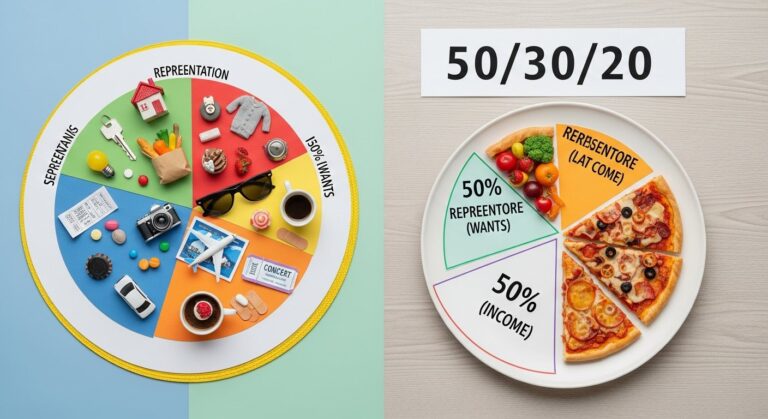
In the vast landscape of personal finance strategies, few concepts offer the blend of simplicity, flexibility, and effectiveness as the 50/30/20 budget rule. This widely adopted budgeting framework provides a clear, actionable roadmap for managing your money, making it accessible for everyone from recent graduates to seasoned professionals looking to optimize their financial health. At its core, the 50/30/20 rule is a guideline for allocating your after-tax income: 50% to needs, 30% to wants, and 20% to savings and debt repayment. But beyond these simple percentages lies a powerful tool capable of transforming your financial outlook, helping you achieve critical goals, reduce stress, and build a secure future.
For many, the idea of budgeting can feel restrictive, overwhelming, or simply out of reach. Traditional budgeting methods often require meticulous tracking of every single dollar, which can be daunting and unsustainable. The beauty of the 50/30/20 budget rule, however, lies in its broad strokes approach. It doesn’t demand obsessive tracking of lattes or every minor expense; instead, it encourages a holistic view of your spending and saving habits, allowing for personal preferences within well-defined boundaries. This article from diaalnews will serve as your comprehensive guide to understanding, implementing, and mastering the 50/30/20 rule. We’ll explore its origins, break down each category in detail, offer practical steps for application, discuss customization for various life stages, troubleshoot common challenges, and even compare it to other popular budgeting methods. By the end, you’ll have all the knowledge and tools necessary to harness the power of this rule and propel yourself towards financial freedom and peace of mind in 2026 and beyond.
Understanding the Foundation: What is the 50/30/20 Budget Rule?
The 50/30/20 budget rule is a straightforward, percentage-based approach to personal finance management. Popularized by Senator Elizabeth Warren and her daughter Amelia Warren Tyagi in their book, “All Your Worth: The Ultimate Lifetime Money Plan,” it offers a simple yet robust framework for allocating your income. The premise is elegant: after taxes, divide your monthly income into three primary categories:
- 50% for Needs: These are essential expenses that you cannot avoid, necessary for survival and maintaining your basic lifestyle.
- 30% for Wants: These are discretionary expenses that improve your quality of life but are not strictly necessary.
- 20% for Savings & Debt Repayment: This portion is dedicated to building your financial future and reducing outstanding debts.
Origins and Philosophy
The rule emerged from a recognition that traditional, overly restrictive budgets often fail because they don’t account for human nature – the desire for some degree of flexibility and enjoyment. Instead of dictating where every dollar goes, the 50/30/20 rule sets clear boundaries while allowing personal choice within those parameters. Its philosophy is rooted in balance: balancing essential living with personal enjoyment, and immediate gratification with future security. This balanced approach makes it highly sustainable and less prone to the “budget fatigue” often associated with more granular methods.
Why it Resonates with a General Audience
One of the primary reasons the 50/30/20 budget rule has gained such widespread appeal is its simplicity. You don’t need complex software or an accounting degree to understand or apply it. Once you know your after-tax income, a few simple calculations immediately tell you how much you should be allocating to each category. This clarity helps demystify budgeting, making financial planning less intimidating for a general audience. Moreover, its flexibility allows individuals to tailor their spending within each percentage, ensuring that the budget reflects their personal values and priorities without feeling overly constrained.
For instance, if your after-tax monthly income is $4,000, the rule suggests:
- $2,000 for Needs
- $1,200 for Wants
- $800 for Savings & Debt Repayment
This transparent breakdown provides an immediate snapshot of your financial health and highlights areas where adjustments might be necessary to align with the rule. It acts as a powerful diagnostic tool, quickly revealing if an excessive portion of income is going towards non-essentials or if savings are being neglected. The goal isn’t just to categorize spending, but to foster conscious financial decisions that support long-term stability and growth.
Diving Deep into the Categories: Needs, Wants, and Savings Defined
To effectively implement the 50/30/20 budget rule, a clear understanding of what constitutes a ‘need,’ a ‘want,’ and what falls under ‘savings and debt repayment’ is paramount. Misclassifying expenses is a common pitfall that can derail your budget. Let’s explore each category in detail, providing clarity and examples.
The 50% for Needs: Non-Negotiable Expenses
Needs are the absolute essentials for living and working. Without these, your basic well-being and ability to function effectively would be severely compromised. These are expenses you simply cannot avoid, regardless of your financial situation. The key question to ask is: “Can I live or work without this?” If the answer is no, it’s likely a need.
What Constitutes a Need?
- Housing: Rent or mortgage payments. Note that this refers to a reasonable, not extravagant, living situation. If your mortgage is for a mansion far beyond your means, the excess portion might lean into ‘wants.’
- Utilities: Electricity, gas, water, and basic sewage. Internet can also be classified as a need in 2026, given its essential role in work, education, and communication.
- Food: Groceries for preparing meals at home. Eating out frequently, while it involves food, typically falls under wants.
- Transportation: Car payments (for an affordable vehicle), public transit fares, essential gas, and car insurance necessary to get to work or perform other essential duties.
- Healthcare: Health insurance premiums, essential prescriptions, and unavoidable medical co-pays.
- Minimum Debt Payments: The absolute minimum payments on loans (student loans, credit cards) to avoid default and protect your credit score. Any amount above the minimum is part of the 20% savings and debt repayment category.
- Childcare: Necessary expenses for children to allow parents to work.
The goal is to keep your total spending on needs at or below 50% of your after-tax income. If your needs consistently exceed this percentage, it’s a strong indicator that you may need to reduce essential costs, such as finding more affordable housing, cutting down on utility usage, or seeking more economical transportation options. This can be challenging but is often the most impactful area for budget adjustment.
The 30% for Wants: Enhancing Your Life
Wants are discretionary expenses that make life more enjoyable and comfortable but are not strictly necessary for survival. They are things you could live without if your financial situation demanded it. This category offers the most flexibility and is often where people find the most room for adjustments when trying to align with the 50/30/20 budget rule.
Examples of Wants:
- Dining Out & Takeaway: Restaurants, cafes, and food delivery services.
- Entertainment: Streaming subscriptions (beyond a basic necessary one), movies, concerts, sporting events, hobbies, gym memberships (unless medically necessary).
- Vacations & Travel: Leisure travel expenses.
- Shopping: New clothes, electronics, gadgets, and other consumer goods that aren’t replacements for worn-out essentials.
- Luxury Services: Hair styling beyond basic cuts, spa treatments, high-end coffee drinks.
- Premium Subscriptions: Non-essential app subscriptions, advanced cable packages.
The 30% allocation for wants acknowledges that life isn’t just about survival; it’s also about enjoyment and personal fulfillment. This category allows for guilt-free spending on things that bring you joy, provided you stay within the allocated percentage. If you find yourself consistently overspending here, it’s the first place to look for cuts. Even small adjustments, like reducing dining out by one meal a week or canceling an unused subscription, can significantly impact this category.
The 20% for Savings & Debt Repayment: Building Your Future
This crucial 20% is dedicated to securing your financial future and improving your overall financial standing. It’s the engine that drives wealth building and debt reduction.
What Belongs in This Category?
- Emergency Fund: Building a safety net, typically 3-6 months’ worth of living expenses, for unexpected events like job loss or medical emergencies.
- Retirement Savings: Contributions to 401(k), IRA, Roth IRA, or other retirement accounts.
- Investment Accounts: Funding brokerage accounts for long-term growth.
- Large Purchases: Saving for a down payment on a house, a new car, or other significant future expenses.
- Additional Debt Repayment: Any amount paid above the minimum required payment on high-interest debts like credit cards, personal loans, or student loans. This accelerates debt freedom and saves money on interest.
This 20% is non-negotiable for long-term financial health. Prioritizing this allocation ensures that you are actively working towards your financial goals, whether it’s achieving debt freedom, accumulating wealth, or preparing for retirement. If you have high-interest debt, often the most impactful use of this 20% is to aggressively pay it down. Once high-interest debt is eliminated, you can then redirect those funds more heavily into savings and investments.
By clearly defining and adhering to these three categories, the 50/30/20 budget rule transforms your financial management from a confusing chore into a clear, empowering strategy. It helps you prioritize, make informed spending decisions, and steadily progress towards your financial aspirations.
[INLINE IMAGE 1: place after second H2 | alt=”50/30/20 budget rule concept illustration”]
The Psychology and Power Behind the 50/30/20 Rule
While the percentages of the 50/30/20 budget rule appear simple, its enduring popularity and effectiveness stem from a sophisticated understanding of human psychology and practical financial realities. It’s not just a mathematical formula; it’s a behavioral framework designed for sustainability and success.
Balancing Restriction with Freedom
One of the most significant psychological advantages of the 50/30/20 rule is its inherent balance. Unlike “zero-based budgeting” which can feel overly restrictive by demanding a designation for every dollar, or overly loose methods that lack structure, the 50/30/20 rule strikes a harmonious chord. It provides clear guidelines for essentials (needs) and future planning (savings/debt) while explicitly carving out a substantial portion for discretionary spending (wants). This 30% for wants is crucial. It prevents the feeling of deprivation that often leads to budget burnout and abandonment. Knowing you have dedicated funds for enjoyment allows for guilt-free spending, making the budget feel like a partner rather than a punisher.
Reducing Decision Fatigue
By establishing broad categories, the rule significantly reduces decision fatigue. Instead of agonizing over every purchase, you make macro-level decisions. Is this purchase a need, a want, or an investment in savings? Once categorized, you know whether it fits within your allotted percentage. This simplification streamlines financial decision-making, freeing up mental energy for other aspects of life.
Focus on the Big Picture
The 50/30/20 rule encourages a focus on the larger financial picture rather than getting bogged down in minute details. It shifts the perspective from “how much did I spend on coffee this week?” to “am I living within my means, saving adequately, and enjoying life?” This macro approach is less stressful and more effective for long-term behavioral change. It helps individuals identify structural issues in their spending (e.g., housing costs consuming too much of their income) rather than just symptomatic issues (e.g., too many impulse purchases).
Building Financial Habits
Consistent application of the 50/30/20 rule naturally fosters healthy financial habits. Regularly allocating 20% to savings and debt repayment instills discipline and builds momentum towards financial goals. It creates a routine where saving isn’t an afterthought but a priority, becoming an automatic part of your financial life. This “pay yourself first” mentality is foundational to wealth building.
Adaptability and Resilience
Life is dynamic, and financial circumstances can change. The 50/30/20 rule’s percentage-based nature makes it inherently adaptable. If your income increases, your allocations for needs, wants, and savings automatically adjust upwards, without requiring a complete overhaul of your budget. Conversely, if your income temporarily decreases, you can quickly identify where to cut back (primarily from wants, then by scrutinizing needs) to stay afloat. This resilience makes it a practical budgeting method for various life stages and economic climates.
Empowerment Through Clarity
Ultimately, the power of the 50/30/20 rule lies in the clarity and empowerment it provides. It demystifies personal finance, breaking it down into understandable, manageable components. When you understand where your money is going and have a clear plan for it, you gain a sense of control over your financial destiny. This control translates into reduced financial stress, increased confidence, and a clearer path towards achieving your most ambitious financial goals, whether that’s early retirement, buying a home, or simply living comfortably without money worries. It’s a testament to how a well-designed financial framework can align with human behavior to foster lasting positive change.
Step-by-Step Implementation: How to Put the 50/30/20 Rule into Practice
Implementing the 50/30/20 budget rule is simpler than many other budgeting methods, but it still requires a systematic approach. Follow these steps to set up your budget effectively and start gaining control over your finances.
Step 1: Calculate Your After-Tax Income
This is the foundation of your 50/30/20 budget. Your after-tax income is your net income – the amount of money that actually lands in your bank account after all deductions (federal and state taxes, Social Security, Medicare, 401(k) contributions, health insurance premiums, etc.) have been taken out. It’s crucial to use this number, not your gross income, because you only budget with the money you truly have access to.
- How to find it: Look at your pay stubs, bank statements, or direct deposit notifications. If you’re self-employed, subtract your estimated taxes and business expenses from your gross income to arrive at your net.
- Consistency: If your income varies, use an average of the last few months, or consider budgeting based on your lowest expected monthly income to ensure you always have enough.
Step 2: Determine Your Allocation Amounts
Once you have your after-tax income, apply the percentages to calculate your target spending limits for each category:
- Needs (50%): After-Tax Income x 0.50 = Maximum amount for essential expenses.
- Wants (30%): After-Tax Income x 0.30 = Maximum amount for discretionary spending.
- Savings & Debt Repayment (20%): After-Tax Income x 0.20 = Minimum amount for savings and debt reduction.
Write these three target amounts down. These are your new financial guardrails.
Step 3: Track Your Current Spending
Before you can adjust your spending to fit the 50/30/20 rule, you need to know where your money is currently going. This step involves tracking your expenses for at least one full month, ideally two or three, to get a clear picture of your habits. This isn’t about judging your past spending, but about gathering data.
- Methods:
- Manual: Keep a notebook, spreadsheet, or use a simple app to log every expense.
- Automated: Link your bank accounts and credit cards to budgeting apps like Mint, YNAB, or Personal Capital, which categorize transactions for you.
- Categorization: As you track, try to mentally (or physically) categorize each expense into “Needs” or “Wants” as per the definitions discussed earlier. This will highlight where your current spending deviates from the 50/30/20 targets.
Step 4: Analyze and Adjust
Compare your actual spending from Step 3 to the target allocations you calculated in Step 2. This is often where the biggest revelations occur.
- Identify Discrepancies:
- Are your needs exceeding 50%? If so, where can you cut back? (e.g., look for cheaper housing, reduce utility usage, refinance loans).
- Are your wants taking up more than 30%? This is usually the easiest category to trim. (e.g., fewer restaurant meals, cancel unused subscriptions, delay non-essential purchases).
- Are you consistently falling short of the 20% for savings and debt? If so, the excess spending is likely in your needs or wants, and those categories need to be addressed first.
- Make Actionable Plans: Based on your analysis, decide specifically what changes you will make. For example, “I will reduce my dining out budget from $500 to $300 next month,” or “I will call my internet provider to negotiate a lower rate.”
Step 5: Automate Your Savings and Debt Payments
The “pay yourself first” principle is incredibly powerful. Set up automatic transfers to move the 20% (or as much of it as you can initially) from your checking account to your savings, investment, or debt repayment accounts immediately after you get paid. This ensures that your financial future is prioritized before any discretionary spending occurs.
- Direct Deposit: Many employers allow you to split your direct deposit across multiple accounts.
- Automatic Transfers: Set up recurring transfers from your checking to savings/investment accounts on your payday.
Step 6: Monitor and Review Regularly
A budget isn’t a one-time setup; it’s an ongoing process. Regularly monitor your spending to ensure you’re staying within your new limits. Review your budget at least monthly, or even weekly, especially when you’re first starting out.
- Check-ins: Use your chosen tracking method (app, spreadsheet) to see if you’re on track for needs and wants.
- Adjust as Needed: Life happens. Your income might change, unexpected expenses arise, or your goals might shift. Be prepared to adjust your budget accordingly. The 50/30/20 rule is a guideline, not a rigid prison.
By following these steps, you can successfully implement the 50/30/20 budget rule and gain a firm grasp on your financial situation. It provides a clear path to understanding your money flow, making conscious choices, and ultimately, building a more secure and prosperous future.
Learn more about effective money management strategies for 2026.
Customizing the 50/30/20 Rule for Every Life Stage and Income Level
While the core principles of the 50/30/20 budget rule remain constant, its application can and should be customized to fit your unique circumstances. Life stages, income levels, and financial goals vary widely, making flexibility a key strength of this budgeting method. It’s a guideline, not a rigid law, and understanding how to adapt it is crucial for long-term success.
Adapting for Different Income Levels
Lower Income Earners
For individuals or households with lower incomes, adhering strictly to the 50/30/20 rule can be challenging, particularly the 50% for needs. Essential expenses like housing, food, and transportation can quickly consume more than half of a modest income. In such cases, a temporary adjustment is often necessary:
- Prioritize Needs: Focus intensely on keeping needs as low as possible. This might involve shared housing, utilizing public transport, or maximizing frugal food strategies.
- Flex the Percentages: You might temporarily operate on a 60/20/20, 65/25/10, or even a 70/20/10 split. The goal is still to save and pay down debt, even if it’s a smaller percentage initially.
- Boost Income: Explore ways to increase income, such as a side hustle, part-time work, or seeking career advancement.
- Maximize Benefits: Ensure you are taking advantage of any government assistance programs or tax credits you qualify for.
The aim is to work towards the ideal 50/30/20 as income increases, always prioritizing the 20% for savings and debt repayment, even if it feels small at first. Starting somewhere is better than not starting at all.
High Income Earners
Individuals with higher incomes may find that 50% for needs is more than sufficient, potentially leaving them with significant disposable income after essential expenses. Similarly, 30% for wants might feel excessive if their lifestyle doesn’t demand it. For high earners, the 50/30/20 rule can be a springboard for accelerated wealth building:
- Supercharge Savings: You might opt for a 40/20/40 or even 30/30/40 split, where the ‘savings and debt repayment’ percentage is significantly higher. This allows for aggressive investing, earlier retirement, or rapid achievement of large financial goals (e.g., buying a second property, early mortgage payoff).
- Strategic Wants: While the 30% for wants is still available, high earners might strategically choose to divert some of this towards additional savings or investments, recognizing the power of compound interest.
- Optimized Debt Repayment: Use the extra ‘savings’ allocation to aggressively pay down mortgage principal or other low-interest debts if that aligns with their financial strategy.
The core principle remains: ensure needs are covered, enjoy your life responsibly, and significantly invest in your future. The higher your income, the greater your capacity to accelerate that 20% (or more).
Adjusting for Different Life Stages
Early Career (20s-30s)
This stage is often characterized by student loan debt, lower starting salaries, and perhaps the desire for independent living. The 50/30/20 rule is particularly powerful here:
- Prioritize Debt: A significant portion of the 20% savings category might initially be directed towards high-interest student loans or credit card debt.
- Emergency Fund: Building a robust emergency fund is crucial before aggressive investing.
- Retirement Start: Even small contributions to retirement accounts early on can make a massive difference due to compounding.
- Housing Costs: Be mindful of not letting housing needs exceed 50% early in your career; roommates or smaller living spaces might be necessary.
Mid-Career & Family Building (30s-40s)
This stage often brings increased income but also increased expenses: mortgages, childcare, children’s activities, and possibly saving for a down payment on a larger home or children’s education.
- Needs Fluctuation: Needs might temporarily increase due to childcare or mortgage payments. You might need to temporarily tighten wants or re-evaluate needs if they push past 50%.
- Diverse Savings Goals: The 20% might need to be split among retirement, college savings, and emergency funds.
- Estate Planning: Consider life insurance and wills as part of your financial planning.
Late Career & Pre-Retirement (50s-60s)
With children potentially grown and higher earning potential, this is a critical time to supercharge retirement savings.
- Max Out Retirement: If possible, aim to contribute the maximum to 401(k)s and IRAs, taking advantage of catch-up contributions if eligible.
- Debt-Free Living: Focus on paying off the mortgage and other debts before retirement to reduce fixed expenses.
- Health Savings: Build up health savings accounts (HSAs) if available, as they offer triple tax advantages.
Retirement
The 50/30/20 rule shifts from income allocation to expenditure allocation from your accumulated assets and passive income (pensions, Social Security).
- Income from Savings: Your “income” is now your withdrawal rate from retirement accounts.
- Lower Needs: Many fixed costs like mortgages might be gone, and commuting expenses disappear.
- Medical Wants/Needs: Healthcare costs may increase, potentially blurring the lines between needs and wants for certain health-related services or specialized care.
The key takeaway is that the 50/30/20 budget rule is a dynamic framework. It provides a solid starting point, but its true power lies in your ability to adapt it to your evolving financial landscape. Regularly review your situation, be honest about your categories, and don’t hesitate to adjust the percentages to best serve your current reality and future aspirations. The ultimate goal is financial well-being, and the rule is a flexible tool to help you achieve it.
[INLINE IMAGE 2: place after fourth H2 | alt=”50/30/20 budget rule comparison illustration”]
Navigating Challenges: Common Pitfalls and Troubleshooting Your 50/30/20 Budget
While the 50/30/20 budget rule is renowned for its simplicity, successfully adhering to it isn’t always without hurdles. Many individuals encounter common pitfalls that can lead to frustration or abandonment of the budget. Recognizing these challenges and understanding how to troubleshoot them is vital for sustained success.
Pitfall 1: Misclassifying Expenses
One of the most frequent errors is blurring the lines between needs and wants. For example, a basic cell phone plan is a need for communication, but the latest premium smartphone on an unlimited data plan might lean into a want. A modest car for commuting is a need, but a luxury SUV with high payments and premium fuel costs could have components that are wants.
- Troubleshooting:
- Be Honest: Critically evaluate each expense. Ask yourself: “Could I survive and maintain my livelihood without this particular expense, or a cheaper version of it?”
- Value vs. Necessity: Distinguish between something you value highly (a want) and something you absolutely require (a need). Your daily gourmet coffee might be a high-value item for you, but it’s not a survival need.
- Audit ‘Needs’: If your needs consistently exceed 50%, go through each ‘need’ line item and see if a more frugal alternative exists. Can you downsize housing? Negotiate insurance? Cook more at home?
Pitfall 2: Overspending on Wants
The 30% allowance for wants is generous and designed to prevent deprivation. However, it’s easy to let this category swell, especially with impulse purchases, frequent dining out, or numerous subscriptions.
- Troubleshooting:
- Track Closely: This is the category that most benefits from diligent tracking. Use an app or spreadsheet to see exactly where your want money is going.
- Set Mini-Budgets: Within your 30% wants, create smaller sub-budgets for categories like “dining out,” “entertainment,” or “shopping.” This provides more control without sacrificing flexibility for the entire category.
- Delay Gratification: Implement a 24-hour or 48-hour rule for non-essential purchases. If you still want it after the waiting period, and it fits your budget, then buy it.
- “Unsubscribe and Save”: Regularly review your subscriptions. Are you using them all? Cancel any that aren’t providing sufficient value.
Pitfall 3: Neglecting the 20% for Savings and Debt Repayment
It’s tempting to use any leftover money for wants, especially if you’re feeling constrained. However, consistently falling short on the 20% jeopardizes your long-term financial security.
- Troubleshooting:
- Automate First: As mentioned, automate transfers for your 20% on payday. Treat it as a non-negotiable bill.
- Prioritize High-Interest Debt: If you have credit card debt, aggressively paying it down within this 20% should be a top priority. The interest saved is often equivalent to a guaranteed return on investment.
- Set Clear Goals: Having specific, measurable goals (e.g., “$10,000 in emergency fund by year-end,” “pay off credit card by October”) makes the 20% feel more purposeful and less like a burden.
- Find Motivation: Visualize your future self debt-free, with a solid emergency fund, or retiring comfortably. This can be a powerful motivator.
Pitfall 4: Fluctuating Income
For freelancers, commission-based employees, or those with side hustles, a consistent after-tax income can be a moving target, making percentage-based budgeting tricky.
- Troubleshooting:
- Budget for Your Lowest Income: Plan your needs and wants based on your lowest realistic monthly income. Any additional income can then be funneled directly into the 20% savings category or used to create a buffer for future lean months.
- Income Smoothing: Set aside a portion of your higher-income months into a separate “income smoothing” account. When income is lower, you can draw from this account to maintain your budget.
- Annualize: Calculate your budget based on an average annual income, then divide by 12, but still adjust monthly.
Pitfall 5: Lack of Regular Review and Adjustment
A budget is a living document, not a static one-time setup. Life changes, unexpected expenses arise, and priorities shift. Not reviewing and adjusting your budget is a recipe for failure.
- Troubleshooting:
- Schedule Check-ins: Block out time each month (e.g., the first Sunday of the month) to review your spending, reconcile accounts, and assess your budget’s effectiveness.
- Be Flexible: If an unforeseen expense (e.g., car repair, medical bill) impacts your budget one month, don’t abandon the whole system. Adjust the next month’s wants, or temporarily dip into your emergency fund if necessary, and then work to replenish it.
- Re-evaluate Goals: As you achieve goals or your life circumstances change (e.g., new job, marriage, children), revisit your overall financial goals and adjust your 20% allocation strategy accordingly.
By proactively addressing these common pitfalls, you can ensure that your 50/30/20 budget remains a powerful and effective tool on your journey to financial mastery. It’s about continuous learning, adaptation, and commitment to your financial well-being.
50/30/20 vs. Other Budgeting Approaches: A Comparative Analysis
The 50/30/20 budget rule is just one of many financial strategies available to help manage your money. While it stands out for its simplicity and flexibility, understanding how it compares to other popular budgeting methods can help you determine if it’s the best fit for your personal circumstances and financial personality.
The 50/30/20 Rule: Balanced Simplicity
Pros:
- Simple and Intuitive: Easy to understand and apply.
- Flexible: Allows for personal discretion within broad categories.
- Sustainable: Reduces budget fatigue by allowing for “wants.”
- Focuses on Big Picture: Encourages macro-level financial awareness.
Cons:
- Less Granular: May not be detailed enough for those who need to track every penny or have very complex finances.
- Challenging for Low Incomes: The 50% for needs can be difficult to meet if essential expenses consume a larger portion of income.
- Assumes Consistency: Less ideal for highly variable incomes without additional strategies.
Comparison Table: 50/30/20 Rule vs. Other Popular Methods
Below is a comparative overview of the 50/30/20 budget rule against other prominent budgeting techniques, highlighting their core features, advantages, and disadvantages.
| Budgeting Method | Core Principle | Best For | Key Advantages | Key Disadvantages | |||||||||||||||||||||||||||
|---|---|---|---|---|---|---|---|---|---|---|---|---|---|---|---|---|---|---|---|---|---|---|---|---|---|---|---|---|---|---|---|
| 50/30/20 Rule | Allocate after-tax income: 50% Needs, 30% Wants, 20% Savings/Debt. | General audience, those seeking balance and simplicity. | Easy to start, flexible, prevents burnout, focuses on core priorities. | Less detailed, challenging for very low incomes, can be too broad for some. | |||||||||||||||||||||||||||
| Zero-Based Budgeting | Assign every dollar a job (income – expenses = zero). | Detailed trackers, those aggressively paying off debt or saving for a goal. | Maximum control over every dollar, highly efficient for reaching goals. | Time-consuming, requires meticulous tracking, can feel restrictive. | |||||||||||||||||||||||||||
| Envelope System | Allocate cash into physical envelopes for different spending categories. | Cash-based spenders, visual learners, those struggling with impulse buys. | Tangible spending limits, very effective for curbing overspending. | Cumbersome with digital payments, risk of cash loss, not ideal for large bills. | |||||||||||||||||||||||||||
| Pay Yourself First | Prioritize saving and investing by automating transfers before other expenses. | Anyone looking to build wealth consistently, regardless of other budgeting methods. | Ensures savings goals are met, builds financial discipline, leverages automation. | Doesn’t provide a full spending plan for remaining income, needs to be combined with another method. | |||||||||||||||||||||||||||
| Value-Based Budgeting | Align spending with personal values, cutting expenses that don’t contribute. | Those seeking meaning in their spending, conscious consumers. | Promotes intentional spending, increases financial fulfillment. | Highly subjective, can be difficult to quantify, less structured. | |||||||||||||||||||||||||||
The “Anti-Budget” (Master Your Money: The Ultimate Guide to the 50/30/20 Budget Rule for Financial FreedomAffiliate disclosure: This article may contain affiliate links. Recommendations are independent and editorially driven. In the vast landscape of personal finance strategies, few concepts offer the blend of simplicity, flexibility, and effectiveness as the 50/30/20 budget rule. This widely adopted budgeting framework provides a clear, actionable roadmap for managing your money, making it accessible for everyone from recent graduates to seasoned professionals looking to optimize their financial health. At its core, the 50/30/20 rule is a guideline for allocating your after-tax income: 50% to needs, 30% to wants, and 20% to savings and debt repayment. But beyond these simple percentages lies a powerful tool capable of transforming your financial outlook, helping you achieve critical goals, reduce stress, and build a secure future. For many, the idea of budgeting can feel restrictive, overwhelming, or simply out of reach. Traditional budgeting methods often require meticulous tracking of every single dollar, which can be daunting and unsustainable. The beauty of the 50/30/20 budget rule, however, lies in its broad strokes approach. It doesn’t demand obsessive tracking of lattes or every minor expense; instead, it encourages a holistic view of your spending and saving habits, allowing for personal preferences within well-defined boundaries. This article from diaalnews will serve as your comprehensive guide to understanding, implementing, and mastering the 50/30/20 rule. We’ll explore its origins, break down each category in detail, offer practical steps for application, discuss customization for various life stages, troubleshoot common challenges, and even compare it to other popular budgeting methods. By the end, you’ll have all the knowledge and tools necessary to harness the power of this rule and propel yourself towards financial freedom and peace of mind in 2026 and beyond. Understanding the Foundation: What is the 50/30/20 Budget Rule?The 50/30/20 budget rule is a straightforward, percentage-based approach to personal finance management. Popularized by Senator Elizabeth Warren and her daughter Amelia Warren Tyagi in their book, “All Your Worth: The Ultimate Lifetime Money Plan,” it offers a simple yet robust framework for allocating your income. The premise is elegant: after taxes, divide your monthly income into three primary categories:
Origins and PhilosophyThe rule emerged from a recognition that traditional, overly restrictive budgets often fail because they don’t account for human nature – the desire for some degree of flexibility and enjoyment. Instead of dictating where every dollar goes, the 50/30/20 rule sets clear boundaries while allowing personal choice within those parameters. Its philosophy is rooted in balance: balancing essential living with personal enjoyment, and immediate gratification with future security. This balanced approach makes it highly sustainable and less prone to the “budget fatigue” often associated with more granular methods. Why it Resonates with a General AudienceOne of the primary reasons the 50/30/20 budget rule has gained such widespread appeal is its simplicity. You don’t need complex software or an accounting degree to understand or apply it. Once you know your after-tax income, a few simple calculations immediately tell you how much you should be allocating to each category. This clarity helps demystify budgeting, making financial planning less intimidating for a general audience. Moreover, its flexibility allows individuals to tailor their spending within each percentage, ensuring that the budget reflects their personal values and priorities without feeling overly constrained. For instance, if your after-tax monthly income is $4,000, the rule suggests:
This transparent breakdown provides an immediate snapshot of your financial health and highlights areas where adjustments might be necessary to align with the rule. It acts as a powerful diagnostic tool, quickly revealing if an excessive portion of income is going towards non-essentials or if savings are being neglected. The goal isn’t just to categorize spending, but to foster conscious financial decisions that support long-term stability and growth. Diving Deep into the Categories: Needs, Wants, and Savings DefinedTo effectively implement the 50/30/20 budget rule, a clear understanding of what constitutes a ‘need,’ a ‘want,’ and what falls under ‘savings and debt repayment’ is paramount. Misclassifying expenses is a common pitfall that can derail your budget. Let’s explore each category in detail, providing clarity and examples. The 50% for Needs: Non-Negotiable ExpensesNeeds are the absolute essentials for living and working. Without these, your basic well-being and ability to function effectively would be severely compromised. These are expenses you simply cannot avoid, regardless of your financial situation. The key question to ask is: “Can I live or work without this?” If the answer is no, it’s likely a need. What Constitutes a Need?
The goal is to keep your total spending on needs at or below 50% of your after-tax income. If your needs consistently exceed this percentage, it’s a strong indicator that you may need to reduce essential costs, such as finding more affordable housing, cutting down on utility usage, or seeking more economical transportation options. This can be challenging but is often the most impactful area for budget adjustment. The 30% for Wants: Enhancing Your LifeWants are discretionary expenses that make life more enjoyable and comfortable but are not strictly necessary for survival. They are things you could live without if your financial situation demanded it. This category offers the most flexibility and is often where people find the most room for adjustments when trying to align with the 50/30/20 budget rule. Examples of Wants:
The 30% allocation for wants acknowledges that life isn’t just about survival; it’s also about enjoyment and personal fulfillment. This category allows for guilt-free spending on things that bring you joy, provided you stay within the allocated percentage. If you find yourself consistently overspending here, it’s the first place to look for cuts. Even small adjustments, like reducing dining out by one meal a week or canceling an unused subscription, can significantly impact this category. The 20% for Savings & Debt Repayment: Building Your FutureThis crucial 20% is dedicated to securing your financial future and improving your overall financial standing. It’s the engine that drives wealth building and debt reduction. What Belongs in This Category?
This 20% is non-negotiable for long-term financial health. Prioritizing this allocation ensures that you are actively working towards your financial goals, whether it’s achieving debt freedom, accumulating wealth, or preparing for retirement. If you have high-interest debt, often the most impactful use of this 20% is to aggressively pay it down. Once high-interest debt is eliminated, you can then redirect those funds more heavily into savings and investments. By clearly defining and adhering to these three categories, the 50/30/20 budget rule transforms your financial management from a confusing chore into a clear, empowering strategy. It helps you prioritize, make informed spending decisions, and steadily progress towards your financial aspirations. [INLINE IMAGE 1: place after second H2 | alt=”50/30/20 budget rule concept illustration”] The Psychology and Power Behind the 50/30/20 RuleWhile the percentages of the 50/30/20 budget rule appear simple, its enduring popularity and effectiveness stem from a sophisticated understanding of human psychology and practical financial realities. It’s not just a mathematical formula; it’s a behavioral framework designed for sustainability and success. Balancing Restriction with FreedomOne of the most significant psychological advantages of the 50/30/20 rule is its inherent balance. Unlike “zero-based budgeting” which can feel overly restrictive by demanding a designation for every dollar, or overly loose methods that lack structure, the 50/30/20 rule strikes a harmonious chord. It provides clear guidelines for essentials (needs) and future planning (savings/debt) while explicitly carving out a substantial portion for discretionary spending (wants). This 30% for wants is crucial. It prevents the feeling of deprivation that often leads to budget burnout and abandonment. Knowing you have dedicated funds for enjoyment allows for guilt-free spending, making the budget feel like a partner rather than a punisher. Reducing Decision FatigueBy establishing broad categories, the rule significantly reduces decision fatigue. Instead of agonizing over every purchase, you make macro-level decisions. Is this purchase a need, a want, or an investment in savings? Once categorized, you know whether it fits within your allotted percentage. This simplification streamlines financial decision-making, freeing up mental energy for other aspects of life. Focus on the Big PictureThe 50/30/20 rule encourages a focus on the larger financial picture rather than getting bogged down in minute details. It shifts the perspective from “how much did I spend on coffee this week?” to “am I living within my means, saving adequately, and enjoying life?” This macro approach is less stressful and more effective for long-term behavioral change. It helps individuals identify structural issues in their spending (e.g., housing costs consuming too much of their income) rather than just symptomatic issues (e.g., too many impulse purchases). Building Financial HabitsConsistent application of the 50/30/20 rule naturally fosters healthy financial habits. Regularly allocating 20% to savings and debt repayment instills discipline and builds momentum towards financial goals. It creates a routine where saving isn’t an afterthought but a priority, becoming an automatic part of your financial life. This “pay yourself first” mentality is foundational to wealth building. Adaptability and ResilienceLife is dynamic, and financial circumstances can change. The 50/30/20 rule’s percentage-based nature makes it inherently adaptable. If your income increases, your allocations for needs, wants, and savings automatically adjust upwards, without requiring a complete overhaul of your budget. Conversely, if your income temporarily decreases, you can quickly identify where to cut back (primarily from wants, then by scrutinizing needs) to stay afloat. This resilience makes it a practical budgeting method for various life stages and economic climates. Empowerment Through ClarityUltimately, the power of the 50/30/20 rule lies in the clarity and empowerment it provides. It demystifies personal finance, breaking it down into understandable, manageable components. When you understand where your money is going and have a clear plan for it, you gain a sense of control over your financial destiny. This control translates into reduced financial stress, increased confidence, and a clearer path towards achieving your most ambitious financial goals, whether that’s early retirement, buying a home, or simply living comfortably without money worries. It’s a testament to how a well-designed financial framework can align with human behavior to foster lasting positive change. Step-by-Step Implementation: How to Put the 50/30/20 Rule into PracticeImplementing the 50/30/20 budget rule is simpler than many other budgeting methods, but it still requires a systematic approach. Follow these steps to set up your budget effectively and start gaining control over your finances. Step 1: Calculate Your After-Tax IncomeThis is the foundation of your 50/30/20 budget. Your after-tax income is your net income – the amount of money that actually lands in your bank account after all deductions (federal and state taxes, Social Security, Medicare, 401(k) contributions, health insurance premiums, etc.) have been taken out. It’s crucial to use this number, not your gross income, because you only budget with the money you truly have access to.
Step 2: Determine Your Allocation AmountsOnce you have your after-tax income, apply the percentages to calculate your target spending limits for each category:
Write these three target amounts down. These are your new financial guardrails. Step 3: Track Your Current SpendingBefore you can adjust your spending to fit the 50/30/20 rule, you need to know where your money is currently going. This step involves tracking your expenses for at least one full month, ideally two or three, to get a clear picture of your habits. This isn’t about judging your past spending, but about gathering data.
Step 4: Analyze and AdjustCompare your actual spending from Step 3 to the target allocations you calculated in Step 2. This is often where the biggest revelations occur.
Step 5: Automate Your Savings and Debt PaymentsThe “pay yourself first” principle is incredibly powerful. Set up automatic transfers to move the 20% (or as much of it as you can initially) from your checking account to your savings, investment, or debt repayment accounts immediately after you get paid. This ensures that your financial future is prioritized before any discretionary spending occurs.
Step 6: Monitor and Review RegularlyA budget isn’t a one-time setup; it’s an ongoing process. Regularly monitor your spending to ensure you’re staying within your new limits. Review your budget at least monthly, or even weekly, especially when you’re first starting out.
By following these steps, you can successfully implement the 50/30/20 budget rule and gain a firm grasp on your financial situation. It provides a clear path to understanding your money flow, making conscious choices, and ultimately, building a more secure and prosperous future. Learn more about effective money management strategies for 2026. Customizing the 50/30/20 Rule for Every Life Stage and Income LevelWhile the core principles of the 50/30/20 budget rule remain constant, its application can and should be customized to fit your unique circumstances. Life stages, income levels, and financial goals vary widely, making flexibility a key strength of this budgeting method. It’s a guideline, not a rigid law, and understanding how to adapt it is crucial for long-term success. Adapting for Different Income LevelsLower Income EarnersFor individuals or households with lower incomes, adhering strictly to the 50/30/20 rule can be challenging, particularly the 50% for needs. Essential expenses like housing, food, and transportation can quickly consume more than half of a modest income. In such cases, a temporary adjustment is often necessary:
The aim is to work towards the ideal 50/30/20 as income increases, always prioritizing the 20% for savings and debt repayment, even if it feels small at first. Starting somewhere is better than not starting at all. High Income EarnersIndividuals with higher incomes may find that 50% for needs is more than sufficient, potentially leaving them with significant disposable income after essential expenses. Similarly, 30% for wants might feel excessive if their lifestyle doesn’t demand it. For high earners, the 50/30/20 rule can be a springboard for accelerated wealth building:
The core principle remains: ensure needs are covered, enjoy your life responsibly, and significantly invest in your future. The higher your income, the greater your capacity to accelerate that 20% (or more). Adjusting for Different Life StagesEarly Career (20s-30s)This stage is often characterized by student loan debt, lower starting salaries, and perhaps the desire for independent living. The 50/30/20 rule is particularly powerful here:
Mid-Career & Family Building (30s-40s)This stage often brings increased income but also increased expenses: mortgages, childcare, children’s activities, and possibly saving for a down payment on a larger home or children’s education.
Late Career & Pre-Retirement (50s-60s)With children potentially grown and higher earning potential, this is a critical time to supercharge retirement savings.
RetirementThe 50/30/20 rule shifts from income allocation to expenditure allocation from your accumulated assets and passive income (pensions, Social Security).
The key takeaway is that the 50/30/20 budget rule is a dynamic framework. It provides a solid starting point, but its true power lies in your ability to adapt it to your evolving financial landscape. Regularly review your situation, be honest about your categories, and don’t hesitate to adjust the percentages to best serve your current reality and future aspirations. The ultimate goal is financial well-being, and the rule is a flexible tool to help you achieve it. [INLINE IMAGE 2: place after fourth H2 | alt=”50/30/20 budget rule comparison illustration”] Navigating Challenges: Common Pitfalls and Troubleshooting Your 50/30/20 BudgetWhile the 50/30/20 budget rule is renowned for its simplicity, successfully adhering to it isn’t always without hurdles. Many individuals encounter common pitfalls that can lead to frustration or abandonment of the budget. Recognizing these challenges and understanding how to troubleshoot them is vital for sustained success. Pitfall 1: Misclassifying ExpensesOne of the most frequent errors is blurring the lines between needs and wants. For example, a basic cell phone plan is a need for communication, but the latest premium smartphone on an unlimited data plan might lean into a want. A modest car for commuting is a need, but a luxury SUV with high payments and premium fuel costs could have components that are wants.
Pitfall 2: Overspending on WantsThe 30% allowance for wants is generous and designed to prevent deprivation. However, it’s easy to let this category swell, especially with impulse purchases, frequent dining out, or numerous subscriptions.
Pitfall 3: Neglecting the 20% for Savings and Debt RepaymentIt’s tempting to use any leftover money for wants, especially if you’re feeling constrained. However, consistently falling short on the 20% jeopardizes your long-term financial security.
Pitfall 4: Fluctuating IncomeFor freelancers, commission-based employees, or those with side hustles, a consistent after-tax income can be a moving target, making percentage-based budgeting tricky.
Pitfall 5: Lack of Regular Review and AdjustmentA budget is a living document, not a static one-time setup. Life changes, unexpected expenses arise, and priorities shift. Not reviewing and adjusting your budget is a recipe for failure.
By proactively addressing these common pitfalls, you can ensure that your 50/30/20 budget remains a powerful and effective tool on your journey to financial mastery. It’s about continuous learning, adaptation, and commitment to your financial well-being. 50/30/20 vs. Other Budgeting Approaches: A Comparative AnalysisThe 50/30/20 budget rule is just one of many financial strategies available to help manage your money. While it stands out for its simplicity and flexibility, understanding how it compares to other popular budgeting methods can help you determine if it’s the best fit for your personal circumstances and financial personality. The 50/30/20 Rule: Balanced SimplicityPros:
Cons:
Comparison Table: 50/30/20 Rule vs. Other Popular MethodsBelow is a comparative overview of the 50/30/20 budget rule against other prominent budgeting techniques, highlighting their core features, advantages, and disadvantages.
|