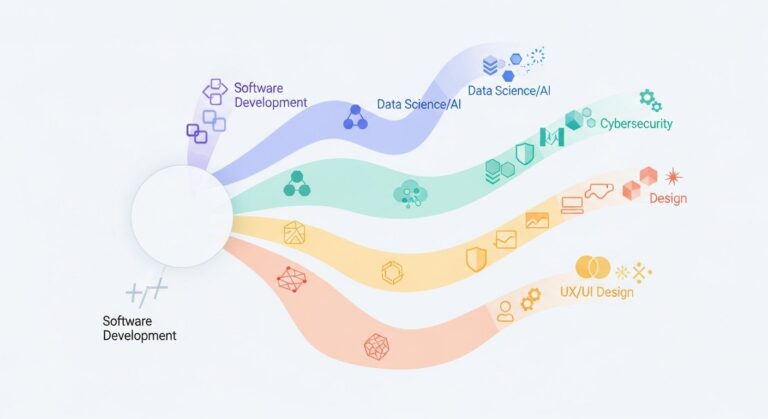

Charting Your New Course: Self-Assessment and Exploration
The foundation of any successful career change lies in a thorough understanding of yourself and the opportunities that align with your evolving aspirations. Before you make any drastic moves, dedicate significant time to introspection and research. This initial phase is about asking the right questions and listening carefully to your inner compass.
Unearthing Your Core Motivations and Values
- Reflect on Dissatisfaction: What aspects of your current role or industry are no longer serving you? Is it the culture, the work itself, the lack of growth, or perhaps a misalignment with your personal values? Pinpointing these areas will illuminate what you truly seek to avoid in your next chapter.
- Identify Passions and Interests: Beyond your current job description, what activities genuinely excite you? What problems are you passionate about solving? Sometimes, a hobby or a volunteer role can reveal a hidden career path. Consider what you would do if money weren’t an object – while unrealistic, this exercise can uncover deep-seated interests.
- Define Your Non-Negotiables: What are the fundamental requirements for your next role? This could include work-life balance, earning potential, company culture, opportunities for impact, location flexibility, or specific types of challenges. Having a clear list of non-negotiables acts as a filter for potential opportunities.
- Clarify Your Strengths and Transferable Skills: Don’t underestimate the wealth of experience you’ve already accumulated. List all your professional skills, from project management and communication to critical thinking and problem-solving. Many skills are highly transferable across industries. Think about how your existing expertise could be reframed to be valuable in a new context. This exercise is crucial for helping you Build Confidence And Self Esteem, as it highlights your inherent capabilities and achievements.
Researching Potential New Paths in 2026
- Explore Emerging Industries: The professional landscape is constantly evolving. Research growth industries and in-demand roles for 2026 and beyond. Look into fields like renewable energy, AI and machine learning, cybersecurity, digital health, sustainable technology, and specialized consulting.
- Conduct Informational Interviews: This is an invaluable step. Reach out to professionals working in roles or industries that pique your interest. Ask them about their day-to-day responsibilities, the challenges they face, the skills required, and their career trajectory. LinkedIn is an excellent platform for identifying potential contacts.
- Test the Waters with Micro-Projects or Volunteering: If possible, try to gain some practical experience in your desired field without committing to a full-time role. This could involve volunteering, taking on a freelance project, or participating in a short-term internship. These experiences provide real-world insight and can validate your interest or help you pivot if it’s not the right fit.
- Analyze Market Demand and Compensation: While passion is important, practicality is key. Research salary expectations and job availability for your target roles to ensure your chosen path is financially viable and realistic. Websites like Glassdoor, LinkedIn Jobs, and industry-specific salary guides can provide valuable data.
This phase is about thoughtful exploration, not immediate decision-making. Give yourself permission to explore multiple avenues and be open to unexpected discoveries. The clarity you gain here will serve as a robust foundation for the subsequent steps of your career transition.
Strategic Skill Development and Bridging the Gap

Once you have a clearer vision of your desired new career path, the next critical step is to assess the gap between your current skill set and what is required for your target role. This phase is about strategic learning, upskilling, and potentially reskilling to make yourself a competitive candidate in your new chosen field for 2026.
Identifying Skill Gaps and Learning Pathways
- Detailed Job Description Analysis: Review job descriptions for roles you aspire to. List out the required skills, qualifications, and experience. Compare this against your current resume and identify specific areas where you need to strengthen your capabilities. Pay attention to both hard skills (e.g., software proficiency, data analysis) and soft skills (e.g., leadership, creativity, specific communication styles).
- Formal Education and Certifications: Depending on the industry and role, you might need to pursue a new degree, a specialized certification, or even a boot camp. Online platforms like Coursera, edX, and Udacity offer a wide array of courses and specializations from reputable universities and companies. Consider professional certifications from industry bodies that are recognized and valued in your target field.
- Hands-On Experience and Projects: Learning theory is one thing; applying it is another. Look for opportunities to gain practical experience. This could involve:
- Personal Projects: Build a portfolio of work relevant to your new field. If you’re moving into design, create mock-ups; if into data science, analyze public datasets; if into writing, start a blog or contribute to online publications.
- Volunteer Work: Offer your newly acquired skills to non-profits or community organizations. This provides valuable experience, networking opportunities, and a chance to make a difference.
- Freelancing or Consulting: Start taking on small freelance projects to apply your skills in a real-world context and build a client portfolio.
- Internships or Apprenticeships: While often associated with early career stages, some companies offer internships or apprenticeships for career changers, allowing you to gain on-the-job experience.
- Mentorship and Coaching: Seek out mentors who are established in your target field. A mentor can offer invaluable advice, guidance, and insights into navigating the industry. Career coaches can also provide structured support, accountability, and strategies for your transition.
Leveraging Your Existing Professional Strengths
While developing new skills, it’s crucial not to discard your past experiences. Your previous career has undoubtedly equipped you with a unique set of skills and perspectives that can be a significant advantage in a new field. This is where your ability to Build Confidence And Self Esteem truly comes into play, by recognizing the inherent value of your professional journey.
- Translate Your Experience: Learn to articulate how your past roles, even if seemingly unrelated, have prepared you for your new path. For example, a teacher transitioning to project management can highlight their experience in curriculum development, managing classroom dynamics, and meeting educational objectives as analogous to project planning and stakeholder management.
- Highlight Transferable Soft Skills: Skills like leadership, problem-solving, communication, resilience, adaptability, and emotional intelligence are universally valued. Emphasize how you’ve demonstrated these in your previous roles and how they will benefit you in your new career.
- Develop a Unique Value Proposition: Your diverse background can be your differentiator. Instead of seeing your “lack of direct experience” as a weakness, frame it as a unique blend of perspectives and skills that a more traditional candidate might not possess. This often involves crafting a compelling narrative about why you are making the change and what unique value you bring.
Investing in skill development is an investment in yourself and your future. Approach this phase with diligence and a growth mindset, understanding that continuous learning is a hallmark of successful professionals in 2026 and beyond.
Fortifying Your Financial Foundation: Planning for the Transition
Assessing Your Current Financial Landscape
- Detailed Income and Expense Audit: Before anything else, gain a crystal-clear understanding of your current financial situation. Track every dollar coming in and going out for at least a few months. Categorize your expenses (fixed vs. variable, essential vs. discretionary). This audit is the first step in creating any effective financial plan.
- Evaluate Your Assets and Liabilities: Understand your net worth. What are your savings, investments, and other assets? What debts do you carry (mortgage, student loans, credit card debt)? A clear picture of your financial health will inform how much flexibility you have.
- Review Insurance Coverage: Ensure you have adequate health, disability, and life insurance. Losing employer-sponsored benefits during a career change can be a significant financial shock if not planned for. Research individual plans and their costs.
Crafting a Strategic Financial Plan for Your Career Change
- Build a Robust Emergency Fund: This is arguably the most critical component. Aim to save at least 6-12 months of essential living expenses. This fund will provide a crucial safety net if your income dips or if the job search takes longer than expected. It provides peace of mind and allows you to make decisions based on opportunity, not desperation.
- Develop a Transition Budget: Create a specific budget for the period of your career change. This budget should account for potential reduced income, costs of education or training, networking expenses, and job search-related expenditures. Be realistic about what you can afford to spend and where you can cut back. This is where understanding How To Budget Money Low Income can be incredibly helpful, even if you’re not currently in that situation, as it teaches discipline and prioritization.
- Plan for Potential Income Gaps: If you anticipate a period of unemployment or a significant pay cut in your new role, factor this into your savings goals. Explore options like part-time work, freelancing, or contract roles during your transition to supplement income.
- Manage Debt Strategically: If you have high-interest debt, consider prioritizing its reduction before or during your career change. Less debt means lower monthly obligations, providing more financial breathing room.
- Explore Funding for Education/Training: Research scholarships, grants, or low-interest loans if you need to invest in significant education. Factor these costs into your overall financial plan.
- Post-Transition Financial Goals: Don’t just plan for the transition; think beyond it. Once you’re in your new role, what are your financial aspirations? This could include rebuilding savings, investing for retirement, or saving for a down payment. Regularly revisiting and adjusting your overall How To Create Financial Plan will be vital for your long-term success.
Proactive financial planning empowers you to make career decisions from a position of strength, reducing anxiety and allowing you to focus on the exciting opportunities ahead. It transforms potential financial setbacks into manageable steps within a well-considered strategy.
Mastering the Job Search: Networking and Application Strategies
With a clear career path and a solid financial plan in place, the next phase is to actively pursue opportunities. The job search for a career changer often requires a different approach than a traditional search, emphasizing strategic networking, tailored applications, and effective storytelling.
Building Your New Professional Network
- Leverage LinkedIn Strategically: Update your LinkedIn profile to reflect your desired new career path. Use the “About” section to tell your career change story and highlight transferable skills. Actively connect with professionals in your target industry, join relevant groups, and engage with content.
- Informational Interviews (Revisited): These conversations, beyond helping you explore, are powerful networking tools. They can lead to mentorship, advice on companies to target, and even direct referrals. Always follow up with a thank-you note and maintain the connection.
- Attend Industry Events and Conferences: In 2026, many events offer hybrid or virtual options, making them more accessible. These are excellent opportunities to meet people, learn about industry trends, and demonstrate your commitment to the new field.
- Join Professional Organizations: Many industries have associations that offer resources, networking events, and job boards. Membership can provide credibility and access to a community of like-minded professionals.
- Tap into Your Existing Network: Don’t overlook your current contacts. Let friends, former colleagues, and acquaintances know about your career change. You never know who might have a connection or advice that could be invaluable.
Crafting a Compelling Narrative and Application
- Develop Your “Career Change Story”: Be prepared to articulate why you are making a change and why you are passionate about the new field. This story should be concise, compelling, and demonstrate how your past experience uniquely positions you for success in your new direction. Practice telling this story confidently and authentically, which further helps to Build Confidence And Self Esteem.
- Tailor Your Resume and Cover Letter: Do not use a generic resume. For each application, customize your resume to highlight the most relevant transferable skills and experiences. Use keywords from the job description. Your cover letter is where your career change story truly shines. Explain your motivation and explicitly connect your past achievements to the requirements of the new role.
- Build a New Portfolio (If Applicable): For creative or technical roles, a portfolio showcasing your new skills and projects (even if personal or volunteer-based) is essential.
- Prepare for Interviews: Research the company and interviewers thoroughly. Anticipate questions about your career change and practice your responses. Be ready to discuss how your unique background adds value. Prepare thoughtful questions to ask the interviewer, demonstrating your engagement and interest.
- Consider Contract or Temporary Roles: Sometimes, the fastest way to break into a new field is through a contract, temporary, or part-time position. These roles can provide invaluable experience, allow you to prove yourself, and often lead to full-time opportunities.
The job search is often a marathon, not a sprint. Maintain persistence, refine your approach based on feedback, and remember that every “no” brings you closer to a “yes.”
Navigating Setbacks and Building Resilience
The path to a successful career change is rarely linear. It’s often punctuated by challenges, moments of self-doubt, and rejections. Developing resilience and effective coping mechanisms is crucial to staying the course and achieving your goals. This phase will test your resolve, making it vital to proactively work on how to Build Confidence And Self Esteem.
Common Challenges Faced by Career Changers
- Fear of the Unknown: Stepping out of your comfort zone is inherently scary. The security of the familiar, even if unsatisfying, can be hard to leave behind. Acknowledge this fear but don’t let it paralyze you.
- Imposter Syndrome: You might feel like you don’t belong in your new chosen field, especially when surrounded by those with more traditional backgrounds. This feeling is common but can be overcome by focusing on your unique strengths and continuous learning.
- Rejection and Disappointment: You will likely face rejections during your job search. It’s easy to take these personally, but it’s important to view them as learning opportunities, not indictments of your worth.
- Financial Stress: Even with careful planning, financial pressures can mount, especially if the transition takes longer or costs more than anticipated.
- External Skepticism: Friends, family, or former colleagues might question your choices, offering unsolicited advice or expressing doubts. While often well-intentioned, this can chip away at your motivation.
Strategies for Building Resilience and Maintaining Momentum
- Practice Self-Compassion: Be kind to yourself. A career change is a monumental undertaking. Acknowledge your efforts and celebrate small victories. Don’t beat yourself up over setbacks.
- Reframe Failure as Learning: Each rejection or challenge provides valuable feedback. Analyze what went wrong, adapt your approach, and move forward. What did you learn from that interview? How can you improve your next application?
- Maintain a Strong Support System: Surround yourself with people who believe in you and your vision. This could be a trusted mentor, a career coach, friends, or family members who offer encouragement and a listening ear.
- Set Realistic Expectations: Understand that a significant career change can take time – often 1-3 years from initial contemplation to fully settling into a new role. Break down your journey into smaller, manageable milestones to avoid feeling overwhelmed.
- Prioritize Self-Care: During stressful periods, it’s even more important to prioritize your physical and mental well-being. Ensure you’re getting enough sleep, eating nutritious food, exercising regularly, and making time for hobbies that bring you joy. These activities are vital for maintaining energy and perspective.
- Focus on What You Can Control: You can control your effort, your learning, your networking, and your attitude. Dwelling on factors outside your control (e.g., market conditions, specific hiring decisions) is counterproductive.
- Regularly Revisit Your “Why”: Remind yourself of the core motivations that led you to pursue this change. Keeping your ultimate vision in mind will help you push through difficult moments.
- Document Your Progress: Keep a journal or a log of your achievements, new skills learned, and positive feedback received. This tangible evidence of your growth can be a powerful tool to Build Confidence And Self Esteem when self-doubt creeps in.
Resilience isn’t about avoiding challenges; it’s about effectively navigating them. By adopting these strategies, you can transform obstacles into stepping stones and emerge stronger and more determined on your path to a new, fulfilling career.
The First 90 Days and Beyond: Thriving in Your New Role
Congratulations! You’ve successfully navigated the career change and landed a new role. While the initial challenge of securing the position is over, the real work of integrating and thriving in your new environment begins. The first 90 days are critical for setting the stage for long-term success, and beyond that, continuous growth is key.
Making a Strong Start in Your New Role
- Listen and Learn Intensely: Avoid the urge to immediately implement changes or showcase all your ideas. Spend the first few weeks actively listening, observing, and learning the company culture, team dynamics, processes, and unspoken rules. Ask thoughtful questions.
- Build Relationships: Proactively connect with your manager, team members, and key stakeholders. Schedule one-on-one meetings to understand their roles, priorities, and how you can best support them. Strong relationships are fundamental to success in any organization.
- Understand Expectations: Clarify your role’s objectives, key performance indicators (KPIs), and how your success will be measured. Work with your manager to establish clear, measurable goals for your first 30, 60, and 90 days.
- Seek Early Wins: Identify opportunities for small, impactful contributions that align with your initial goals. These early wins can help you build credibility and demonstrate your value to the team.
- Be Proactive with Feedback: Don’t wait for your first performance review. Periodically check in with your manager for feedback on your performance and areas for improvement. This shows initiative and a commitment to growth.
- Embrace the Learning Curve: It’s perfectly normal to feel overwhelmed or to lack expertise in certain areas when starting a new career. Be patient with yourself, embrace challenges as learning opportunities, and don’t be afraid to ask for help. This continuous process of learning helps to Build Confidence And Self Esteem over time.
Sustaining Growth and Long-Term Success
- Continuous Skill Development: The professional world of 2026 demands ongoing learning. Identify new skills that will enhance your performance in your current role or prepare you for future growth within your new field. This could involve advanced certifications, workshops, or self-study.
- Expand Your Internal Network: As you become more established, broaden your network within the company. Connect with individuals in different departments and at various levels. This can open doors to new opportunities and provide diverse perspectives.
- Seek Mentorship and Sponsorship: Within your new organization, look for mentors who can guide your career progression and sponsors who can advocate for you and your work.
- Proactively Manage Your Career Path: Don’t wait for opportunities to come to you. Regularly assess your career goals, discuss them with your manager, and actively seek out projects or roles that align with your aspirations.
- Maintain Work-Life Balance: While it’s tempting to throw yourself entirely into a new role, remember the reasons you sought a career change, which often included a desire for better balance or fulfillment. Prioritize your well-being to avoid burnout.
- Revisit Your Financial Plan: With a new income stream, it’s an opportune time to revisit your comprehensive How To Create Financial Plan. Adjust your budget, savings goals, and investment strategies to align with your new financial reality and long-term aspirations. If your income has increased, consider how to optimize your savings and investments. If it’s a lower income, refine your approach to How To Budget Money Low Income to ensure financial stability and growth.
A career change is a journey of continuous evolution. By approaching your new role with a blend of humility, eagerness to learn, and strategic planning, you can not only succeed but truly thrive and build a career that brings lasting satisfaction and professional growth for years to come.
Frequently Asked Questions
Recommended Resources
Related reading: Welding Types And Applications (Mitsubishi Manufacturing).
Explore Surrogacy Process Explained for additional insights.