
Understanding Your Financial Landscape: The Critical First Step to Reducing Monthly Expenses
Before you can effectively reduce monthly expenses, you must first possess a clear and unvarnished understanding of where your money currently goes. This initial phase is often the most revealing, laying bare spending habits and patterns that might otherwise remain hidden. Think of it as mapping your financial territory before embarking on a journey to optimize it.
The Power of Tracking Every Penny
The foundation of any successful expense reduction strategy begins with diligent tracking. For at least one to three months, commit to recording every single transaction, no matter how small. This isn’t about judgment; it’s about data collection. You might be surprised to discover how much seemingly insignificant purchases accumulate over time. Tools for this include:
- Budgeting Apps: Many modern apps link directly to your bank accounts and credit cards, automatically categorizing transactions and providing real-time insights. Popular options in 2026 offer intuitive interfaces and robust reporting features.
- Spreadsheets: For those who prefer a hands-on approach, a simple spreadsheet can be incredibly powerful. Categorize your spending manually, allowing you to intimately connect with each expenditure.
- Notebook and Pen: The oldest method can still be the most effective for some, providing a tactile experience that reinforces awareness of each purchase.
The goal here is not just to see the numbers, but to understand the narrative behind them. Where are you spending out of habit? Where are emotional purchases occurring? This data-driven insight is invaluable.
Categorizing Your Expenses: Essential vs. Non-Essential
Once you have a clear picture of your spending, the next crucial step is to categorize your expenses. This involves distinguishing between essential outgoings—those necessary for survival and basic living—and non-essential ones, which contribute to your lifestyle but could be reduced or eliminated. This distinction is paramount when learning how to reduce monthly expenses effectively.
- Essential Expenses: These typically include housing (rent/mortgage), utilities (electricity, water, heating), groceries, transportation for work, basic healthcare, and minimum debt payments. These are the fixed costs that are difficult to eliminate entirely but can often be optimized.
- Non-Essential Expenses: This category encompasses dining out, entertainment, subscriptions (streaming services beyond one or two, gym memberships you don’t use), impulse purchases, designer clothing, vacations, and certain hobbies. These are the primary targets for reduction.
Be honest with yourself during this categorization. What you deem “essential” might have some flexibility. For instance, while groceries are essential, gourmet ingredients or expensive pre-made meals are not. This critical evaluation sets the stage for meaningful cuts.
The Role of a Budget: Your Financial GPS
With your spending tracked and categorized, you are now perfectly positioned to create a budget. A budget is not a straitjacket; it’s a strategic plan for your money, a proactive decision-making tool that dictates where your income goes before it even arrives. For those wondering how to budget money low income, a meticulously crafted budget is not just beneficial—it’s absolutely indispensable.
A budget helps you:
- Allocate Funds: Assign specific amounts to different spending categories.
- Identify Surplus/Deficit: Clearly see if you’re spending more than you earn.
- Set Financial Goals: Direct money towards savings, debt repayment, or investments.
- Gain Control: Transform passive spending into active financial management.
Understanding your financial landscape is the bedrock. Without this foundational knowledge, any attempts to reduce monthly expenses will likely be haphazard and unsustainable. Embrace this initial analytical phase; it’s the most powerful step towards enduring financial change in 2026.
Strategic Budgeting and Expense Tracking: Your Roadmap to Sustainable Savings
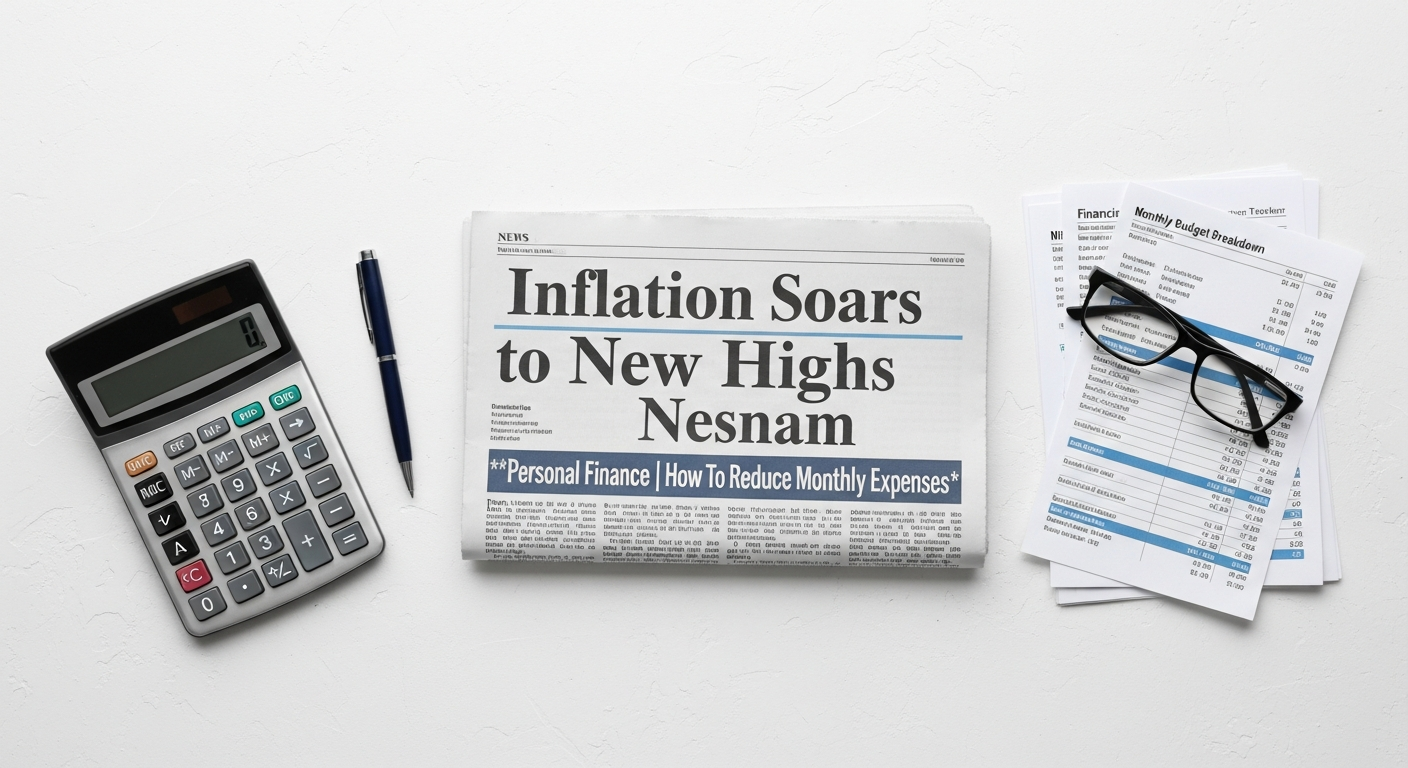
Once you have a clear understanding of your current financial situation, the next crucial step in learning how to reduce monthly expenses is to implement a strategic budgeting and expense tracking system. This isn’t just about cutting costs; it’s about building a sustainable framework that supports your financial goals and empowers you to make conscious spending decisions.
Choosing the Right Budgeting Method for You
There isn’t a one-size-fits-all approach to budgeting. The best method is the one you can consistently stick to. Here are a few popular strategies in 2026:
- The 50/30/20 Rule: This simple yet effective method allocates 50% of your after-tax income to needs (essentials), 30% to wants (non-essentials), and 20% to savings and debt repayment. It provides a flexible guideline, making it easier to see where you can trim non-essential spending to reduce monthly expenses.
- Zero-Based Budgeting: With this method, you assign every dollar of your income a job until your income minus your expenses equals zero. This forces you to be highly intentional with your money, ensuring no dollar is spent without a purpose. It’s particularly powerful for those who need strict control or are focused on rapidly paying off debt.
- Envelope System: A tangible approach where you allocate cash into physical envelopes for different spending categories (e.g., groceries, entertainment). Once an envelope is empty, you stop spending in that category until the next pay period. This method is excellent for visual learners and those who struggle with overspending on credit cards.
- Pay-Your-Future-Self-First: A behavioral approach where you prioritize saving and debt repayment as soon as your paycheck arrives. Whatever is left is what you use for your expenses. This ensures your financial goals are met before discretionary spending occurs.
Experiment with different methods to find what resonates with your financial personality and lifestyle. The key is consistency and commitment.
Leveraging Modern Tools for Expense Tracking and Management
In 2026, technology offers an array of sophisticated tools to simplify expense tracking and budget management. These can dramatically enhance your ability to monitor and reduce monthly expenses:
- Budgeting Software and Apps: Beyond basic tracking, many apps offer features like goal setting, bill reminders, investment tracking, and detailed financial reports. They can provide a holistic view of your financial health. Look for apps that offer customization, security, and a user-friendly interface.
- Spreadsheet Templates: For those who prefer a more hands-on approach without the subscription fees of apps, advanced spreadsheet templates (Google Sheets, Excel) can be downloaded or created. These allow for deep customization and can integrate with online banking for easier data entry.
- Bank & Credit Card Features: Many financial institutions now offer robust budgeting tools directly within their online banking portals or mobile apps. These often include spending categorizations, alerts, and insights into your spending patterns.
Regularly reviewing your chosen tracking method is paramount. Set aside time weekly or bi-weekly to check your progress, adjust categories, and ensure you’re staying on track. This proactive engagement prevents budget drift and keeps you aligned with your goal to reduce monthly expenses.
The Iterative Process: Review, Adjust, and Optimize
A budget is not a static document; it’s a living, breathing financial plan that requires regular review and adjustment. Life happens, and your financial situation can change—unexpected expenses arise, income levels shift, or priorities evolve. To truly master how to reduce monthly expenses, you must embrace an iterative process:
- Monthly Review: At the end of each month, compare your actual spending against your budgeted amounts. Where did you overspend? Where did you underspend?
- Identify Problem Areas: Pinpoint specific categories where you consistently exceed your budget. Is it dining out? Impulse shopping? Unused subscriptions?
- Strategize Adjustments: Brainstorm specific actions you can take to address these problem areas. Can you cook more at home? Unsubscribe from unnecessary services? Find cheaper alternatives?
- Set New Targets: Adjust your budget for the upcoming month based on your insights and new strategies. Be realistic but firm with your revised targets.
This continuous cycle of tracking, reviewing, and adjusting ensures that your budget remains a relevant and powerful tool in your quest to reduce monthly expenses. It transforms budgeting from a chore into an empowering habit, leading to sustained financial improvements and greater peace of mind.
Tackling Major Expenses: Housing, Transportation, and Debt for Significant Savings
Housing: Your Largest Monthly Outgoing
For many, housing is the single biggest expense. Reducing this cost can free up a substantial portion of your income. Consider these strategies:
- Renegotiate Rent: If you’re a responsible tenant with a good payment history, especially if your lease is up for renewal, don’t hesitate to negotiate with your landlord. Research comparable rents in your area. A small reduction can add up significantly over a year.
- Refinance Your Mortgage: If you own a home, interest rates in 2026 might present an opportunity to refinance your mortgage for a lower rate or a shorter term, potentially reducing your monthly payment. Always weigh the closing costs against the long-term savings.
- Consider Downsizing or Relocating: While a drastic step, moving to a smaller home or an area with a lower cost of living can dramatically reduce housing expenses. This might involve moving further from work, but the savings could be worth the trade-off.
- Take on a Roommate: If you have spare capacity, bringing in a roommate can split rent and utility costs, providing an immediate and significant reduction in your personal housing expenses.
- Explore House Hacking: For homeowners, this could involve renting out a spare room, a basement apartment, or even a section of your property on a short-term rental platform.
Even small adjustments in this category can lead to hundreds of dollars in savings each month, making it a prime target when you’re focusing on how to reduce monthly expenses.
Transportation: Getting Around Without Breaking the Bank
Commuting and personal vehicle costs can quickly erode your budget. Here’s how to curb those expenses:
- Utilize Public Transportation: If available, public transport (buses, trains, subways) is often significantly cheaper than owning and operating a car, especially when factoring in fuel, insurance, maintenance, and parking.
- Carpool or Ride-Share: Splitting fuel and parking costs with colleagues or friends can lead to substantial savings. Ride-sharing apps also offer a viable alternative to personal car ownership for occasional use.
- Bike or Walk: For shorter distances, cycling or walking is not only free but also offers excellent health benefits. This is a direct way to reduce fuel and maintenance costs.
- Negotiate Car Insurance: Shop around for car insurance quotes at least once a year. Rates vary widely between providers for the same coverage. Ask about discounts for safe driving, bundling policies, or low mileage.
- Perform Regular Car Maintenance: Preventative maintenance (oil changes, tire rotations) can prevent more costly repairs down the line and improve fuel efficiency, indirectly helping to reduce monthly expenses.
- Consider Selling a Second Car: If your household has multiple vehicles, evaluate whether one can be eliminated. The savings from insurance, maintenance, and fuel can be substantial.
Re-evaluating your transportation habits can yield surprisingly large savings, making this a high-impact area for expense reduction.
Tackling Debt: Freeing Up Future Income
High-interest debt, particularly credit card debt, can be a major drain on your monthly budget, consuming a significant portion of your income in interest payments alone. Strategically addressing debt is crucial for long-term financial health and reducing ongoing monthly expenses.
- Prioritize High-Interest Debt: Focus on paying off debts with the highest interest rates first (the “debt avalanche” method). This minimizes the total interest paid over time, freeing up more money for your budget sooner.
- Debt Consolidation: Consider consolidating multiple high-interest debts into a single loan with a lower interest rate. This could be a personal loan or a balance transfer credit card (be wary of transfer fees and introductory periods). This simplifies payments and can significantly reduce your monthly outlay.
- Negotiate with Creditors: If you’re struggling, contact your creditors. They may be willing to lower your interest rate, waive fees, or work out a more manageable payment plan.
- Avoid New Debt: While working to reduce existing debt, commit to not taking on any new debt. This requires discipline and often a temporary shift in spending habits.
- Create a Debt Repayment Plan: Incorporate debt payments into your budget as a fixed expense. Seeing it as a non-negotiable part of your financial plan helps maintain focus. This is a critical component of how to create financial plan that prioritizes long-term stability.
Reducing the burden of debt doesn’t just lower your monthly payments; it also improves your credit score and reduces financial stress, providing a strong foundation for sustained expense management.
Optimizing Everyday Spending: Lifestyle Adjustments for Long-Term Savings
After addressing the major expense categories, the next frontier in learning how to reduce monthly expenses lies in scrutinizing and optimizing your everyday spending. These smaller, often habitual expenditures, while seemingly insignificant on their own, can collectively accumulate into substantial sums over the course of a month or year. By making conscious lifestyle adjustments, you can achieve significant long-term savings without feeling deprived.
Food: The Culinary Path to Savings
Food is an essential expense, but it’s also an area where many people significantly overspend. Smart food choices can lead to dramatic reductions in your monthly budget:
- Meal Planning and Preparation: Dedicate time each week to plan your meals, create a grocery list, and prepare food in advance. This prevents impulse buys, minimizes food waste, and reduces the temptation to eat out.
- Cook at Home: Dining out, even for casual meals, is almost always more expensive than cooking a comparable meal at home. Pack lunches for work and prepare dinners instead of relying on takeout.
- Shop Smart:
- Grocery Lists: Stick strictly to your list to avoid impulse purchases.
- Bulk Buying: Purchase non-perishable items (like rice, pasta, canned goods) in bulk when they’re on sale.
- Generic Brands: Often, store brands offer the same quality as name brands at a fraction of the cost.
- Sales and Coupons: Plan your meals around what’s on sale and utilize digital coupons.
- Avoid Shopping Hungry: This common mistake often leads to overspending and buying unhealthy items.
- Reduce Food Waste: Learn to utilize leftovers, freeze portions, and properly store food to extend its shelf life. Composting food scraps can also reduce waste.
- Cut Back on Beverages: The daily coffee shop habit, bottled water, and sugary drinks can quickly add up. Make coffee at home, carry a reusable water bottle, and choose tap water over expensive beverages when dining out.
By transforming your approach to food, you can significantly reduce monthly expenses in a tangible and enjoyable way.
Utilities: Conserving Resources, Saving Money
Utility bills are a recurring expense that can often be lowered with mindful consumption and minor adjustments around the home:
- Energy Efficiency:
- Smart Thermostats: Program your thermostat to adjust temperatures when you’re away or asleep, or invest in a smart thermostat that learns your habits.
- Unplug Electronics: “Vampire drain” from electronics plugged in but not in use can add up. Unplug chargers, TVs, and other appliances when not needed.
- LED Lighting: Replace old incandescent bulbs with energy-efficient LED alternatives, which last longer and consume significantly less electricity.
- Seal Leaks: Weatherstrip doors and windows, and seal any cracks to prevent heat or air conditioning from escaping.
- Appliance Usage: Run dishwashers and washing machines only when full, and consider air-drying clothes when possible.
- Water Conservation:
- Shorten Showers: Reduce shower times.
- Fix Leaks: Even small drips can waste gallons of water over time.
- Efficient Appliances: If replacing appliances, opt for energy- and water-efficient models.
- Negotiate Internet/Cable: Periodically call your internet and cable providers to inquire about new promotions or to negotiate a lower rate. Sometimes, threatening to switch providers can prompt a better offer. Consider “cutting the cord” entirely if you primarily use streaming services.
These small changes collectively contribute to a notable reduction in your monthly utility costs, directly impacting your overall goal to reduce monthly expenses.
Subscriptions and Services: The Hidden Drain
In the digital age, it’s easy to accumulate a plethora of subscriptions that often go unused or are duplicated. This is a prime area for quick savings:
- Audit Regularly: Go through your bank and credit card statements quarterly to identify all recurring subscriptions (streaming services, apps, gym memberships, software, online courses).
- Cancel Unused Services: Be ruthless. If you haven’t used a service in a month, cancel it. You can always resubscribe later if you genuinely miss it.
- Bundle Services: Some providers offer discounts for bundling internet, phone, and TV.
- Share Accounts (Responsibly): If permitted by the service, share streaming accounts with family members to split the cost.
- Downgrade Plans: Do you really need the premium tier of every service? Downgrade to a basic plan if it meets your needs.
- Free Alternatives: Explore free versions of software, free library services for books and movies, or free workout apps instead of paid gym memberships.
Entertainment & Leisure: Mindful Enjoyment
Entertainment is important for well-being, but it doesn’t have to be expensive. Conscious choices can help you enjoy life while still working to reduce monthly expenses:
- Embrace Free Activities: Explore local parks, hiking trails, free museum days, public libraries (for books, movies, and sometimes even passes to local attractions), or host potlucks with friends instead of dining out.
- Plan Ahead: Look for discounts, matinee prices, or early bird specials for movies, concerts, or events.
- DIY Entertainment: Have game nights, movie nights at home, or learn a new skill from free online resources.
- Reduce Screen Time: This isn’t just about mental well-being; it’s also about reducing the temptation to spend. Less time scrolling means less exposure to ads and less opportunity for impulse online shopping. For effective how to reduce screen time tips, consider setting app limits, designating screen-free zones, and scheduling outdoor or social activities as alternatives.
By making thoughtful adjustments to your everyday spending and lifestyle, you empower yourself to significantly reduce monthly expenses without sacrificing the quality of your life. These habits, once ingrained, become powerful tools for long-term financial prosperity.
Building Financial Resilience: Beyond Just Cutting Costs
While aggressively seeking out how to reduce monthly expenses is a crucial component of financial health, true financial resilience extends beyond mere cost-cutting. It involves building a robust framework that supports your long-term goals, protects you from unexpected setbacks, and provides a clear path to financial independence. In 2026, a holistic approach to personal finance is more important than ever.
Creating an Emergency Fund: Your Financial Safety Net
One of the most vital steps in building financial resilience is establishing and maintaining an emergency fund. This dedicated savings account should hold enough money to cover 3-6 months of essential living expenses. Its purpose is to act as a buffer against unforeseen circumstances such as job loss, medical emergencies, or major car repairs, preventing you from falling into debt or derailing your progress in reducing monthly expenses.
- Start Small: Even saving $50-$100 a month consistently can build up over time.
- Automate Savings: Set up an automatic transfer from your checking to your savings account with each paycheck. This “set it and forget it” approach makes saving effortless.
- Keep it Separate: Store your emergency fund in a separate, easily accessible savings account, ideally one with a decent interest rate, but distinct from your primary checking account to avoid accidental spending.
An emergency fund provides immense peace of mind and prevents unexpected events from forcing you to incur new debt, thereby undermining all your hard work to reduce monthly expenses.
Setting Financial Goals and Crafting a Comprehensive Financial Plan
Reducing expenses is far more motivating when it’s tied to specific, meaningful financial goals. Whether it’s saving for a down payment, funding a child’s education, or planning for retirement, clear goals provide direction and purpose for your financial decisions. This is where learning how to create financial plan becomes paramount.
A comprehensive financial plan typically includes:
- Short-Term Goals (1-3 years): Such as building an emergency fund, paying off a specific debt, or saving for a vacation.
- Mid-Term Goals (3-10 years): Like saving for a down payment on a home, funding a significant purchase, or investing in further education.
- Long-Term Goals (10+ years): Primarily retirement planning, but also potentially large investments or legacy planning.
Your financial plan should outline not just what you want to achieve, but also how you plan to achieve it, including specific savings targets, investment strategies, and debt repayment schedules. Regularly review and adjust this plan as your life circumstances and economic conditions evolve.
Generating Additional Income: Boosting Your Financial Offensive
While reducing monthly expenses is about playing strong defense, generating additional income is about playing offense. Even a modest increase in income can significantly accelerate your financial progress, making it easier to meet your goals and giving you more flexibility in your budget.
- Side Hustles: Explore opportunities to monetize your skills or hobbies. This could be freelancing, tutoring, dog walking, delivering food, selling crafts online, or offering consulting services.
- Part-Time Work: Consider taking on a part-time job if your schedule permits.
- Sell Unused Items: Declutter your home and sell items you no longer need on online marketplaces. This provides a quick infusion of cash and helps reduce clutter.
- Negotiate Salary/Seek Raises: Regularly assess your market value and be prepared to negotiate for raises or promotions at your current job.
Any extra income can be strategically directed towards your emergency fund, high-interest debt, or investment goals, amplifying the impact of your efforts to reduce monthly expenses.
Staying Motivated and Celebrating Milestones
The journey to financial resilience and sustained expense reduction is a marathon, not a sprint. It requires discipline, patience, and a positive mindset. To stay motivated:
- Track Your Progress: Visually seeing your savings grow or debt shrink can be incredibly encouraging.
- Celebrate Small Wins: Acknowledge and celebrate milestones, no matter how small. Paid off a credit card? Saved your first $1,000? Treat yourself to a small, budget-friendly reward.
- Find a Support System: Discuss your goals with a trusted friend, family member, or join an online financial community for encouragement and accountability.
- Educate Yourself Continuously: Stay informed about personal finance trends, investment opportunities, and new strategies to optimize your money.
By integrating these practices into your financial life, you move beyond simply cutting costs to building a truly resilient and prosperous financial future in 2026. Reducing monthly expenses becomes an integral part of a larger, empowering financial journey.
Frequently Asked Questions
Recommended Resources
Explore What Is Additive Manufacturing for additional insights.
Check out Roe V Wade Impact Explained on Protect Families Protect Choices for a deeper dive.