How to Open a Brokerage Account in 2026: Your Complete Expert Guide
Affiliate disclosure: This article may contain affiliate links. Recommendations are independent and editorially driven.
In the rapidly evolving financial landscape of 2026, opening a brokerage account is no longer a luxury reserved for the ultra-wealthy or seasoned financiers. It is, increasingly, a fundamental step for anyone looking to build wealth, achieve financial independence, and secure their future. Whether you’re aiming to save for retirement, buy a home, fund your child’s education, or simply grow your money beyond what a traditional savings account offers, a brokerage account is your gateway to the world of investments.
The journey might seem daunting at first, with a myriad of brokerage firms, account types, and investment options to navigate. However, with the right guidance, understanding the process of how to open a brokerage account becomes straightforward and empowering. This comprehensive guide from diaalnews is designed to demystify the entire process, providing you with the knowledge, tools, and confidence to make informed decisions. We’ll walk you through everything from selecting the right brokerage firm and understanding different account types to funding your account and making your very first investment. By the end of this article, you’ll not only know how to open a brokerage account but also how to do so strategically, aligning with your financial goals and risk tolerance.
Demystifying the Investment Journey: What is a Brokerage Account?
Before diving into the mechanics of how to open a brokerage account, it’s crucial to understand what a brokerage account actually is. At its core, a brokerage account is an investment account that you open with a licensed brokerage firm. Think of it as your personal financial hub, a digital or physical space where you can hold and manage various types of investments, such as stocks, bonds, mutual funds, exchange-traded funds (ETFs), and more.
Unlike a traditional bank savings account, which primarily holds cash and earns minimal interest, a brokerage account is designed for growth through market participation. When you deposit money into a brokerage account, you’re not just saving it; you’re positioning it to be invested in assets that have the potential to appreciate in value over time. The brokerage firm acts as an intermediary, facilitating your trades and providing you with the necessary tools and platforms to research, buy, and sell securities.
The Role of a Brokerage Firm
A brokerage firm, also known as a broker-dealer, is a financial institution that buys and sells securities on behalf of its clients. They are regulated entities, typically by bodies like the Securities and Exchange Commission (SEC) and the Financial Industry Regulatory Authority (FINRA) in the U.S., ensuring a level of investor protection and market integrity. When you decide to open a brokerage account, you are essentially partnering with one of these firms to execute your investment decisions.
- Execution Services: Brokers provide the technology and infrastructure to place orders for buying and selling investments.
- Custody of Assets: They hold your investments securely on your behalf.
- Research and Tools: Many offer extensive research reports, analytical tools, educational resources, and trading platforms.
- Customer Support: They provide assistance for account management and trading queries.
Brokerage Accounts vs. Bank Accounts: A Key Distinction
While both bank accounts and brokerage accounts deal with your money, their fundamental purposes are different:
- Bank Accounts (Savings/Checking): Primarily for liquidity, transactional needs, and short-term savings. Deposits are typically FDIC-insured up to certain limits, providing safety against bank failure. Returns are generally low, focusing on capital preservation.
- Brokerage Accounts: Designed for long-term wealth building and capital appreciation through investments. Funds are not FDIC-insured; instead, investments are typically protected by the Securities Investor Protection Corporation (SIPC) up to $500,000 in case the brokerage firm fails (this does not protect against market losses). Returns can be significantly higher but come with market risk.
Understanding this distinction is the first step toward appreciating why and how to open a brokerage account is a pivotal move for your financial future.
The Unveiling: Why You Should Open a Brokerage Account in 2026
In 2026, the reasons to open a brokerage account are more compelling than ever. With inflation concerns, fluctuating interest rates, and an ever-present need for long-term financial security, relying solely on traditional savings vehicles might not be enough to reach your financial aspirations. A brokerage account offers a dynamic pathway to grow your capital and achieve diverse financial objectives.
1. Access to Diverse Investment Opportunities
A brokerage account is your passport to a vast universe of investment vehicles that are typically inaccessible through standard bank accounts. These include:
- Stocks: Ownership shares in publicly traded companies, offering potential for capital appreciation and dividends.
- Bonds: Debt instruments issued by governments and corporations, providing fixed income and generally lower risk than stocks.
- Exchange-Traded Funds (ETFs): Baskets of securities that trade like stocks, offering diversification across various sectors, industries, or asset classes.
- Mutual Funds: Professionally managed portfolios of stocks, bonds, or other securities, offering diversification and expert management.
- Options and Futures: More complex derivative instruments for advanced strategies and hedging.
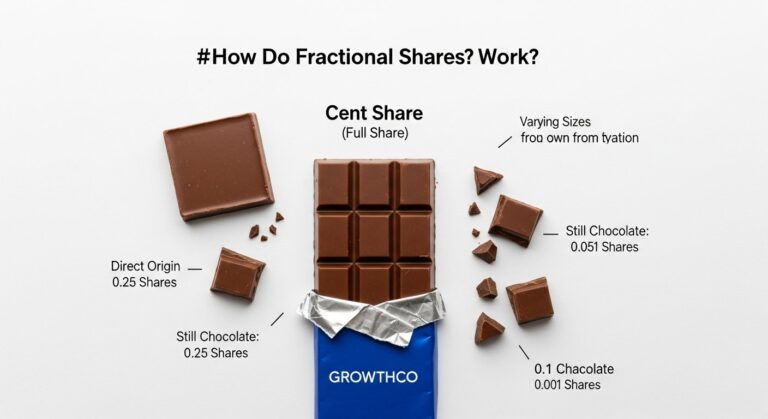
- Fractional Shares: Many brokers now allow you to buy fractions of expensive stocks, making investing accessible even with small amounts.
- Cryptocurrencies: A growing number of mainstream brokers are integrating access to digital assets like Bitcoin and Ethereum.
This wide array of choices allows you to construct a portfolio tailored to your risk tolerance, financial goals, and time horizon.
2. Wealth Building and Financial Independence
The primary reason most individuals open a brokerage account is to build wealth over the long term. Through the power of compounding, even modest, consistent investments can grow substantially over decades. Investing allows your money to work for you, potentially outpacing inflation and generating significant returns that can lead to financial independence – the ability to live off your investments without needing to work.
3. Beating Inflation and Preserving Purchasing Power
Inflation, the gradual increase in prices over time, erodes the purchasing power of your money. If your money is sitting in a low-interest savings account, it’s effectively losing value each year. Investments, particularly stocks and real estate, have historically proven to be effective hedges against inflation, with their returns often exceeding the rate of inflation, thus preserving and growing your purchasing power.
4. Achieving Specific Financial Goals
Whether it’s saving for a down payment on a house, funding a child’s college education, or planning for a comfortable retirement, a brokerage account provides the mechanism to work towards these major life goals. Different account types (which we’ll explore shortly) even offer tax advantages specifically designed for certain objectives, making your savings efforts more efficient.
5. Passive Income Generation
Beyond capital appreciation, many investments held within a brokerage account can generate passive income. Dividend stocks pay out a portion of company profits, while bonds pay interest. This income can be reinvested to accelerate growth or used to supplement your regular earnings, providing another layer of financial security.
6. Taking Control of Your Financial Future
Opening a brokerage account puts you in the driver’s seat of your financial destiny. You decide where your money goes, aligning your investments with your values and beliefs. This level of control, combined with the educational resources offered by modern brokers, empowers you to become a more knowledgeable and confident investor.
Ultimately, to open a brokerage account in 2026 is to embrace an opportunity for growth, security, and control in an increasingly complex economic environment. It’s a proactive step towards securing a brighter financial future for yourself and your loved ones.
[INLINE IMAGE 1: place after second H2 | alt=”open a brokerage account concept illustration”]
Navigating the Landscape: Types of Brokerage Accounts
Understanding the different types of brokerage accounts is a crucial step before you open a brokerage account. Each type serves a specific purpose, comes with unique tax implications, and caters to different financial goals. Choosing the right one (or combination) can significantly impact your investment strategy and overall returns.
1. Taxable (Non-Retirement) Brokerage Accounts
These are the most common and flexible types of brokerage accounts, also known as “general investment accounts.”
a. Individual Brokerage Account
- Ownership: Owned by one person.
- Flexibility: High liquidity. You can deposit and withdraw funds at any time without age restrictions or penalties (though capital gains taxes will apply).
- Contribution Limits: No annual contribution limits.
- Taxation: Investment gains (capital gains, dividends, interest) are taxable in the year they are realized or received. Short-term capital gains (assets held for one year or less) are taxed at ordinary income rates, while long-term capital gains (assets held for over a year) typically receive preferential tax rates.
- Best For: Short-to-medium term savings goals (e.g., house down payment), investing beyond retirement account limits, or simply general wealth accumulation.
b. Joint Brokerage Account
- Ownership: Owned by two or more individuals (typically spouses, but can be others).
- Types:
- Joint Tenants with Rights of Survivorship (JTWROS): If one owner dies, the assets automatically pass to the surviving owner(s) without going through probate.
- Tenants in Common (TIC): If an owner dies, their share passes to their estate and is distributed according to their will, not automatically to the surviving co-owner(s).
- Flexibility & Taxation: Similar to individual accounts regarding liquidity and taxation. All owners have equal access to funds and are jointly responsible for taxes.
- Best For: Married couples managing shared investments, or family members pooling resources for a common goal.
c. Custodial Accounts (UGMA/UTMA)
- Ownership: Owned by a minor but managed by an adult custodian (parent, guardian, grandparent).
- UGMA (Uniform Gifts to Minors Act): Allows for gifts of cash, securities, and insurance policies.
- UTMA (Uniform Transfers to Minors Act): Broader, allowing for any type of property, including real estate.
- Control: The custodian controls the assets until the minor reaches the age of majority (typically 18 or 21, depending on the state), at which point the assets transfer directly to the child.
- Taxation: Assets are taxed at the child’s (presumably lower) tax rate under the “kiddie tax” rules, which have specific thresholds and can sometimes revert to the parent’s rate for higher income levels.
- Best For: Saving and investing for a child’s future, but be aware that once transferred, the child has full control of the funds, which may or may not be used for college.
2. Tax-Advantaged Brokerage Accounts (Retirement & Education)
These accounts offer significant tax benefits, but come with specific rules regarding contributions, withdrawals, and eligibility.
a. Retirement Accounts
- Traditional IRA (Individual Retirement Arrangement):
- Contributions: May be tax-deductible, reducing your taxable income in the year of contribution.
- Growth: Investments grow tax-deferred, meaning you don’t pay taxes until you withdraw funds in retirement.
- Withdrawals: Taxable as ordinary income in retirement. Early withdrawals (before age 59½) are subject to a 10% penalty plus ordinary income tax, with some exceptions.
- Best For: Individuals who expect to be in a lower tax bracket in retirement than during their working years.
- Roth IRA:
- Contributions: Made with after-tax money, so contributions are not tax-deductible.
- Growth: Investments grow tax-free.
- Withdrawals: Qualified withdrawals in retirement (after age 59½ and the account has been open for 5 years) are completely tax-free.
- Best For: Individuals who expect to be in a higher tax bracket in retirement or want tax-free income in retirement. Income eligibility limits apply.
- SEP IRA (Simplified Employee Pension):
- Contributions: Employer-funded retirement plan for self-employed individuals and small business owners. Contributions are tax-deductible for the employer.
- Growth & Withdrawals: Similar to a Traditional IRA – tax-deferred growth, taxable withdrawals in retirement.
- Best For: Self-employed individuals or small business owners looking for a simple, high-contribution retirement plan.
- SIMPLE IRA (Savings Incentive Match Plan for Employees):
- Contributions: Available to small businesses (100 or fewer employees). Both employee and employer can contribute. Employer contributions are mandatory (matching or non-elective).
- Growth & Withdrawals: Similar to a Traditional IRA.
- Best For: Small businesses that want to offer a retirement plan with lower administrative costs than a 401(k).
- 401(k) (Self-Directed Option): While most 401(k)s are employer-sponsored and managed, some plans, particularly for self-employed individuals (Solo 401(k)), allow for a broader range of investment choices that function much like a regular brokerage account. These offer significant contribution limits and tax advantages (pre-tax or Roth).
b. Education Accounts
- 529 Plans:
- Contributions: Made with after-tax money (not deductible federally, but some states offer deductions).
- Growth & Withdrawals: Investments grow tax-free, and qualified withdrawals for educational expenses (tuition, fees, books, room and board, K-12 private school, student loan repayment) are tax-free.
- Best For: Saving for college or K-12 education expenses. There are generally no income limits, and contribution limits are high.
- Coverdell Education Savings Account (ESA):
- Contributions: Made with after-tax money, annual contribution limit ($2,000 per beneficiary). Income restrictions apply.
- Growth & Withdrawals: Tax-free growth and tax-free withdrawals for qualified education expenses (K-12 and higher education).
- Best For: Families meeting income requirements who want to save for a child’s education with more investment flexibility than some 529 plans.
c. Health Savings Account (HSA)
- Contributions: Available with a High-Deductible Health Plan (HDHP). Contributions are tax-deductible (or pre-tax if through payroll deduction).
- Growth: Investments grow tax-free.
- Withdrawals: Tax-free when used for qualified medical expenses. After age 65, withdrawals for non-medical expenses are taxed as ordinary income (like a Traditional IRA), but without the 10% penalty.
- Best For: Individuals with HDHPs who want a triple tax-advantage account for healthcare savings and a long-term investment vehicle.
When you decide to open a brokerage account, carefully consider your financial objectives, time horizon, and tax situation to determine which type of account best suits your needs. Many investors utilize a combination of these accounts to maximize tax efficiency and address various goals.
The Critical Choice: Selecting the Best Brokerage for Your Needs
Once you understand the types of accounts, the next pivotal decision when you’re ready to open a brokerage account is choosing the right brokerage firm. The market is saturated with options, from established giants to innovative fintech startups, each with its unique strengths and weaknesses. The “best” broker isn’t universal; it’s the one that aligns most closely with your individual investing style, budget, and goals.
Key Factors to Consider When Choosing a Broker
1. Fees and Commissions
Fees can significantly eat into your returns over time, so it’s essential to understand the cost structure:
- Trading Commissions: Many major brokers now offer commission-free trading for stocks, ETFs, and options. However, some might charge for mutual funds, foreign stocks, or specific options contracts.
- Account Minimums: Some brokers require a minimum deposit to open an account or to access certain features. Many now offer no minimums, making investing accessible to everyone.
- Transfer Fees: If you ever decide to move your account to another broker, there might be fees for transferring assets (ACATS fees).
- Inactivity Fees: Some brokers charge if you don’t make trades or maintain a certain balance over a period.
- Mutual Fund Fees: Watch out for load fees (sales charges) and high expense ratios on mutual funds.
- Miscellaneous Fees: Be aware of fees for wire transfers, paper statements, or research reports.
2. Investment Offerings
What do you want to invest in? Ensure the broker supports your desired asset classes:
- Stocks & ETFs: Universally offered, but check for fractional share availability if you have a smaller budget.
- Mutual Funds: How many are available? Are there no-transaction-fee (NTF) options?
- Bonds: Access to corporate, municipal, and government bonds.
- Options & Futures: If you plan on more complex strategies, verify their support and pricing.
- Cryptocurrencies: A growing number of mainstream brokers offer direct or indirect access to digital assets.
- International Investments: If you wish to invest in foreign markets, check their offerings and associated fees.
3. Platform and Tools (User Experience)
The quality and user-friendliness of a broker’s platform can greatly impact your investing experience:
- User Interface (UI): Is it intuitive and easy to navigate for beginners? Or does it offer advanced features for experienced traders?
- Web Platform: Functionality, speed, charting tools, real-time data, and customization.
- Mobile App: Essential for on-the-go management. Check reviews for ease of use and features.
- Research Tools: Access to analyst reports, market news, screeners, and educational content.
- Trading Tools: Order types, watchlists, portfolio analysis tools, and backtesting capabilities.
- Robo-Advisors: If you prefer automated investing with professional guidance, see if the broker offers this service.
4. Customer Service
Good customer support is invaluable, especially for beginners:
- Availability: Are they available 24/7, or only during market hours?
- Channels: Phone, email, live chat, in-person branches.
- Quality: Are representatives knowledgeable and helpful? Check online reviews for their responsiveness and problem-solving abilities.
5. Educational Resources
For new investors, a broker that provides robust educational materials can be a game-changer:
- Articles & Tutorials: Comprehensive guides on investing basics, market concepts, and specific investment vehicles.
- Webinars & Courses: Live or recorded sessions covering various topics.
- Glossaries & FAQs: Easy access to definitions and common queries.
6. Security and Regulation
Your investments need to be protected:
- Regulatory Compliance: Ensure the broker is regulated by relevant authorities (e.g., FINRA and SEC in the U.S.).
- SIPC Insurance: Most U.S. brokers are members of SIPC, which protects your securities up to $500,000 (including $250,000 for cash) in the event the brokerage firm fails. This does NOT protect against market losses.
- Account Security: Two-factor authentication, encryption, and other cybersecurity measures to protect your personal and financial data.
Brokerage Comparison Table: A Snapshot
To give you a clearer picture, here’s a comparative look at some hypothetical brokerage options. Remember to always verify current fees and features directly with the brokerage as they can change.
| Feature | Brokerage Alpha (Beginner-Friendly) | Brokerage Beta (Active Trader) | Brokerage Gamma (Full-Service/Hybrid) | Brokerage Delta (Low-Cost/Mobile First) |
|---|---|---|---|---|
| Commission on Stocks/ETFs | $0 | $0 (tiered for options) | $0 | $0 |
| Account Minimum | $0 | $0 (but higher for advanced tools) | $500 – $5,000 | $0 |
| Investment Offerings | Stocks, ETFs, Mutual Funds, Fractional Shares | Stocks, ETFs, Options, Futures, Crypto, Forex | Stocks, ETFs, Mutual Funds, Bonds, Options, Managed Portfolios, Alternatives | Stocks, ETFs, Fractional Shares, Limited Crypto |
| Research & Tools | Basic screeners, educational articles, simple charting | Advanced charting, real-time data, complex analytics, API access | Analyst reports, premium research, personalized advice, wealth planning tools | Basic news feed, simple portfolio tracker |
| Customer Support | 24/7 phone, email, live chat | 24/5 phone, email, dedicated support lines | Dedicated financial advisor, phone, email, branch access | In-app chat, email (often no phone) |
| Robo-Advisory Option | Yes (low-cost) | Limited / No | Yes (premium) | Yes (integrated) |
| Ideal User | New investors, long-term holders | Experienced, active traders | High-net-worth, those seeking advice | Budget-conscious, mobile-first users |
When you’re ready to open a brokerage account, it’s wise to open accounts with a couple of different brokers if you have diverse needs, or start with one that offers a broad range of services that can grow with you. Always read the fine print, review their fee schedules, and try out their demo accounts if available, before committing your funds.
[INLINE IMAGE 2: place after fourth H2 | alt=”open a brokerage account comparison illustration”]
Your Step-by-Step Blueprint: How to Open a Brokerage Account (The Process)
You’ve understood what a brokerage account is, why you need one, and which type might be best for you, along with how to choose a broker. Now, let’s get into the practical steps of how to open a brokerage account. The process is remarkably straightforward, thanks to modern online applications, and can often be completed in a single sitting.
Step 1: Gather Necessary Information and Documents
Preparation is key to a smooth application process. Before you even start filling out forms, collect the following essential information and documents:
- Proof of Identity: A government-issued photo ID (driver’s license, state ID, passport). You’ll typically need to provide the ID number and possibly upload a photo of it.
- Social Security Number (SSN) or Taxpayer Identification Number (TIN): This is required for tax reporting purposes.
- Bank Account Information: Your bank account number and routing number for funding your brokerage account.
- Employment Information: Employer’s name and address. Some brokers may also ask for your job title and annual income.
- Residential Address: Proof of address (utility bill, bank statement) may be required in some cases, although often your ID suffices.
- Beneficiary Information: Names, birthdates, and SSNs of individuals you wish to designate as beneficiaries for your account (important for estate planning).
Having these ready will prevent delays and frustration during the application.
Step 2: Choose Your Brokerage Firm and Account Type
Based on your research and the factors discussed in the previous section, finalize your choice of brokerage firm. Then, decide on the specific account type you want to open (e.g., individual taxable account, Roth IRA, etc.). Most brokerage websites make it easy to initiate the application for a particular account type from their homepage.
Step 3: Start the Online Application
Almost all major brokerage firms offer a fully online application process. Navigate to their website and look for buttons like “Open an Account,” “Get Started,” or “Open a Brokerage Account.”
The application typically involves several sections:
a. Personal Information
You’ll start by entering your full legal name, date of birth, SSN/TIN, residential address, phone number, and email address.
b. Employment and Financial Information
This section is mandated by regulatory bodies (like FINRA) to ensure brokers understand their clients’ financial standing and suitability for certain investments. You’ll typically be asked about:
- Your employment status and employer details.
- Your annual income.
- Your net worth (excluding your primary residence).
- Your source of funds for investing.
- Whether you or an immediate family member is associated with a brokerage firm.
c. Investment Objectives and Risk Tolerance
This is a critical section that helps the broker assess your suitability for various investment products. You’ll answer questions about:
- Your Primary Investment Goal: (e.g., long-term growth, income, speculation, capital preservation).
- Your Time Horizon: (e.g., less than 1 year, 1-5 years, 5-10 years, 10+ years).
- Your Risk Tolerance: Typically assessed with a series of questions about how you would react to market downturns or your willingness to take on risk for higher potential returns (e.g., conservative, moderate, aggressive).
- Your Investment Experience: Your familiarity with different types of investments (stocks, bonds, options, etc.).
Be honest and accurate in your responses. This information helps the broker provide relevant warnings and recommendations, and it’s for your protection.
d. Beneficiary Designation (Optional but Recommended)
You’ll often have the option to designate beneficiaries for your account. This is a crucial step for estate planning, as it ensures your assets pass directly to your chosen heirs upon your death, bypassing the often lengthy and costly probate process. If you’re opening a joint account, this might be handled differently.
Step 4: Review and Submit Your Application
Before final submission, you’ll be prompted to review all the information you’ve entered. Double-check for any typos or inaccuracies. You’ll also need to agree to the brokerage’s terms and conditions, privacy policy, and any other legal disclosures. Read these carefully, or at least skim the key sections, as they outline your rights and responsibilities.
Step 5: Identity Verification (KYC/AML)
As part of “Know Your Customer” (KYC) and Anti-Money Laundering (AML) regulations, brokerage firms are legally required to verify your identity. This is usually done electronically by cross-referencing your provided information with public databases. In some cases, if automated verification fails, you might be asked to:
- Upload copies of your ID and/or proof of address.
- Participate in a video call.
- Mail in physical documents.
This step is essential for security and regulatory compliance.
Step 6: Link Your Bank Account
Once your application is submitted and identity verified, you’ll need to link your bank account to fund your new brokerage account. This is typically done in one of two ways:
- Instant Verification: You log in to your bank account directly through the brokerage’s secure portal (powered by services like Plaid). This is usually the fastest method.
- Micro-Deposits: The brokerage will make two small deposits (e.g., $0.15 and $0.23) into your bank account. You’ll then need to confirm these amounts on the brokerage’s website to verify the link. This can take 1-3 business days.
This linked account will be your primary method for depositing funds into and withdrawing funds from your brokerage account.
Step 7: Account Approval and Confirmation
After all steps are completed and verified, your brokerage account will typically be approved within 1-3 business days (often much faster for straightforward applications). You’ll receive a confirmation email with your account number and instructions on how to access your new investment platform. Congratulations, you’ve successfully learned how to open a brokerage account!
From here, you’re ready to fund your account and begin your investing journey, which we’ll cover in the next section. This systematic approach ensures a smooth and compliant opening process for your financial future.
Learn more about the importance of verifying your brokerage account information.
Beyond Opening: Funding Your Account and Making Your First Investment

Successfully navigating how to open a brokerage account is a significant milestone, but it’s just the beginning. The real journey starts when you fund your account and begin to make your investment decisions. This section will guide you through getting money into your account and taking those crucial first steps in the market.
Funding Your Brokerage Account: The Options
Once your account is approved and your bank account is linked, you can initiate the funding process. Brokerages offer several methods for transferring money:
1. ACH Transfer (Automated Clearing House)
- How it Works: This is the most common and often free method for transferring funds electronically from your linked bank account.
- Speed: Typically takes 1-3 business days for the funds to settle and become available for trading. Some brokers offer instant verification and allow you to trade with “unsettled” funds immediately, though withdrawal might be restricted until settlement.
- Limits: Often has daily or weekly limits on transfer amounts.
- Best For: Regular, recurring contributions and most initial deposits.
2. Wire Transfer
- How it Works: A direct electronic transfer from your bank to your brokerage account.
- Speed: Usually same-day for domestic transfers if initiated before a cut-off time.
- Limits: Higher transfer limits than ACH, making it suitable for larger sums.
- Fees: Banks typically charge a fee for outgoing wire transfers (e.g., $15-$30), and some brokerages might charge for incoming wires.
- Best For: Large, time-sensitive deposits where speed is critical.
3. Check Deposit
- How it Works: You can mail a personal check to your brokerage firm.
- Speed: The slowest method, as it involves mail delivery and processing time (5-10 business days).
- Fees: Generally free, but slow.
- Best For: Those who prefer traditional methods or don’t have electronic banking setups.
4. Direct Rollover/Transfer
- How it Works: If you’re moving funds from another retirement account (like an old 401(k) or IRA) to your new brokerage account, you can initiate a direct rollover or transfer. The funds go directly from one custodian to another.
- Speed: Can take 2-4 weeks.
- Fees: The relinquishing institution may charge a transfer fee.
- Best For: Consolidating retirement accounts without incurring tax penalties.
Initial Deposit Considerations and Recurring Contributions
- Account Minimums: While many brokers now have $0 to open a brokerage account, some specific account types or features might have minimum initial deposit requirements.
- Start Small, Be Consistent: Don’t feel pressured to deposit a large sum immediately. The power of compounding works best with consistent contributions over time, even if they are small. Consider setting up automatic, recurring deposits (e.g., $50 or $100 every two weeks) from your bank account to your brokerage. This implements “dollar-cost averaging,” reducing the impact of market volatility.
Explore strategies for consistent investing and dollar-cost averaging.
Making Your First Investment: Getting Started
With funds in your account, it’s time for the exciting part: making your first investment. Don’t rush into this. A thoughtful approach is best.
1. Understand Investment Basics
- Diversification: Don’t put all your eggs in one basket. Spread your investments across different asset classes, industries, and geographies to reduce risk.
- Asset Allocation: Determine the right mix of stocks, bonds, and cash based on your age, financial goals, and risk tolerance. Younger investors with a long time horizon might lean more towards stocks, while those closer to retirement might prefer a more conservative approach with more bonds.
- Long-Term Perspective: Investing is usually a long game. Market fluctuations are normal. Focus on your long-term goals and avoid making impulsive decisions based on short-term news.
2. Research Your Options
Utilize the research tools and educational resources provided by your brokerage. Look into:
- ETFs or Mutual Funds: For beginners, these are often an excellent starting point as they provide instant diversification across many underlying securities with a single purchase. Look for broad market index funds (e.g., S&P 500 ETF) with low expense ratios.
- Individual Stocks: If you want to invest in individual companies, start with those you know and understand, and do thorough research on their financials, industry, and competitive landscape. Consider fractional shares if available.
3. Placing Your First Trade
Once you’ve decided what to buy, you’ll place an order through your broker’s trading platform:
- Find
How to Open a Brokerage Account in 2026: Your Complete Expert Guide
Affiliate disclosure: This article may contain affiliate links. Recommendations are independent and editorially driven.
In the rapidly evolving financial landscape of 2026, opening a brokerage account is no longer a luxury reserved for the ultra-wealthy or seasoned financiers. It is, increasingly, a fundamental step for anyone looking to build wealth, achieve financial independence, and secure their future. Whether you’re aiming to save for retirement, buy a home, fund your child’s education, or simply grow your money beyond what a traditional savings account offers, a brokerage account is your gateway to the world of investments.
The journey might seem daunting at first, with a myriad of brokerage firms, account types, and investment options to navigate. However, with the right guidance, understanding the process of how to open a brokerage account becomes straightforward and empowering. This comprehensive guide from diaalnews is designed to demystify the entire process, providing you with the knowledge, tools, and confidence to make informed decisions. We’ll walk you through everything from selecting the right brokerage firm and understanding different account types to funding your account and making your very first investment. By the end of this article, you’ll not only know how to open a brokerage account but also how to do so strategically, aligning with your financial goals and risk tolerance.
Demystifying the Investment Journey: What is a Brokerage Account?
Before diving into the mechanics of how to open a brokerage account, it’s crucial to understand what a brokerage account actually is. At its core, a brokerage account is an investment account that you open with a licensed brokerage firm. Think of it as your personal financial hub, a digital or physical space where you can hold and manage various types of investments, such as stocks, bonds, mutual funds, exchange-traded funds (ETFs), and more.
Unlike a traditional bank savings account, which primarily holds cash and earns minimal interest, a brokerage account is designed for growth through market participation. When you deposit money into a brokerage account, you’re not just saving it; you’re positioning it to be invested in assets that have the potential to appreciate in value over time. The brokerage firm acts as an intermediary, facilitating your trades and providing you with the necessary tools and platforms to research, buy, and sell securities.
The Role of a Brokerage Firm
A brokerage firm, also known as a broker-dealer, is a financial institution that buys and sells securities on behalf of its clients. They are regulated entities, typically by bodies like the Securities and Exchange Commission (SEC) and the Financial Industry Regulatory Authority (FINRA) in the U.S., ensuring a level of investor protection and market integrity. When you decide to open a brokerage account, you are essentially partnering with one of these firms to execute your investment decisions.
- Execution Services: Brokers provide the technology and infrastructure to place orders for buying and selling investments.
- Custody of Assets: They hold your investments securely on your behalf.
- Research and Tools: Many offer extensive research reports, analytical tools, educational resources, and trading platforms.
- Customer Support: They provide assistance for account management and trading queries.
Brokerage Accounts vs. Bank Accounts: A Key Distinction
While both bank accounts and brokerage accounts deal with your money, their fundamental purposes are different:
- Bank Accounts (Savings/Checking): Primarily for liquidity, transactional needs, and short-term savings. Deposits are typically FDIC-insured up to certain limits, providing safety against bank failure. Returns are generally low, focusing on capital preservation.
- Brokerage Accounts: Designed for long-term wealth building and capital appreciation through investments. Funds are not FDIC-insured; instead, investments are typically protected by the Securities Investor Protection Corporation (SIPC) up to $500,000 in case the brokerage firm fails (this does not protect against market losses). Returns can be significantly higher but come with market risk.
Understanding this distinction is the first step toward appreciating why and how to open a brokerage account is a pivotal move for your financial future.
The Unveiling: Why You Should Open a Brokerage Account in 2026
In 2026, the reasons to open a brokerage account are more compelling than ever. With inflation concerns, fluctuating interest rates, and an ever-present need for long-term financial security, relying solely on traditional savings vehicles might not be enough to reach your financial aspirations. A brokerage account offers a dynamic pathway to grow your capital and achieve diverse financial objectives.
1. Access to Diverse Investment Opportunities
A brokerage account is your passport to a vast universe of investment vehicles that are typically inaccessible through standard bank accounts. These include:
- Stocks: Ownership shares in publicly traded companies, offering potential for capital appreciation and dividends.
- Bonds: Debt instruments issued by governments and corporations, providing fixed income and generally lower risk than stocks.
- Exchange-Traded Funds (ETFs): Baskets of securities that trade like stocks, offering diversification across various sectors, industries, or asset classes.
- Mutual Funds: Professionally managed portfolios of stocks, bonds, or other securities, offering diversification and expert management.
- Options and Futures: More complex derivative instruments for advanced strategies and hedging.
- Fractional Shares: Many brokers now allow you to buy fractions of expensive stocks, making investing accessible even with small amounts.
- Cryptocurrencies: A growing number of mainstream brokers are integrating access to digital assets like Bitcoin and Ethereum.
This wide array of choices allows you to construct a portfolio tailored to your risk tolerance, financial goals, and time horizon.
2. Wealth Building and Financial Independence
The primary reason most individuals open a brokerage account is to build wealth over the long term. Through the power of compounding, even modest, consistent investments can grow substantially over decades. Investing allows your money to work for you, potentially outpacing inflation and generating significant returns that can lead to financial independence – the ability to live off your investments without needing to work.
3. Beating Inflation and Preserving Purchasing Power
Inflation, the gradual increase in prices over time, erodes the purchasing power of your money. If your money is sitting in a low-interest savings account, it’s effectively losing value each year. Investments, particularly stocks and real estate, have historically proven to be effective hedges against inflation, with their returns often exceeding the rate of inflation, thus preserving and growing your purchasing power.
4. Achieving Specific Financial Goals
Whether it’s saving for a down payment on a house, funding a child’s college education, or planning for a comfortable retirement, a brokerage account provides the mechanism to work towards these major life goals. Different account types (which we’ll explore shortly) even offer tax advantages specifically designed for certain objectives, making your savings efforts more efficient.
5. Passive Income Generation
Beyond capital appreciation, many investments held within a brokerage account can generate passive income. Dividend stocks pay out a portion of company profits, while bonds pay interest. This income can be reinvested to accelerate growth or used to supplement your regular earnings, providing another layer of financial security.
6. Taking Control of Your Financial Future
Opening a brokerage account puts you in the driver’s seat of your financial destiny. You decide where your money goes, aligning your investments with your values and beliefs. This level of control, combined with the educational resources offered by modern brokers, empowers you to become a more knowledgeable and confident investor.
Ultimately, to open a brokerage account in 2026 is to embrace an opportunity for growth, security, and control in an increasingly complex economic environment. It’s a proactive step towards securing a brighter financial future for yourself and your loved ones.
[INLINE IMAGE 1: place after second H2 | alt=”open a brokerage account concept illustration”]
Navigating the Landscape: Types of Brokerage Accounts
Understanding the different types of brokerage accounts is a crucial step before you open a brokerage account. Each type serves a specific purpose, comes with unique tax implications, and caters to different financial goals. Choosing the right one (or combination) can significantly impact your investment strategy and overall returns.
1. Taxable (Non-Retirement) Brokerage Accounts
These are the most common and flexible types of brokerage accounts, also known as “general investment accounts.”
a. Individual Brokerage Account
- Ownership: Owned by one person.
- Flexibility: High liquidity. You can deposit and withdraw funds at any time without age restrictions or penalties (though capital gains taxes will apply).
- Contribution Limits: No annual contribution limits.
- Taxation: Investment gains (capital gains, dividends, interest) are taxable in the year they are realized or received. Short-term capital gains (assets held for one year or less) are taxed at ordinary income rates, while long-term capital gains (assets held for over a year) typically receive preferential tax rates.
- Best For: Short-to-medium term savings goals (e.g., house down payment), investing beyond retirement account limits, or simply general wealth accumulation.
b. Joint Brokerage Account
- Ownership: Owned by two or more individuals (typically spouses, but can be others).
- Types:
- Joint Tenants with Rights of Survivorship (JTWROS): If one owner dies, the assets automatically pass to the surviving owner(s) without going through probate.
- Tenants in Common (TIC): If an owner dies, their share passes to their estate and is distributed according to their will, not automatically to the surviving co-owner(s).
- Flexibility & Taxation: Similar to individual accounts regarding liquidity and taxation. All owners have equal access to funds and are jointly responsible for taxes.
- Best For: Married couples managing shared investments, or family members pooling resources for a common goal.
c. Custodial Accounts (UGMA/UTMA)
- Ownership: Owned by a minor but managed by an adult custodian (parent, guardian, grandparent).
- UGMA (Uniform Gifts to Minors Act): Allows for gifts of cash, securities, and insurance policies.
- UTMA (Uniform Transfers to Minors Act): Broader, allowing for any type of property, including real estate.
- Control: The custodian controls the assets until the minor reaches the age of majority (typically 18 or 21, depending on the state), at which point the assets transfer directly to the child.
- Taxation: Assets are taxed at the child’s (presumably lower) tax rate under the “kiddie tax” rules, which have specific thresholds and can sometimes revert to the parent’s rate for higher income levels.
- Best For: Saving and investing for a child’s future, but be aware that once transferred, the child has full control of the funds, which may or may not be used for college.
2. Tax-Advantaged Brokerage Accounts (Retirement & Education)
These accounts offer significant tax benefits, but come with specific rules regarding contributions, withdrawals, and eligibility.
a. Retirement Accounts
- Traditional IRA (Individual Retirement Arrangement):
- Contributions: May be tax-deductible, reducing your taxable income in the year of contribution.
- Growth: Investments grow tax-deferred, meaning you don’t pay taxes until you withdraw funds in retirement.
- Withdrawals: Taxable as ordinary income in retirement. Early withdrawals (before age 59½) are subject to a 10% penalty plus ordinary income tax, with some exceptions.
- Best For: Individuals who expect to be in a lower tax bracket in retirement than during their working years.
- Roth IRA:
- Contributions: Made with after-tax money, so contributions are not tax-deductible.
- Growth: Investments grow tax-free.
- Withdrawals: Qualified withdrawals in retirement (after age 59½ and the account has been open for 5 years) are completely tax-free.
- Best For: Individuals who expect to be in a higher tax bracket in retirement or want tax-free income in retirement. Income eligibility limits apply.
- SEP IRA (Simplified Employee Pension):
- Contributions: Employer-funded retirement plan for self-employed individuals and small business owners. Contributions are tax-deductible for the employer.
- Growth & Withdrawals: Similar to a Traditional IRA – tax-deferred growth, taxable withdrawals in retirement.
- Best For: Self-employed individuals or small business owners looking for a simple, high-contribution retirement plan.
- SIMPLE IRA (Savings Incentive Match Plan for Employees):
- Contributions: Available to small businesses (100 or fewer employees). Both employee and employer can contribute. Employer contributions are mandatory (matching or non-elective).
- Growth & Withdrawals: Similar to a Traditional IRA.
- Best For: Small businesses that want to offer a retirement plan with lower administrative costs than a 401(k).
- 401(k) (Self-Directed Option): While most 401(k)s are employer-sponsored and managed, some plans, particularly for self-employed individuals (Solo 401(k)), allow for a broader range of investment choices that function much like a regular brokerage account. These offer significant contribution limits and tax advantages (pre-tax or Roth).
b. Education Accounts
- 529 Plans:
- Contributions: Made with after-tax money (not deductible federally, but some states offer deductions).
- Growth & Withdrawals: Investments grow tax-free, and qualified withdrawals for educational expenses (tuition, fees, books, room and board, K-12 private school, student loan repayment) are tax-free.
- Best For: Saving for college or K-12 education expenses. There are generally no income limits, and contribution limits are high.
- Coverdell Education Savings Account (ESA):
- Contributions: Made with after-tax money, annual contribution limit ($2,000 per beneficiary). Income restrictions apply.
- Growth & Withdrawals: Tax-free growth and tax-free withdrawals for qualified education expenses (K-12 and higher education).
- Best For: Families meeting income requirements who want to save for a child’s education with more investment flexibility than some 529 plans.
c. Health Savings Account (HSA)
- Contributions: Available with a High-Deductible Health Plan (HDHP). Contributions are tax-deductible (or pre-tax if through payroll deduction).
- Growth: Investments grow tax-free.
- Withdrawals: Tax-free when used for qualified medical expenses. After age 65, withdrawals for non-medical expenses are taxed as ordinary income (like a Traditional IRA), but without the 10% penalty.
- Best For: Individuals with HDHPs who want a triple tax-advantage account for healthcare savings and a long-term investment vehicle.
When you decide to open a brokerage account, carefully consider your financial objectives, time horizon, and tax situation to determine which type of account best suits your needs. Many investors utilize a combination of these accounts to maximize tax efficiency and address various goals.
The Critical Choice: Selecting the Best Brokerage for Your Needs
Once you understand the types of accounts, the next pivotal decision when you’re ready to open a brokerage account is choosing the right brokerage firm. The market is saturated with options, from established giants to innovative fintech startups, each with its unique strengths and weaknesses. The “best” broker isn’t universal; it’s the one that aligns most closely with your individual investing style, budget, and goals.
Key Factors to Consider When Choosing a Broker
1. Fees and Commissions
Fees can significantly eat into your returns over time, so it’s essential to understand the cost structure:
- Trading Commissions: Many major brokers now offer commission-free trading for stocks, ETFs, and options. However, some might charge for mutual funds, foreign stocks, or specific options contracts.
- Account Minimums: Some brokers require a minimum deposit to open an account or to access certain features. Many now offer no minimums, making investing accessible to everyone.
- Transfer Fees: If you ever decide to move your account to another broker, there might be fees for transferring assets (ACATS fees).
- Inactivity Fees: Some brokers charge if you don’t make trades or maintain a certain balance over a period.
- Mutual Fund Fees: Watch out for load fees (sales charges) and high expense ratios on mutual funds.
- Miscellaneous Fees: Be aware of fees for wire transfers, paper statements, or research reports.
2. Investment Offerings
What do you want to invest in? Ensure the broker supports your desired asset classes:
- Stocks & ETFs: Universally offered, but check for fractional share availability if you have a smaller budget.
- Mutual Funds: How many are available? Are there no-transaction-fee (NTF) options?
- Bonds: Access to corporate, municipal, and government bonds.
- Options & Futures: If you plan on more complex strategies, verify their support and pricing.
- Cryptocurrencies: A growing number of mainstream brokers offer direct or indirect access to digital assets.
- International Investments: If you wish to invest in foreign markets, check their offerings and associated fees.
3. Platform and Tools (User Experience)
The quality and user-friendliness of a broker’s platform can greatly impact your investing experience:
- User Interface (UI): Is it intuitive and easy to navigate for beginners? Or does it offer advanced features for experienced traders?
- Web Platform: Functionality, speed, charting tools, real-time data, and customization.
- Mobile App: Essential for on-the-go management. Check reviews for ease of use and features.
- Research Tools: Access to analyst reports, market news, screeners, and educational content.
- Trading Tools: Order types, watchlists, portfolio analysis tools, and backtesting capabilities.
- Robo-Advisors: If you prefer automated investing with professional guidance, see if the broker offers this service.
4. Customer Service
Good customer support is invaluable, especially for beginners:
- Availability: Are they available 24/7, or only during market hours?
- Channels: Phone, email, live chat, in-person branches.
- Quality: Are representatives knowledgeable and helpful? Check online reviews for their responsiveness and problem-solving abilities.
5. Educational Resources
For new investors, a broker that provides robust educational materials can be a game-changer:
- Articles & Tutorials: Comprehensive guides on investing basics, market concepts, and specific investment vehicles.
- Webinars & Courses: Live or recorded sessions covering various topics.
- Glossaries & FAQs: Easy access to definitions and common queries.
6. Security and Regulation
Your investments need to be protected:
- Regulatory Compliance: Ensure the broker is regulated by relevant authorities (e.g., FINRA and SEC in the U.S.).
- SIPC Insurance: Most U.S. brokers are members of SIPC, which protects your securities up to $500,000 (including $250,000 for cash) in the event the brokerage firm fails. This does NOT protect against market losses.
- Account Security: Two-factor authentication, encryption, and other cybersecurity measures to protect your personal and financial data.
Brokerage Comparison Table: A Snapshot
To give you a clearer picture, here’s a comparative look at some hypothetical brokerage options. Remember to always verify current fees and features directly with the brokerage as they can change.
Feature Brokerage Alpha (Beginner-Friendly) Brokerage Beta (Active Trader) Brokerage Gamma (Full-Service/Hybrid) Brokerage Delta (Low-Cost/Mobile First) Commission on Stocks/ETFs $0 $0 (tiered for options) $0 $0 Account Minimum $0 $0 (but higher for advanced tools) $500 – $5,000 $0 Investment Offerings Stocks, ETFs, Mutual Funds, Fractional Shares Stocks, ETFs, Options, Futures, Crypto, Forex Stocks, ETFs, Mutual Funds, Bonds, Options, Managed Portfolios, Alternatives Stocks, ETFs, Fractional Shares, Limited Crypto Research & Tools Basic screeners, educational articles, simple charting Advanced charting, real-time data, complex analytics, API access Analyst reports, premium research, personalized advice, wealth planning tools Basic news feed, simple portfolio tracker Customer Support 24/7 phone, email, live chat 24/5 phone, email, dedicated support lines Dedicated financial advisor, phone, email, branch access In-app chat, email (often no phone) Robo-Advisory Option Yes (low-cost) Limited / No Yes (premium) Yes (integrated) Ideal User New investors, long-term holders Experienced, active traders High-net-worth, those seeking advice Budget-conscious, mobile-first users When you’re ready to open a brokerage account, it’s wise to open accounts with a couple of different brokers if you have diverse needs, or start with one that offers a broad range of services that can grow with you. Always read the fine print, review their fee schedules, and try out their demo accounts if available, before committing your funds.
[INLINE IMAGE 2: place after fourth H2 | alt=”open a brokerage account comparison illustration”]
Your Step-by-Step Blueprint: How to Open a Brokerage Account (The Process)
You’ve understood what a brokerage account is, why you need one, and which type might be best for you, along with how to choose a broker. Now, let’s get into the practical steps of how to open a brokerage account. The process is remarkably straightforward, thanks to modern online applications, and can often be completed in a single sitting.
Step 1: Gather Necessary Information and Documents
Preparation is key to a smooth application process. Before you even start filling out forms, collect the following essential information and documents:
- Proof of Identity: A government-issued photo ID (driver’s license, state ID, passport). You’ll typically need to provide the ID number and possibly upload a photo of it.
- Social Security Number (SSN) or Taxpayer Identification Number (TIN): This is required for tax reporting purposes.
- Bank Account Information: Your bank account number and routing number for funding your brokerage account.
- Employment Information: Employer’s name and address. Some brokers may also ask for your job title and annual income.
- Residential Address: Proof of address (utility bill, bank statement) may be required in some cases, although often your ID suffices.
- Beneficiary Information: Names, birthdates, and SSNs of individuals you wish to designate as beneficiaries for your account (important for estate planning).
Having these ready will prevent delays and frustration during the application.
Step 2: Choose Your Brokerage Firm and Account Type
Based on your research and the factors discussed in the previous section, finalize your choice of brokerage firm. Then, decide on the specific account type you want to open (e.g., individual taxable account, Roth IRA, etc.). Most brokerage websites make it easy to initiate the application for a particular account type from their homepage.
Step 3: Start the Online Application
Almost all major brokerage firms offer a fully online application process. Navigate to their website and look for buttons like “Open an Account,” “Get Started,” or “Open a Brokerage Account.”
The application typically involves several sections:
a. Personal Information
You’ll start by entering your full legal name, date of birth, SSN/TIN, residential address, phone number, and email address.
b. Employment and Financial Information
This section is mandated by regulatory bodies (like FINRA) to ensure brokers understand their clients’ financial standing and suitability for certain investments. You’ll typically be asked about:
- Your employment status and employer details.
- Your annual income.
- Your net worth (excluding your primary residence).
- Your source of funds for investing.
- Whether you or an immediate family member is associated with a brokerage firm.
c. Investment Objectives and Risk Tolerance
This is a critical section that helps the broker assess your suitability for various investment products. You’ll answer questions about:
- Your Primary Investment Goal: (e.g., long-term growth, income, speculation, capital preservation).
- Your Time Horizon: (e.g., less than 1 year, 1-5 years, 5-10 years, 10+ years).
- Your Risk Tolerance: Typically assessed with a series of questions about how you would react to market downturns or your willingness to take on risk for higher potential returns (e.g., conservative, moderate, aggressive).
- Your Investment Experience: Your familiarity with different types of investments (stocks, bonds, options, etc.).
Be honest and accurate in your responses. This information helps the broker provide relevant warnings and recommendations, and it’s for your protection.
d. Beneficiary Designation (Optional but Recommended)
You’ll often have the option to designate beneficiaries for your account. This is a crucial step for estate planning, as it ensures your assets pass directly to your chosen heirs upon your death, bypassing the often lengthy and costly probate process. If you’re opening a joint account, this might be handled differently.
Step 4: Review and Submit Your Application
Before final submission, you’ll be prompted to review all the information you’ve entered. Double-check for any typos or inaccuracies. You’ll also need to agree to the brokerage’s terms and conditions, privacy policy, and any other legal disclosures. Read these carefully, or at least skim the key sections, as they outline your rights and responsibilities.
Step 5: Identity Verification (KYC/AML)
As part of “Know Your Customer” (KYC) and Anti-Money Laundering (AML) regulations, brokerage firms are legally required to verify your identity. This is usually done electronically by cross-referencing your provided information with public databases. In some cases, if automated verification fails, you might be asked to:
- Upload copies of your ID and/or proof of address.
- Participate in a video call.
- Mail in physical documents.
This step is essential for security and regulatory compliance.
Step 6: Link Your Bank Account
Once your application is submitted and identity verified, you’ll need to link your bank account to fund your new brokerage account. This is typically done in one of two ways:
- Instant Verification: You log in to your bank account directly through the brokerage’s secure portal (powered by services like Plaid). This is usually the fastest method.
- Micro-Deposits: The brokerage will make two small deposits (e.g., $0.15 and $0.23) into your bank account. You’ll then need to confirm these amounts on the brokerage’s website to verify the link. This can take 1-3 business days.
This linked account will be your primary method for depositing funds into and withdrawing funds from your brokerage account.
Step 7: Account Approval and Confirmation
After all steps are completed and verified, your brokerage account will typically be approved within 1-3 business days (often much faster for straightforward applications). You’ll receive a confirmation email with your account number and instructions on how to access your new investment platform. Congratulations, you’ve successfully learned how to open a brokerage account!
From here, you’re ready to fund your account and begin your investing journey, which we’ll cover in the next section. This systematic approach ensures a smooth and compliant opening process for your financial future.
Learn more about the importance of verifying your brokerage account information.
Beyond Opening: Funding Your Account and Making Your First Investment
Successfully navigating how to open a brokerage account is a significant milestone, but it’s just the beginning. The real journey starts when you fund your account and begin to make your investment decisions. This section will guide you through getting money into your account and taking those crucial first steps in the market.
Funding Your Brokerage Account: The Options
Once your account is approved and your bank account is linked, you can initiate the funding process. Brokerages offer several methods for transferring money:
1. ACH Transfer (Automated Clearing House)
- How it Works: This is the most common and often free method for transferring funds electronically from your linked bank account.
- Speed: Typically takes 1-3 business days for the funds to settle and become available for trading. Some brokers offer instant verification and allow you to trade with “unsettled” funds immediately, though withdrawal might be restricted until settlement.
- Limits: Often has daily or weekly limits on transfer amounts.
- Best For: Regular, recurring contributions and most initial deposits.
2. Wire Transfer
- How it Works: A direct electronic transfer from your bank to your brokerage account.
- Speed: Usually same-day for domestic transfers if initiated before a cut-off time.
- Limits: Higher transfer limits than ACH, making it suitable for larger sums.
- Fees: Banks typically charge a fee for outgoing wire transfers (e.g., $15-$30), and some brokerages might charge for incoming wires.
- Best For: Large, time-sensitive deposits where speed is critical.
3. Check Deposit
- How it Works: You can mail a personal check to your brokerage firm.
- Speed: The slowest method, as it involves mail delivery and processing time (5-10 business days).
- Fees: Generally free, but slow.
- Best For: Those who prefer traditional methods or don’t have electronic banking setups.
4. Direct Rollover/Transfer
- How it Works: If you’re moving funds from another retirement account (like an old 401(k) or IRA) to your new brokerage account, you can initiate a direct rollover or transfer. The funds go directly from one custodian to another.
- Speed: Can take 2-4 weeks.
- Fees: The relinquishing institution may charge a transfer fee.
- Best For: Consolidating retirement accounts without incurring tax penalties.
Initial Deposit Considerations and Recurring Contributions
- Account Minimums: While many brokers now have $0 to open a brokerage account, some specific account types or features might have minimum initial deposit requirements.
- Start Small, Be Consistent: Don’t feel pressured to deposit a large sum immediately. The power of compounding works best with consistent contributions over time, even if they are small. Consider setting up automatic, recurring deposits (e.g., $50 or $100 every two weeks) from your bank account to your brokerage. This implements “dollar-cost averaging,” reducing the impact of market volatility.
Explore strategies for consistent investing and dollar-cost averaging.
Making Your First Investment: Getting Started
With funds in your account, it’s time for the exciting part: making your first investment. Don’t rush into this. A thoughtful approach is best.
1. Understand Investment Basics
- Diversification: Don’t put all your eggs in one basket. Spread your investments across different asset classes, industries, and geographies to reduce risk.
- Asset Allocation: Determine the right mix of stocks, bonds, and cash based on your age, financial goals, and risk tolerance. Younger investors with a long time horizon might lean more towards stocks, while those closer to retirement might prefer a more conservative approach with more bonds.
- Long-Term Perspective: Investing is usually a long game. Market fluctuations are normal. Focus on your long-term goals and avoid making impulsive decisions based on short-term news.
2. Research Your Options
Utilize the research tools and educational resources provided by your brokerage. Look into:
- ETFs or Mutual Funds: For beginners, these are often an excellent starting point as they provide instant diversification across many underlying securities with a single purchase. Look for broad market index funds (e.g., S&P 500 ETF) with low expense ratios.
- Individual Stocks: If you want to invest in individual companies, start with those you know and understand, and do thorough research on their financials, industry, and competitive landscape. Consider fractional shares if available.
3. Placing Your First Trade
Once you’ve decided what to buy, you’ll place an order through your broker’s trading platform:
- Find