
What Is a Budget? Definition, Types & How to Create One
Affiliate disclosure: This article may contain affiliate links. Recommendations are independent and editorially driven.
At its core, a budget is a detailed financial plan that outlines your projected income and anticipated expenses over a specific period, typically a month. It acts as a roadmap, guiding your spending and saving decisions to help you achieve financial stability and reach specific money goals.
For many, the word “budget” conjures images of restrictive financial diets and endless spreadsheets. However, in reality, a budget is one of the most empowering tools in personal finance. It’s not about deprivation; it’s about making conscious choices with your money so that your spending aligns with your values and long-term aspirations. Whether you’re aiming to save for a down payment, pay off debt, build an emergency fund, or simply gain a clearer picture of where your money goes, understanding “what is a budget” is the first critical step.
This comprehensive guide from diaalnews will demystify budgeting, explore its various forms, and provide you with actionable steps to create a budget that works for your unique financial situation. We’ll dive into the fundamental principles, common methodologies, and practical tips to transform your financial life.
Understanding the Core Components of a Budget
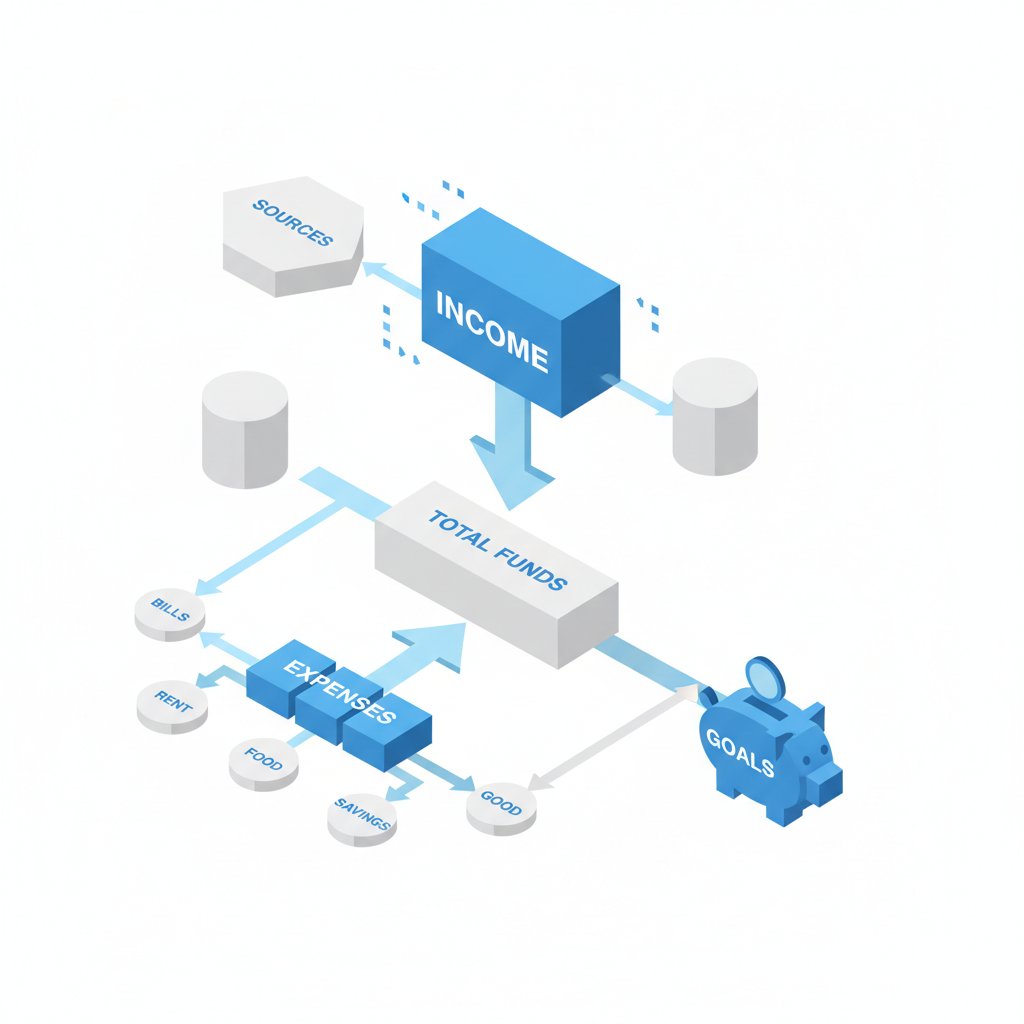
Every effective budget, regardless of its complexity or the method used, revolves around two fundamental pillars: income and expenses. Mastering these components is key to successful financial management.
Income: The Fuel for Your Financial Journey
Income refers to all the money you receive during a given period. This is the “fuel” that powers your financial life. Accurately tallying your income is the first step in painting a realistic financial picture.
- Fixed Income: This is money you can reliably expect to receive regularly, often in the same amount. Examples include your salary from an employer, guaranteed pension payments, or fixed rental income from a property.
- Variable Income: This type of income fluctuates from period to period. It can be harder to budget for but is crucial to account for. Examples include commissions, freelance earnings, tips, bonus payments, or proceeds from selling goods. If your income is highly variable, an effective strategy is to budget based on your lowest expected income, and treat any surplus as a bonus for savings or debt repayment.
- Other Income Sources: Don’t forget other potential inflows like interest from savings accounts, dividends from investments, or tax refunds. While these may not be regular, they should be factored in when they occur.
Expenses: Where Your Money Goes
Expenses are the costs you incur to maintain your lifestyle, pay for goods and services, and handle obligations. Categorizing your expenses is vital for identifying areas where you can save or optimize spending.
- Fixed Expenses: These are costs that typically remain the same amount each month and are difficult to change in the short term. They are often contractual obligations. Examples include rent or mortgage payments, car payments, insurance premiums, loan repayments, and subscription services.
- Variable Expenses: These costs fluctuate from month to month and offer the most flexibility for adjustment. This category is where most budgeting efforts focus. Examples include groceries, utilities (which can vary with usage), entertainment, dining out, transportation (gas, public transit), and clothing.
- Discretionary Expenses: A subset of variable expenses, discretionary spending refers to non-essential items or activities that you choose to spend money on. This is where your personal values often dictate consumption. Examples include going to the movies, hobbies, vacations, or designer clothing. Identifying discretionary spending is crucial for finding areas to cut back if needed.
- Non-Recurring/Periodic Expenses: These expenses don’t happen every month but are predictable over a longer timeframe. Ignoring them can derail your budget. Examples include annual car registration, holiday gifts, home maintenance, or yearly software subscriptions. It’s wise to set aside a small amount each month for these larger, less frequent costs.
By diligently tracking both your income and your expenses, you create a transparent financial landscape. This clarity is the bedrock upon which effective budgeting decisions are made.
Why Is a Budget Important? The Benefits of Financial Planning

[INLINE IMAGE 1: place after second H2 | alt=”what is a budget concept illustration”]
Beyond simply knowing where your money goes, having a budget offers a multitude of tangible benefits that can dramatically improve your financial health and overall well-being. It transforms abstract financial goals into concrete, achievable steps.
Gain Control and Reduce Financial Stress
One of the most significant advantages of budgeting is the sense of control it provides. When you understand your financial position, you’re less likely to be caught off guard by unexpected expenses or feel overwhelmed by debt. This proactive approach significantly reduces financial stress and anxiety, leading to greater peace of mind.
Identify and Achieve Financial Goals
Whether your goal is to save for a down payment on a house, fund a child’s education, pay off student loans, or save for retirement, a budget is the primary tool to get you there. It allows you to allocate specific amounts of money towards these goals, turning aspirations into actionable plans. Without a budget, financial goals often remain distant dreams.
Avoid Debt and Build Savings
A well-maintained budget helps prevent the accumulation of high-interest debt by ensuring you live within your means. By clearly seeing your income and outflow, you can identify if you’re spending more than you earn and adjust accordingly. Conversely, budgeting encourages and facilitates saving, helping you build an emergency fund, invest for the future, and save for large purchases without relying on credit.
Make Informed Spending Decisions
A budget isn’t just about restricting spending; it’s about prioritizing it. It helps you distinguish between needs and wants and ensures your spending aligns with your values. Knowing how much you have available for discretionary spending allows you to enjoy guilt-free purchases within your means, rather than wondering if you can afford that new gadget or vacation.
Prepare for Unexpected Expenses
Life is full of surprises, and not all of them are pleasant. Medical emergencies, car repairs, or job loss can quickly derail unprepared individuals. A budget, especially one that prioritizes an emergency fund, equips you to handle these unforeseen events without resorting to high-interest loans or credit cards, preserving your financial stability.
Improve Relationships (Less Money Stress)
Financial stress is a leading cause of conflict in relationships. When partners have a clear budget and shared financial goals, communication about money becomes more effective and less contentious. It fosters teamwork and a shared vision for the future, leading to stronger relationships.Learn more about improving financial communication with your partner.
How to Create a Budget: A Step-by-Step Guide
Creating a budget doesn’t have to be complicated. By following these structured steps, you can build an effective financial plan tailored to your needs. This process is iterative, meaning you’ll likely revisit and adjust it over time.
Step 1: Calculate Your Monthly Income
- Gather All Income Sources: List every source of income you have, including your primary salary, freelance work, side hustles, rental income, benefits, etc.
- Determine Net Income: Focus on your “take-home” pay – the amount that actually lands in your bank account after taxes, health insurance premiums, and retirement contributions have been deducted. If your income is variable, calculate an average over the past few months or use your lowest expected income as a conservative estimate.
Step 2: Track Your Spending and Identify Expenses
- Collect Financial Data: Gather bank statements, credit card statements, receipts, and any other records of your spending for the past 1-3 months.
- Categorize Expenses: Go through your transactions and group them into categories like housing, utilities, transportation, groceries, dining out, entertainment, debt payments, savings, etc. This step is critical for understanding where your money truly goes.
- Identify Fixed vs. Variable: Clearly distinguish between your fixed expenses (rent, loan payments) and your variable expenses (groceries, entertainment). Pay particular attention to variable spending, as this offers the most room for adjustments.
Step 3: Set Financial Goals
- Define Your Goals: What do you want your money to help you achieve? Be specific. Examples include building a $1,000 emergency fund, paying off $5,000 in credit card debt, saving $10,000 for a down payment, or taking a vacation.
- Prioritize and Attach Timelines: Not all goals are equally important or urgent. Prioritize them and give them realistic timelines (e.g., “save $1,000 in 6 months”).
Step 4: Create Your Budget Plan
- Subtract Expenses from Income: Now, compare your total monthly income to your total monthly expenses.
- If Income > Expenses: Congratulations! You have a surplus. Allocate this extra money aggressively towards your financial goals (savings, debt repayment, investments).
- If Income < Expenses: You are spending more than you earn. This is unsustainable and requires immediate action. You need to identify areas to cut back on spending.
- If Income = Expenses: This is a “zero-based budget” approach, aiming for every dollar to have a job.
- Allocate Funds: Assign specific amounts to each expense category. Be realistic and honest with yourself. This is where you make conscious decisions about how much you want to spend on groceries, entertainment, or saving for goals.
- Build in an “Unexpected” Buffer: It’s wise to include a small buffer category for miscellaneous or unexpected small expenses to avoid derailing your entire budget.
Step 5: Monitor and Adjust Your Budget Regularly
- Track Your Spending in Real-Time: This is crucial. Use a budgeting app, spreadsheet, or pen and paper to record your expenses as they happen. Compare your actual spending against your budgeted amounts.
- Review and Revise: Life changes, and so should your budget. Review your budget at least once a month (or weekly for the first few months) to see if it’s working. Are you consistently overspending in one category? Did your income change? Make adjustments as needed. A budget is a living document, not a static one.
- Stay Patient and Persistent: Budgeting is a skill that improves with practice. Don’t get discouraged by setbacks. Learn from them and keep refining your approach.
Popular Budgeting Methodologies Explained
[INLINE IMAGE 2: place after fourth H2 | alt=”what is a budget comparison illustration”]
There isn’t a one-size-fits-all approach to budgeting. Different methods suit different personalities and financial situations. Understanding these popular strategies can help you find the best fit for you.
The 50/30/20 Rule: Simplicity and Balance
Popularized by Senator Elizabeth Warren, the 50/30/20 rule is a straightforward budgeting guideline that allocates your after-tax income into three main categories:
- 50% for Needs: This includes essential expenses like housing (rent/mortgage), utilities, groceries, transportation, insurance, and minimum loan payments.
- 30% for Wants: This category covers discretionary spending that improves your quality of life but isn’t strictly essential. Examples include dining out, entertainment, hobbies, vacations, and shopping for non-essential items.
- 20% for Savings & Debt Repayment: This portion is dedicated to financial goals like building an emergency fund, contributing to retirement accounts, making extra debt payments (beyond the minimums), or investing.
Pros: Simple to understand and implement, provides a good balance, not overly restrictive.
Cons: May not be suitable for high-debt situations or very low incomes where needs might exceed 50%.
Best For: Beginners, those seeking a balanced approach, and individuals with a relatively stable income.
Zero-Based Budgeting: Giving Every Dollar a Job
Zero-based budgeting (ZBB) requires you to assign every dollar of your income to a specific purpose, whether it’s an expense, savings, or debt repayment, until your income minus your expenses equals zero. The goal isn’t to literally have zero dollars in your account, but for every dollar to have a designated job.Explore advanced strategies for tracking every dollar.
How it Works:
- List all your income for the month.
- Allocate every dollar to an expense category, savings goal, or debt payment.
- Ensure that Income – Expenses – Savings – Debt Repayment = 0.
Pros: Maximizes financial efficiency, provides extreme clarity on where every dollar goes, highly effective for reaching specific goals quickly.
Cons: Requires meticulous tracking and planning, can be time-consuming, less flexible if income fluctuates.
Best For: Those who want tight control over their money, individuals aiming to pay off debt rapidly, or those with highly detailed financial goals.
The Envelope System: A Tangible Approach to Spending
The envelope system is a cash-based budgeting method that involves allocating physical cash into different envelopes for various spending categories. Once an envelope is empty, you stop spending in that category for the rest of the month.
How it Works:
- Determine fixed limits for your variable cash expenses (e.g., groceries, dining out, entertainment).
- Withdraw the exact cash amount for each category at the beginning of your budgeting period.
- Place the cash into separate, clearly labeled envelopes.
- Only spend the cash from the relevant envelope.
Pros: Excellent for curbing overspending, creates a tangible connection to money, helpful for visual learners.
Cons: Can be inconvenient in a cashless society, not suitable for online purchases or large bills, security risks with carrying large amounts of cash.
Best For: People who struggle with overspending on credit cards, those who prefer a hands-on approach, or individuals looking to cut back significantly on variable expenses.
Pay Yourself First: Prioritizing Savings
This method isn’t a strict budgeting framework but a philosophy that can be integrated into any budget. The core idea is to prioritize savings and investments by automatically transferring a predetermined amount from your paycheck to your savings or investment accounts *before* you pay any bills or spend on other expenses.
Pros: Ensures consistent saving, automates wealth building, reduces the temptation to spend savings.
Cons: Still requires tracking remaining funds for expenses, doesn’t inherently manage spending directly.
Best For: Anyone serious about long-term wealth building, individuals who struggle to save consistently, or those with stable, predictable incomes.
Reverse Budgeting: Focus on the “Outcome”
Similar to “Pay Yourself First,” reverse budgeting focuses on achieving your savings goals first, then building your spending plan around the remaining funds. Instead of tracking every single expense, you ensure you hit your savings targets each month, and the rest is flexible for spending.
How it Works:
- Decide on your monthly savings goal (e.g., 20% of your income).
- Automatically transfer that amount to savings or investment accounts as soon as you get paid.
- Spend the remaining money as you see fit, ensuring you cover your needs.
Pros: Less restrictive for everyday spending, great for those who find detailed tracking cumbersome, prioritizes financial growth.
Cons: Can lead to overspending if not careful, still requires awareness of major fixed expenses.
Best For: People who have a good handle on their spending but struggle with consistent saving, higher-income earners, or those who prefer flexibility.
Tools and Resources for Effective Budgeting
The days of solely relying on pen and paper for budgeting are long gone. A plethora of tools and resources exist to simplify the process and make it more efficient.
Budgeting Apps and Software
These digital tools connect to your bank accounts and credit cards, automatically categorizing transactions and providing real-time insights into your spending. They often offer goal tracking, bill reminders, and visual reports.
- You Need a Budget (YNAB): A popular choice for zero-based budgeting, YNAB helps you allocate every dollar. It has a learning curve but is highly effective for detailed planning.
- Mint: A free, widely used app that aggregates all your financial accounts, tracks spending, creates budgets, and monitors bills.
- Personal Capital: While known for investment tracking, Personal Capital also offers robust free budgeting tools, including cash flow analysis and net worth tracking.
- Simplify: Formerly Quicken Simplifi, this app focuses on simple insights and actionable advice, making it easy to see your spending and projected cash flow.
Spreadsheets (Excel/Google Sheets)
For those who prefer a more hands-on approach or customizable solutions, spreadsheets are an excellent option. You can create your own from scratch or download free templates.diaalnews often provides free, customizable budget templates on its resource page.
Pros: Highly customizable, free (if you have the software or use Google Sheets), offers full control.
Cons: Requires manual data entry (unless integrated with third-party tools), less automated than dedicated apps, can be prone to human error.
Pen and Paper
Sometimes, the simplest method is the most effective, especially for beginners or those who prefer a tangible experience. A notebook and a few columns can be enough to get started.
Pros: Free, low-tech, immediate, can help in forming a strong connection to your spending.
Cons: No automation, requires consistent manual tracking, difficult to analyze trends over time without manual effort.
Online Banking and Credit Card Tools
Many banks and credit card companies now offer their own budgeting and spending analysis tools within their online portals. These can be a great starting point, automatically categorizing your transactions with less effort.
Pros: Integrated with your existing accounts, often free, simple overview.
Cons: Not always as robust as dedicated apps, may not integrate all your accounts from different institutions.
| Tool/Method | Key Features | Pros | Cons | Best For |
|---|---|---|---|---|
| Budgeting Apps (e.g., Mint, YNAB) | Automated transaction categorization, goal tracking, bill reminders, financial aggregation, reports. | Convenient, real-time insights, reduces manual effort, powerful analytics. | Subscription fees (for some), learning curve (YNAB), security concerns for linking accounts. | Tech-savvy users, those needing detailed insights, people with multiple accounts. |
| Spreadsheets (Excel/Google Sheets) | Customizable templates, manual input, formulas for calculations, graphing capabilities. | Full control, highly customizable, free (Google Sheets), deep understanding of finances. | Requires manual effort, risk of errors, no automation unless integrated. | Detail-oriented individuals, those who enjoy customization, advanced users. |
| Envelope System (Cash) | Physical cash in categorized envelopes, visual spending limits. | Effective for curbing overspending, creates tangible connection to money. | Inconvenient for online/card purchases, security risks, not suitable for all expenses. | Overspenders, visual learners, those wanting to strictly limit variable expenses. |
| Online Banking Tools | Built-in spending categorization, quick overview of transactions within your bank/card portal. | Easy access, no extra apps, often free, shows aggregated spending. | Limited features, may not combine all external accounts, less granular control. | Beginners, those wanting a basic overview, customers satisfied with existing bank features. |
| Pen and Paper | Manual logging of income and expenses in a notebook. | Simple, free, fosters direct engagement with finances, no technology required. | Time-consuming, no automation, difficult for analysis over time, easy to misplace. | Beginners, those who prefer low-tech, visual learners. |
Common Budgeting Challenges and How to Overcome Them
Even with the best intentions, budgeting can present challenges. Recognizing these obstacles and having strategies to overcome them is key to long-term success.
1. Inconsistent Tracking
One of the biggest pitfalls is not consistently tracking your spending. A budget is only as good as the data you feed it.
- Solution: Choose a method that fits your lifestyle. If apps are too much, try the envelope system for cash or dedicated spending cards for specific categories. Make tracking a daily or weekly habit – schedule 10 minutes at the end of each day or week to review transactions. Automate wherever possible by linking accounts to budgeting apps.
2. Unrealistic Expectations or Over-Restriction
Trying to cut back too drastically can lead to burnout and abandonment of your budget. If your budget is too tight, you’ll feel deprived and are more likely to give up.
- Solution: Start with small, manageable cuts. Allow for discretionary spending, even if it’s a small amount. A budget should empower you, not imprison you. Be kind to yourself; if you overspend one month, learn from it and adjust for the next. Gradual changes are more sustainable.
3. Ignoring Irregular/Annual Expenses
Many budgets focus solely on monthly income and expenses, forgetting about those larger, less frequent costs like car registration, holiday gifts, or home maintenance, which can then throw off your monthly plan.
- Solution: Create a “sinking fund” for these expenses. Estimate their annual cost, divide by 12, and set aside that amount monthly into a separate savings account. This way, the money is there when you need it, avoiding budget blowouts.
4. Lack of Clear Financial Goals
Without a “why,” it’s hard to stay motivated. If you don’t know what you’re saving for or why you’re restricting spending, your budget will feel pointless.
- Solution: Define specific, measurable, achievable, relevant, and time-bound (SMART) goals. Visualize achieving them. Post your goals where you can see them daily. Connect your budget to these goals – “I’m cutting back on dining out so I can save for my trip to Japan.”
5. Budget Fatigue and Burnout
Constantly thinking about money and tracking every penny can be mentally exhausting.
- Solution: Automate as much as you can (savings, bill payments). Review your budget weekly or bi-weekly instead of daily if that feels more manageable. Take a “budget break” for a week where you simply track without judgment, then return with fresh eyes. Focus on the bigger picture and remember why you started.
6. Relationship Money Conflicts
When budgeting with a partner, differing spending habits or financial philosophies can cause tension.
- Solution: Open and honest communication is essential. Schedule regular “money dates” to discuss finances without blame. Find a budgeting method you both agree on. Consider a “his, hers, and ours” system for discretionary spending, giving each person some individual financial autonomy within the larger budget.Discover strategies for harmonizing household finances.
Beyond the Basics: Advanced Budgeting Concepts and Smart Money Trends
Once you’ve mastered the fundamentals of budgeting, you can explore more advanced concepts and integrate modern money trends to further optimize your financial life in 2026 and beyond.
Cash Flow Management
While budgeting focuses on income vs. expenses, cash flow management is about the timing of money moving in and out of your accounts. Positive cash flow means more money is coming in than going out. Understanding and optimizing your cash flow helps prevent overdrafts and ensures you have liquidity when needed.
- Action: Synchronize bill payments with your paychecks. If you get paid bi-weekly, consider splitting monthly bills in half and paying them out of each check.
Net Worth Tracking
Beyond monthly cash flow, tracking your net worth (assets minus liabilities) provides a holistic view of your financial health over time. It shows whether your wealth is growing.
- Action: Use tools like Personal Capital or a detailed spreadsheet to track your assets (bank accounts, investments, real estate) and liabilities (loans, mortgages, credit card debt). Review it quarterly or annually.
Automated Savings and Investments
The “Pay Yourself First” principle is highly effective when automated. Setting up recurring transfers to savings, retirement accounts, and investment portfolios removes the temptation to spend the money.
- Action: Set up automatic transfers for the day after payday to your emergency fund, retirement accounts (401k, IRA), and brokerage accounts. Even small, consistent contributions add up significantly over time due to compounding.
Expense Automation and Subscription Management
In 2026, many services are subscription-based. It’s easy to lose track of what you’re paying for. Automating expense tracking and having a system for managing subscriptions is crucial.
- Action: Use budgeting apps to flag recurring subscriptions. Periodically review your bank and credit card statements for forgotten subscriptions. Utilize services that help you identify and cancel unwanted subscriptions.
Behavioral Economics and Money Psychology
Understanding why you spend the way you do can be more powerful than any budget spreadsheet. Concepts like “money scripts” (unconscious beliefs about money) and “present bias” (prioritizing immediate gratification over future rewards) can impact your budgeting success.
- Action: Practice mindful spending. Before a purchase, ask yourself: “Do I truly need this? Is it aligned with my values and goals? How will I feel about this purchase in a week/month/year?” Consider creating a “joy fund” for guilt-free spending on things you truly value, as long as it’s budgeted for.
Financial Independence, Retire Early (FIRE) Principles
The FIRE movement focuses on aggressive saving and investing to achieve financial independence much earlier than traditional retirement age. While extreme for some, its core tenets—maximizing savings rate, minimizing expenses, and investing wisely—are valuable even for those not pursuing FIRE.
- Action: Look for opportunities to significantly increase your savings rate. Evaluate every expense with an eye toward its long-term impact on your financial freedom.
The Ongoing Journey of Budgeting
Learning what a budget is and how to create one is merely the beginning. Budgeting is not a one-time event; it’s an ongoing process, a continuous conversation you have with your money. Your financial situation will evolve, your goals will shift, and unexpected events will occur. A flexible, adaptable budget is your greatest ally in navigating these changes.
Embrace the mindset that your budget is a living document. It’s a tool to serve you, not the other way around. Regular review and adjustment are paramount to its effectiveness. Celebrate your small wins – hitting a savings goal, paying off a debt, or simply sticking to your grocery budget for a month. These small victories build momentum and reinforce positive financial habits.
Ultimately, a budget empowers you to make intentional choices, build wealth, and live a life aligned with your deepest aspirations. It transforms the often-daunting world of personal finance into a clear, manageable path toward financial peace and prosperity. The journey may have its bumps, but with a well-crafted and regularly maintained budget, you are well on your way to mastering your money and achieving your financial dreams.
Frequently Asked Questions
Q1: Why is a budget important?
A1: A budget is crucial because it gives you control over your money, reduces financial stress, helps you identify and achieve financial goals (like saving for a house or retirement), avoids debt, and prepares you for unexpected expenses. It’s a roadmap that ensures your spending aligns with your values and long-term aspirations.
Q2: What is the 50/30/20 budget rule?
A2: The 50/30/20 rule is a simple budgeting guideline that suggests allocating your after-tax income this way: 50% for Needs (essentials like housing, utilities, groceries), 30% for Wants (discretionary spending like dining out, entertainment), and 20% for Savings & Debt Repayment (emergency fund, retirement, extra debt payments). It’s popular for its straightforwardness and balance.
Q3: What is the difference between a budget and a financial plan?
A3: A budget is a short-term, detailed plan for how you will spend and save your money over a specific period (e.g., month-to-month), focusing on managing cash flow. A financial plan is a broader, long-term strategy that encompasses various aspects of your financial life, including budgeting, investing, retirement planning, insurance, estate planning, and debt management, all aimed at achieving your overall life goals.
Q4: How often should I review my budget?
A4: Ideally, you should review your budget at least once a month. This allows you to track actual spending against your plan, note any discrepancies, and make necessary adjustments. During the initial months of budgeting, or if your income or expenses frequently change, a weekly review might be more beneficial to ensure you stay on track.
Q5: Is it okay to go over budget in a category sometimes?
A5: Yes, it’s perfectly normal and happens to everyone. A budget is a tool, not a rigid prison. The key is to acknowledge it, understand why it happened, and then make adjustments for the future. You might need to move funds from another category, cut back elsewhere, or simply adjust your budget for that category going forward. Consistency and learning from your spending patterns are more important than perfection.
What Is a Budget? Definition, Types & How to Create One
Affiliate disclosure: This article may contain affiliate links. Recommendations are independent and editorially driven.
At its core, a budget is a detailed financial plan that outlines your projected income and anticipated expenses over a specific period, typically a month. It acts as a roadmap, guiding your spending and saving decisions to help you achieve financial stability and reach specific money goals.
For many, the word “budget” conjures images of restrictive financial diets and endless spreadsheets. However, in reality, a budget is one of the most empowering tools in personal finance. It’s not about deprivation; it’s about making conscious choices with your money so that your spending aligns with your values and long-term aspirations. Whether you’re aiming to save for a down payment, pay off debt, build an emergency fund, or simply gain a clearer picture of where your money goes, understanding “what is a budget” is the first critical step.
This comprehensive guide from diaalnews will demystify budgeting, explore its various forms, and provide you with actionable steps to create a budget that works for your unique financial situation. We’ll dive into the fundamental principles, common methodologies, and practical tips to transform your financial life.
Understanding the Core Components of a Budget
Every effective budget, regardless of its complexity or the method used, revolves around two fundamental pillars: income and expenses. Mastering these components is key to successful financial management.
Income: The Fuel for Your Financial Journey
Income refers to all the money you receive during a given period. This is the “fuel” that powers your financial life. Accurately tallying your income is the first step in painting a realistic financial picture.
- Fixed Income: This is money you can reliably expect to receive regularly, often in the same amount. Examples include your salary from an employer, guaranteed pension payments, or fixed rental income from a property.
- Variable Income: This type of income fluctuates from period to period. It can be harder to budget for but is crucial to account for. Examples include commissions, freelance earnings, tips, bonus payments, or proceeds from selling goods. If your income is highly variable, an effective strategy is to budget based on your lowest expected income, and treat any surplus as a bonus for savings or debt repayment.
- Other Income Sources: Don’t forget other potential inflows like interest from savings accounts, dividends from investments, or tax refunds. While these may not be regular, they should be factored in when they occur.
Expenses: Where Your Money Goes
Expenses are the costs you incur to maintain your lifestyle, pay for goods and services, and handle obligations. Categorizing your expenses is vital for identifying areas where you can save or optimize spending.
- Fixed Expenses: These are costs that typically remain the same amount each month and are difficult to change in the short term. They are often contractual obligations. Examples include rent or mortgage payments, car payments, insurance premiums, loan repayments, and subscription services.
- Variable Expenses: These costs fluctuate from month to month and offer the most flexibility for adjustment. This category is where most budgeting efforts focus. Examples include groceries, utilities (which can vary with usage), entertainment, dining out, transportation (gas, public transit), and clothing.
- Discretionary Expenses: A subset of variable expenses, discretionary spending refers to non-essential items or activities that you choose to spend money on. This is where your personal values often dictate consumption. Examples include going to the movies, hobbies, vacations, or designer clothing. Identifying discretionary spending is crucial for finding areas to cut back if needed.
- Non-Recurring/Periodic Expenses: These expenses don’t happen every month but are predictable over a longer timeframe. Ignoring them can derail your budget. Examples include annual car registration, holiday gifts, home maintenance, or yearly software subscriptions. It’s wise to set aside a small amount each month for these larger, less frequent costs.
By diligently tracking both your income and your expenses, you create a transparent financial landscape. This clarity is the bedrock upon which effective budgeting decisions are made.
Why Is a Budget Important? The Benefits of Financial Planning
[INLINE IMAGE 1: place after second H2 | alt=”what is a budget concept illustration”]
Beyond simply knowing where your money goes, having a budget offers a multitude of tangible benefits that can dramatically improve your financial health and overall well-being. It transforms abstract financial goals into concrete, achievable steps.
Gain Control and Reduce Financial Stress
One of the most significant advantages of budgeting is the sense of control it provides. When you understand your financial position, you’re less likely to be caught off guard by unexpected expenses or feel overwhelmed by debt. This proactive approach significantly reduces financial stress and anxiety, leading to greater peace of mind.
Identify and Achieve Financial Goals
Whether your goal is to save for a down payment on a house, fund a child’s education, pay off student loans, or save for retirement, a budget is the primary tool to get you there. It allows you to allocate specific amounts of money towards these goals, turning aspirations into actionable plans. Without a budget, financial goals often remain distant dreams.
Avoid Debt and Build Savings
A well-maintained budget helps prevent the accumulation of high-interest debt by ensuring you live within your means. By clearly seeing your income and outflow, you can identify if you’re spending more than you earn and adjust accordingly. Conversely, budgeting encourages and facilitates saving, helping you build an emergency fund, invest for the future, and save for large purchases without relying on credit.
Make Informed Spending Decisions
A budget isn’t just about restricting spending; it’s about prioritizing it. It helps you distinguish between needs and wants and ensures your spending aligns with your values. Knowing how much you have available for discretionary spending allows you to enjoy guilt-free purchases within your means, rather than wondering if you can afford that new gadget or vacation.
Prepare for Unexpected Expenses
Life is full of surprises, and not all of them are pleasant. Medical emergencies, car repairs, or job loss can quickly derail unprepared individuals. A budget, especially one that prioritizes an emergency fund, equips you to handle these unforeseen events without resorting to high-interest loans or credit cards, preserving your financial stability.
Improve Relationships (Less Money Stress)
Financial stress is a leading cause of conflict in relationships. When partners have a clear budget and shared financial goals, communication about money becomes more effective and less contentious. It fosters teamwork and a shared vision for the future, leading to stronger relationships.Learn more about improving financial communication with your partner.
How to Create a Budget: A Step-by-Step Guide
Creating a budget doesn’t have to be complicated. By following these structured steps, you can build an effective financial plan tailored to your needs. This process is iterative, meaning you’ll likely revisit and adjust it over time.
Step 1: Calculate Your Monthly Income
- Gather All Income Sources: List every source of income you have, including your primary salary, freelance work, side hustles, rental income, benefits, etc.
- Determine Net Income: Focus on your “take-home” pay – the amount that actually lands in your bank account after taxes, health insurance premiums, and retirement contributions have been deducted. If your income is variable, calculate an average over the past few months or use your lowest expected income as a conservative estimate.
Step 2: Track Your Spending and Identify Expenses
- Collect Financial Data: Gather bank statements, credit card statements, receipts, and any other records of your spending for the past 1-3 months.
- Categorize Expenses: Go through your transactions and group them into categories like housing, utilities, transportation, groceries, dining out, entertainment, debt payments, savings, etc. This step is critical for understanding where your money truly goes.
- Identify Fixed vs. Variable: Clearly distinguish between your fixed expenses (rent, loan payments) and your variable expenses (groceries, entertainment). Pay particular attention to variable spending, as this offers the most room for adjustments.
Step 3: Set Financial Goals
- Define Your Goals: What do you want your money to help you achieve? Be specific. Examples include building a $1,000 emergency fund, paying off $5,000 in credit card debt, saving $10,000 for a down payment, or taking a vacation.
- Prioritize and Attach Timelines: Not all goals are equally important or urgent. Prioritize them and give them realistic timelines (e.g., “save $1,000 in 6 months”).
Step 4: Create Your Budget Plan
- Subtract Expenses from Income: Now, compare your total monthly income to your total monthly expenses.
- If Income > Expenses: Congratulations! You have a surplus. Allocate this extra money aggressively towards your financial goals (savings, debt repayment, investments).
- If Income < Expenses: You are spending more than you earn. This is unsustainable and requires immediate action. You need to identify areas to cut back on spending.
- If Income = Expenses: This is a “zero-based budget” approach, aiming for every dollar to have a job.
- Allocate Funds: Assign specific amounts to each expense category. Be realistic and honest with yourself. This is where you make conscious decisions about how much you want to spend on groceries, entertainment, or saving for goals.
- Build in an “Unexpected” Buffer: It’s wise to include a small buffer category for miscellaneous or unexpected small expenses to avoid derailing your entire budget.
Step 5: Monitor and Adjust Your Budget Regularly
- Track Your Spending in Real-Time: This is crucial. Use a budgeting app, spreadsheet, or pen and paper to record your expenses as they happen. Compare your actual spending against your budgeted amounts.
- Review and Revise: Life changes, and so should your budget. Review your budget at least once a month (or weekly for the first few months) to see if it’s working. Are you consistently overspending in one category? Did your income change? Make adjustments as needed. A budget is a living document, not a static one.
- Stay Patient and Persistent: Budgeting is a skill that improves with practice. Don’t get discouraged by setbacks. Learn from them and keep refining your approach.
Popular Budgeting Methodologies Explained
[INLINE IMAGE 2: place after fourth H2 | alt=”what is a budget comparison illustration”]
There isn’t a one-size-fits-all approach to budgeting. Different methods suit different personalities and financial situations. Understanding these popular strategies can help you find the best fit for you.
The 50/30/20 Rule: Simplicity and Balance
Popularized by Senator Elizabeth Warren, the 50/30/20 rule is a straightforward budgeting guideline that allocates your after-tax income into three main categories:
- 50% for Needs: This includes essential expenses like housing (rent/mortgage), utilities, groceries, transportation, insurance, and minimum loan payments.
- 30% for Wants: This category covers discretionary spending that improves your quality of life but isn’t strictly essential. Examples include dining out, entertainment, hobbies, vacations, and shopping for non-essential items.
- 20% for Savings & Debt Repayment: This portion is dedicated to financial goals like building an emergency fund, contributing to retirement accounts, making extra debt payments (beyond the minimums), or investing.
Pros: Simple to understand and implement, provides a good balance, not overly restrictive.
Cons: May not be suitable for high-debt situations or very low incomes where needs might exceed 50%.
Best For: Beginners, those seeking a balanced approach, and individuals with a relatively stable income.
Zero-Based Budgeting: Giving Every Dollar a Job
Zero-based budgeting (ZBB) requires you to assign every dollar of your income to a specific purpose, whether it’s an expense, savings, or debt repayment, until your income minus your expenses equals zero. The goal isn’t to literally have zero dollars in your account, but for every dollar to have a designated job.Explore advanced strategies for tracking every dollar.
How it Works:
- List all your income for the month.
- Allocate every dollar to an expense category, savings goal, or debt payment.
- Ensure that Income – Expenses – Savings – Debt Repayment = 0.
Pros: Maximizes financial efficiency, provides extreme clarity on where every dollar goes, highly effective for reaching specific goals quickly.
Cons: Requires meticulous tracking and planning, can be time-consuming, less flexible if income fluctuates.
Best For: Those who want tight control over their money, individuals aiming to pay off debt rapidly, or those with highly detailed financial goals.
The Envelope System: A Tangible Approach to Spending
The envelope system is a cash-based budgeting method that involves allocating physical cash into different envelopes for various spending categories. Once an envelope is empty, you stop spending in that category for the rest of the month.
How it Works:
- Determine fixed limits for your variable cash expenses (e.g., groceries, dining out, entertainment).
- Withdraw the exact cash amount for each category at the beginning of your budgeting period.
- Place the cash into separate, clearly labeled envelopes.
- Only spend the cash from the relevant envelope.
Pros: Excellent for curbing overspending, creates a tangible connection to money, helpful for visual learners.
Cons: Can be inconvenient in a cashless society, not suitable for online purchases or large bills, security risks with carrying large amounts of cash.
Best For: People who struggle with overspending on credit cards, those who prefer a hands-on approach, or individuals looking to cut back significantly on variable expenses.
Pay Yourself First: Prioritizing Savings
This method isn’t a strict budgeting framework but a philosophy that can be integrated into any budget. The core idea is to prioritize savings and investments by automatically transferring a predetermined amount from your paycheck to your savings or investment accounts *before* you pay any bills or spend on other expenses.
Pros: Ensures consistent saving, automates wealth building, reduces the temptation to spend savings.
Cons: Still requires tracking remaining funds for expenses, doesn’t inherently manage spending directly.
Best For: Anyone serious about long-term wealth building, individuals who struggle to save consistently, or those with stable, predictable incomes.
Reverse Budgeting: Focus on the “Outcome”
Similar to “Pay Yourself First,” reverse budgeting focuses on achieving your savings goals first, then building your spending plan around the remaining funds. Instead of tracking every single expense, you ensure you hit your savings targets each month, and the rest is flexible for spending.
How it Works:
- Decide on your monthly savings goal (e.g., 20% of your income).
- Automatically transfer that amount to savings or investment accounts as soon as you get paid.
- Spend the remaining money as you see fit, ensuring you cover your needs.
Pros: Less restrictive for everyday spending, great for those who find detailed tracking cumbersome, prioritizes financial growth.
Cons: Can lead to overspending if not careful, still requires awareness of major fixed expenses.
Best For: People who have a good handle on their spending but struggle with consistent saving, higher-income earners, or those who prefer flexibility.
Tools and Resources for Effective Budgeting
The days of solely relying on pen and paper for budgeting are long gone. A plethora of tools and resources exist to simplify the process and make it more efficient.
Budgeting Apps and Software
These digital tools connect to your bank accounts and credit cards, automatically categorizing transactions and providing real-time insights into your spending. They often offer goal tracking, bill reminders, and visual reports.
- You Need a Budget (YNAB): A popular choice for zero-based budgeting, YNAB helps you allocate every dollar. It has a learning curve but is highly effective for detailed planning.
- Mint: A free, widely used app that aggregates all your financial accounts, tracks spending, creates budgets, and monitors bills.
- Personal Capital: While known for investment tracking, Personal Capital also offers robust free budgeting tools, including cash flow analysis and net worth tracking.
- Simplify: Formerly Quicken Simplifi, this app focuses on simple insights and actionable advice, making it easy to see your spending and projected cash flow.
Spreadsheets (Excel/Google Sheets)
For those who prefer a more hands-on approach or customizable solutions, spreadsheets are an excellent option. You can create your own from scratch or download free templates.diaalnews often provides free, customizable budget templates on its resource page.
Pros: Highly customizable, free (if you have the software or use Google Sheets), offers full control.
Cons: Requires manual data entry (unless integrated with third-party tools), less automated than dedicated apps, can be prone to human error.
Pen and Paper
Sometimes, the simplest method is the most effective, especially for beginners or those who prefer a tangible experience. A notebook and a few columns can be enough to get started.
Pros: Free, low-tech, immediate, can help in forming a strong connection to your spending.
Cons: No automation, requires consistent manual tracking, difficult to analyze trends over time without manual effort.
Online Banking and Credit Card Tools
Many banks and credit card companies now offer their own budgeting and spending analysis tools within their online portals. These can be a great starting point, automatically categorizing your transactions with less effort.
Pros: Integrated with your existing accounts, often free, simple overview.
Cons: Not always as robust as dedicated apps, may not integrate all your accounts from different institutions.
| Tool/Method | Key Features | Pros | Cons | Best For |
|---|---|---|---|---|
| Budgeting Apps (e.g., Mint, YNAB) | Automated transaction categorization, goal tracking, bill reminders, financial aggregation, reports. | Convenient, real-time insights, reduces manual effort, powerful analytics. | Subscription fees (for some), learning curve (YNAB), security concerns for linking accounts. | Tech-savvy users, those needing detailed insights, people with multiple accounts. |
| Spreadsheets (Excel/Google Sheets) | Customizable templates, manual input, formulas for calculations, graphing capabilities. | Full control, highly customizable, free (Google Sheets), deep understanding of finances. | Requires manual effort, risk of errors, no automation unless integrated. | Detail-oriented individuals, those who enjoy customization, advanced users. |
| Envelope System (Cash) | Physical cash in categorized envelopes, visual spending limits. | Effective for curbing overspending, creates tangible connection to money. | Inconvenient for online/card purchases, security risks, not suitable for all expenses. | Overspenders, visual learners, those wanting to strictly limit variable expenses. |
| Online Banking Tools | Built-in spending categorization, quick overview of transactions within your bank/card portal. | Easy access, no extra apps, often free, shows aggregated spending. | Limited features, may not combine all external accounts, less granular control. | Beginners, those wanting a basic overview, customers satisfied with existing bank features. |
| Pen and Paper | Manual logging of income and expenses in a notebook. | Simple, free, fosters direct engagement with finances, no technology required. | Time-consuming, no automation, difficult for analysis over time, easy to misplace. | Beginners, those who prefer low-tech, visual learners. |
Common Budgeting Challenges and How to Overcome Them
Even with the best intentions, budgeting can present challenges. Recognizing these obstacles and having strategies to overcome them is key to long-term success.
1. Inconsistent Tracking
One of the biggest pitfalls is not consistently tracking your spending. A budget is only as good as the data you feed it.
- Solution: Choose a method that fits your lifestyle. If apps are too much, try the envelope system for cash or dedicated spending cards for specific categories. Make tracking a daily or weekly habit – schedule 10 minutes at the end of each day or week to review transactions. Automate wherever possible by linking accounts to budgeting apps.
2. Unrealistic Expectations or Over-Restriction
Trying to cut back too drastically can lead to burnout and abandonment of your budget. If your budget is too tight, you’ll feel deprived and are more likely to give up.
- Solution: Start with small, manageable cuts. Allow for discretionary spending, even if it’s a small amount. A budget should empower you, not imprison you. Be kind to yourself; if you overspend one month, learn from it and adjust for the next. Gradual changes are more sustainable.
3. Ignoring Irregular/Annual Expenses
Many budgets focus solely on monthly income and expenses, forgetting about those larger, less frequent costs like car registration, holiday gifts, or home maintenance, which can then throw off your monthly plan.
- Solution: Create a “sinking fund” for these expenses. Estimate their annual cost, divide by 12, and set aside that amount monthly into a separate savings account. This way, the money is there when you need it, avoiding budget blowouts.
4. Lack of Clear Financial Goals
Without a “why,” it’s hard to stay motivated. If you don’t know what you’re saving for or why you’re restricting spending, your budget will feel pointless.
- Solution: Define specific, measurable, achievable, relevant, and time-bound (SMART) goals. Visualize achieving them. Post your goals where you can see them daily. Connect your budget to these goals – “I’m cutting back on dining out so I can save for my trip to Japan.”
5. Budget Fatigue and Burnout
Constantly thinking about money and tracking every penny can be mentally exhausting.
- Solution: Automate as much as you can (savings, bill payments). Review your budget weekly or bi-weekly instead of daily if that feels more manageable. Take a “budget break” for a week where you simply track without judgment, then return with fresh eyes. Focus on the bigger picture and remember why you started.
6. Relationship Money Conflicts
When budgeting with a partner, differing spending habits or financial philosophies can cause tension.
- Solution: Open and honest communication is essential. Schedule regular “money dates” to discuss finances without blame. Find a budgeting method you both agree on. Consider a “his, hers, and ours” system for discretionary spending, giving each person some individual financial autonomy within the larger budget.Discover strategies for harmonizing household finances.
Beyond the Basics: Advanced Budgeting Concepts and Smart Money Trends
Once you’ve mastered the fundamentals of budgeting, you can explore more advanced concepts and integrate modern money trends to further optimize your financial life in 2026 and beyond.
Cash Flow Management
While budgeting focuses on income vs. expenses, cash flow management is about the timing of money moving in and out of your accounts. Positive cash flow means more money is coming in than going out. Understanding and optimizing your cash flow helps prevent overdrafts and ensures you have liquidity when needed.
- Action: Synchronize bill payments with your paychecks. If you get paid bi-weekly, consider splitting monthly bills in half and paying them out of each check.
Net Worth Tracking
Beyond monthly cash flow, tracking your net worth (assets minus liabilities) provides a holistic view of your financial health over time. It shows whether your wealth is growing.
- Action: Use tools like Personal Capital or a detailed spreadsheet to track your assets (bank accounts, investments, real estate) and liabilities (loans, mortgages, credit card debt). Review it quarterly or annually.
Automated Savings and Investments
The “Pay Yourself First” principle is highly effective when automated. Setting up recurring transfers to savings, retirement accounts, and investment portfolios removes the temptation to spend the money.
- Action: Set up automatic transfers for the day after payday to your emergency fund, retirement accounts (401k, IRA), and brokerage accounts. Even small, consistent contributions add up significantly over time due to compounding.
Expense Automation and Subscription Management
In 2026, many services are subscription-based. It’s easy to lose track of what you’re paying for. Automating expense tracking and having a system for managing subscriptions is crucial.
- Action: Use budgeting apps to flag recurring subscriptions. Periodically review your bank and credit card statements for forgotten subscriptions. Utilize services that help you identify and cancel unwanted subscriptions.
Behavioral Economics and Money Psychology
Understanding why you spend the way you do can be more powerful than any budget spreadsheet. Concepts like “money scripts” (unconscious beliefs about money) and “present bias” (prioritizing immediate gratification over future rewards) can impact your budgeting success.
- Action: Practice mindful spending. Before a purchase, ask yourself: “Do I truly need this? Is it aligned with my values and goals? How will I feel about this purchase in a week/month/year?” Consider creating a “joy fund” for guilt-free spending on things you truly value, as long as it’s budgeted for.
Financial Independence, Retire Early (FIRE) Principles
The FIRE movement focuses on aggressive saving and investing to achieve financial independence much earlier than traditional retirement age. While extreme for some, its core tenets—maximizing savings rate, minimizing expenses, and investing wisely—are valuable even for those not pursuing FIRE.
- Action: Look for opportunities to significantly increase your savings rate. Evaluate every expense with an eye toward its long-term impact on your financial freedom.
The Ongoing Journey of Budgeting
Learning what a budget is and how to create one is merely the beginning. Budgeting is not a one-time event; it’s an ongoing process, a continuous conversation you have with your money. Your financial situation will evolve, your goals will shift, and unexpected events will occur. A flexible, adaptable budget is your greatest ally in navigating these changes.
Embrace the mindset that your budget is a living document. It’s a tool to serve you, not the other way around. Regular review and adjustment are paramount to its effectiveness. Celebrate your small wins – hitting a savings goal, paying off a debt, or simply sticking to your grocery budget for a month. These small victories build momentum and reinforce positive financial habits.
Ultimately, a budget empowers you to make intentional choices, build wealth, and live a life aligned with your deepest aspirations. It transforms the often-daunting world of personal finance into a clear, manageable path toward financial peace and prosperity. The journey may have its bumps, but with a well-crafted and regularly maintained budget, you are well on your way to mastering your money and achieving your financial dreams.
Frequently Asked Questions
Q1: Why is a budget important?
A1: A budget is crucial because it gives you control over your money, reduces financial stress, helps you identify and achieve financial goals (like saving for a house or retirement), avoids debt, and prepares you for unexpected expenses. It’s a roadmap that ensures your spending aligns with your values and long-term aspirations.
Q2: What is the 50/30/20 budget rule?
A2: The 50/30/20 rule is a simple budgeting guideline that suggests allocating your after-tax income this way: 50% for Needs (essentials like housing, utilities, groceries), 30% for Wants (discretionary spending like dining out, entertainment), and 20% for Savings & Debt Repayment (emergency fund, retirement, extra debt payments). It’s popular for its straightforwardness and balance.
Q3: What is the difference between a budget and a financial plan?
A3: A budget is a short-term, detailed plan for how you will spend and save your money over a specific period (e.g., month-to-month), focusing on managing cash flow. A financial plan is a broader, long-term strategy that encompasses various aspects of your financial life, including budgeting, investing, retirement planning, insurance, estate planning, and debt management, all aimed at achieving your overall life goals.
Q4: How often should I review my budget?
A4: Ideally, you should review your budget at least once a month. This allows you to track actual spending against your plan, note any discrepancies, and make necessary adjustments. During the initial months of budgeting, or if your income or expenses frequently change, a weekly review might be more beneficial to ensure you stay on track.
Q5: Is it okay to go over budget in a category sometimes?
A5: Yes, it’s perfectly normal and happens to everyone. A budget is a tool, not a rigid prison. The key is to acknowledge it, understand why it happened, and then make adjustments for the future. You might need to move funds from another category, cut back elsewhere, or simply adjust your budget for that category going forward. Consistency and learning from your spending patterns are more important than perfection.