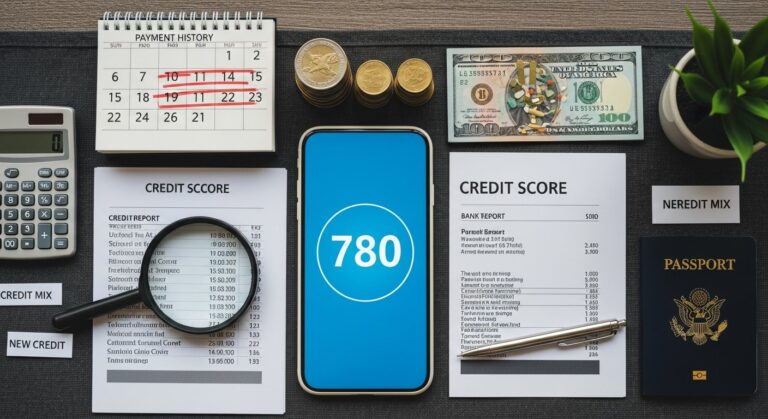
What is a Credit Score? Your Essential Guide to Financial Health and Opportunity
Affiliate disclosure: This article may contain affiliate links. Recommendations are independent and editorially driven.
In the intricate world of personal finance, few numbers hold as much sway over your financial future as your credit score. Far from being an abstract concept, understanding “what is a credit score” is fundamental to navigating everything from securing a loan for a home to getting the best rates on car insurance, and even determining whether you can rent an apartment. In 2026, a strong credit score is not just a nice-to-have; it’s a vital asset, a numerical representation of your financial trustworthiness that lenders and other entities use to assess risk.
For many, the credit score remains shrouded in mystery, a three-digit number that appears to fluctuate without clear reason. This comprehensive guide from diaalnews aims to demystify the credit score, breaking down its components, explaining its profound impact, and providing actionable strategies for building, maintaining, and improving yours. Whether you’re just starting your financial journey, looking to make a major purchase, or simply want to optimize your financial health, a deep understanding of your credit score is your first crucial step.
Unpacking the Fundamentals: What Exactly is a Credit Score?
At its core, a credit score is a numerical summary derived from the information in your credit report. It’s designed to predict the likelihood that you will repay borrowed money on time. Think of it as a financial report card, where a higher score signifies a lower risk to potential lenders. This score is not static; it evolves as your financial behavior changes over time, reflecting your history of borrowing and repaying debt.
Defining the Credit Score: A Numerical Snapshot
A credit score is typically a three-digit number, ranging from 300 to 850 (though some specialized scores may have different ranges). These scores are generated by complex algorithms developed by credit scoring models. The most widely recognized models are FICO (Fair Isaac Corporation) and VantageScore. While they use slightly different methodologies, their fundamental goal is the same: to provide a quick, objective assessment of your creditworthiness.
When a lender considers offering you a loan or credit card, they want to gauge the risk involved. Your credit score acts as a shortcut, distilling hundreds of pieces of data from your credit report into a single, easy-to-understand figure. It helps them decide not only whether to approve your application but also what interest rate and terms to offer you. A higher score often translates to more favorable terms, saving you potentially thousands of dollars over the life of a loan.
The Purpose and Power of Your Score
The primary purpose of a credit score is risk assessment. For lenders, it’s a tool to predict who will honor their financial commitments and who might default. But its influence extends far beyond just loans and credit cards. Your credit score is a powerful determinant in many aspects of your financial and personal life:
- Loan Approvals and Interest Rates: From mortgages and auto loans to personal loans, your score directly impacts your eligibility and the cost of borrowing.
- Credit Card Offers: It determines the types of cards you qualify for, their credit limits, and interest rates.
- Renting an Apartment: Landlords often check credit scores to assess a prospective tenant’s reliability.
- Insurance Premiums: In many states, insurance companies use credit-based insurance scores (derived from your credit report data) to help determine your premiums for auto and home insurance.
- Utility Services: Sometimes, utility companies may require a deposit if your credit score is low, indicating a higher risk of non-payment.
- Employment Screening: While less common for general employment, certain sensitive positions, especially those involving financial responsibilities, may involve a credit check (though this is typically a “soft inquiry” that doesn’t impact your score).
Understanding this pervasive power is the first step towards taking control of your financial destiny. Your credit score isn’t just a number; it’s a key to unlocking opportunities and securing better financial terms.
Key Players: Credit Bureaus and Scoring Models
Behind every credit score are two main types of entities: credit bureaus and credit scoring models.
- Credit Bureaus (Credit Reporting Agencies): In the United States, the three major credit bureaus are Equifax, Experian, and TransUnion. These are private companies that collect and maintain your credit information. Lenders, creditors, and other entities report your payment history, account balances, and other credit-related activities to these bureaus. Each bureau compiles its own version of your credit report, which may vary slightly depending on which lenders report to which bureau.
- Credit Scoring Models: These are the proprietary algorithms that analyze the data in your credit report to generate your credit score. The two dominant models are:
- FICO: The oldest and most widely used scoring model, developed by the Fair Isaac Corporation. There are many versions of FICO scores (e.g., FICO Score 8, FICO Score 9, industry-specific FICO scores for mortgages, auto loans, etc.).
- VantageScore: A newer model developed collaboratively by the three major credit bureaus. VantageScore aims to make credit scores more accessible and often can score individuals with shorter credit histories.
Because there are multiple bureaus and multiple scoring models, it’s common to have several different credit scores at any given time. While they often fall within a similar range, a lender might use a specific version of a FICO score for a mortgage application, while a credit card issuer might use a VantageScore. This variability is normal and doesn’t mean one score is “more correct” than another, but it underscores the importance of understanding the factors that generally influence all scores.
[INLINE IMAGE 1: place after second H2 | alt=”what is a credit score concept illustration”]
The Anatomy of Your Score: What Data Goes Into It?
While the exact algorithms used by FICO and VantageScore are proprietary, they publicly disclose the key categories of information they consider and their approximate weighting. Understanding these categories is crucial for anyone aiming to improve their credit score. This section delves into the five primary factors that contribute to the calculation of your credit score.
Payment History: The Cornerstone of Your Credit
Weight: Approximately 35% of your FICO Score and a significant factor in VantageScore.
Your payment history is by far the most important factor in your credit score. It reflects your track record of paying your debts on time. Lenders want to see consistent, timely payments because it’s the strongest indicator of future financial responsibility. Every payment you make on credit cards, loans (mortgages, auto, student, personal), and even some utility bills (if reported) is noted on your credit report. Conversely, late payments, missed payments, defaults, bankruptcies, repossessions, and collections accounts will significantly harm your score.
- On-time Payments: Making at least the minimum payment by the due date every single time is paramount.
- Late Payments: Payments reported 30, 60, 90, or more days late will have a progressively negative impact. A single 30-day late payment can drop an excellent score by dozens of points.
- Severity and Frequency: The more severe (e.g., 90 days late vs. 30 days late) and frequent your late payments, the greater the damage to your score.
- Public Records: Bankruptcies, foreclosures, and judgments are severe derogatory marks that stay on your report for up to 7-10 years and significantly depress your score.
Establishing a flawless payment history is the single most impactful action you can take to build and maintain a high credit score. Automation, reminders, and careful budgeting are your best allies here.
Amounts Owed: Credit Utilization Ratio Explained
Weight: Approximately 30% of your FICO Score and a highly influential factor in VantageScore.
This category looks at how much credit you are currently using compared to the total amount of credit available to you. This is often expressed as a “credit utilization ratio.” For example, if you have a credit card with a $10,000 limit and you owe $2,000, your utilization is 20% ($2,000 / $10,000). This factor applies to revolving credit accounts like credit cards and lines of credit, not installment loans (like mortgages or auto loans) where the balance naturally decreases over time.
- The “30% Rule”: A widely cited guideline is to keep your overall credit utilization below 30% across all your credit cards. For instance, if you have three cards with total limits of $15,000, try to keep your combined balance under $4,500. Lower is always better, with the optimal being under 10%.
- Individual Card Utilization: Lenders also look at the utilization on individual cards, so keeping balances low on each card is important.
- High Balances: Maxing out credit cards or consistently carrying high balances signals a higher risk to lenders, suggesting you might be financially overextended.
- Revolving Debt vs. Installment Debt: This category primarily focuses on revolving debt. While installment loan balances are reported, their impact on this specific factor is generally different.
Managing your credit utilization is dynamic. Even if you pay your bill in full each month, your reported balance might be high if it’s captured before your payment clears. Paying down balances mid-cycle or before the statement closing date can sometimes help optimize this factor.
Length of Credit History: Time and Trust
Weight: Approximately 15% of your FICO Score and an important factor in VantageScore.
This factor considers how long your credit accounts have been open and the average age of all your accounts. A longer credit history generally demonstrates more experience managing credit, which lenders view favorably. It provides a more extensive track record for them to evaluate.
- Age of Oldest Account: The older your oldest open account, the better.
- Average Age of Accounts: This is calculated by summing the ages of all your accounts and dividing by the number of accounts.
- Age of Specific Account Types: The age of different types of accounts (credit cards, mortgages, etc.) can also play a role.
Because this factor relies on time, it’s one that you can’t rapidly change. Patience and consistent use of credit over many years are key. This is why financial advisors often recommend keeping old, established credit card accounts open, even if you don’t use them frequently, as long as they don’t carry annual fees or encourage unnecessary spending.
New Credit: Impact of Recent Applications
Weight: Approximately 10% of your FICO Score and a moderating factor in VantageScore.
This category looks at how often you apply for new credit and how many new accounts you’ve opened recently. When you apply for credit, a “hard inquiry” is typically placed on your credit report. Each hard inquiry can cause a small, temporary dip in your score (usually 1-5 points), and too many in a short period can signal to lenders that you might be desperate for credit or taking on more debt than you can handle.
- Hard Inquiries: Occur when a lender checks your credit for an application. They remain on your report for two years but typically only impact your score for about one year.
- Soft Inquiries: Occur when you check your own credit, a lender pre-approves you, or an employer checks your credit. These do NOT affect your credit score.
- New Accounts Opened: Opening several new accounts in a short period can be a red flag.
- Rate Shopping (Loan Inquiries): Credit scoring models recognize that consumers shop around for the best rates on mortgages, auto loans, and student loans. Multiple inquiries for the same type of loan within a specific window (typically 14-45 days, depending on the scoring model) are often counted as a single inquiry, minimizing the impact.
It’s generally advisable to space out your credit applications and only apply for credit when you genuinely need it. Avoid opening new accounts just to get a small discount at a retail store if it’s not part of your broader financial plan.
Credit Mix: Diversity in Your Accounts
Weight: Approximately 10% of your FICO Score and a less influential factor in VantageScore.
This factor assesses the variety of credit accounts you have. Lenders like to see that you can responsibly manage different types of credit. A healthy credit mix might include both revolving credit (like credit cards) and installment credit (like a car loan or mortgage).
- Revolving Credit: Accounts where you can borrow and repay repeatedly up to a certain limit (e.g., credit cards, home equity lines of credit).
- Installment Credit: Loans with a fixed payment schedule over a set period (e.g., mortgages, auto loans, student loans, personal loans).
While a good credit mix can be beneficial, it’s not advisable to take out loans you don’t need simply to improve this factor. It’s often something that naturally develops over time as you achieve various financial milestones. If you only have credit cards, for example, obtaining an auto loan (when you genuinely need a car) could enhance your credit mix over the long term.
By understanding and actively managing these five components, you gain significant control over your credit score. It’s a journey of consistent, responsible financial behavior, and each factor plays a vital role in painting your overall credit picture.
Beyond FICO and VantageScore: Understanding Different Scoring Models
While the factors that influence your credit score remain largely consistent across different models, it’s important to recognize that “your credit score” is not a single, monolithic number. Instead, you have many credit scores, each potentially varying based on the credit bureau supplying the data and the specific scoring model used. The two dominant models are FICO and VantageScore, but there are also numerous industry-specific scores.
FICO Score: The Industry Standard
The FICO Score is the oldest and most widely used credit scoring model. Developed by the Fair Isaac Corporation, it has been the industry standard for decades. Most lenders, particularly for significant loans like mortgages and auto loans, use a FICO score to assess creditworthiness.
- Multiple Versions: There isn’t just one FICO score. FICO continually refines its models, leading to many versions (e.g., FICO Score 8, FICO Score 9, FICO Score 10, FICO 10 T). FICO Score 8 is still one of the most widely used versions.
- Industry-Specific Scores: FICO also develops specialized scores tailored for specific lending industries, such as FICO Auto Scores, FICO Bankcard Scores, and FICO Mortgage Scores. These scores may weigh certain factors differently to better predict risk in that particular sector. For example, a FICO Auto Score might place more emphasis on past auto loan payments.
- Score Range: Most FICO scores range from 300 to 850.
- Data Sources: FICO scores are generated from the data provided by each of the three major credit bureaus (Equifax, Experian, TransUnion). This means you have a separate FICO score for each bureau, as their data might differ slightly.
Due to its prevalence, understanding the general principles of FICO scoring is paramount for anyone seeking credit in the U.S. financial system.
VantageScore: A Growing Alternative
VantageScore was developed collaboratively by the three major credit bureaus (Equifax, Experian, and TransUnion) in 2006. It emerged as a competitor to FICO, aiming to provide a consistent scoring model across all three bureaus and to score more consumers, particularly those with limited credit histories.
- Score Range: Like FICO, VantageScore models (VantageScore 3.0, VantageScore 4.0) also use a 300 to 850 range.
- Bureau Collaboration: VantageScore is designed to be consistent across the three bureaus, though slight variations can still occur based on the underlying data each bureau possesses.
- Ability to Score “Thin Files”: One of VantageScore’s key advantages is its ability to score consumers with shorter or “thin” credit files. It can often generate a score for individuals with as little as one month of credit history or a single account reported within the last 24 months. This makes it particularly useful for young adults or new immigrants building credit for the first time.
- Emphasis on Trends: VantageScore 4.0 places a greater emphasis on credit trends over time, distinguishing between consumers who are improving their credit behavior versus those who are deteriorating.
While FICO remains dominant for mortgages and some other large loans, VantageScore is increasingly used by credit card issuers, personal loan providers, and other financial institutions, especially for initial credit screenings.
Specialized Scores: Auto, Mortgage, and Insurance Scores
Beyond the general-purpose FICO and VantageScore models, various industries utilize their own highly specialized scoring systems. These scores typically draw data from your standard credit report but apply different weightings and proprietary algorithms to better predict risk specific to their industry.
- FICO Auto Scores: Used by car dealerships and auto lenders, these scores prioritize factors relevant to car loan repayment, such as prior auto loan performance.
- FICO Mortgage Scores: Mortgage lenders often use specific FICO versions (like FICO Score 2, 4, or 5) for mortgage applications. These older versions are still widely used in mortgage lending due to regulatory consistency requirements.
- Credit-Based Insurance Scores: Many insurance companies use these scores (which are not your traditional credit score but are derived from credit report data) to help determine premiums for auto and home insurance. Factors like payment history and length of credit may be weighed differently to predict the likelihood of an insurance claim.
- Telco/Utility Scores: Some telecommunication companies and utility providers use their own internal scoring or specialized third-party scores to determine if a deposit is required for new service.
It’s important to remember that these specialized scores exist and can influence the terms you receive in specific situations. While you can’t directly monitor all of them, improving your general credit health will positively impact these specialized scores as well.
Understanding Score Ranges and Tiers (Excellent, Good, Fair, Poor)
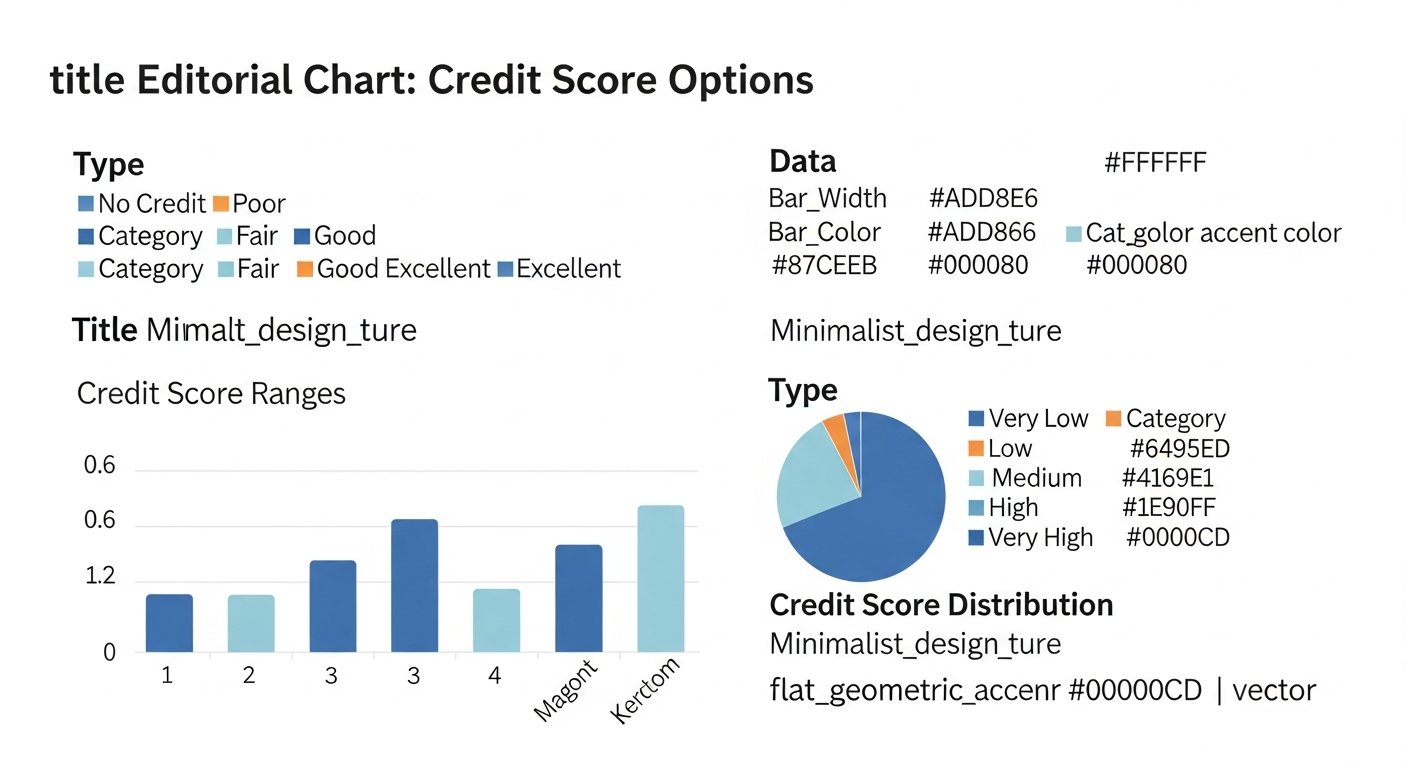
Both FICO and VantageScore models share a similar range of 300 to 850, allowing for a general understanding of what constitutes a “good” or “poor” score. While the exact cut-offs can vary slightly by model and lender, here’s a commonly accepted breakdown:
[INLINE IMAGE 2: place after fourth H2 | alt=”what is a credit score comparison illustration”]
| Score Range | Credit Rating | Implications for Lending & Opportunities | Actions to Consider |
|---|---|---|---|
| 800-850 | Exceptional / Excellent | Highest approval rates for all credit products. Access to the best interest rates and terms. Often seen as the ideal borrower. | Maintain responsible habits; leverage strong credit for major goals. |
| 740-799 | Very Good | Highly desirable borrower. Excellent approval odds and very competitive interest rates. Considered low risk. | Continue good practices; focus on maintaining low utilization. |
| 670-739 | Good | Above average. Generally qualifies for most credit products with good rates, though not always the absolute best. Most Americans fall into this range. | Aim to push into the “Very Good” category by optimizing payment history and utilization. |
| 580-669 | Fair / Average | Subprime borrower. May qualify for some credit products, but often with higher interest rates, lower credit limits, or less favorable terms. Indicates some past credit issues or limited history. | Prioritize on-time payments, reduce debt, and monitor credit reports for errors. |
| 300-579 | Poor / Very Poor | High-risk borrower. Difficulty getting approved for most traditional credit products. If approved, terms will be very unfavorable (e.g., high interest, secured cards, large deposits). | Focus on rebuilding credit aggressively: establish good payment history, pay down debt, explore secured credit cards or credit-builder loans. |
Understanding where your score falls within these ranges helps you gauge your current financial standing and identify areas for improvement. While scores below 580 indicate significant challenges, they are not insurmountable. With consistent effort and strategic financial management, even a “Poor” score can be gradually improved over time.
Why Your Credit Score Matters: Real-World Impacts on Your Financial Life
The credit score is more than just a number; it’s a critical determinant of your financial flexibility and the cost of major life decisions. Its influence extends across various sectors, impacting your ability to borrow, the terms you receive, and even how others perceive your financial reliability. Let’s delve into the tangible ways your credit score shapes your financial world.
Access to Loans and Credit Cards: Interest Rates and Approval
This is arguably the most direct and widely understood impact of your credit score. Whether you’re seeking a mortgage to buy a home, an auto loan for a new car, a personal loan for unexpected expenses, or a new credit card, your credit score will be a primary factor in the lender’s decision-making process.
- Approval Odds: Lenders set minimum credit score requirements. If your score falls below this threshold, your application will likely be denied, regardless of your income.
- Interest Rates: This is where the real money is saved or lost. Borrowers with excellent credit scores qualify for the lowest interest rates, significantly reducing the total cost of their loans. For example, on a $300,000, 30-year mortgage, even a half-percentage point difference in interest can translate into tens of thousands of dollars saved over the life of the loan. The same principle applies to auto loans and personal loans.
- Credit Limits: For credit cards, a higher score generally means a higher initial credit limit, providing more financial flexibility.
- Loan Terms: Beyond interest rates, your score can influence other loan terms, such as down payment requirements (especially for mortgages) and the availability of specific loan products.
A strong credit score is essentially a passport to the most favorable lending terms, allowing you to borrow more affordably and achieve your financial goals more efficiently.
Renting an Apartment or Home: Landlord Screening
Landlords often use credit reports and scores as part of their tenant screening process. They want to ensure that prospective renters are financially responsible and likely to pay rent on time. While a landlord’s credit check is typically a “soft inquiry” (which doesn’t impact your score), the information they retrieve can significantly influence their decision.
- Risk Assessment: A low credit score or a history of missed payments (even on non-housing debts) can signal to a landlord that you might be a high-risk tenant, potentially leading to late rent payments or eviction.
- Application Denial: In competitive rental markets, applicants with higher credit scores are often preferred. A poor score could lead to your application being rejected.
- Additional Requirements: If your score is on the lower side but still acceptable, a landlord might require a larger security deposit, an extra month’s rent upfront, or a co-signer to mitigate their perceived risk.
Maintaining a good credit score is therefore crucial for securing desirable housing without additional financial burdens.
Utilities and Service Deposits: Saving You Money
It might seem surprising, but your credit score can even affect the cost of setting up basic services for your home or mobile devices. Utility companies (electricity, gas, water, internet), phone providers, and even some insurance companies may check your credit.
- Deposits: If your credit score indicates a history of late payments or financial instability, these service providers might require a security deposit before initiating service. This deposit can tie up your funds, sometimes for a year or more, until you establish a reliable payment history with them.
- Waivers: Conversely, a strong credit score can often allow you to waive these deposits, saving you immediate out-of-pocket expenses.
While the amounts might seem small compared to a mortgage, these deposits add up and are an avoidable expense for those with good credit.
Car Insurance Premiums: An Unexpected Connection
In many U.S. states, car insurance companies use “credit-based insurance scores” to help calculate your premiums. These scores are derived from information in your credit report but are distinct from your traditional FICO or VantageScore. Actuarial studies have shown a correlation between a consumer’s credit history and their likelihood of filing an insurance claim, leading insurers to use this data for risk assessment.
- Higher Premiums: A poor credit-based insurance score can lead to significantly higher auto and home insurance premiums, costing you hundreds or even thousands of dollars more annually.
- Eligibility: In some cases, a very poor credit history could even limit your choices of insurance providers.
While the practice is controversial and prohibited in some states, it’s a reality in many others, making your credit health relevant even to your insurance costs.
Employment Opportunities: When Employers Check Credit
While less common for all jobs and strictly regulated, some employers, particularly in financial services, government, or positions requiring handling money or sensitive data, may conduct a credit check as part of their background screening process. This is almost always a “soft inquiry” and does not impact your credit score.
- Financial Responsibility: Employers may view a history of financial mismanagement (e.g., numerous past-due accounts, bankruptcies) as an indicator of irresponsibility or a potential risk for embezzlement, especially for roles involving fiduciary duties.
- Security Clearances: Certain government positions and jobs requiring security clearances often involve thorough financial background checks, where poor credit can be a disqualifying factor.
It’s crucial to understand that employers do not see your credit score, only a modified version of your credit report that omits account numbers and other sensitive details. They are looking for patterns of financial responsibility or distress, not judging your ability to get a loan. However, an adverse credit history could still pose a challenge in specific professional contexts.
In summary, your credit score is a pervasive force in your financial life. It acts as a gatekeeper to opportunities and a multiplier of costs. By actively managing and improving your score, you’re not just moving a number; you’re investing in a more affordable, accessible, and less stressful financial future.
Practical Strategies for Building and Improving Your Credit Score
Building and improving your credit score is a marathon, not a sprint. It requires consistent, disciplined financial habits, but the rewards—lower interest rates, better loan terms, and greater financial freedom—are well worth the effort. Here are practical, actionable strategies to boost your creditworthiness.
Pay Bills on Time, Every Time: Automate for Success
As established, payment history is the most critical factor (35% of FICO Score). A single 30-day late payment can severely damage your score. The best strategy is to ensure every bill, especially credit card and loan payments, is paid on or before its due date.
- Set Up Auto-Pay: Enroll in automatic payments for all your credit accounts. This is the simplest way to ensure you never miss a due date. Even if you only automate the minimum payment, it prevents late marks.
- Calendar Reminders: Use digital calendars, smartphone apps, or old-fashioned sticky notes to remind yourself of upcoming due dates.
- Align Due Dates: If possible, call your creditors and request to change your due dates to align with your paychecks, making it easier to manage cash flow.
- Pay More Than the Minimum: While not directly a scoring factor, paying more than the minimum reduces your overall balance, which helps with credit utilization.
Consistency is key here. A long history of on-time payments is a powerful positive signal to lenders.
Keep Credit Utilization Low: The 30% Rule
Your credit utilization ratio (amounts owed, ~30% of FICO) is the second most influential factor. This refers to the amount of revolving credit you’re using compared to your total available revolving credit.
- The Golden Rule: Aim to keep your total credit utilization across all credit cards below 30%. For example, if you have a combined credit limit of $10,000, try to keep your total balances under $3,000. Many experts even recommend keeping it below 10% for optimal scores.
- Pay Down Balances: If you currently carry high balances, focus aggressively on paying them down. This is one of the fastest ways to see a positive impact on your score.
- Make Multiple Payments: Consider making several small payments throughout the month rather than one large payment at the end. This can help keep your reported balance lower, especially if your credit card issuer reports balances mid-cycle.
- Request Credit Limit Increases: If you have a good payment history and a stable income, you can ask your credit card issuer for a credit limit increase. If approved, this immediately lowers your utilization ratio (assuming your balance stays the same or decreases). Be cautious not to then spend up to the new limit.
Maintaining low utilization demonstrates that you can manage credit responsibly without relying too heavily on it.
Don’t Close Old Accounts: The Value of Length
The length of your credit history (~15% of FICO) benefits from older accounts. Closing an old credit card, even if you don’t use it, can inadvertently shorten your average age of accounts and reduce your total available credit, thereby increasing your utilization ratio.
- Keep Old Accounts Open: If an old credit card has no annual fee, it’s generally best to keep it open, even if you only use it occasionally for small, easily payable purchases to keep it active.
- Consider Annual Fees: If an old card has a high annual fee, weigh the cost against the benefit to your credit score. Sometimes closing it is necessary, but be aware of the potential short-term impact. Consider requesting a product change to a no-fee card if possible.
Patience and consistency are the keys to building a long, robust credit history.
Diversify Your Credit Mix Responsibly
Your credit mix (~10% of FICO) reflects your ability to manage different types of credit. While not a dominant factor, a healthy mix of revolving credit (credit cards) and installment credit (mortgages, auto loans, student loans) can be beneficial.
- Don’t Force It: Never take out a loan you don’t need just to improve your credit mix. The interest and fees will far outweigh any score benefit.
- Natural Progression: A diverse credit mix often develops naturally over time as you take on mortgages, auto loans, or student loans as part of your life path.
Focus on responsible borrowing for genuine needs, and the credit mix will often follow.
Be Mindful of New Credit Applications: Hard Inquiries
New credit (~10% of FICO) refers to recent applications for credit. Each “hard inquiry” from a lender can cause a slight, temporary dip in your score.
- Apply Only When Needed: Avoid applying for multiple credit cards or loans in a short period unless it’s for rate shopping (e.g., multiple mortgage inquiries within a 14-45 day window often count as one).
- Research First: Before applying, research eligibility requirements to increase your chances of approval and avoid unnecessary inquiries.
Strategic applications prevent unnecessary dings to your score.
Monitor Your Credit Reports Regularly: Spotting Errors
Your credit score is derived from your credit reports. Errors on these reports can negatively impact your score. You are entitled to a free copy of your credit report from each of the three major bureaus (Equifax, Experian, TransUnion) once every 12 months via AnnualCreditReport.com.
- Review Annually: Check your reports regularly for inaccuracies, unauthorized accounts, or outdated information.
- Dispute Errors: If you find an error, dispute it directly with the credit bureau and the creditor. They are legally obligated to investigate.
Learn more about managing debt and improving your financial health.
Dealing with Derogatory Marks: Strategies for Recovery
If you have negative items like late payments, collections, or charge-offs, recovery is possible, but it takes time.
- Address Current Issues: First, stop the bleeding. Make sure all current accounts are being paid on time.
- Pay Off Collections: Paying off collections accounts can sometimes improve your score, especially with newer scoring models like FICO 9 and VantageScore 4.0, which treat paid collections more favorably.
- “Pay for Delete”: While not always successful, you can attempt to negotiate with a collection agency to remove a derogatory mark from your report in exchange for payment. Get any such agreement in writing.
- Time Heals: Most negative marks (except bankruptcies, which stay for 7-10 years) fall off your report after seven years. Focus on establishing new, positive credit history to overshadow the old.
Building and improving your credit score is a commitment to good financial hygiene. By consistently applying these strategies, you can steadily increase your score and open doors to better financial opportunities in 2026 and beyond.
Common Credit Score Myths Debunked and Misconceptions Clarified
The mystique surrounding credit scores has led to a proliferation of myths and misunderstandings. These misconceptions can sometimes lead individuals to make financial decisions that inadvertently harm their credit. Let’s debunk some of the most common myths about credit scores and clarify the truth.
Myth: Checking Your Own Credit Harms
What is a Credit Score? Your Essential Guide to Financial Health and Opportunity
Affiliate disclosure: This article may contain affiliate links. Recommendations are independent and editorially driven.
In the intricate world of personal finance, few numbers hold as much sway over your financial future as your credit score. Far from being an abstract concept, understanding “what is a credit score” is fundamental to navigating everything from securing a loan for a home to getting the best rates on car insurance, and even determining whether you can rent an apartment. In 2026, a strong credit score is not just a nice-to-have; it’s a vital asset, a numerical representation of your financial trustworthiness that lenders and other entities use to assess risk.
For many, the credit score remains shrouded in mystery, a three-digit number that appears to fluctuate without clear reason. This comprehensive guide from diaalnews aims to demystify the credit score, breaking down its components, explaining its profound impact, and providing actionable strategies for building, maintaining, and improving yours. Whether you’re just starting your financial journey, looking to make a major purchase, or simply want to optimize your financial health, a deep understanding of your credit score is your first crucial step.
Unpacking the Fundamentals: What Exactly is a Credit Score?
At its core, a credit score is a numerical summary derived from the information in your credit report. It’s designed to predict the likelihood that you will repay borrowed money on time. Think of it as a financial report card, where a higher score signifies a lower risk to potential lenders. This score is not static; it evolves as your financial behavior changes over time, reflecting your history of borrowing and repaying debt.
Defining the Credit Score: A Numerical Snapshot
A credit score is typically a three-digit number, ranging from 300 to 850 (though some specialized scores may have different ranges). These scores are generated by complex algorithms developed by credit scoring models. The most widely recognized models are FICO (Fair Isaac Corporation) and VantageScore. While they use slightly different methodologies, their fundamental goal is the same: to provide a quick, objective assessment of your creditworthiness.
When a lender considers offering you a loan or credit card, they want to gauge the risk involved. Your credit score acts as a shortcut, distilling hundreds of pieces of data from your credit report into a single, easy-to-understand figure. It helps them decide not only whether to approve your application but also what interest rate and terms to offer you. A higher score often translates to more favorable terms, saving you potentially thousands of dollars over the life of a loan.
The Purpose and Power of Your Score
The primary purpose of a credit score is risk assessment. For lenders, it’s a tool to predict who will honor their financial commitments and who might default. But its influence extends far beyond just loans and credit cards. Your credit score is a powerful determinant in many aspects of your financial and personal life:
- Loan Approvals and Interest Rates: From mortgages and auto loans to personal loans, your score directly impacts your eligibility and the cost of borrowing.
- Credit Card Offers: It determines the types of cards you qualify for, their credit limits, and interest rates.
- Renting an Apartment: Landlords often check credit scores to assess a prospective tenant’s reliability.
- Insurance Premiums: In many states, insurance companies use credit-based insurance scores (derived from your credit report data) to help determine your premiums for auto and home insurance.
- Utility Services: Sometimes, utility companies may require a deposit if your credit score is low, indicating a higher risk of non-payment.
- Employment Screening: While less common for general employment, certain sensitive positions, especially those involving financial responsibilities, may involve a credit check (though this is typically a “soft inquiry” that doesn’t impact your score).
Understanding this pervasive power is the first step towards taking control of your financial destiny. Your credit score isn’t just a number; it’s a key to unlocking opportunities and securing better financial terms.
Key Players: Credit Bureaus and Scoring Models
Behind every credit score are two main types of entities: credit bureaus and credit scoring models.
- Credit Bureaus (Credit Reporting Agencies): In the United States, the three major credit bureaus are Equifax, Experian, and TransUnion. These are private companies that collect and maintain your credit information. Lenders, creditors, and other entities report your payment history, account balances, and other credit-related activities to these bureaus. Each bureau compiles its own version of your credit report, which may vary slightly depending on which lenders report to which bureau.
- Credit Scoring Models: These are the proprietary algorithms that analyze the data in your credit report to generate your credit score. The two dominant models are:
- FICO: The oldest and most widely used scoring model, developed by the Fair Isaac Corporation. There are many versions of FICO scores (e.g., FICO Score 8, FICO Score 9, industry-specific FICO scores for mortgages, auto loans, etc.).
- VantageScore: A newer model developed collaboratively by the three major credit bureaus. VantageScore aims to make credit scores more accessible and often can score individuals with shorter credit histories.
Because there are multiple bureaus and multiple scoring models, it’s common to have several different credit scores at any given time. While they often fall within a similar range, a lender might use a specific version of a FICO score for a mortgage application, while a credit card issuer might use a VantageScore. This variability is normal and doesn’t mean one score is “more correct” than another, but it underscores the importance of understanding the factors that generally influence all scores.
[INLINE IMAGE 1: place after second H2 | alt=”what is a credit score concept illustration”]
The Anatomy of Your Score: What Data Goes Into It?
While the exact algorithms used by FICO and VantageScore are proprietary, they publicly disclose the key categories of information they consider and their approximate weighting. Understanding these categories is crucial for anyone aiming to improve their credit score. This section delves into the five primary factors that contribute to the calculation of your credit score.
Payment History: The Cornerstone of Your Credit
Weight: Approximately 35% of your FICO Score and a significant factor in VantageScore.
Your payment history is by far the most important factor in your credit score. It reflects your track record of paying your debts on time. Lenders want to see consistent, timely payments because it’s the strongest indicator of future financial responsibility. Every payment you make on credit cards, loans (mortgages, auto, student, personal), and even some utility bills (if reported) is noted on your credit report. Conversely, late payments, missed payments, defaults, bankruptcies, repossessions, and collections accounts will significantly harm your score.
- On-time Payments: Making at least the minimum payment by the due date every single time is paramount.
- Late Payments: Payments reported 30, 60, 90, or more days late will have a progressively negative impact. A single 30-day late payment can drop an excellent score by dozens of points.
- Severity and Frequency: The more severe (e.g., 90 days late vs. 30 days late) and frequent your late payments, the greater the damage to your score.
- Public Records: Bankruptcies, foreclosures, and judgments are severe derogatory marks that stay on your report for up to 7-10 years and significantly depress your score.
Establishing a flawless payment history is the single most impactful action you can take to build and maintain a high credit score. Automation, reminders, and careful budgeting are your best allies here.
Amounts Owed: Credit Utilization Ratio Explained
Weight: Approximately 30% of your FICO Score and a highly influential factor in VantageScore.
This category looks at how much credit you are currently using compared to the total amount of credit available to you. This is often expressed as a “credit utilization ratio.” For example, if you have a credit card with a $10,000 limit and you owe $2,000, your utilization is 20% ($2,000 / $10,000). This factor applies to revolving credit accounts like credit cards and lines of credit, not installment loans (like mortgages or auto loans) where the balance naturally decreases over time.
- The “30% Rule”: A widely cited guideline is to keep your overall credit utilization below 30% across all your credit cards. For instance, if you have three cards with total limits of $15,000, try to keep your combined balance under $4,500. Lower is always better, with the optimal being under 10%.
- Individual Card Utilization: Lenders also look at the utilization on individual cards, so keeping balances low on each card is important.
- High Balances: Maxing out credit cards or consistently carrying high balances signals a higher risk to lenders, suggesting you might be financially overextended.
- Revolving Debt vs. Installment Debt: This category primarily focuses on revolving debt. While installment loan balances are reported, their impact on this specific factor is generally different.
Managing your credit utilization is dynamic. Even if you pay your bill in full each month, your reported balance might be high if it’s captured before your payment clears. Paying down balances mid-cycle or before the statement closing date can sometimes help optimize this factor.
Length of Credit History: Time and Trust
Weight: Approximately 15% of your FICO Score and an important factor in VantageScore.
This factor considers how long your credit accounts have been open and the average age of all your accounts. A longer credit history generally demonstrates more experience managing credit, which lenders view favorably. It provides a more extensive track record for them to evaluate.
- Age of Oldest Account: The older your oldest open account, the better.
- Average Age of Accounts: This is calculated by summing the ages of all your accounts and dividing by the number of accounts.
- Age of Specific Account Types: The age of different types of accounts (credit cards, mortgages, etc.) can also play a role.
Because this factor relies on time, it’s one that you can’t rapidly change. Patience and consistent use of credit over many years are key. This is why financial advisors often recommend keeping old, established credit card accounts open, even if you don’t use them frequently, as long as they don’t carry annual fees or encourage unnecessary spending.
New Credit: Impact of Recent Applications
Weight: Approximately 10% of your FICO Score and a moderating factor in VantageScore.
This category looks at how often you apply for new credit and how many new accounts you’ve opened recently. When you apply for credit, a “hard inquiry” is typically placed on your credit report. Each hard inquiry can cause a small, temporary dip in your score (usually 1-5 points), and too many in a short period can signal to lenders that you might be desperate for credit or taking on more debt than you can handle.
- Hard Inquiries: Occur when a lender checks your credit for an application. They remain on your report for two years but typically only impact your score for about one year.
- Soft Inquiries: Occur when you check your own credit, a lender pre-approves you, or an employer checks your credit. These do NOT affect your credit score.
- New Accounts Opened: Opening several new accounts in a short period can be a red flag.
- Rate Shopping (Loan Inquiries): Credit scoring models recognize that consumers shop around for the best rates on mortgages, auto loans, and student loans. Multiple inquiries for the same type of loan within a specific window (typically 14-45 days, depending on the scoring model) are often counted as a single inquiry, minimizing the impact.
It’s generally advisable to space out your credit applications and only apply for credit when you genuinely need it. Avoid opening new accounts just to get a small discount at a retail store if it’s not part of your broader financial plan.
Credit Mix: Diversity in Your Accounts
Weight: Approximately 10% of your FICO Score and a less influential factor in VantageScore.
This factor assesses the variety of credit accounts you have. Lenders like to see that you can responsibly manage different types of credit. A healthy credit mix might include both revolving credit (like credit cards) and installment credit (like a car loan or mortgage).
- Revolving Credit: Accounts where you can borrow and repay repeatedly up to a certain limit (e.g., credit cards, home equity lines of credit).
- Installment Credit: Loans with a fixed payment schedule over a set period (e.g., mortgages, auto loans, student loans, personal loans).
While a good credit mix can be beneficial, it’s not advisable to take out loans you don’t need simply to improve this factor. It’s often something that naturally develops over time as you achieve various financial milestones. If you only have credit cards, for example, obtaining an auto loan (when you genuinely need a car) could enhance your credit mix over the long term.
By understanding and actively managing these five components, you gain significant control over your credit score. It’s a journey of consistent, responsible financial behavior, and each factor plays a vital role in painting your overall credit picture.
Beyond FICO and VantageScore: Understanding Different Scoring Models
While the factors that influence your credit score remain largely consistent across different models, it’s important to recognize that “your credit score” is not a single, monolithic number. Instead, you have many credit scores, each potentially varying based on the credit bureau supplying the data and the specific scoring model used. The two dominant models are FICO and VantageScore, but there are also numerous industry-specific scores.
FICO Score: The Industry Standard
The FICO Score is the oldest and most widely used credit scoring model. Developed by the Fair Isaac Corporation, it has been the industry standard for decades. Most lenders, particularly for significant loans like mortgages and auto loans, use a FICO score to assess creditworthiness.
- Multiple Versions: There isn’t just one FICO score. FICO continually refines its models, leading to many versions (e.g., FICO Score 8, FICO Score 9, FICO Score 10, FICO 10 T). FICO Score 8 is still one of the most widely used versions.
- Industry-Specific Scores: FICO also develops specialized scores tailored for specific lending industries, such as FICO Auto Scores, FICO Bankcard Scores, and FICO Mortgage Scores. These scores may weigh certain factors differently to better predict risk in that particular sector. For example, a FICO Auto Score might place more emphasis on past auto loan payments.
- Score Range: Most FICO scores range from 300 to 850.
- Data Sources: FICO scores are generated from the data provided by each of the three major credit bureaus (Equifax, Experian, TransUnion). This means you have a separate FICO score for each bureau, as their data might differ slightly.
Due to its prevalence, understanding the general principles of FICO scoring is paramount for anyone seeking credit in the U.S. financial system.
VantageScore: A Growing Alternative
VantageScore was developed collaboratively by the three major credit bureaus (Equifax, Experian, and TransUnion) in 2006. It emerged as a competitor to FICO, aiming to provide a consistent scoring model across all three bureaus and to score more consumers, particularly those with limited credit histories.
- Score Range: Like FICO, VantageScore models (VantageScore 3.0, VantageScore 4.0) also use a 300 to 850 range.
- Bureau Collaboration: VantageScore is designed to be consistent across the three bureaus, though slight variations can still occur based on the underlying data each bureau possesses.
- Ability to Score “Thin Files”: One of VantageScore’s key advantages is its ability to score consumers with shorter or “thin” credit files. It can often generate a score for individuals with as little as one month of credit history or a single account reported within the last 24 months. This makes it particularly useful for young adults or new immigrants building credit for the first time.
- Emphasis on Trends: VantageScore 4.0 places a greater emphasis on credit trends over time, distinguishing between consumers who are improving their credit behavior versus those who are deteriorating.
While FICO remains dominant for mortgages and some other large loans, VantageScore is increasingly used by credit card issuers, personal loan providers, and other financial institutions, especially for initial credit screenings.
Specialized Scores: Auto, Mortgage, and Insurance Scores
Beyond the general-purpose FICO and VantageScore models, various industries utilize their own highly specialized scoring systems. These scores typically draw data from your standard credit report but apply different weightings and proprietary algorithms to better predict risk specific to their industry.
- FICO Auto Scores: Used by car dealerships and auto lenders, these scores prioritize factors relevant to car loan repayment, such as prior auto loan performance.
- FICO Mortgage Scores: Mortgage lenders often use specific FICO versions (like FICO Score 2, 4, or 5) for mortgage applications. These older versions are still widely used in mortgage lending due to regulatory consistency requirements.
- Credit-Based Insurance Scores: Many insurance companies use these scores (which are not your traditional credit score but are derived from credit report data) to help determine premiums for auto and home insurance. Factors like payment history and length of credit may be weighed differently to predict the likelihood of an insurance claim.
- Telco/Utility Scores: Some telecommunication companies and utility providers use their own internal scoring or specialized third-party scores to determine if a deposit is required for new service.
It’s important to remember that these specialized scores exist and can influence the terms you receive in specific situations. While you can’t directly monitor all of them, improving your general credit health will positively impact these specialized scores as well.
Understanding Score Ranges and Tiers (Excellent, Good, Fair, Poor)
Both FICO and VantageScore models share a similar range of 300 to 850, allowing for a general understanding of what constitutes a “good” or “poor” score. While the exact cut-offs can vary slightly by model and lender, here’s a commonly accepted breakdown:
[INLINE IMAGE 2: place after fourth H2 | alt=”what is a credit score comparison illustration”]
| Score Range | Credit Rating | Implications for Lending & Opportunities | Actions to Consider |
|---|---|---|---|
| 800-850 | Exceptional / Excellent | Highest approval rates for all credit products. Access to the best interest rates and terms. Often seen as the ideal borrower. | Maintain responsible habits; leverage strong credit for major goals. |
| 740-799 | Very Good | Highly desirable borrower. Excellent approval odds and very competitive interest rates. Considered low risk. | Continue good practices; focus on maintaining low utilization. |
| 670-739 | Good | Above average. Generally qualifies for most credit products with good rates, though not always the absolute best. Most Americans fall into this range. | Aim to push into the “Very Good” category by optimizing payment history and utilization. |
| 580-669 | Fair / Average | Subprime borrower. May qualify for some credit products, but often with higher interest rates, lower credit limits, or less favorable terms. Indicates some past credit issues or limited history. | Prioritize on-time payments, reduce debt, and monitor credit reports for errors. |
| 300-579 | Poor / Very Poor | High-risk borrower. Difficulty getting approved for most traditional credit products. If approved, terms will be very unfavorable (e.g., high interest, secured cards, large deposits). | Focus on rebuilding credit aggressively: establish good payment history, pay down debt, explore secured credit cards or credit-builder loans. |
Understanding where your score falls within these ranges helps you gauge your current financial standing and identify areas for improvement. While scores below 580 indicate significant challenges, they are not insurmountable. With consistent effort and strategic financial management, even a “Poor” score can be gradually improved over time.
Why Your Credit Score Matters: Real-World Impacts on Your Financial Life
The credit score is more than just a number; it’s a critical determinant of your financial flexibility and the cost of major life decisions. Its influence extends across various sectors, impacting your ability to borrow, the terms you receive, and even how others perceive your financial reliability. Let’s delve into the tangible ways your credit score shapes your financial world.
Access to Loans and Credit Cards: Interest Rates and Approval
This is arguably the most direct and widely understood impact of your credit score. Whether you’re seeking a mortgage to buy a home, an auto loan for a new car, a personal loan for unexpected expenses, or a new credit card, your credit score will be a primary factor in the lender’s decision-making process.
- Approval Odds: Lenders set minimum credit score requirements. If your score falls below this threshold, your application will likely be denied, regardless of your income.
- Interest Rates: This is where the real money is saved or lost. Borrowers with excellent credit scores qualify for the lowest interest rates, significantly reducing the total cost of their loans. For example, on a $300,000, 30-year mortgage, even a half-percentage point difference in interest can translate into tens of thousands of dollars saved over the life of the loan. The same principle applies to auto loans and personal loans.
- Credit Limits: For credit cards, a higher score generally means a higher initial credit limit, providing more financial flexibility.
- Loan Terms: Beyond interest rates, your score can influence other loan terms, such as down payment requirements (especially for mortgages) and the availability of specific loan products.
A strong credit score is essentially a passport to the most favorable lending terms, allowing you to borrow more affordably and achieve your financial goals more efficiently.
Renting an Apartment or Home: Landlord Screening
Landlords often use credit reports and scores as part of their tenant screening process. They want to ensure that prospective renters are financially responsible and likely to pay rent on time. While a landlord’s credit check is typically a “soft inquiry” (which doesn’t impact your score), the information they retrieve can significantly influence their decision.
- Risk Assessment: A low credit score or a history of missed payments (even on non-housing debts) can signal to a landlord that you might be a high-risk tenant, potentially leading to late rent payments or eviction.
- Application Denial: In competitive rental markets, applicants with higher credit scores are often preferred. A poor score could lead to your application being rejected.
- Additional Requirements: If your score is on the lower side but still acceptable, a landlord might require a larger security deposit, an extra month’s rent upfront, or a co-signer to mitigate their perceived risk.
Maintaining a good credit score is therefore crucial for securing desirable housing without additional financial burdens.
Utilities and Service Deposits: Saving You Money
It might seem surprising, but your credit score can even affect the cost of setting up basic services for your home or mobile devices. Utility companies (electricity, gas, water, internet), phone providers, and even some insurance companies may check your credit.
- Deposits: If your credit score indicates a history of late payments or financial instability, these service providers might require a security deposit before initiating service. This deposit can tie up your funds, sometimes for a year or more, until you establish a reliable payment history with them.
- Waivers: Conversely, a strong credit score can often allow you to waive these deposits, saving you immediate out-of-pocket expenses.
While the amounts might seem small compared to a mortgage, these deposits add up and are an avoidable expense for those with good credit.
Car Insurance Premiums: An Unexpected Connection
In many U.S. states, car insurance companies use “credit-based insurance scores” to help calculate your premiums. These scores are derived from information in your credit report but are distinct from your traditional FICO or VantageScore. Actuarial studies have shown a correlation between a consumer’s credit history and their likelihood of filing an insurance claim, leading insurers to use this data for risk assessment.
- Higher Premiums: A poor credit-based insurance score can lead to significantly higher auto and home insurance premiums, costing you hundreds or even thousands of dollars more annually.
- Eligibility: In some cases, a very poor credit history could even limit your choices of insurance providers.
While the practice is controversial and prohibited in some states, it’s a reality in many others, making your credit health relevant even to your insurance costs.
Employment Opportunities: When Employers Check Credit
While less common for all jobs and strictly regulated, some employers, particularly in financial services, government, or positions requiring handling money or sensitive data, may conduct a credit check as part of their background screening process. This is almost always a “soft inquiry” and does not impact your credit score.
- Financial Responsibility: Employers may view a history of financial mismanagement (e.g., numerous past-due accounts, bankruptcies) as an indicator of irresponsibility or a potential risk for embezzlement, especially for roles involving fiduciary duties.
- Security Clearances: Certain government positions and jobs requiring security clearances often involve thorough financial background checks, where poor credit can be a disqualifying factor.
It’s crucial to understand that employers do not see your credit score, only a modified version of your credit report that omits account numbers and other sensitive details. They are looking for patterns of financial responsibility or distress, not judging your ability to get a loan. However, an adverse credit history could still pose a challenge in specific professional contexts.
In summary, your credit score is a pervasive force in your financial life. It acts as a gatekeeper to opportunities and a multiplier of costs. By actively managing and improving your score, you’re not just moving a number; you’re investing in a more affordable, accessible, and less stressful financial future.
Practical Strategies for Building and Improving Your Credit Score
Building and improving your credit score is a marathon, not a sprint. It requires consistent, disciplined financial habits, but the rewards—lower interest rates, better loan terms, and greater financial freedom—are well worth the effort. Here are practical, actionable strategies to boost your creditworthiness.
Pay Bills on Time, Every Time: Automate for Success
As established, payment history is the most critical factor (35% of FICO Score). A single 30-day late payment can severely damage your score. The best strategy is to ensure every bill, especially credit card and loan payments, is paid on or before its due date.
- Set Up Auto-Pay: Enroll in automatic payments for all your credit accounts. This is the simplest way to ensure you never miss a due date. Even if you only automate the minimum payment, it prevents late marks.
- Calendar Reminders: Use digital calendars, smartphone apps, or old-fashioned sticky notes to remind yourself of upcoming due dates.
- Align Due Dates: If possible, call your creditors and request to change your due dates to align with your paychecks, making it easier to manage cash flow.
- Pay More Than the Minimum: While not directly a scoring factor, paying more than the minimum reduces your overall balance, which helps with credit utilization.
Consistency is key here. A long history of on-time payments is a powerful positive signal to lenders.
Keep Credit Utilization Low: The 30% Rule
Your credit utilization ratio (amounts owed, ~30% of FICO) is the second most influential factor. This refers to the amount of revolving credit you’re using compared to your total available revolving credit.
- The Golden Rule: Aim to keep your total credit utilization across all credit cards below 30%. For example, if you have a combined credit limit of $10,000, try to keep your total balances under $3,000. Many experts even recommend keeping it below 10% for optimal scores.
- Pay Down Balances: If you currently carry high balances, focus aggressively on paying them down. This is one of the fastest ways to see a positive impact on your score.
- Make Multiple Payments: Consider making several small payments throughout the month rather than one large payment at the end. This can help keep your reported balance lower, especially if your credit card issuer reports balances mid-cycle.
- Request Credit Limit Increases: If you have a good payment history and a stable income, you can ask your credit card issuer for a credit limit increase. If approved, this immediately lowers your utilization ratio (assuming your balance stays the same or decreases). Be cautious not to then spend up to the new limit.
Maintaining low utilization demonstrates that you can manage credit responsibly without relying too heavily on it.
Don’t Close Old Accounts: The Value of Length
The length of your credit history (~15% of FICO) benefits from older accounts. Closing an old credit card, even if you don’t use it, can inadvertently shorten your average age of accounts and reduce your total available credit, thereby increasing your utilization ratio.
- Keep Old Accounts Open: If an old credit card has no annual fee, it’s generally best to keep it open, even if you only use it occasionally for small, easily payable purchases to keep it active.
- Consider Annual Fees: If an old card has a high annual fee, weigh the cost against the benefit to your credit score. Sometimes closing it is necessary, but be aware of the potential short-term impact. Consider requesting a product change to a no-fee card if possible.
Patience and consistency are the keys to building a long, robust credit history.
Diversify Your Credit Mix Responsibly
Your credit mix (~10% of FICO) reflects your ability to manage different types of credit. While not a dominant factor, a healthy mix of revolving credit (credit cards) and installment credit (mortgages, auto loans, student loans) can be beneficial.
- Don’t Force It: Never take out a loan you don’t need just to improve your credit mix. The interest and fees will far outweigh any score benefit.
- Natural Progression: A diverse credit mix often develops naturally over time as you take on mortgages, auto loans, or student loans as part of your life path.
Focus on responsible borrowing for genuine needs, and the credit mix will often follow.
Be Mindful of New Credit Applications: Hard Inquiries
New credit (~10% of FICO) refers to recent applications for credit. Each “hard inquiry” from a lender can cause a slight, temporary dip in your score.
- Apply Only When Needed: Avoid applying for multiple credit cards or loans in a short period unless it’s for rate shopping (e.g., multiple mortgage inquiries within a 14-45 day window often count as one).
- Research First: Before applying, research eligibility requirements to increase your chances of approval and avoid unnecessary inquiries.
Strategic applications prevent unnecessary dings to your score.
Monitor Your Credit Reports Regularly: Spotting Errors
Your credit score is derived from your credit reports. Errors on these reports can negatively impact your score. You are entitled to a free copy of your credit report from each of the three major bureaus (Equifax, Experian, TransUnion) once every 12 months via AnnualCreditReport.com.
- Review Annually: Check your reports regularly for inaccuracies, unauthorized accounts, or outdated information.
- Dispute Errors: If you find an error, dispute it directly with the credit bureau and the creditor. They are legally obligated to investigate.
Learn more about managing debt and improving your financial health.
Dealing with Derogatory Marks: Strategies for Recovery
If you have negative items like late payments, collections, or charge-offs, recovery is possible, but it takes time.
- Address Current Issues: First, stop the bleeding. Make sure all current accounts are being paid on time.
- Pay Off Collections: Paying off collections accounts can sometimes improve your score, especially with newer scoring models like FICO 9 and VantageScore 4.0, which treat paid collections more favorably.
- “Pay for Delete”: While not always successful, you can attempt to negotiate with a collection agency to remove a derogatory mark from your report in exchange for payment. Get any such agreement in writing.
- Time Heals: Most negative marks (except bankruptcies, which stay for 7-10 years) fall off your report after seven years. Focus on establishing new, positive credit history to overshadow the old.
Building and improving your credit score is a commitment to good financial hygiene. By consistently applying these strategies, you can steadily increase your score and open doors to better financial opportunities in 2026 and beyond.
Common Credit Score Myths Debunked and Misconceptions Clarified
The mystique surrounding credit scores has led to a proliferation of myths and misunderstandings. These misconceptions can sometimes lead individuals to make financial decisions that inadvertently harm their credit. Let’s debunk some of the most common myths about credit scores and clarify the truth.