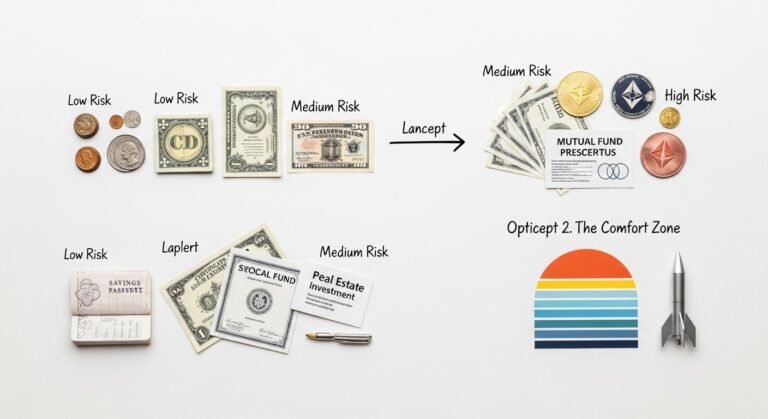
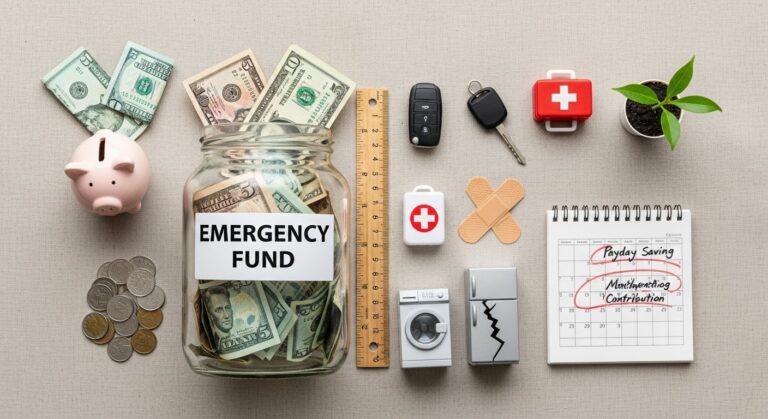
What is an Emergency Fund? Your Essential Guide to Building Financial Resilience in 2026
Affiliate disclosure: This article may contain affiliate links. Recommendations are independent and editorially driven.
In the dynamic landscape of personal finance, marked by economic shifts and unforeseen life events, the concept of an emergency fund stands as a bedrock principle for financial stability. It’s more than just a savings account; it’s a strategic reserve, a financial safety net designed to protect you from life’s inevitable curveballs. For individuals and families navigating the complexities of modern economic realities, understanding what an emergency fund is, why it’s critical, and how to effectively build and manage one is not merely advisable—it’s imperative.
In 2026, where job markets can be volatile, health crises can emerge unexpectedly, and the cost of living continues to evolve, an emergency fund serves as your primary defense against debt, stress, and financial derailment. It empowers you to handle unexpected expenses without resorting to high-interest credit cards, loans, or liquidating long-term investments. This comprehensive guide from diaalnews will demystify the emergency fund, providing actionable insights to help you establish and maintain this vital component of your financial health.
What is an Emergency Fund? The Core Definition and Purpose
At its heart, an emergency fund is a dedicated stash of money set aside specifically to cover unexpected expenses or income disruptions. It is distinct from other savings goals, such as a down payment for a house, retirement contributions, or vacation funds. The defining characteristic of an emergency fund is its singular purpose: to provide financial relief during genuine emergencies, thereby preventing a minor setback from spiraling into a major financial crisis.
Defining the “Emergency”: What Qualifies?
Not every unexpected expense qualifies as an emergency. A true financial emergency is an unforeseen, unavoidable, and necessary expense that, if not covered, would have significant negative consequences on your financial stability or well-being. Understanding this distinction is crucial to prevent premature depletion of your fund.
- Job Loss or Significant Income Reduction: This is perhaps the most classic use case. An emergency fund can bridge the gap between unemployment and new employment, covering essential living expenses like rent, utilities, and groceries.
- Medical Emergencies: Unforeseen medical bills, prescription costs, or dental work not fully covered by insurance can quickly deplete regular savings.
- Major Home Repairs: A burst pipe, a leaking roof, or a sudden furnace breakdown can be expensive and require immediate attention to prevent further damage or maintain habitability.
- Auto Repairs: For many, a reliable vehicle is essential for work and daily life. Unexpected transmission failure, tire blowouts, or significant mechanical issues can be costly and urgent.
- Unexpected Travel for Family Crisis: A sudden need to travel for a family emergency (e.g., illness or funeral) can incur significant travel and accommodation costs.
What an Emergency Fund is NOT For
Equally important is to understand what an emergency fund is not designed for. Using it for non-emergencies can undermine its purpose and leave you vulnerable when a real crisis hits.
- Planned Expenses: Vacations, holiday shopping, a down payment for a car you’ve been eyeing, or elective cosmetic procedures are not emergencies. These should be saved for separately.
- Impulse Purchases: A new gadget, designer clothing, or an expensive dinner out, no matter how tempting, do not warrant dipping into your emergency fund.
- Investment Opportunities: While a great investment opportunity might arise, an emergency fund is for safety, not speculative growth. Liquidating it for investment purposes exposes you to undue risk.
- Paying Off Debt (Unless Strategic): Generally, an emergency fund is not for paying off consumer debt, though having one can prevent new debt from accumulating. There are nuanced strategies, however, where a minimal emergency fund is established first, then excess funds are used for aggressive debt repayment, with the intention of rebuilding the emergency fund quickly afterward.
Why an Emergency Fund is Non-Negotiable: The Imperative for Financial Security
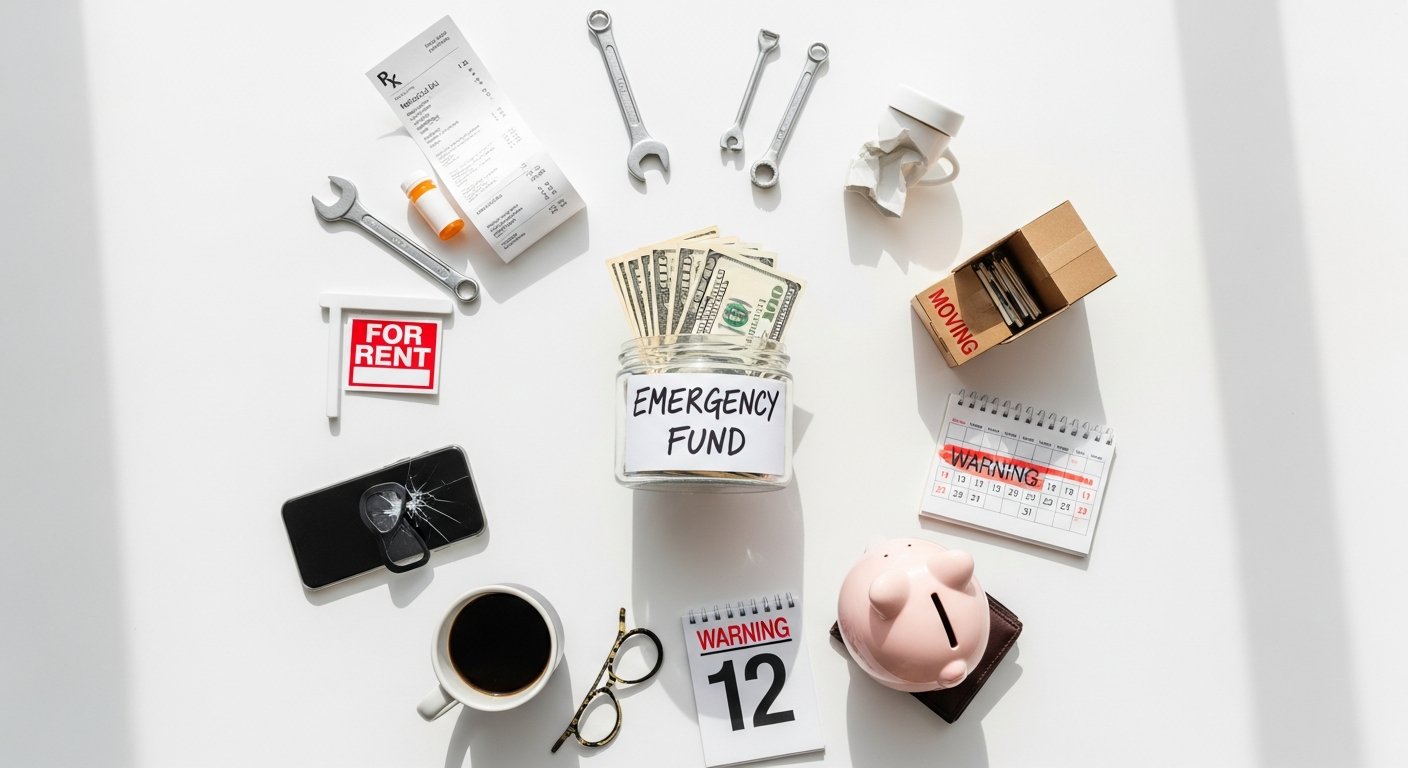
The value of an emergency fund extends far beyond simply covering costs. It’s a cornerstone of financial well-being, offering both tangible protection and significant psychological benefits. In an unpredictable world, an emergency fund acts as your personal financial shock absorber, safeguarding your progress and peace of mind.
[INLINE IMAGE 1: place after second H2 | alt=”what is an emergency fund concept illustration”]
Preventing Debt Accumulation
One of the most immediate and impactful benefits of an emergency fund is its ability to prevent you from falling into debt when unexpected expenses arise. Without a cash reserve, many individuals are forced to rely on credit cards, personal loans, or even payday loans, which often come with high-interest rates and fees. This can quickly lead to a debt spiral, making it harder to save for future goals and significantly increasing financial stress.
- Avoid High-Interest Debt: Credit card interest rates can easily exceed 20%. A $1,000 emergency covered by a card can quickly become $1,200 or more if not paid off immediately. An emergency fund bypasses this entirely.
- Maintain Credit Score: Relying on credit can lead to higher credit utilization ratios or missed payments, both of which can negatively impact your credit score. A good credit score is vital for loans, mortgages, and even some employment opportunities.
- Break the Debt Cycle: For those already struggling with debt, an emergency fund prevents new debt from accumulating, allowing existing repayment plans to stay on track.
Protecting Long-Term Financial Goals
Many people make the mistake of using funds earmarked for retirement, a child’s education, or a home down payment to cover emergencies. While understandable in a pinch, this derails long-term financial plans, often with significant opportunity costs. An emergency fund creates a firewall, protecting these crucial future investments.
- Preserving Retirement Savings: Tapping into a 401(k) or IRA for emergencies often incurs penalties and taxes, significantly reducing your retirement nest egg and missing out on future growth.
- Keeping Investment Strategies Intact: Being forced to sell investments during a market downturn to cover an emergency can lock in losses, undermining years of careful planning.
- Staying on Track with Other Savings: Whether it’s a down payment for a car or a college fund, having an emergency fund ensures that these dedicated savings can continue to grow uninterrupted.
Reducing Financial Stress and Anxiety
The psychological toll of financial instability cannot be overstated. Constantly worrying about unexpected expenses can lead to chronic stress, impacting mental and physical health, relationships, and overall quality of life. An emergency fund provides a profound sense of security and peace of mind.
- Sense of Control: Knowing you have a safety net provides a feeling of control over your financial future, reducing feelings of helplessness when bad things happen.
- Better Decision-Making: When faced with an emergency, the pressure to make quick, potentially poor financial decisions is lessened. You have the breathing room to evaluate options calmly.
- Improved Well-being: Reduced financial stress often translates to better sleep, improved concentration, and a greater capacity to enjoy life’s positive aspects.
Enhanced Flexibility and Opportunity
While primarily a defensive tool, an emergency fund can also open doors to opportunities. It provides the flexibility to navigate life changes with greater ease.
- Career Transitions: Considering a job change, starting a business, or taking time off for education? An emergency fund can provide the runway to pursue these without immediate financial pressure.
- Relocation: Moving for a new job or personal reasons often comes with unexpected costs. An emergency fund makes this transition smoother.
- Market Fluctuations: While not for investment, having an emergency fund means you’re less likely to be forced to sell assets during market downturns, allowing you to ride out volatility.
How Much Should You Save? Determining Your Ideal Emergency Fund Size
The most common question about emergency funds is “How much do I need?” While a widely cited rule of thumb suggests 3-6 months’ worth of living expenses, the ideal amount is highly personal and depends on several factors specific to your life and financial situation. It’s not a one-size-fits-all answer.
The 3-6 Month Rule: A Starting Point
Financial experts generally recommend saving at least 3 to 6 months’ worth of essential living expenses. This benchmark is based on the idea that this period provides enough time to recover from most common emergencies, such as a job loss or a significant illness.
- What are “Essential Living Expenses”? These include non-negotiable costs like rent/mortgage, utilities, groceries, transportation, insurance premiums, minimum debt payments, and basic communication services. Exclude discretionary spending like dining out, entertainment, and non-essential subscriptions.
- Example Calculation: If your essential monthly expenses are $2,500, then a 3-month fund would be $7,500, and a 6-month fund would be $15,000.
Factors Influencing Your Target Amount
While the 3-6 month rule is a good baseline, consider these factors to tailor the recommendation to your specific circumstances:
- Job Security and Industry Volatility:
- Stable Job (e.g., government, in-demand healthcare): You might lean towards 3 months.
- Volatile Industry (e.g., highly cyclical, commission-based): 6-9 months, or even 12 months, might be more appropriate.
- Self-Employed/Freelancer: You face inherent income variability; 9-12 months is often recommended to cover potential dry spells.
- Household Income and Number of Income Earners:
- Single-Income Household: More vulnerable to a single job loss; a larger fund (6-9 months) is wise.
- Dual-Income Household: If one income can cover essential expenses, you might need slightly less, but still aim for 3-6 months to cover both.
- Dependents:
- Children or elderly parents relying on you: Your expenses are higher, and the stakes are greater. Aim for the higher end (6+ months).
- Health and Insurance Coverage:
- Excellent Health, Comprehensive Insurance, Low Deductibles: You might be comfortable with 3-6 months.
- Chronic Health Issues, High-Deductible Health Plan (HDHP), Limited Coverage: A larger fund, perhaps 6-9 months, is crucial to cover out-of-pocket medical costs.
- Debt Load:
- High-Interest Debt (credit cards, personal loans): While the emergency fund protects against *new* debt, a substantial existing debt load means you have less wiggle room. Some experts suggest having a small “starter” emergency fund ($1,000-$2,000), then aggressively paying down high-interest debt, and *then* building a full emergency fund.
- Major Assets and Liabilities:
- Homeownership: Homes come with unexpected repair costs (roof, HVAC, appliances). Renters typically face fewer such burdens. Homeowners should aim for a higher fund.
- Older Car vs. New Car: An older vehicle is more prone to costly repairs.
- Risk Tolerance and Personal Comfort Level:
- Some people simply sleep better knowing they have a year’s worth of expenses saved, regardless of other factors.
The Phased Approach: Building Incrementally
If the idea of saving $10,000 or $20,000 feels daunting, don’t be discouraged. Building an emergency fund is often a multi-stage process:
- Stage 1: The Starter Fund ($1,000 – $2,000): This initial sum is incredibly powerful. It can cover many common minor emergencies (e.g., car repair, small medical bill) and prevent you from immediately resorting to credit cards. This is a crucial first step, especially if you have high-interest debt.
- Stage 2: 3 Months of Essential Expenses: Once you have your starter fund, focus on reaching the lower end of the recommended range. This provides significant protection against more substantial disruptions.
- Stage 3: 6+ Months of Essential Expenses: This is the ideal target for most people, offering robust protection against job loss or prolonged illness.
- Stage 4 (Optional): Extended Coverage: For those with highly volatile income, complex health situations, or significant assets to protect, extending the fund to 9-12 months can provide ultimate peace of mind.
Where to Keep Your Emergency Fund: Accessibility vs. Growth
The location of your emergency fund is almost as important as its size. The primary considerations are liquidity (easy access) and safety (protection from risk and inflation). While some growth is desirable, the main goal is preservation, not aggressive investment.
[INLINE IMAGE 2: place after fourth H2 | alt=”what is an emergency fund comparison illustration”]
Key Criteria for Emergency Fund Storage
- Liquidity: You must be able to access the money quickly and easily, ideally within 24-48 hours, without penalties.
- Safety: The principal amount should be protected from market fluctuations. FDIC or NCUA insurance is paramount.
- Separation: The fund should be kept separate from your regular checking account to avoid accidental spending and clearly delineate its purpose.
- Modest Growth: While not an investment, earning some interest helps combat inflation, preventing your emergency savings from losing purchasing power over time.
Comparison of Storage Options
Here’s a breakdown of common places to store an emergency fund, evaluating their pros and cons:
| Storage Option | Pros | Cons | Best For |
|---|---|---|---|
| High-Yield Savings Account (HYSA) | Higher interest rates than traditional savings (often 4-5% APY in 2026). FDIC insured. High liquidity. Separate from checking. | Interest rates can fluctuate. Still relatively low growth compared to investments. | Most people; strikes an excellent balance between liquidity, safety, and modest growth. |
| Money Market Account (MMA) | Often slightly higher interest than HYSAs. Check-writing privileges (limited). FDIC insured. Good liquidity. | May require higher minimum balances. Interest rates can fluctuate. | Those who want check-writing access for larger emergencies while earning good interest. |
| Traditional Savings Account | Highly liquid. FDIC insured. Widely available. | Very low interest rates (often near 0%), meaning your money loses purchasing power over time due to inflation. | Initial starter fund if no HYSA is immediately available; otherwise, not ideal long-term. |
| Short-Term Certificates of Deposit (CDs) – Laddering Strategy | Higher, fixed interest rates than HYSAs (especially for longer terms). FDIC insured. | Money is locked up for the CD term; early withdrawal penalties. Requires a “laddering” strategy for liquidity. | Those with a fully funded emergency fund looking for slightly higher, guaranteed returns on a portion of their funds, willing to manage CD maturities. |
| Roth IRA (Contribution Basis) | Contributions (not earnings) can be withdrawn tax-free and penalty-free at any time. Potential for investment growth. | Withdrawals reduce future retirement savings. Growth is not guaranteed. Complex if you withdraw earnings. | A “last resort” option for extreme emergencies AFTER maxing out dedicated emergency savings. Not a primary fund. |
Important Considerations for Storage
- FDIC/NCUA Insurance: Ensure your chosen institution is FDIC-insured (banks) or NCUA-insured (credit unions). This protects your money up to $250,000 per depositor, per institution, per ownership category, meaning your funds are safe even if the institution fails.
- Accessibility: While online-only banks often offer the best HYSA rates, ensure you can easily transfer funds to your primary checking account when needed. Most offer quick electronic transfers, but be aware of processing times.
- Avoid Overly Restrictive Accounts: Accounts with too many fees or withdrawal limits that hinder access during a genuine emergency are not suitable.
- Don’t Invest Your Emergency Fund in the Stock Market: While investments offer higher potential returns, they also carry risk. An emergency fund must be liquid and safe from market downturns. You cannot afford to lose 20-30% of your fund just when you need it most.
For most individuals, a High-Yield Savings Account at an online bank offers the optimal combination of safety, liquidity, and modest growth for an emergency fund in 2026. These accounts are easily set up, often have no monthly fees, and provide a convenient way to keep your emergency money separate from your everyday spending.
Building Your Emergency Fund: A Step-by-Step Guide
Building a substantial emergency fund can seem like a monumental task, but by breaking it down into manageable steps, it becomes achievable. Consistency and strategic planning are key.
Step 1: Assess Your Current Financial Situation
Before you can build, you need to know where you stand. This involves understanding your income, expenses, and existing debt.
- Calculate Your Essential Monthly Expenses: Go through your bank statements, credit card bills, and budget for the last 3-6 months. Identify and sum up all non-negotiable costs (housing, food, transportation, utilities, insurance, minimum debt payments). This is your baseline.
- Determine Your Income: Know your net (take-home) pay.
- List Your Debts: Understand what you owe, especially high-interest debts.
- Set Your Target Amount: Based on the “How Much to Save” section, determine if you’re aiming for 3, 6, or more months of expenses. If this seems overwhelming, start with the $1,000-$2,000 starter fund goal.
Step 2: Create a Budget (or Optimize Your Existing One)
A budget is your roadmap for directing your money. To free up funds for your emergency savings, you’ll likely need to find areas where you can reduce spending or increase income.
- Track Everything: For a month, diligently track every dollar you spend. This often reveals surprising areas where money is leaking.
- Identify Spending Categories: Categorize your expenses into fixed (rent, loan payments) and variable (groceries, entertainment).
- Find Areas to Cut: Look for non-essential expenses you can reduce or eliminate temporarily. This might mean fewer restaurant meals, canceling unused subscriptions, or reducing discretionary shopping. Even small cuts add up.
- Automate Your Budget: Use budgeting apps or spreadsheets to keep track of your income and expenses effortlessly.
Step 3: Prioritize and Automate Your Savings
Make saving for your emergency fund a top financial priority, alongside essential bills and debt payments. The most effective way to save is to make it automatic.
- Pay Yourself First: As soon as you get paid, transfer a set amount to your emergency fund account. Treat this transfer like a bill you absolutely must pay.
- Set Up Automatic Transfers: Schedule an automatic transfer from your checking account to your emergency fund savings account (e.g., HYSA) each payday. This removes the temptation to spend the money and ensures consistent progress. Even small, regular contributions are powerful.
- Start Small, Grow Big: If you can only save $25 or $50 per paycheck, that’s perfectly fine. The goal is to build the habit. As your financial situation improves, increase the transfer amount.
Step 4: Find Extra Money (Side Hustles and Windfalls)
Accelerate your emergency fund growth by actively seeking additional funds.
- Side Hustles: Consider freelancing, part-time work, selling crafts, or driving for a ride-sharing service. Dedicate all earnings from your side hustle to your emergency fund.
- Sell Unused Items: Declutter your home and sell items you no longer need on online marketplaces, at garage sales, or consignment shops.
- Windfalls: Direct any unexpected money—tax refunds, bonuses, inheritances, or gifts—directly into your emergency fund. Resist the urge to spend it.
- Temporary Lifestyle Adjustments: Consider a “no-spend” challenge for a month or temporarily adopting a more frugal lifestyle to free up significant cash.
Step 5: Monitor Your Progress and Stay Motivated
Regularly review your emergency fund balance and celebrate milestones to stay motivated.
- Track Your Goal: Keep a visual tracker (a thermometer chart, a spreadsheet) to see how close you are to your target.
- Celebrate Milestones: Acknowledge your progress when you hit your $1,000 starter fund, then 1 month, 3 months, and so on.
- Adjust as Needed: Life changes. If your expenses increase or decrease, or your income shifts, revisit your budget and emergency fund target.
Common Pitfalls and How to Avoid Them
Even with the best intentions, building and maintaining an emergency fund can present challenges. Being aware of common pitfalls can help you navigate them successfully.
Pitfall 1: Not Starting Because the Goal Seems Too Big
The sheer size of a 3-6 month emergency fund can be paralyzing, leading people to never begin.
- Solution: Start Small. Focus on the $1,000 starter fund. That’s a powerful first step and feels much more attainable. Once you hit that, aim for the next small milestone, like one month of expenses. Break the larger goal into smaller, manageable chunks.
- Embrace Incremental Progress: Every dollar saved counts. Consistency over speed is key.
Pitfall 2: Confusing the Emergency Fund with Other Savings
Using emergency funds for vacations, down payments, or holiday gifts is a common mistake that undermines its purpose.
- Solution: Dedicated Account. Keep your emergency fund in a separate account, ideally at a different bank than your primary checking, or at least one that isn’t easily accessible for casual spending. Label it clearly as “Emergency Fund.”
- Strict Definition of “Emergency”: Revisit the definition of a true emergency regularly. Ask yourself if the expense is truly unforeseen, unavoidable, and necessary to prevent a significant financial setback.
Pitfall 3: Not Replenishing the Fund After Use
If a true emergency arises and you tap into your fund, the job isn’t done after the crisis passes.
- Solution: Make Replenishment a Priority. As soon as the immediate crisis is over, shift your financial focus to rebuilding your emergency fund. Treat it with the same urgency as you did building it initially. Pause other non-essential savings goals if necessary until the fund is back to your target level.
Pitfall 4: Investing the Emergency Fund
Being tempted by higher investment returns can lead people to put their emergency money into the stock market or other volatile assets.
- Solution: Prioritize Safety and Liquidity. Remember that an emergency fund’s primary purpose is safety and accessibility, not growth. Stick to FDIC-insured accounts like HYSAs or MMAs. The potential for loss in investments outweighs the potential for higher returns when it comes to money you might need tomorrow.
Pitfall 5: Not Adjusting the Fund as Life Changes
Your ideal emergency fund size isn’t static. Life events can change your needs.
- Solution: Regular Review. Annually, or after significant life events (marriage, birth of a child, new mortgage, job change), reassess your essential living expenses and your emergency fund target. Adjust your savings goal accordingly.
Pitfall 6: Not Having a Budget or Tracking Spending
Without a clear picture of income and expenses, it’s difficult to find money to save or even know how much to save.
- Solution: Embrace Budgeting. Create and consistently follow a budget. Use apps, spreadsheets, or pen and paper—whatever works for you—to understand where your money goes. This is the foundation for effective saving.
Beyond the Basics: When to Use (and Not Use) Your Emergency Fund
Having an emergency fund is one thing; knowing when and how to deploy it is another crucial skill. Proper usage ensures it remains a robust safety net rather than a casual spending account.
Legitimate Uses of Your Emergency Fund
As previously discussed, a true emergency is unforeseen, unavoidable, and necessary. Here’s a deeper look into specific scenarios:
- Medical Emergencies and Healthcare Costs:
- Unexpected surgery, emergency room visits, specialist consultations, or significant prescription costs not fully covered by insurance.
- Dental emergencies like root canals or sudden extractions.
- Co-pays and deductibles for unexpected medical treatments.
- Job Loss or Significant Income Reduction:
- Covering essential living expenses (rent/mortgage, utilities, food, transportation, insurance) while you search for new employment.
- Bridge income during a temporary leave of absence due to illness or family care.
- Major Home or Vehicle Repairs:
- Sudden structural damage (e.g., roof leak, foundation issues).
- Essential appliance failures (e.g., water heater, furnace, refrigerator).
- Catastrophic car repairs (e.g., engine failure, transmission issues) that prevent you from getting to work or performing essential tasks.
- Urgent Family Crises:
- Immediate travel for a family emergency (e.g., severe illness or death of a close relative).
- Providing temporary support for a family member in a dire, unforeseen situation (e.g., sudden displacement, not ongoing support).
- Natural Disasters:
- Costs associated with temporary relocation, emergency supplies, or immediate repairs not covered by insurance.
When NOT to Tap Into Your Emergency Fund
Resist the urge to use your emergency fund for anything that doesn’t fit the strict definition of an emergency. Doing so weakens your financial safety net and defeats its purpose.
- Discretionary Spending:
- Vacations, luxury purchases, holiday shopping, or expensive dinners are not emergencies. These should be saved for separately or paid from discretionary income.
- Lifestyles creep or simply wanting a new gadget.
- Planned Expenses:
- A down payment for a car, a home renovation project you’ve been planning, or tuition fees that you knew were coming are not emergencies.
- Annual insurance premiums or property taxes should be budgeted for in advance, not covered by the emergency fund.
- Investment Opportunities:
- Even if a fantastic investment opportunity arises, your emergency fund is for stability, not speculation. Your capital should be safe and liquid.
- Paying Off Non-Emergency Debt:
- While paying down debt is important, using your emergency fund for existing credit card debt, student loans, or other consumer debt (unless it’s a strategic move as part of a debt-elimination plan that includes immediate replenishment) is generally not advised. Your emergency fund protects you from *new* debt.
- Covering Budget Shortfalls Due to Overspending:
- If you consistently spend more than you earn, that’s a budgeting problem, not an emergency. Your fund should not be used to bail out poor financial planning.
The Decision-Making Process: A Quick Checklist
When faced with an expense, ask yourself these questions:
- Is this expense truly unforeseen?
- Is it absolutely necessary?
- Can it be postponed without significant negative consequences?
- Do I have any other liquid assets (e.g., specific sinking funds, cash from selling something) that can cover this without penalty?
- Will *not* paying this expense cause immediate and severe financial hardship (e.g., eviction, utility shut-off, health crisis)?
If you answer “yes” to the first three and “no” to the fourth, and “yes” to the fifth, then it’s likely a legitimate use of your emergency fund. Always prioritize replenishing it as soon as the crisis passes.
Integrating Your Emergency Fund into a Broader Financial Plan
An emergency fund isn’t a standalone financial tool; it’s a foundational component that supports and enables all other aspects of your financial plan. Its integration ensures a robust and resilient financial future.
Emergency Fund as a Foundation
Think of your emergency fund as the sturdy base upon which your entire financial house is built. Without it, other financial goals are constantly at risk.
- Pre-requisite for Investing: Before you dive deeply into the stock market, real estate, or other investments, your emergency fund should be fully funded. This prevents you from having to sell investments at an inopportune time (e.g., during a market downturn) to cover an unexpected expense, which can lock in losses and derail long-term growth.
- Enables Debt Paydown: While it generally shouldn’t be used to pay existing debt, a starter emergency fund ($1,000-$2,000) is often recommended *before* aggressively tackling high-interest debt. This provides a buffer so that new emergencies don’t force you back into debt while you’re trying to escape it. Once the starter fund is in place, you can focus intense effort on debt repayment, then build the full fund.
- Supports Retirement Planning: Raiding your retirement accounts (like a 401(k) or IRA) for emergencies comes with significant penalties and taxes, severely impacting your future. An emergency fund protects these vital long-term savings.
The Emergency Fund in the Financial Hierarchy
Many financial advisors present a “financial hierarchy” or “pyramid” of financial priorities. The emergency fund consistently sits at the very bottom, just above basic needs and minimum debt payments, signifying its foundational importance.
- Budgeting & Tracking Expenses: The absolute base, understanding your cash flow.
- Minimum Debt Payments: Covering your monthly obligations to avoid default.
- Starter Emergency Fund ($1,000-$2,000): Your first line of defense.
- High-Interest Debt Payoff: Aggressively tackling credit cards, personal loans, etc.
- Full Emergency Fund (3-6+ months): Solidifying your safety net.
- Retirement Savings (401k match, Roth IRA): Building long-term wealth.
- Other Savings Goals (down payment, education): Pursuing specific financial objectives.
- Taxable Investments: Advanced wealth building.
This hierarchy illustrates that building a full emergency fund comes *after* securing a basic buffer and tackling the most destructive forms of debt, but *before* fully committing to long-term investing or discretionary savings goals.
Regular Review and Adjustment
Your financial plan isn’t static, and neither should be your emergency fund’s role within it. Life changes constantly, and your emergency fund needs to adapt.
- Annual Check-up: At least once a year, review your emergency fund alongside your overall financial plan.
- Life Events: Reassess after major life changes:
- Marriage: Consolidate finances, potentially adjust fund size.
- Children: Increased expenses necessitate a larger fund.
- New Home: Property taxes, maintenance, and potential repairs increase the need for a larger buffer.
- Job Change or Loss: Adjust fund size based on new income stability and industry.
- Health Changes: Factor in potential increased medical costs.
- Economic Shifts: In times of economic uncertainty (e.g., recession fears, high inflation), you might consider increasing your fund’s size for added security.
By viewing your emergency fund not as an isolated task but as an integral, dynamic part of your entire financial ecosystem, you ensure that your financial plan is truly resilient and capable of weathering any storm.
The Psychological Benefits of a Robust Emergency Fund
While the tangible benefits of an emergency fund are undeniable—debt prevention, asset protection, and financial stability—its psychological impact is often underestimated. Having a fully funded emergency reserve profoundly affects your mental and emotional well-being, fostering a sense of peace and control.
Reduced Stress and Anxiety
Financial worries are a leading cause of stress for many individuals. The constant underlying fear of “what if?” can be debilitating. An emergency fund directly addresses this by providing a tangible solution to unforeseen challenges.
- Sleep Better: Knowing you have a financial cushion allows for more restful sleep, free from the nightmares of sudden job loss or catastrophic bills.
- Improved Mental Health: Chronic financial stress can contribute to anxiety, depression, and other mental health issues. A safety net alleviates this burden, fostering a more positive mental state.
- Enhanced Focus: With fewer financial worries, you can better concentrate on your work, relationships, and personal pursuits, leading to greater productivity and enjoyment of life.
Greater Sense of Control and Empowerment
Life can often feel chaotic and unpredictable. An emergency fund empowers you by giving you a degree of control over unexpected events that would otherwise leave you feeling helpless.
- Proactive, Not Reactive: You transition from reacting to crises with panic and desperation to proactively handling them with a clear strategy.
- Increased Confidence: The act of successfully building and maintaining an emergency fund instills confidence in your financial capabilities and your ability to manage challenges.
- Freedom to Choose: When an emergency strikes, your choices are not dictated by a lack of funds. You can make decisions based on what’s best for you and your family, rather than what’s cheapest or most immediately available through debt.
Flexibility and Opportunity for Risk-Taking (Strategic Risk)
While an emergency fund itself is a conservative strategy, it paradoxically creates the freedom to take calculated risks in other areas of your life.
- Career Mobility: You might feel more comfortable pursuing a new job opportunity that offers growth but comes with an initial pay cut, or even starting your own business, knowing you have a financial buffer.
- Educational Pursuits:
What is an Emergency Fund? Your Essential Guide to Building Financial Resilience in 2026
Affiliate disclosure: This article may contain affiliate links. Recommendations are independent and editorially driven.
In the dynamic landscape of personal finance, marked by economic shifts and unforeseen life events, the concept of an emergency fund stands as a bedrock principle for financial stability. It’s more than just a savings account; it’s a strategic reserve, a financial safety net designed to protect you from life’s inevitable curveballs. For individuals and families navigating the complexities of modern economic realities, understanding what an emergency fund is, why it’s critical, and how to effectively build and manage one is not merely advisable—it’s imperative.
In 2026, where job markets can be volatile, health crises can emerge unexpectedly, and the cost of living continues to evolve, an emergency fund serves as your primary defense against debt, stress, and financial derailment. It empowers you to handle unexpected expenses without resorting to high-interest credit cards, loans, or liquidating long-term investments. This comprehensive guide from diaalnews will demystify the emergency fund, providing actionable insights to help you establish and maintain this vital component of your financial health.
What is an Emergency Fund? The Core Definition and Purpose
At its heart, an emergency fund is a dedicated stash of money set aside specifically to cover unexpected expenses or income disruptions. It is distinct from other savings goals, such as a down payment for a house, retirement contributions, or vacation funds. The defining characteristic of an emergency fund is its singular purpose: to provide financial relief during genuine emergencies, thereby preventing a minor setback from spiraling into a major financial crisis.
Defining the “Emergency”: What Qualifies?
Not every unexpected expense qualifies as an emergency. A true financial emergency is an unforeseen, unavoidable, and necessary expense that, if not covered, would have significant negative consequences on your financial stability or well-being. Understanding this distinction is crucial to prevent premature depletion of your fund.
- Job Loss or Significant Income Reduction: This is perhaps the most classic use case. An emergency fund can bridge the gap between unemployment and new employment, covering essential living expenses like rent, utilities, and groceries.
- Medical Emergencies: Unforeseen medical bills, prescription costs, or dental work not fully covered by insurance can quickly deplete regular savings.
- Major Home Repairs: A burst pipe, a leaking roof, or a sudden furnace breakdown can be expensive and require immediate attention to prevent further damage or maintain habitability.
- Auto Repairs: For many, a reliable vehicle is essential for work and daily life. Unexpected transmission failure, tire blowouts, or significant mechanical issues can be costly and urgent.
- Unexpected Travel for Family Crisis: A sudden need to travel for a family emergency (e.g., illness or funeral) can incur significant travel and accommodation costs.
What an Emergency Fund is NOT For
Equally important is to understand what an emergency fund is not designed for. Using it for non-emergencies can undermine its purpose and leave you vulnerable when a real crisis hits.
- Planned Expenses: Vacations, holiday shopping, a down payment for a car you’ve been eyeing, or elective cosmetic procedures are not emergencies. These should be saved for separately.
- Impulse Purchases: A new gadget, designer clothing, or an expensive dinner out, no matter how tempting, do not warrant dipping into your emergency fund.
- Investment Opportunities: While a great investment opportunity might arise, an emergency fund is for safety, not speculative growth. Liquidating it for investment purposes exposes you to undue risk.
- Paying Off Debt (Unless Strategic): Generally, an emergency fund is not for paying off consumer debt, though having one can prevent new debt from accumulating. There are nuanced strategies, however, where a minimal emergency fund is established first, then excess funds are used for aggressive debt repayment, with the intention of rebuilding the emergency fund quickly afterward.
Why an Emergency Fund is Non-Negotiable: The Imperative for Financial Security
The value of an emergency fund extends far beyond simply covering costs. It’s a cornerstone of financial well-being, offering both tangible protection and significant psychological benefits. In an unpredictable world, an emergency fund acts as your personal financial shock absorber, safeguarding your progress and peace of mind.
[INLINE IMAGE 1: place after second H2 | alt=”what is an emergency fund concept illustration”]
Preventing Debt Accumulation
One of the most immediate and impactful benefits of an emergency fund is its ability to prevent you from falling into debt when unexpected expenses arise. Without a cash reserve, many individuals are forced to rely on credit cards, personal loans, or even payday loans, which often come with high-interest rates and fees. This can quickly lead to a debt spiral, making it harder to save for future goals and significantly increasing financial stress.
- Avoid High-Interest Debt: Credit card interest rates can easily exceed 20%. A $1,000 emergency covered by a card can quickly become $1,200 or more if not paid off immediately. An emergency fund bypasses this entirely.
- Maintain Credit Score: Relying on credit can lead to higher credit utilization ratios or missed payments, both of which can negatively impact your credit score. A good credit score is vital for loans, mortgages, and even some employment opportunities.
- Break the Debt Cycle: For those already struggling with debt, an emergency fund prevents new debt from accumulating, allowing existing repayment plans to stay on track.
Protecting Long-Term Financial Goals
Many people make the mistake of using funds earmarked for retirement, a child’s education, or a home down payment to cover emergencies. While understandable in a pinch, this derails long-term financial plans, often with significant opportunity costs. An emergency fund creates a firewall, protecting these crucial future investments.
- Preserving Retirement Savings: Tapping into a 401(k) or IRA for emergencies often incurs penalties and taxes, significantly reducing your retirement nest egg and missing out on future growth.
- Keeping Investment Strategies Intact: Being forced to sell investments during a market downturn to cover an emergency can lock in losses, undermining years of careful planning.
- Staying on Track with Other Savings: Whether it’s a down payment for a car or a college fund, having an emergency fund ensures that these dedicated savings can continue to grow uninterrupted.
Reducing Financial Stress and Anxiety
The psychological toll of financial instability cannot be overstated. Constantly worrying about unexpected expenses can lead to chronic stress, impacting mental and physical health, relationships, and overall quality of life. An emergency fund provides a profound sense of security and peace of mind.
- Sense of Control: Knowing you have a safety net provides a feeling of control over your financial future, reducing feelings of helplessness when bad things happen.
- Better Decision-Making: When faced with an emergency, the pressure to make quick, potentially poor financial decisions is lessened. You have the breathing room to evaluate options calmly.
- Improved Well-being: Reduced financial stress often translates to better sleep, improved concentration, and a greater capacity to enjoy life’s positive aspects.
Enhanced Flexibility and Opportunity
While primarily a defensive tool, an emergency fund can also open doors to opportunities. It provides the flexibility to navigate life changes with greater ease.
- Career Transitions: Considering a job change, starting a business, or taking time off for education? An emergency fund can provide the runway to pursue these without immediate financial pressure.
- Relocation: Moving for a new job or personal reasons often comes with unexpected costs. An emergency fund makes this transition smoother.
- Market Fluctuations: While not for investment, having an emergency fund means you’re less likely to be forced to sell assets during market downturns, allowing you to ride out volatility.
How Much Should You Save? Determining Your Ideal Emergency Fund Size
The most common question about emergency funds is “How much do I need?” While a widely cited rule of thumb suggests 3-6 months’ worth of living expenses, the ideal amount is highly personal and depends on several factors specific to your life and financial situation. It’s not a one-size-fits-all answer.
The 3-6 Month Rule: A Starting Point
Financial experts generally recommend saving at least 3 to 6 months’ worth of essential living expenses. This benchmark is based on the idea that this period provides enough time to recover from most common emergencies, such as a job loss or a significant illness.
- What are “Essential Living Expenses”? These include non-negotiable costs like rent/mortgage, utilities, groceries, transportation, insurance premiums, minimum debt payments, and basic communication services. Exclude discretionary spending like dining out, entertainment, and non-essential subscriptions.
- Example Calculation: If your essential monthly expenses are $2,500, then a 3-month fund would be $7,500, and a 6-month fund would be $15,000.
Factors Influencing Your Target Amount
While the 3-6 month rule is a good baseline, consider these factors to tailor the recommendation to your specific circumstances:
- Job Security and Industry Volatility:
- Stable Job (e.g., government, in-demand healthcare): You might lean towards 3 months.
- Volatile Industry (e.g., highly cyclical, commission-based): 6-9 months, or even 12 months, might be more appropriate.
- Self-Employed/Freelancer: You face inherent income variability; 9-12 months is often recommended to cover potential dry spells.
- Household Income and Number of Income Earners:
- Single-Income Household: More vulnerable to a single job loss; a larger fund (6-9 months) is wise.
- Dual-Income Household: If one income can cover essential expenses, you might need slightly less, but still aim for 3-6 months to cover both.
- Dependents:
- Children or elderly parents relying on you: Your expenses are higher, and the stakes are greater. Aim for the higher end (6+ months).
- Health and Insurance Coverage:
- Excellent Health, Comprehensive Insurance, Low Deductibles: You might be comfortable with 3-6 months.
- Chronic Health Issues, High-Deductible Health Plan (HDHP), Limited Coverage: A larger fund, perhaps 6-9 months, is crucial to cover out-of-pocket medical costs.
- Debt Load:
- High-Interest Debt (credit cards, personal loans): While the emergency fund protects against *new* debt, a substantial existing debt load means you have less wiggle room. Some experts suggest having a small “starter” emergency fund ($1,000-$2,000), then aggressively paying down high-interest debt, and *then* building a full emergency fund.
- Major Assets and Liabilities:
- Homeownership: Homes come with unexpected repair costs (roof, HVAC, appliances). Renters typically face fewer such burdens. Homeowners should aim for a higher fund.
- Older Car vs. New Car: An older vehicle is more prone to costly repairs.
- Risk Tolerance and Personal Comfort Level:
- Some people simply sleep better knowing they have a year’s worth of expenses saved, regardless of other factors.
The Phased Approach: Building Incrementally
If the idea of saving $10,000 or $20,000 feels daunting, don’t be discouraged. Building an emergency fund is often a multi-stage process:
- Stage 1: The Starter Fund ($1,000 – $2,000): This initial sum is incredibly powerful. It can cover many common minor emergencies (e.g., car repair, small medical bill) and prevent you from immediately resorting to credit cards. This is a crucial first step, especially if you have high-interest debt.
- Stage 2: 3 Months of Essential Expenses: Once you have your starter fund, focus on reaching the lower end of the recommended range. This provides significant protection against more substantial disruptions.
- Stage 3: 6+ Months of Essential Expenses: This is the ideal target for most people, offering robust protection against job loss or prolonged illness.
- Stage 4 (Optional): Extended Coverage: For those with highly volatile income, complex health situations, or significant assets to protect, extending the fund to 9-12 months can provide ultimate peace of mind.
Where to Keep Your Emergency Fund: Accessibility vs. Growth
The location of your emergency fund is almost as important as its size. The primary considerations are liquidity (easy access) and safety (protection from risk and inflation). While some growth is desirable, the main goal is preservation, not aggressive investment.
[INLINE IMAGE 2: place after fourth H2 | alt=”what is an emergency fund comparison illustration”]
Key Criteria for Emergency Fund Storage
- Liquidity: You must be able to access the money quickly and easily, ideally within 24-48 hours, without penalties.
- Safety: The principal amount should be protected from market fluctuations. FDIC or NCUA insurance is paramount.
- Separation: The fund should be kept separate from your regular checking account to avoid accidental spending and clearly delineate its purpose.
- Modest Growth: While not an investment, earning some interest helps combat inflation, preventing your emergency savings from losing purchasing power over time.
Comparison of Storage Options
Here’s a breakdown of common places to store an emergency fund, evaluating their pros and cons:
Storage Option Pros Cons Best For High-Yield Savings Account (HYSA) Higher interest rates than traditional savings (often 4-5% APY in 2026). FDIC insured. High liquidity. Separate from checking. Interest rates can fluctuate. Still relatively low growth compared to investments. Most people; strikes an excellent balance between liquidity, safety, and modest growth. Money Market Account (MMA) Often slightly higher interest than HYSAs. Check-writing privileges (limited). FDIC insured. Good liquidity. May require higher minimum balances. Interest rates can fluctuate. Those who want check-writing access for larger emergencies while earning good interest. Traditional Savings Account Highly liquid. FDIC insured. Widely available. Very low interest rates (often near 0%), meaning your money loses purchasing power over time due to inflation. Initial starter fund if no HYSA is immediately available; otherwise, not ideal long-term. Short-Term Certificates of Deposit (CDs) – Laddering Strategy Higher, fixed interest rates than HYSAs (especially for longer terms). FDIC insured. Money is locked up for the CD term; early withdrawal penalties. Requires a “laddering” strategy for liquidity. Those with a fully funded emergency fund looking for slightly higher, guaranteed returns on a portion of their funds, willing to manage CD maturities. Roth IRA (Contribution Basis) Contributions (not earnings) can be withdrawn tax-free and penalty-free at any time. Potential for investment growth. Withdrawals reduce future retirement savings. Growth is not guaranteed. Complex if you withdraw earnings. A “last resort” option for extreme emergencies AFTER maxing out dedicated emergency savings. Not a primary fund. Important Considerations for Storage
- FDIC/NCUA Insurance: Ensure your chosen institution is FDIC-insured (banks) or NCUA-insured (credit unions). This protects your money up to $250,000 per depositor, per institution, per ownership category, meaning your funds are safe even if the institution fails.
- Accessibility: While online-only banks often offer the best HYSA rates, ensure you can easily transfer funds to your primary checking account when needed. Most offer quick electronic transfers, but be aware of processing times.
- Avoid Overly Restrictive Accounts: Accounts with too many fees or withdrawal limits that hinder access during a genuine emergency are not suitable.
- Don’t Invest Your Emergency Fund in the Stock Market: While investments offer higher potential returns, they also carry risk. An emergency fund must be liquid and safe from market downturns. You cannot afford to lose 20-30% of your fund just when you need it most.
For most individuals, a High-Yield Savings Account at an online bank offers the optimal combination of safety, liquidity, and modest growth for an emergency fund in 2026. These accounts are easily set up, often have no monthly fees, and provide a convenient way to keep your emergency money separate from your everyday spending.
Building Your Emergency Fund: A Step-by-Step Guide
Building a substantial emergency fund can seem like a monumental task, but by breaking it down into manageable steps, it becomes achievable. Consistency and strategic planning are key.
Step 1: Assess Your Current Financial Situation
Before you can build, you need to know where you stand. This involves understanding your income, expenses, and existing debt.
- Calculate Your Essential Monthly Expenses: Go through your bank statements, credit card bills, and budget for the last 3-6 months. Identify and sum up all non-negotiable costs (housing, food, transportation, utilities, insurance, minimum debt payments). This is your baseline.
- Determine Your Income: Know your net (take-home) pay.
- List Your Debts: Understand what you owe, especially high-interest debts.
- Set Your Target Amount: Based on the “How Much to Save” section, determine if you’re aiming for 3, 6, or more months of expenses. If this seems overwhelming, start with the $1,000-$2,000 starter fund goal.
Step 2: Create a Budget (or Optimize Your Existing One)
A budget is your roadmap for directing your money. To free up funds for your emergency savings, you’ll likely need to find areas where you can reduce spending or increase income.
- Track Everything: For a month, diligently track every dollar you spend. This often reveals surprising areas where money is leaking.
- Identify Spending Categories: Categorize your expenses into fixed (rent, loan payments) and variable (groceries, entertainment).
- Find Areas to Cut: Look for non-essential expenses you can reduce or eliminate temporarily. This might mean fewer restaurant meals, canceling unused subscriptions, or reducing discretionary shopping. Even small cuts add up.
- Automate Your Budget: Use budgeting apps or spreadsheets to keep track of your income and expenses effortlessly.
Step 3: Prioritize and Automate Your Savings
Make saving for your emergency fund a top financial priority, alongside essential bills and debt payments. The most effective way to save is to make it automatic.
- Pay Yourself First: As soon as you get paid, transfer a set amount to your emergency fund account. Treat this transfer like a bill you absolutely must pay.
- Set Up Automatic Transfers: Schedule an automatic transfer from your checking account to your emergency fund savings account (e.g., HYSA) each payday. This removes the temptation to spend the money and ensures consistent progress. Even small, regular contributions are powerful.
- Start Small, Grow Big: If you can only save $25 or $50 per paycheck, that’s perfectly fine. The goal is to build the habit. As your financial situation improves, increase the transfer amount.
Step 4: Find Extra Money (Side Hustles and Windfalls)
Accelerate your emergency fund growth by actively seeking additional funds.
- Side Hustles: Consider freelancing, part-time work, selling crafts, or driving for a ride-sharing service. Dedicate all earnings from your side hustle to your emergency fund.
- Sell Unused Items: Declutter your home and sell items you no longer need on online marketplaces, at garage sales, or consignment shops.
- Windfalls: Direct any unexpected money—tax refunds, bonuses, inheritances, or gifts—directly into your emergency fund. Resist the urge to spend it.
- Temporary Lifestyle Adjustments: Consider a “no-spend” challenge for a month or temporarily adopting a more frugal lifestyle to free up significant cash.
Step 5: Monitor Your Progress and Stay Motivated
Regularly review your emergency fund balance and celebrate milestones to stay motivated.
- Track Your Goal: Keep a visual tracker (a thermometer chart, a spreadsheet) to see how close you are to your target.
- Celebrate Milestones: Acknowledge your progress when you hit your $1,000 starter fund, then 1 month, 3 months, and so on.
- Adjust as Needed: Life changes. If your expenses increase or decrease, or your income shifts, revisit your budget and emergency fund target.
Common Pitfalls and How to Avoid Them
Even with the best intentions, building and maintaining an emergency fund can present challenges. Being aware of common pitfalls can help you navigate them successfully.
Pitfall 1: Not Starting Because the Goal Seems Too Big
The sheer size of a 3-6 month emergency fund can be paralyzing, leading people to never begin.
- Solution: Start Small. Focus on the $1,000 starter fund. That’s a powerful first step and feels much more attainable. Once you hit that, aim for the next small milestone, like one month of expenses. Break the larger goal into smaller, manageable chunks.
- Embrace Incremental Progress: Every dollar saved counts. Consistency over speed is key.
Pitfall 2: Confusing the Emergency Fund with Other Savings
Using emergency funds for vacations, down payments, or holiday gifts is a common mistake that undermines its purpose.
- Solution: Dedicated Account. Keep your emergency fund in a separate account, ideally at a different bank than your primary checking, or at least one that isn’t easily accessible for casual spending. Label it clearly as “Emergency Fund.”
- Strict Definition of “Emergency”: Revisit the definition of a true emergency regularly. Ask yourself if the expense is truly unforeseen, unavoidable, and necessary to prevent a significant financial setback.
Pitfall 3: Not Replenishing the Fund After Use
If a true emergency arises and you tap into your fund, the job isn’t done after the crisis passes.
- Solution: Make Replenishment a Priority. As soon as the immediate crisis is over, shift your financial focus to rebuilding your emergency fund. Treat it with the same urgency as you did building it initially. Pause other non-essential savings goals if necessary until the fund is back to your target level.
Pitfall 4: Investing the Emergency Fund
Being tempted by higher investment returns can lead people to put their emergency money into the stock market or other volatile assets.
- Solution: Prioritize Safety and Liquidity. Remember that an emergency fund’s primary purpose is safety and accessibility, not growth. Stick to FDIC-insured accounts like HYSAs or MMAs. The potential for loss in investments outweighs the potential for higher returns when it comes to money you might need tomorrow.
Pitfall 5: Not Adjusting the Fund as Life Changes
Your ideal emergency fund size isn’t static. Life events can change your needs.
- Solution: Regular Review. Annually, or after significant life events (marriage, birth of a child, new mortgage, job change), reassess your essential living expenses and your emergency fund target. Adjust your savings goal accordingly.
Pitfall 6: Not Having a Budget or Tracking Spending
Without a clear picture of income and expenses, it’s difficult to find money to save or even know how much to save.
- Solution: Embrace Budgeting. Create and consistently follow a budget. Use apps, spreadsheets, or pen and paper—whatever works for you—to understand where your money goes. This is the foundation for effective saving.
Beyond the Basics: When to Use (and Not Use) Your Emergency Fund
Having an emergency fund is one thing; knowing when and how to deploy it is another crucial skill. Proper usage ensures it remains a robust safety net rather than a casual spending account.
Legitimate Uses of Your Emergency Fund
As previously discussed, a true emergency is unforeseen, unavoidable, and necessary. Here’s a deeper look into specific scenarios:
- Medical Emergencies and Healthcare Costs:
- Unexpected surgery, emergency room visits, specialist consultations, or significant prescription costs not fully covered by insurance.
- Dental emergencies like root canals or sudden extractions.
- Co-pays and deductibles for unexpected medical treatments.
- Job Loss or Significant Income Reduction:
- Covering essential living expenses (rent/mortgage, utilities, food, transportation, insurance) while you search for new employment.
- Bridge income during a temporary leave of absence due to illness or family care.
- Major Home or Vehicle Repairs:
- Sudden structural damage (e.g., roof leak, foundation issues).
- Essential appliance failures (e.g., water heater, furnace, refrigerator).
- Catastrophic car repairs (e.g., engine failure, transmission issues) that prevent you from getting to work or performing essential tasks.
- Urgent Family Crises:
- Immediate travel for a family emergency (e.g., severe illness or death of a close relative).
- Providing temporary support for a family member in a dire, unforeseen situation (e.g., sudden displacement, not ongoing support).
- Natural Disasters:
- Costs associated with temporary relocation, emergency supplies, or immediate repairs not covered by insurance.
When NOT to Tap Into Your Emergency Fund
Resist the urge to use your emergency fund for anything that doesn’t fit the strict definition of an emergency. Doing so weakens your financial safety net and defeats its purpose.
- Discretionary Spending:
- Vacations, luxury purchases, holiday shopping, or expensive dinners are not emergencies. These should be saved for separately or paid from discretionary income.
- Lifestyles creep or simply wanting a new gadget.
- Planned Expenses:
- A down payment for a car, a home renovation project you’ve been planning, or tuition fees that you knew were coming are not emergencies.
- Annual insurance premiums or property taxes should be budgeted for in advance, not covered by the emergency fund.
- Investment Opportunities:
- Even if a fantastic investment opportunity arises, your emergency fund is for stability, not speculation. Your capital should be safe and liquid.
- Paying Off Non-Emergency Debt:
- While paying down debt is important, using your emergency fund for existing credit card debt, student loans, or other consumer debt (unless it’s a strategic move as part of a debt-elimination plan that includes immediate replenishment) is generally not advised. Your emergency fund protects you from *new* debt.
- Covering Budget Shortfalls Due to Overspending:
- If you consistently spend more than you earn, that’s a budgeting problem, not an emergency. Your fund should not be used to bail out poor financial planning.
The Decision-Making Process: A Quick Checklist
When faced with an expense, ask yourself these questions:
- Is this expense truly unforeseen?
- Is it absolutely necessary?
- Can it be postponed without significant negative consequences?
- Do I have any other liquid assets (e.g., specific sinking funds, cash from selling something) that can cover this without penalty?
- Will *not* paying this expense cause immediate and severe financial hardship (e.g., eviction, utility shut-off, health crisis)?
If you answer “yes” to the first three and “no” to the fourth, and “yes” to the fifth, then it’s likely a legitimate use of your emergency fund. Always prioritize replenishing it as soon as the crisis passes.
Integrating Your Emergency Fund into a Broader Financial Plan
An emergency fund isn’t a standalone financial tool; it’s a foundational component that supports and enables all other aspects of your financial plan. Its integration ensures a robust and resilient financial future.
Emergency Fund as a Foundation
Think of your emergency fund as the sturdy base upon which your entire financial house is built. Without it, other financial goals are constantly at risk.
- Pre-requisite for Investing: Before you dive deeply into the stock market, real estate, or other investments, your emergency fund should be fully funded. This prevents you from having to sell investments at an inopportune time (e.g., during a market downturn) to cover an unexpected expense, which can lock in losses and derail long-term growth.
- Enables Debt Paydown: While it generally shouldn’t be used to pay existing debt, a starter emergency fund ($1,000-$2,000) is often recommended *before* aggressively tackling high-interest debt. This provides a buffer so that new emergencies don’t force you back into debt while you’re trying to escape it. Once the starter fund is in place, you can focus intense effort on debt repayment, then build the full fund.
- Supports Retirement Planning: Raiding your retirement accounts (like a 401(k) or IRA) for emergencies comes with significant penalties and taxes, severely impacting your future. An emergency fund protects these vital long-term savings.
The Emergency Fund in the Financial Hierarchy
Many financial advisors present a “financial hierarchy” or “pyramid” of financial priorities. The emergency fund consistently sits at the very bottom, just above basic needs and minimum debt payments, signifying its foundational importance.
- Budgeting & Tracking Expenses: The absolute base, understanding your cash flow.
- Minimum Debt Payments: Covering your monthly obligations to avoid default.
- Starter Emergency Fund ($1,000-$2,000): Your first line of defense.
- High-Interest Debt Payoff: Aggressively tackling credit cards, personal loans, etc.
- Full Emergency Fund (3-6+ months): Solidifying your safety net.
- Retirement Savings (401k match, Roth IRA): Building long-term wealth.
- Other Savings Goals (down payment, education): Pursuing specific financial objectives.
- Taxable Investments: Advanced wealth building.
This hierarchy illustrates that building a full emergency fund comes *after* securing a basic buffer and tackling the most destructive forms of debt, but *before* fully committing to long-term investing or discretionary savings goals.
Regular Review and Adjustment
Your financial plan isn’t static, and neither should be your emergency fund’s role within it. Life changes constantly, and your emergency fund needs to adapt.
- Annual Check-up: At least once a year, review your emergency fund alongside your overall financial plan.
- Life Events: Reassess after major life changes:
- Marriage: Consolidate finances, potentially adjust fund size.
- Children: Increased expenses necessitate a larger fund.
- New Home: Property taxes, maintenance, and potential repairs increase the need for a larger buffer.
- Job Change or Loss: Adjust fund size based on new income stability and industry.
- Health Changes: Factor in potential increased medical costs.
- Economic Shifts: In times of economic uncertainty (e.g., recession fears, high inflation), you might consider increasing your fund’s size for added security.
By viewing your emergency fund not as an isolated task but as an integral, dynamic part of your entire financial ecosystem, you ensure that your financial plan is truly resilient and capable of weathering any storm.
The Psychological Benefits of a Robust Emergency Fund
While the tangible benefits of an emergency fund are undeniable—debt prevention, asset protection, and financial stability—its psychological impact is often underestimated. Having a fully funded emergency reserve profoundly affects your mental and emotional well-being, fostering a sense of peace and control.
Reduced Stress and Anxiety
Financial worries are a leading cause of stress for many individuals. The constant underlying fear of “what if?” can be debilitating. An emergency fund directly addresses this by providing a tangible solution to unforeseen challenges.
- Sleep Better: Knowing you have a financial cushion allows for more restful sleep, free from the nightmares of sudden job loss or catastrophic bills.
- Improved Mental Health: Chronic financial stress can contribute to anxiety, depression, and other mental health issues. A safety net alleviates this burden, fostering a more positive mental state.
- Enhanced Focus: With fewer financial worries, you can better concentrate on your work, relationships, and personal pursuits, leading to greater productivity and enjoyment of life.
Greater Sense of Control and Empowerment
Life can often feel chaotic and unpredictable. An emergency fund empowers you by giving you a degree of control over unexpected events that would otherwise leave you feeling helpless.
- Proactive, Not Reactive: You transition from reacting to crises with panic and desperation to proactively handling them with a clear strategy.
- Increased Confidence: The act of successfully building and maintaining an emergency fund instills confidence in your financial capabilities and your ability to manage challenges.
- Freedom to Choose: When an emergency strikes, your choices are not dictated by a lack of funds. You can make decisions based on what’s best for you and your family, rather than what’s cheapest or most immediately available through debt.
Flexibility and Opportunity for Risk-Taking (Strategic Risk)
While an emergency fund itself is a conservative strategy, it paradoxically creates the freedom to take calculated risks in other areas of your life.
- Career Mobility: You might feel more comfortable pursuing a new job opportunity that offers growth but comes with an initial pay cut, or even starting your own business, knowing you have a financial buffer.
- Educational Pursuits: